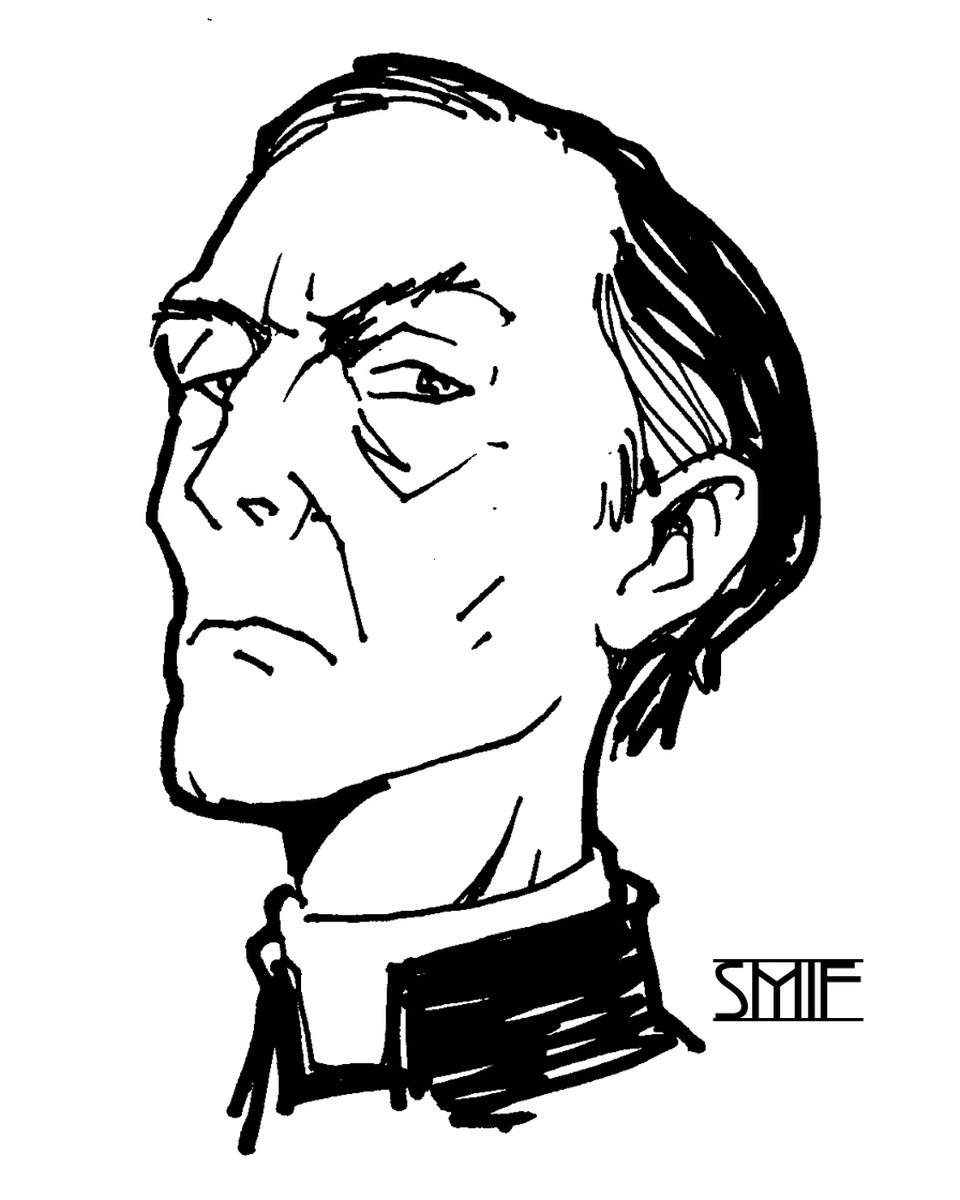
Colonel Cecil Cruikshank, master of Cruikshank Manor, was found in the drawing-room after the weekly séance had broken up, seated upright in the wing-chair his late wife had favoured. His hands were folded, his chin held level, and altogether he wore the composure of a man declining, on principle, to be inconvenienced. There was no disorder about him whatever. His collar sat straight, his cuffs were squared, his boots aligned to a nicety; and across his folded hands someone had laid a single white glove of his wife's.
On the small table at his elbow stood his port glass, drained. Dr Quill, called from the hall to certify, judged without difficulty that the port had been dosed, and named a sleeping preparation as the agent. The Colonel had been poisoned. He had taken his port, as ever, from the decanter kept for himself and Dr Quill alone — a decanter that had stood in the drawing-room the whole evening, within easy reach of the séance circle.
The chair itself had travelled. Ordinarily it kept the corner; tonight it had been drawn to the exact centre of the hearthrug and squared to the fire, and the late Mrs Cruikshank's portrait had been unhooded and turned to face it. The work was patient throughout. Nothing had been knocked, nothing spilled; the fire had been built up rather than let die, as though the room had been dressed carefully about the Colonel once he was still. On the mantel, near the pistols the Colonel kept for Sunday, stood a phial that had held a sleeping draught, now empty.
That draught was no stranger to the house. It had been prescribed for the Colonel's poor nights, kept in the Manor, and known to the whole household — and a measure of it, everyone agreed, would never be tasted in the fortified port he favoured. Nor were the household's other affairs any great secret. The Colonel had lately spoken of altering his will, in terms that touched both Nan Pringle and Effie Strange; the document lay unsigned that night. His grief for his wife he never named aloud, though he paid Lavinia weekly to sit for her, and kept her chair, her glove, and her hooded portrait exactly as she had left them.
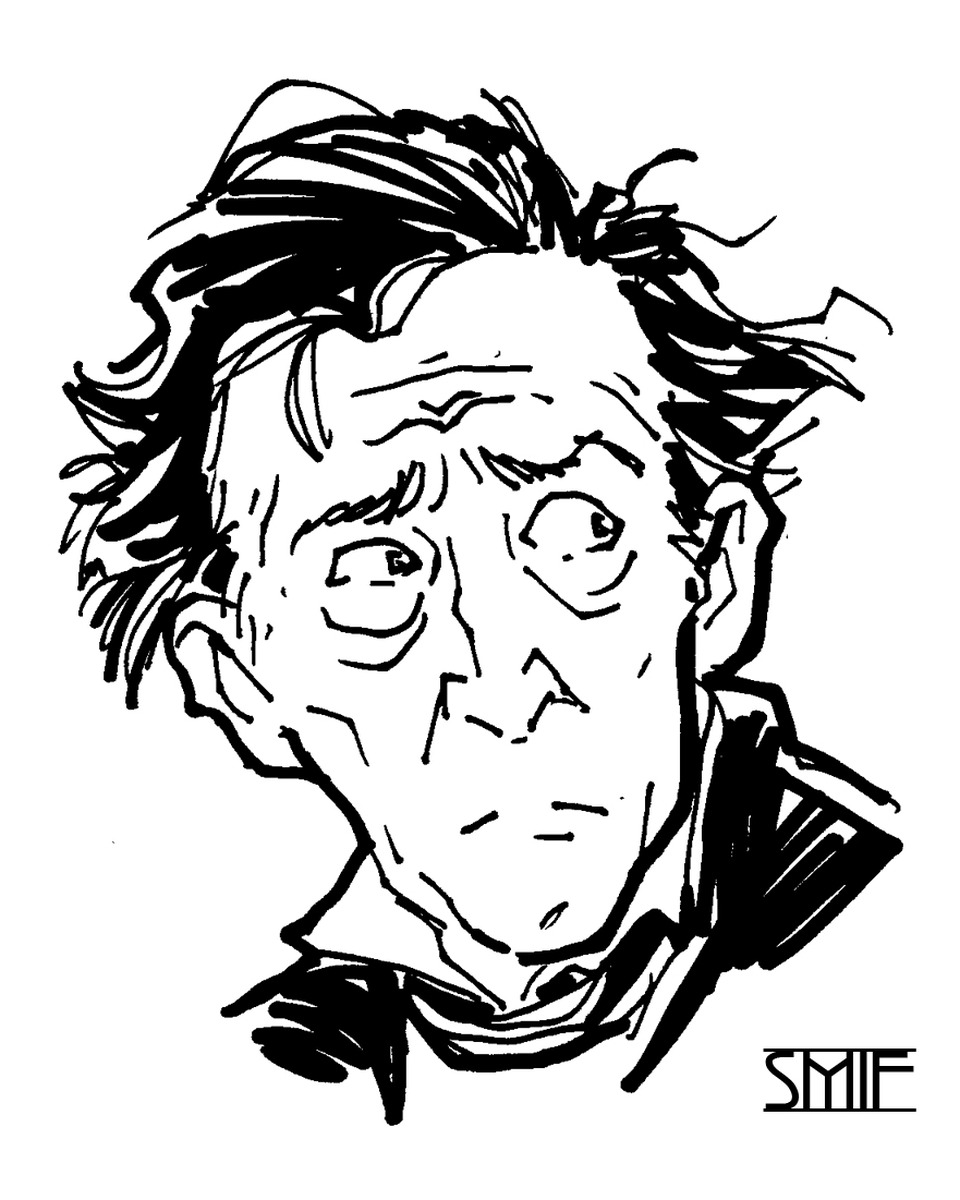
The company that evening was easily enumerated. Below stairs, Fifi and Zane, the twin house-servants, took the household's own supper, and Mrs Gow, who keeps that table, vouches that neither left it. The Reverend Simeon Gaunt was not at the Manor at all, being at his own devotions across the city, and is accounted for there. Cousin R — the guest no one can quite place, who orbits the Colonel's table as a fixture and dines there daily — kept to the drawing-room throughout the séance and after, the last to leave it, by his own account tidying the chairs; Mrs Gow confirms he did not go below stairs and was about the room as the household dispersed. He was a man who collected the household's private matters and said little, who neither borrowed money nor stood to gain by the will, and who had dined at the Colonel's table longer than anyone could reckon.
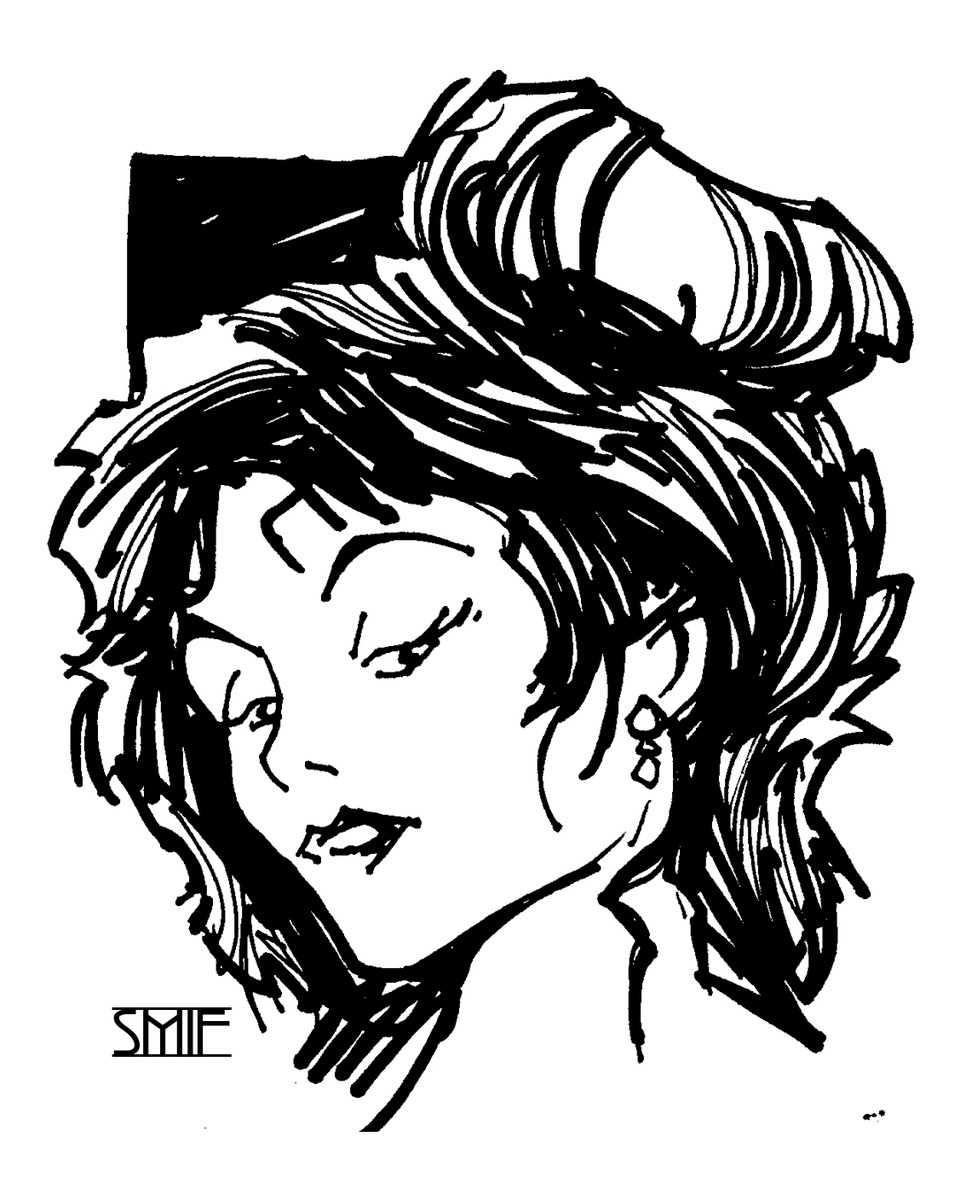
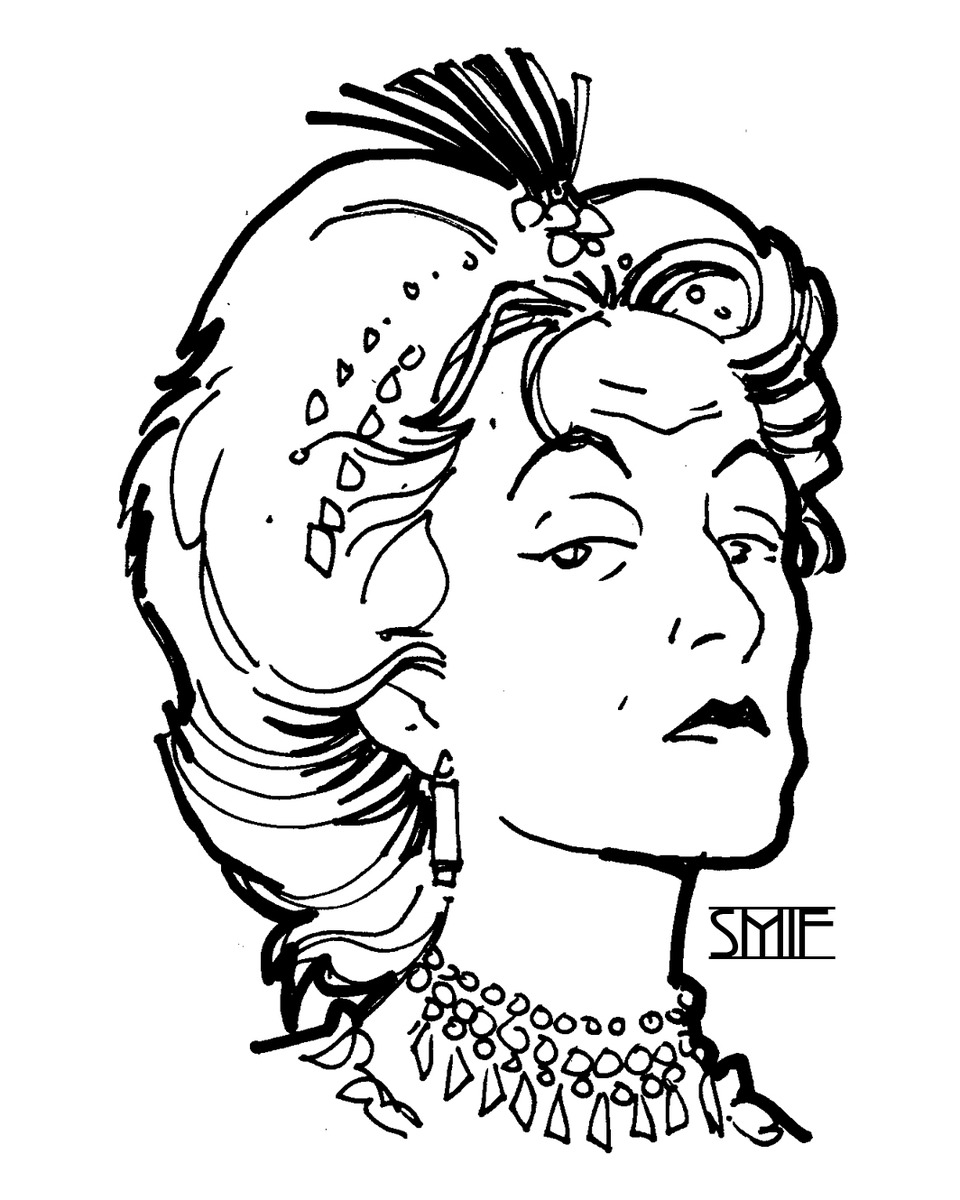
Nan Pringle, the Colonel's poor relation, resident on a humiliating allowance, had sat in the séance circle and withdrawn afterward with Lavinia to the morning-room, where Mrs Gow brought them tea and vouches they remained together until the alarm. Lady Lavinia Loveless, the medium engaged weekly to reach the late Mrs Cruikshank, had conducted the sitting and gone with Nan; the two are vouched for one another until the end. Dr Tobias Quill, physician and coroner and routine caller, left the drawing-room for the hall to fetch his bag when the sitting closed, and was with Mrs Gow at the front door, being handed his coat, when the body was found.
Others had come and gone on business. Captain Wat Frew, a visiting acquaintance, had called earlier and been shown out at the side door before the séance began; Mrs Gow let him out and he did not return. Xerxes Hartfield, the nabob, sat the whole of the séance in the library over venture papers, with Aziz, his companion, beside him; Mrs Gow, carrying in the lamps, saw the pair together there until the alarm. And Effie Strange, the bright young thing and heir-presumptive, had arrived late and unwell; Mrs Gow settled her in the small parlour with a cordial and looked in on her twice, finding her there each time.
So the Colonel sat, centred on his own hearthrug, squared to the fire, his wife's glove across his hands and her unhooded portrait regarding him — a widower composed at last into the company of his grief, and the room dressed with a care that no struggle could ever have left.