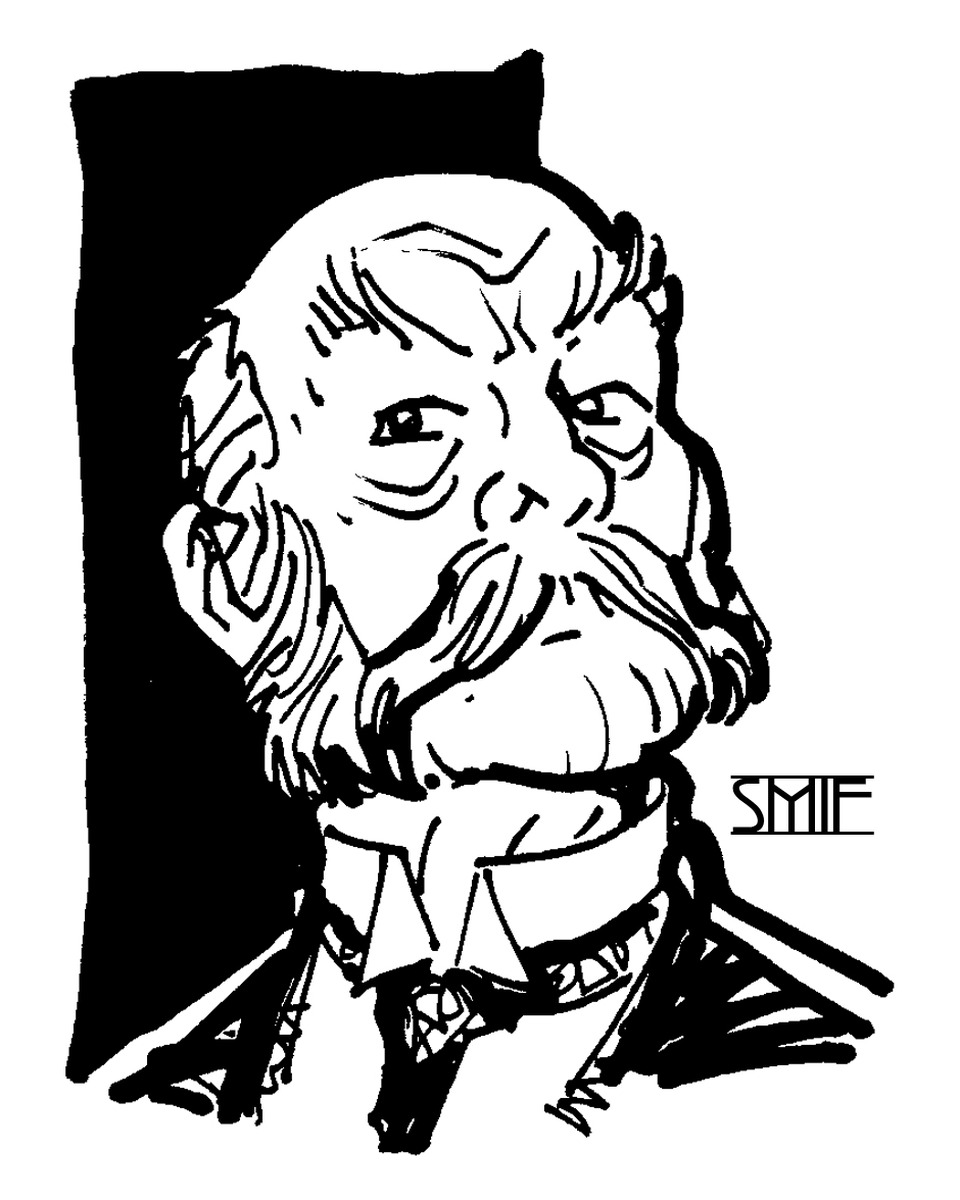
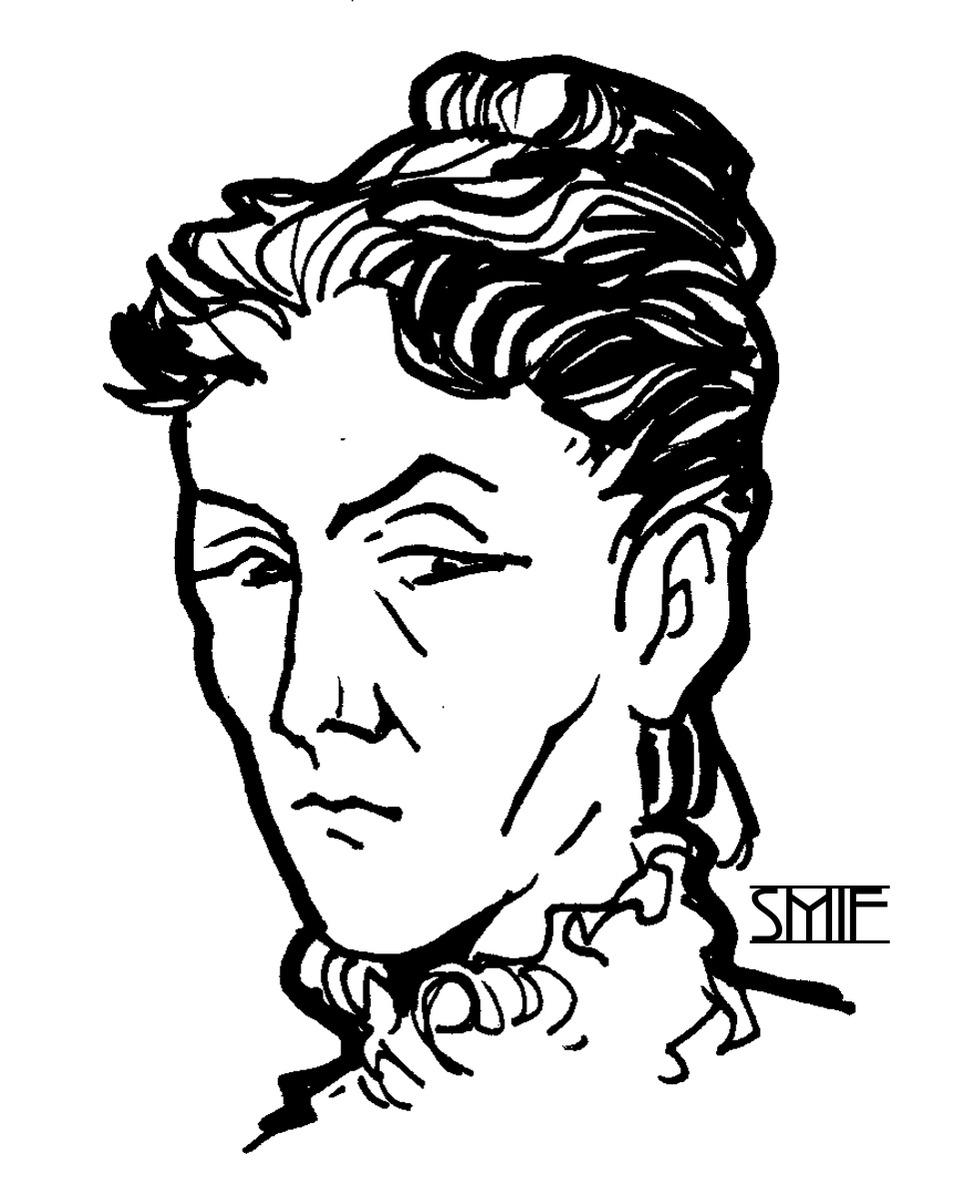
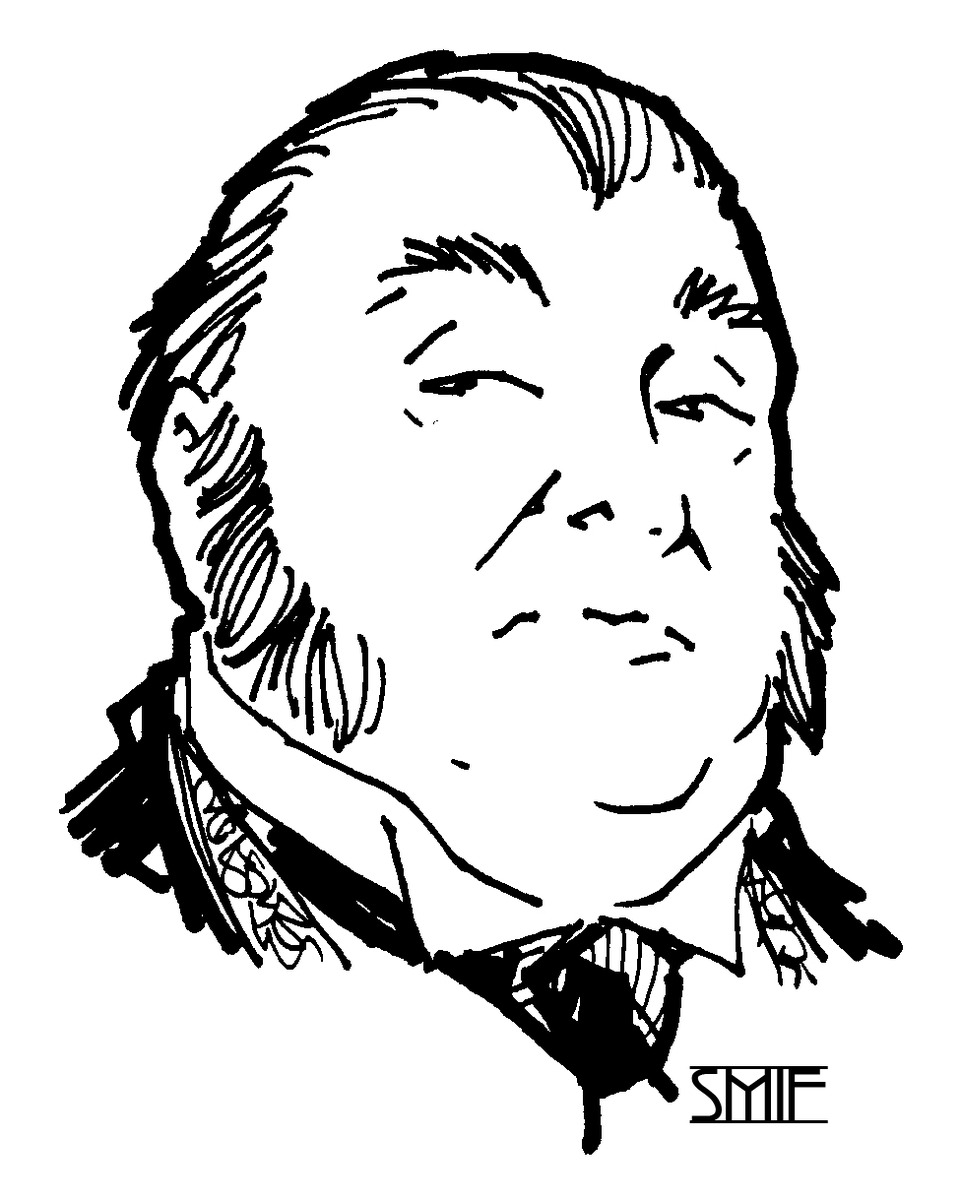

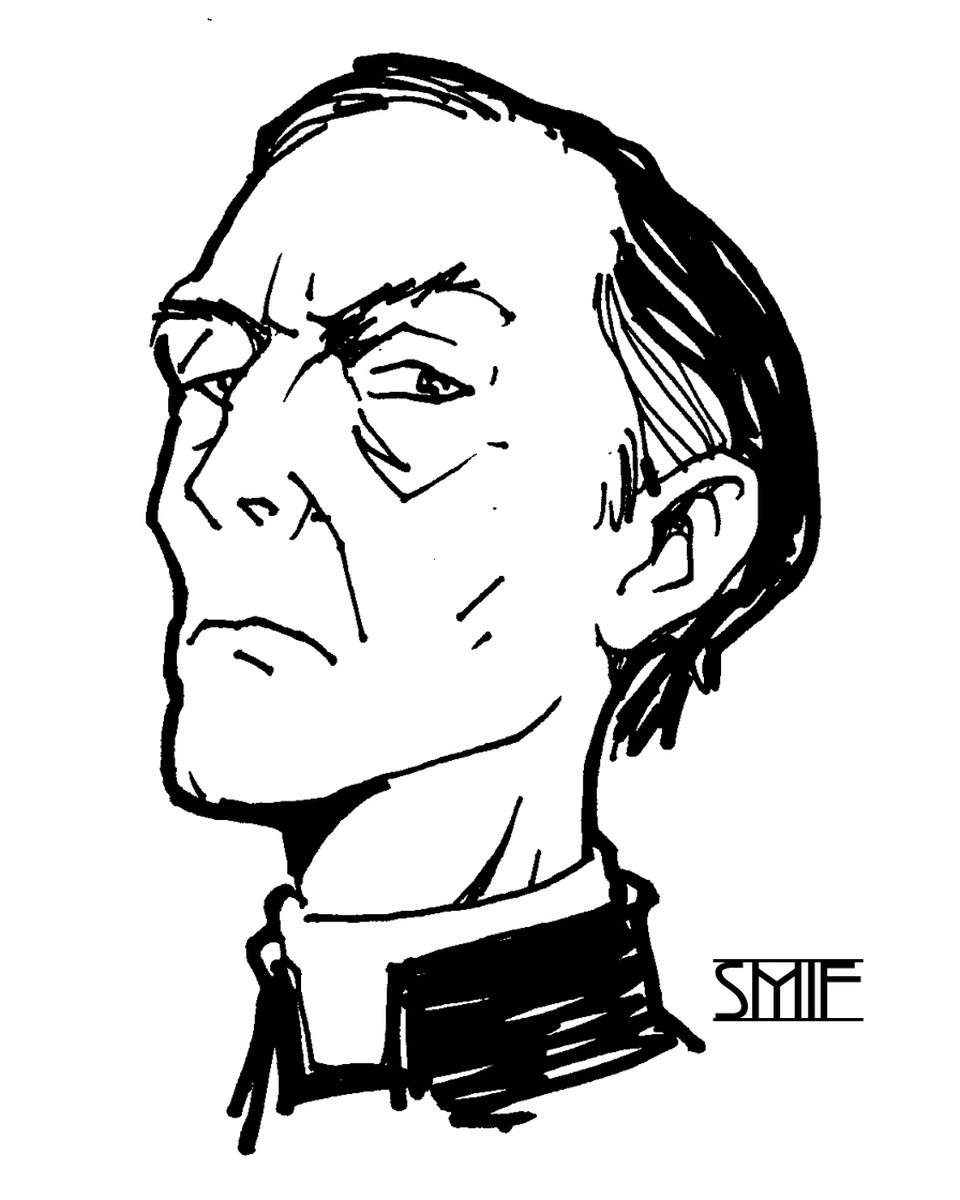

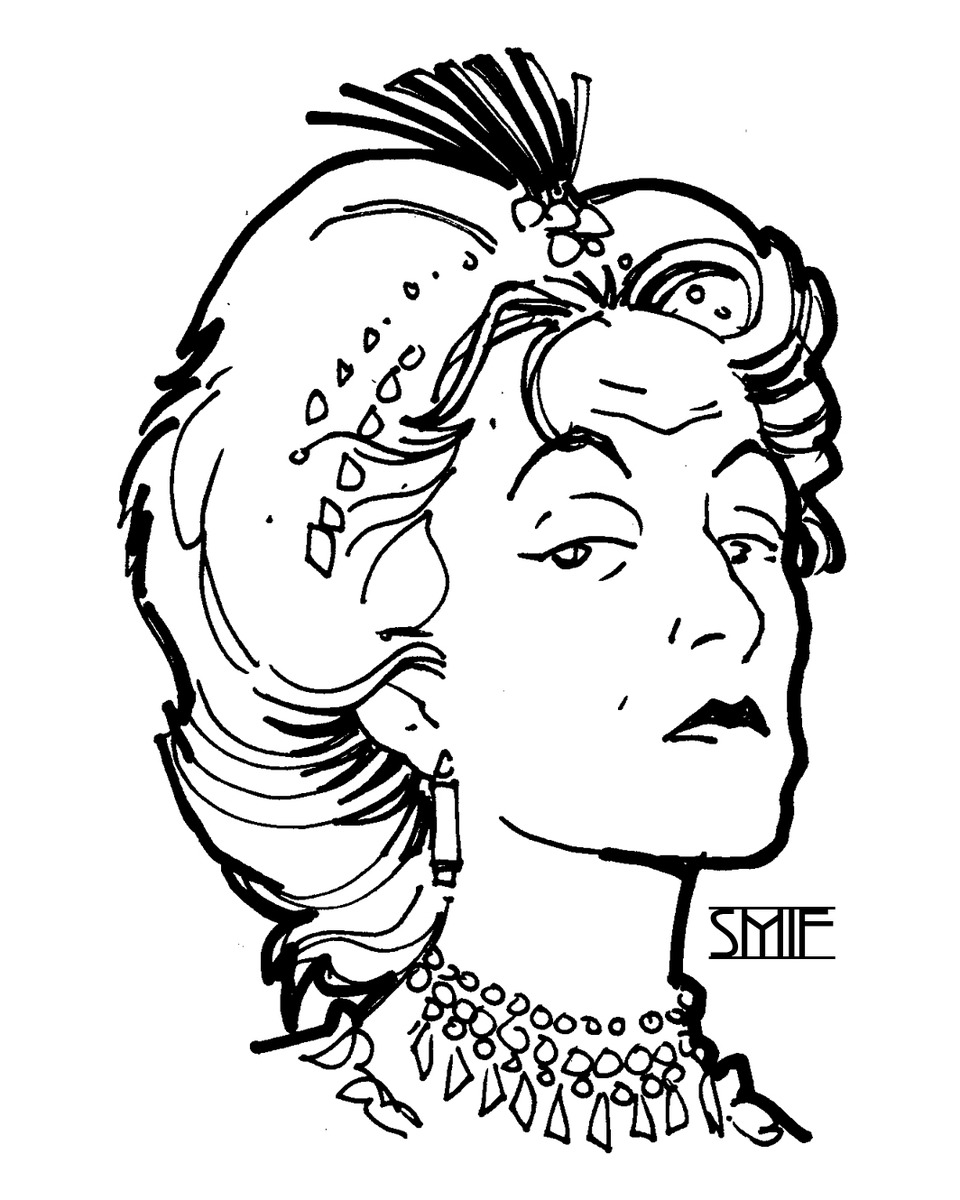
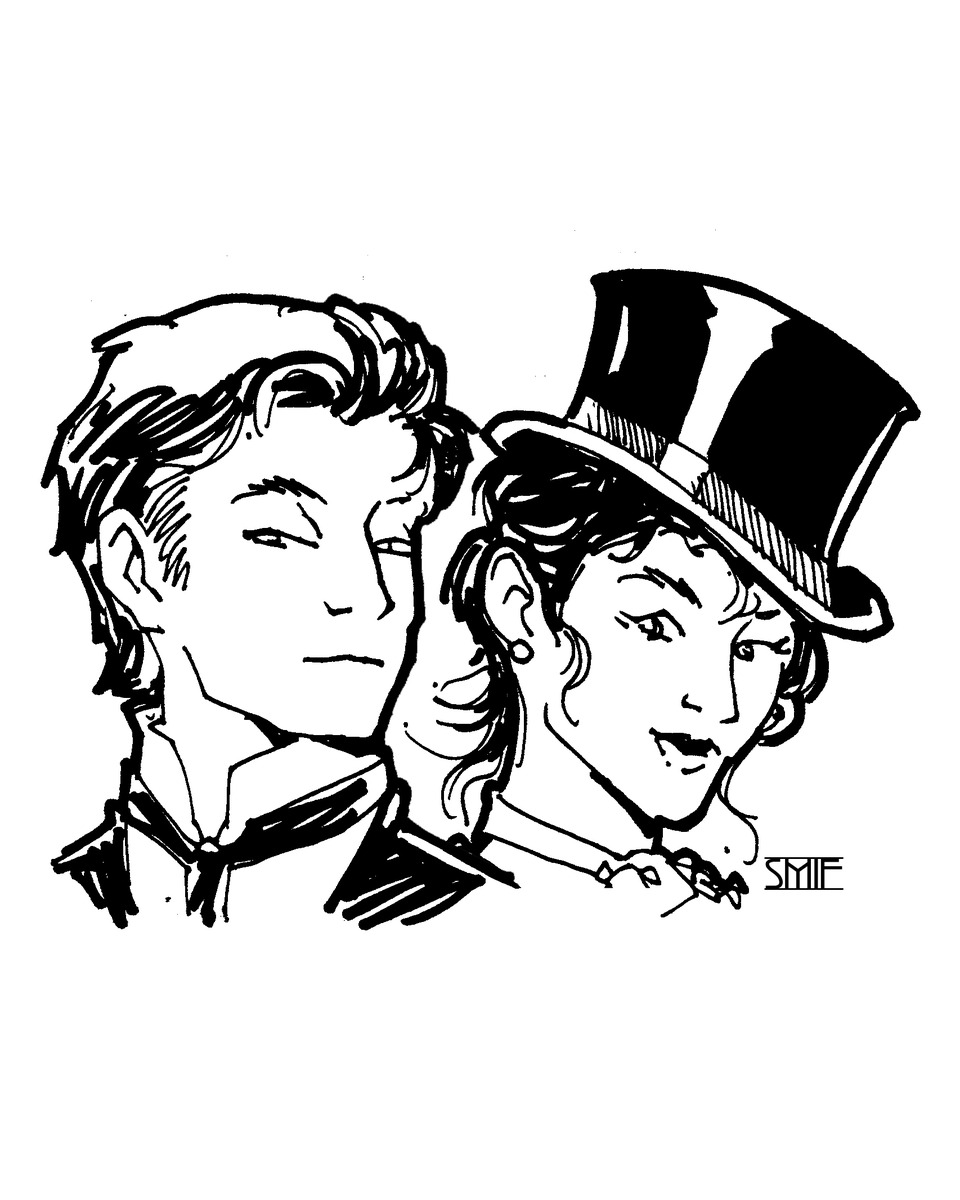
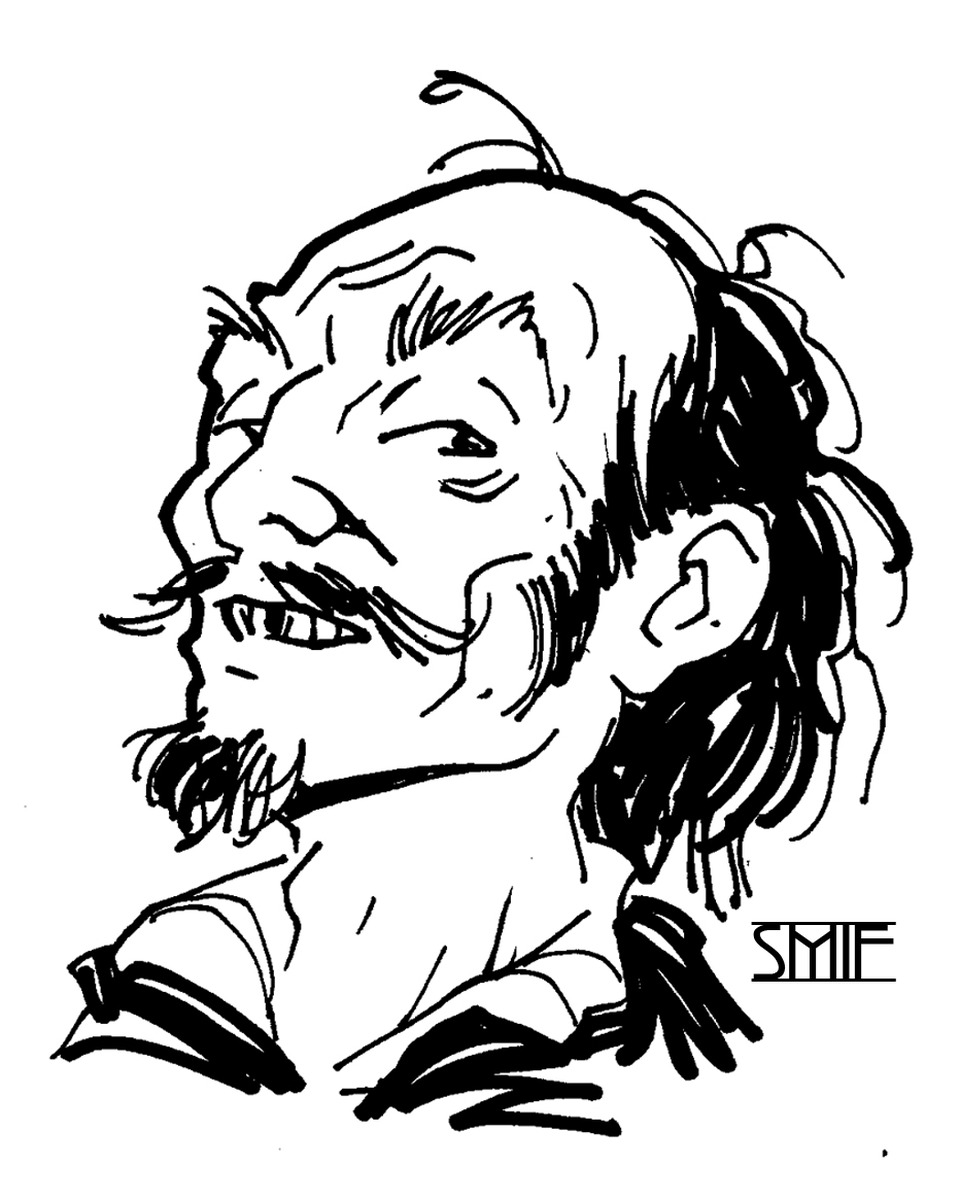
Hartfield House keeps late hours, and on that raw autumn night the household had assembled after dinner in the long drawing-room, dispersing by degrees. Lady Lavinia Loveless, the medium resident above, had taken her rooms; her half-brother, the Reverend Simeon Gaunt, lately arrived three days past to lodge with her, had gone up to his devotions. Aziz, who had lived under Xerxes Hartfield's roof these two years as his companion, kept — as had become his custom — to the small oratory-room off the east passage, a cold chapel of a place lately given him for his own quiet.
A little after two o'clock he was found there, laid face-down upon the flagstones, his arms set straight at his sides as though composed for penance. His back bore the narrow, repeated lines of a scourge — a great many strokes, evenly laid, patient rather than furious. There was no other mark upon him. Death had come by the lash; there was no blade, and no draught.
Beside him lay a knotted leather scourge, its cords coiled and stiff. It was not a thing of the house. The servants questioned it as one questions a strange dog in the hall — none had seen it before. Its make and cording were not sold in Cairnholm, though a like set was remembered to have come north with a travelling preacher.
About his neck, on a fine chain, hung a single great jewel — the Maharaja's Sapphire — untouched. It was a gift he wore always and never removed, said to be worth more than any wage he could have earned, and no one had asked how he came by it. Whoever had done this had wanted nothing he wore.
A candle had guttered out in its dish. The room was cold, the little iron grate unlit. On the sill lay a prayer-book, open — though Aziz was known to keep no such book. The oratory door had stood on the latch, not locked; and the east passage, the quietest in the house, runs directly below Lavinia's rooms. Mabel, the cheetah, had been shut in the conservatory since eleven, fed and drowsing, and raised no cry in the night.
The household, once roused, gave its accounts with the readiness of the well-mannered.
Xerxes, a poor sleeper, had taken a sleeping-draught at midnight and was found deep in the west wing when roused; his valet vouched the draught and the hour. Dr Tobias Quill, who had come earlier to dose him, had left the house at midnight once the draught was given, logged out at the gate and home abed, his housekeeper vouching. Captain Wat Frew, who runs cargo for the master, had been in the cellar from midnight to near three, counting a landed consignment with two porters; they vouched him, and the tally-book bore the running times. Wat trades in others' secrets, but he kept no quarrel with Aziz, whose value to him lay only in what might be known — and he had learned nothing to sell.
Lavinia had given a sitting in her upstairs parlour until near two, her sitter and the drawn curtains vouching the hour. That sitter, Effie Strange, the bright young thing, had been with her from midnight until near two and after dozed upon the parlour couch; Effie had come chiefly wanting the sapphire and had eyed it through the evening, but she was shut in that parlour the whole night. Cousin R had sat up in the library over a folio of engravings; a footman brought him coffee at half-past twelve and again near two, and found him unmoved both times.
Others had not been present at all. Colonel Cecil Cruikshank had left for Cruikshank Manor before midnight, the gate-man logging his carriage out, with Nan riding beside him; the two passed the night there, abed and vouched by that household. Fifi and Zane never came to Hartfield House at all that night, being abed at the Manor in service, vouched by the staff.
There remained the Reverend Simeon Gaunt, who came down composed at the alarm, already dressed. He was said to have kept to his room above the east passage from midnight, at his devotions; no one had sat with him. Gaunt keeps a strict discipline — he is known to scourge himself nightly as penance, carrying his own cords, and preaches that the wages of sin fall due upon both the sinner and the occasion of sin. He is reputed unbribable, and has never taken coin to look away from anything; Wat had tried him once and been refused.
On the afternoon before, Gaunt had asked the housekeeper, with particular sharpness, why the young gentleman's rooms opened upon the master's own, and had gone quiet at her answer. He was seen after, standing long outside the oratory-room.
So it was left: the cold oratory, the coiled cords, the sapphire still burning at the throat of a man laid out as neat as a penitent — and above, in the half-sister's rooms, a lamp still lit.