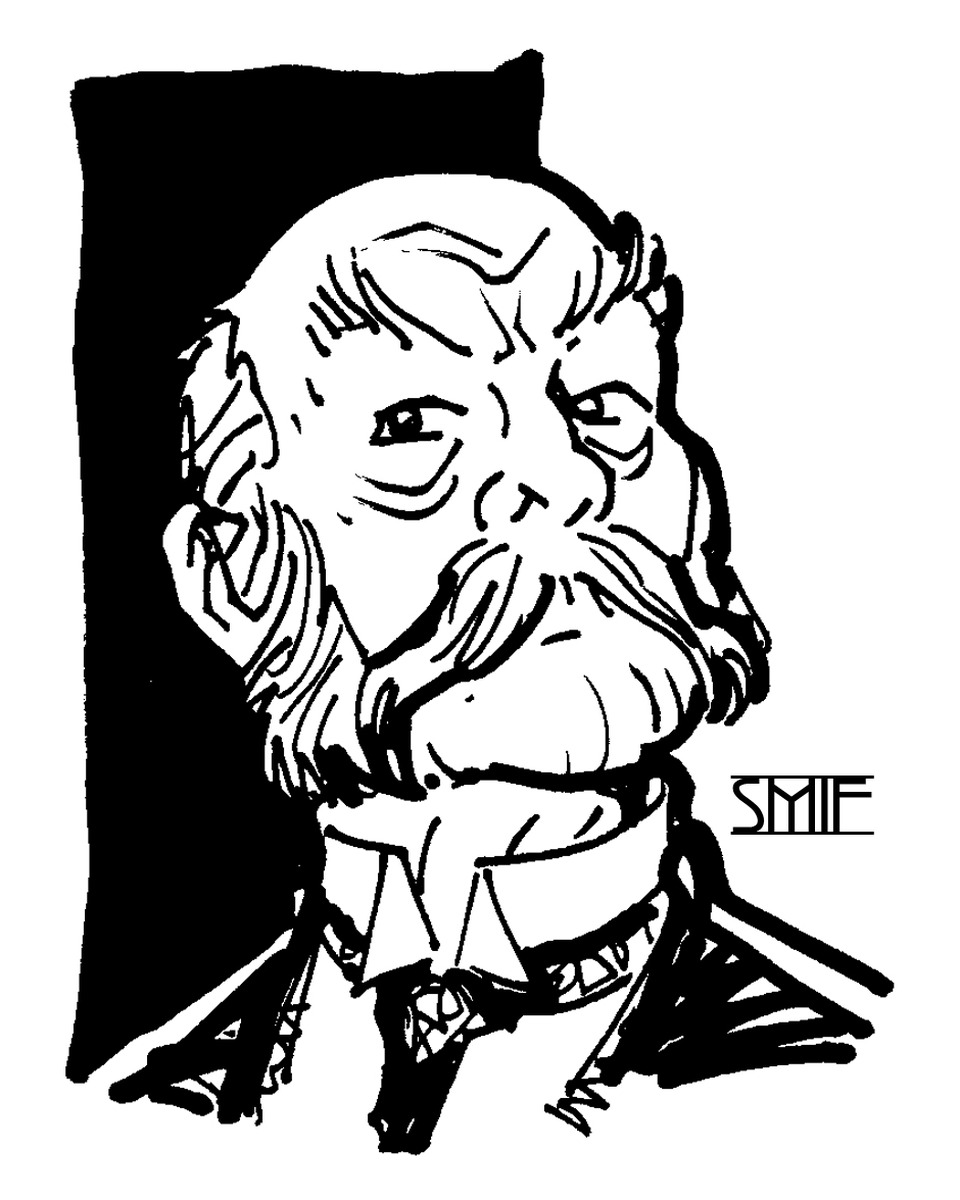
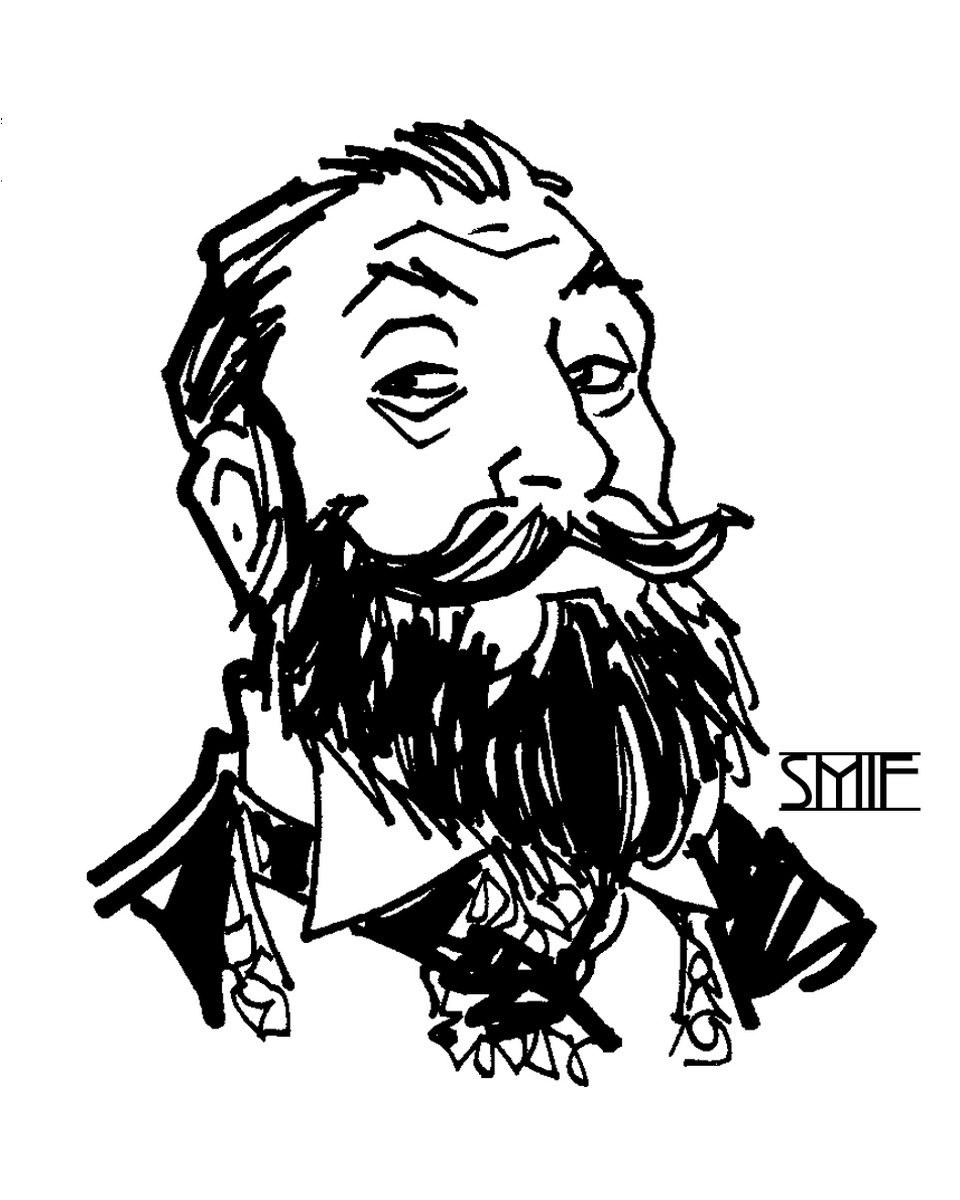
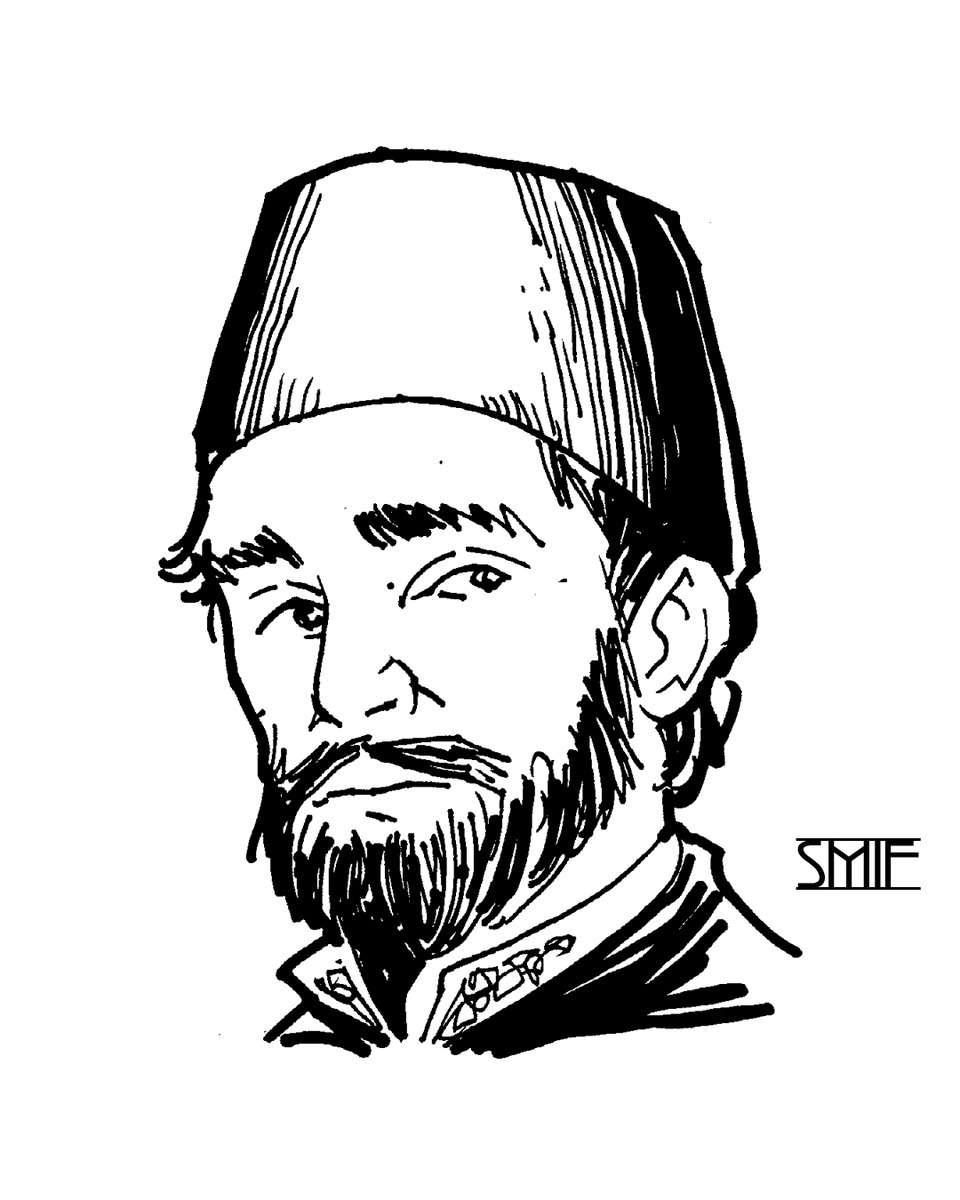
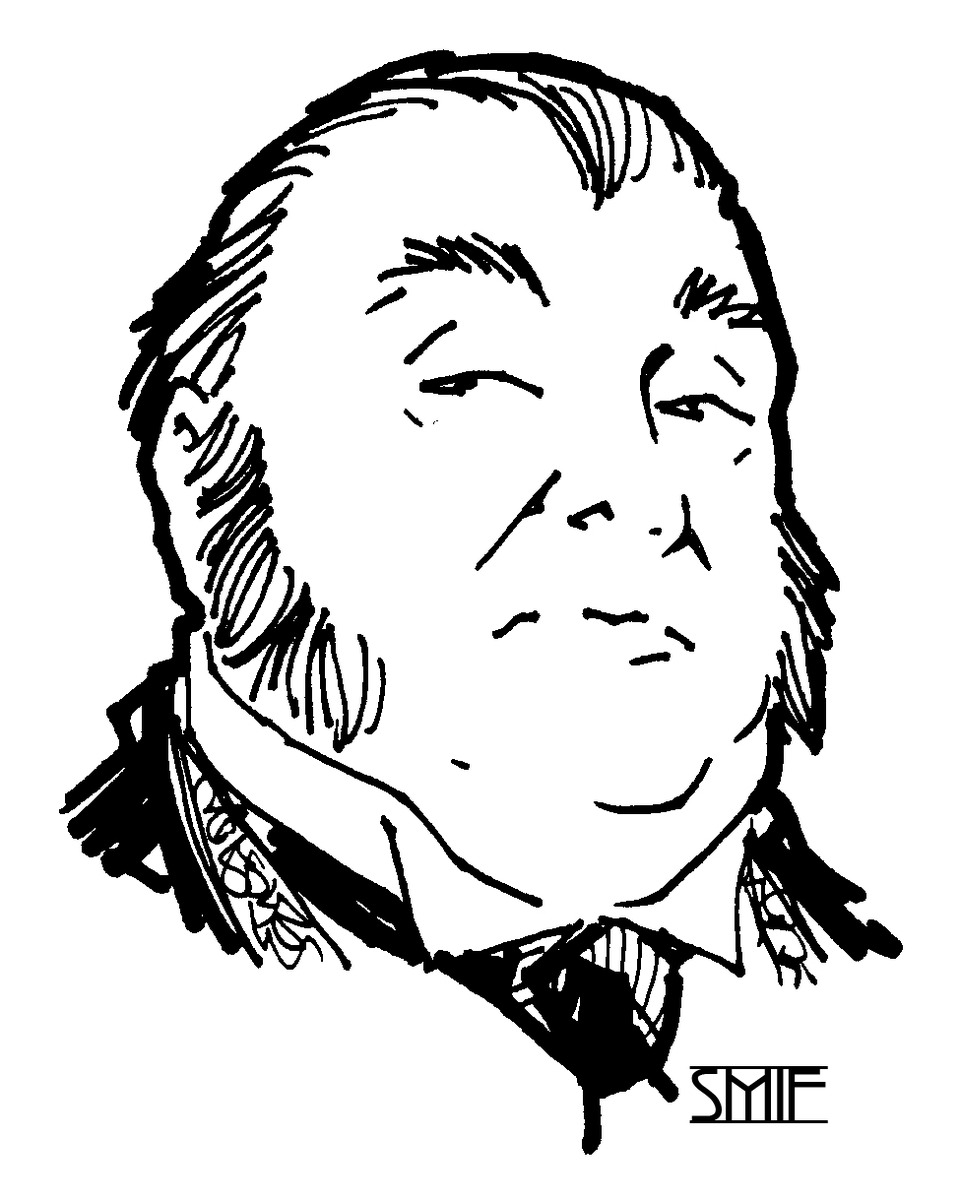
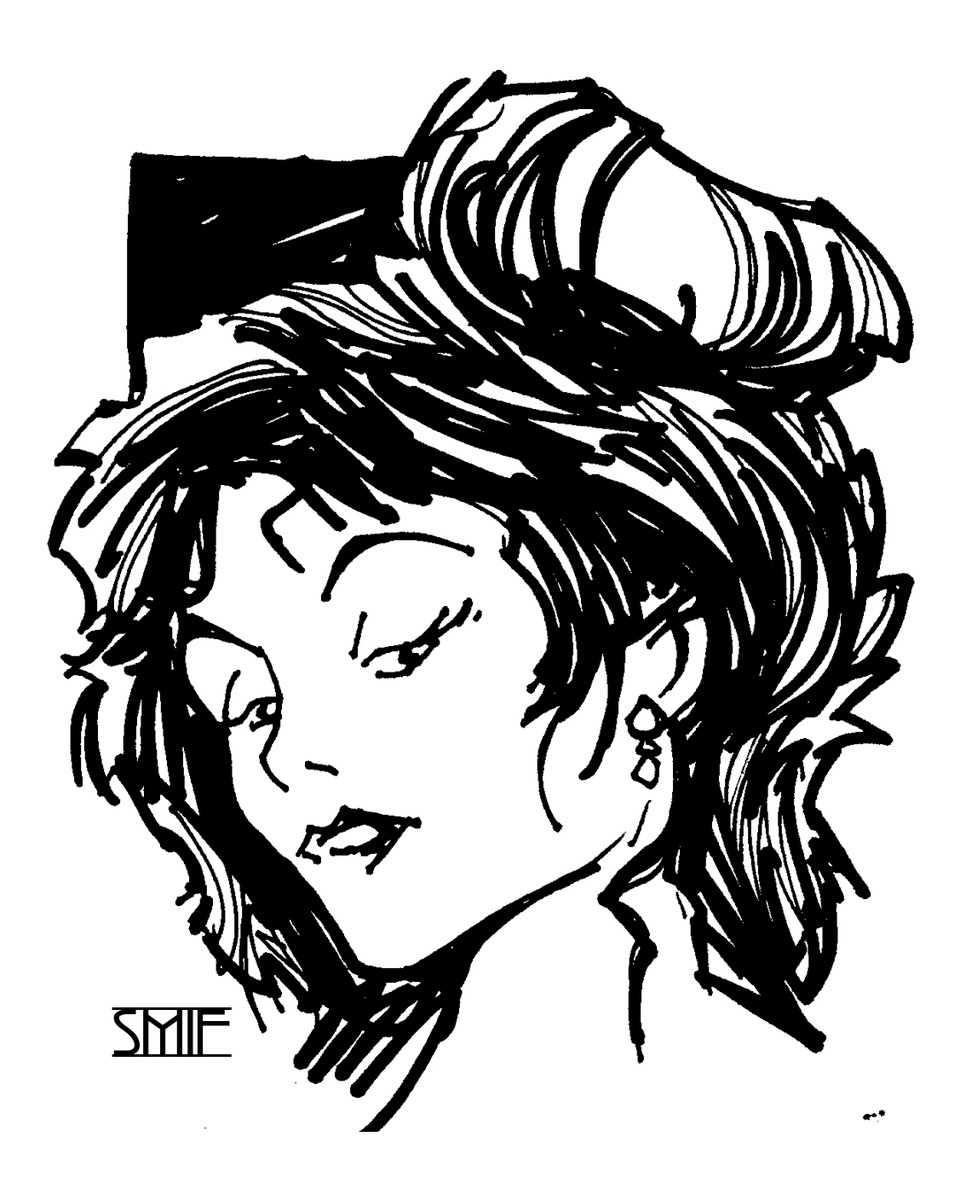
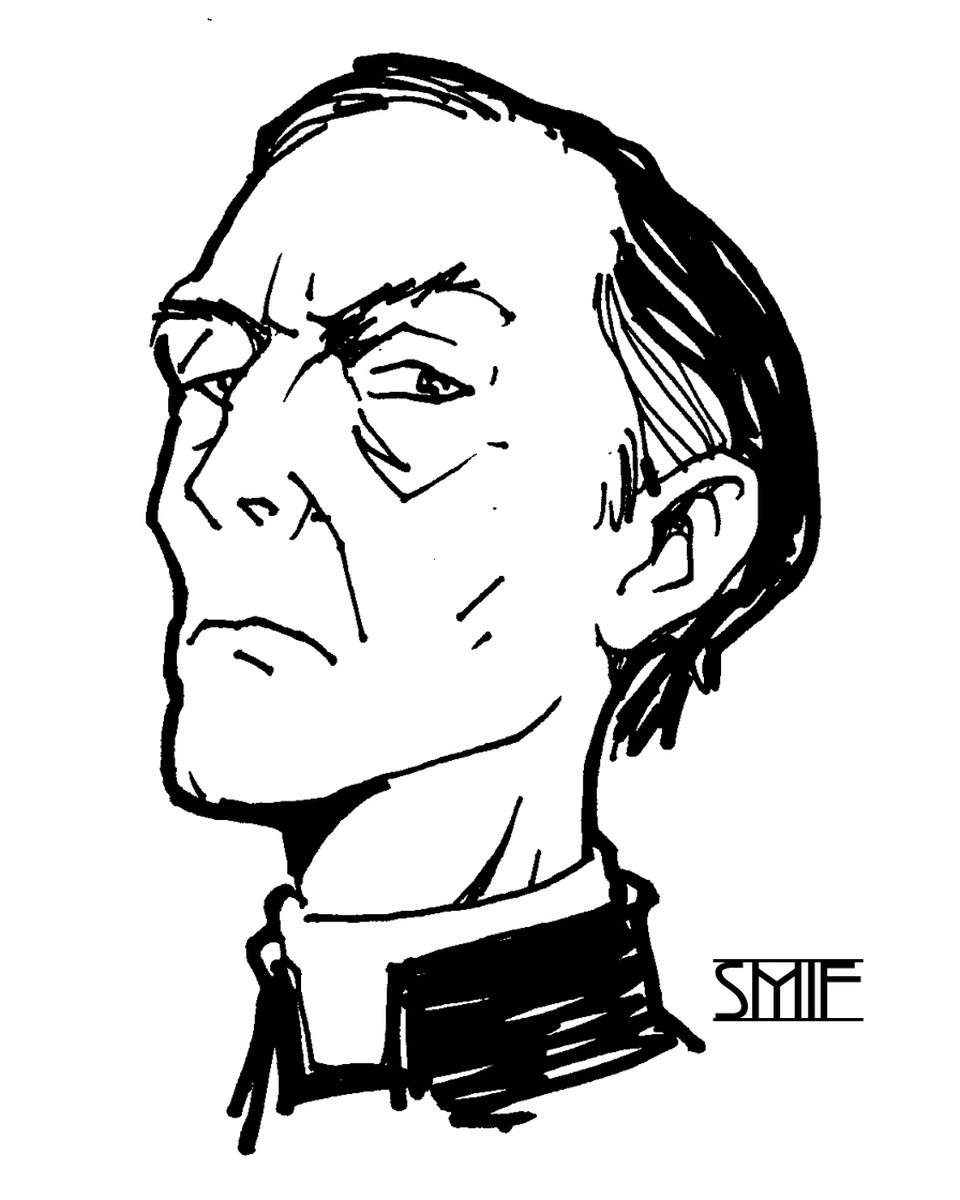
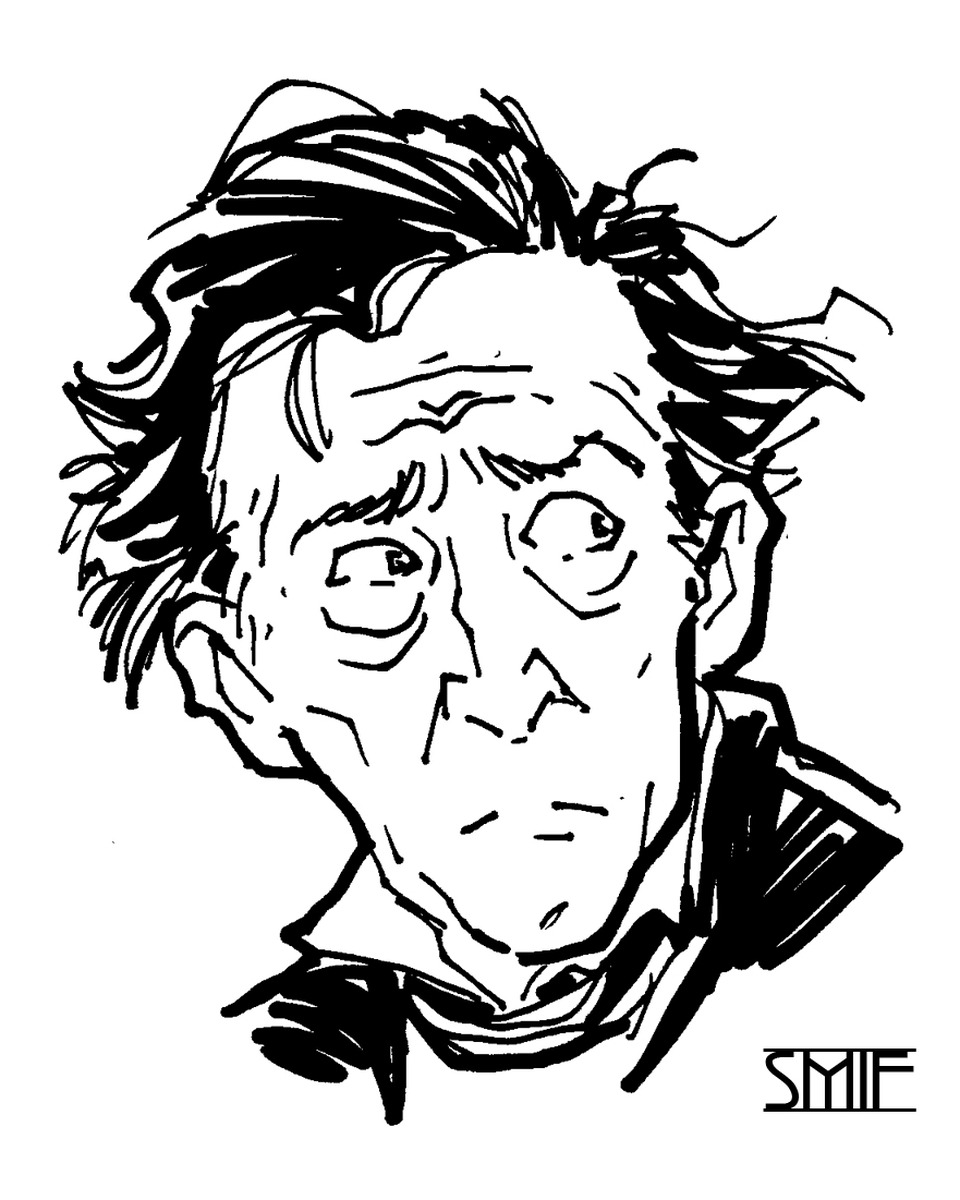
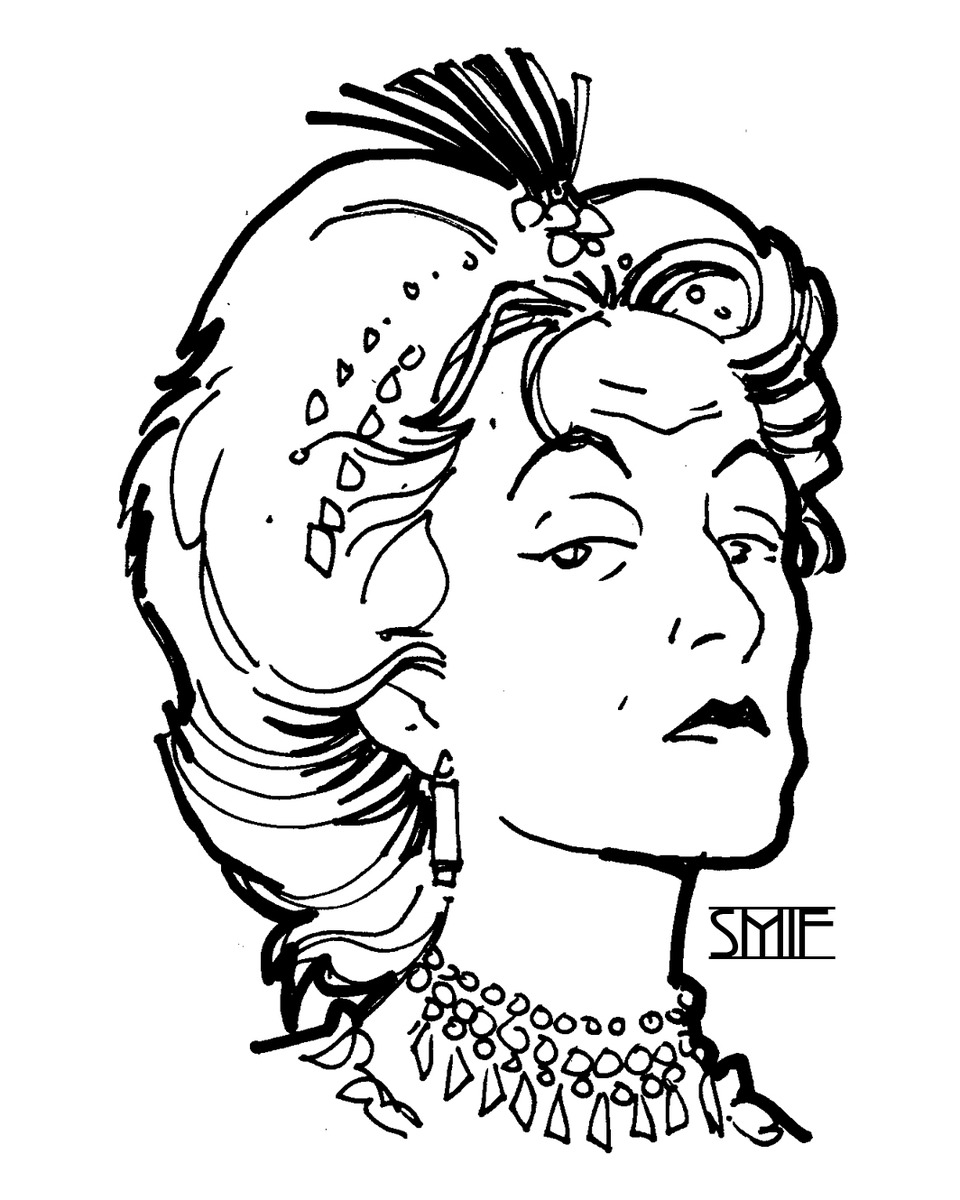
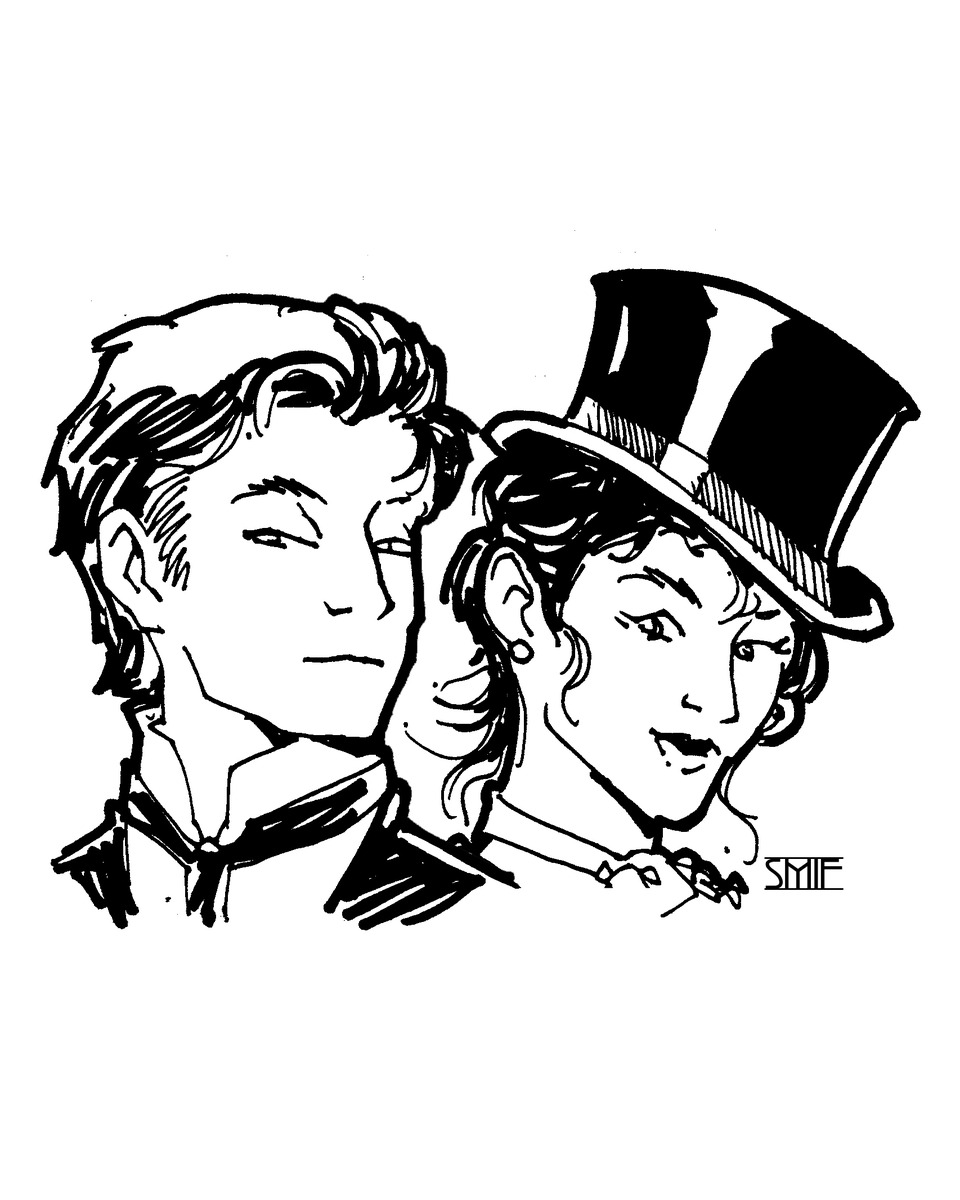
On the evening in question, Cruikshank Manor was given over to its weekly ritual of the departed. Lady Lavinia Loveless — who had begun life, before the stage improved upon it, as Isolde Marsh — had lately consented to sit not monthly but weekly, that the Colonel's late wife might be more regularly consulted. The drawing room was darkened, the circle joined, and the household disposed itself between the sitting above and the small errands below.
Nan Pringle did not sit the circle. She was the Colonel's poor relation — gentry-blood without means, kept on at the Manor, and known below stairs as the one who noticed things and kept her little notes of who went where. That night she was found in the little writing-room off the back stair, seated at the escritoire, a teacup drained beside her. There was no mark upon her. Dr Quill, called from his port, examined her and named a swallowed draught: she had been poisoned, the cup emptied, and had died where she sat.
The cup itself was worth a remark. It was the plain servants'-hall china, not the drawing-room set — the everyday ware, carried up on a tray from below stairs. This was no small distinction, for the drawing-room party had been served their own tray before the sitting began, while the servants'-hall tea was a thing that anyone below stairs might carry up.
Upon the escritoire lay a half-written letter in Nan's hand, addressed to Colonel Cecil Cruikshank. The ink had dried mid-thought, but two lines could be read: a reference to "the pair below stairs," and, a little after, "a name that is not the name they give." What she had meant to add, she had not lived to write.
The drawer yielded more. A pressed-tin box held Nan's private notes — dated observations of the household's comings and goings, set down in a small, neat hand. The most recent leaf was dated that very day. It recorded a footman's absence from his post on a Tuesday last, and, in the same careful script, "L.'s carriage at the lane." To Mrs Gow, the housekeeper, Nan had lately spoken of a duty to tell the Colonel something she had learned about a member of the staff; she had not yet said what it was.
The death fell in the window between half past eight and nine o'clock, while the séance sat and the drawing room lay dark. As to the tray, Mrs Gow could say only so much: the tea had been made up in the servants' hall, and she had seen the cup poured and set out before she turned to the range. When she looked again, the tray had been taken up. By whom, she could not say.
One further object presented itself, and declined to explain itself. A man's hat — a footman's, by its band — was found set down on the back-stair landing near the writing-room, though no man had been seen there at the hour.
The company arranged itself thus. The Colonel sat at the head of the circle, where Lavinia required the master of the house, and was vouched by the sitters from half past eight to past nine. Beside him sat Xerxes Hartfield, the nabob, come on an evening's business — a venture he wished to lay before his host — and he too was vouched for the whole window. Xerxes had not come alone: his companion Aziz stayed with the carriage and the Colonel's man in the front hall, seen there by the household's driver and by Mrs Gow's under-footman. Lavinia herself sat at the séance table, her hands held on either side throughout — for the sitting requires unbroken contact — and the circle spoke for her.
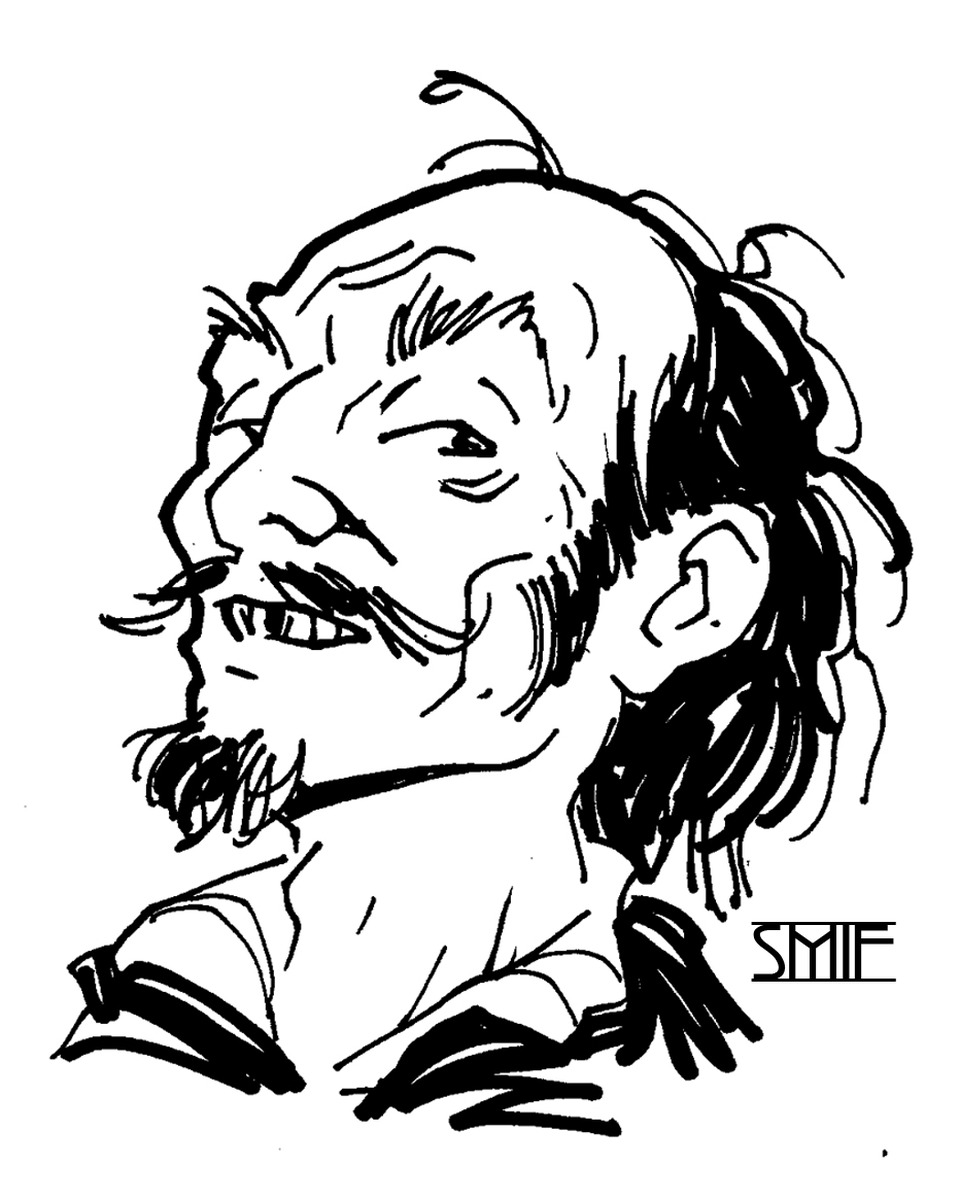
Dr Quill had passed the hour in the Colonel's study with the decanter until the alarm; a footman had carried word that he was there. Cousin R — that unplaceable guest who orbits the Colonel, and who is said to keep other people's secrets as a collector keeps specimens — made a slow circuit of the picture-gallery, seen by two servants at their errands. Captain Wat Frew waited in the gun-room for a private word after the sitting, the boot-boy attending him there.
Below stairs, the twins. Fifi and Zane Swain had come up together into service, the maid and the footman of the Manor; it was understood below stairs that the Colonel's good word had secured their places. Zane had been sent by Mrs Gow to the cellar and the front hall on the evening's errands, and was placed below and in the hall across the window by the housekeeper and the driver. Fifi had been about the back stairs and the servants' hall on her duties — though her movements in the tea-tray hour rested upon her own account, and no other's. It is worth noting, too, that Lavinia's weekly carriage comes up the back lane, and that a footman has more than once been seen away from his post when it does.
Two names may be set aside at once. The Reverend Simeon Gaunt was absent from the Manor entirely, keeping a night vigil in the town chapel, his verger vouching for him. Effie Strange passed the night abed at her lodgings, her landlady vouching for her.
The writing-room stayed quiet after. The drained cup stood at Nan's elbow, and her half-finished letter to the Colonel dried in the lamplight — and on the landing beyond, a man's hat sat set down where no man had been.