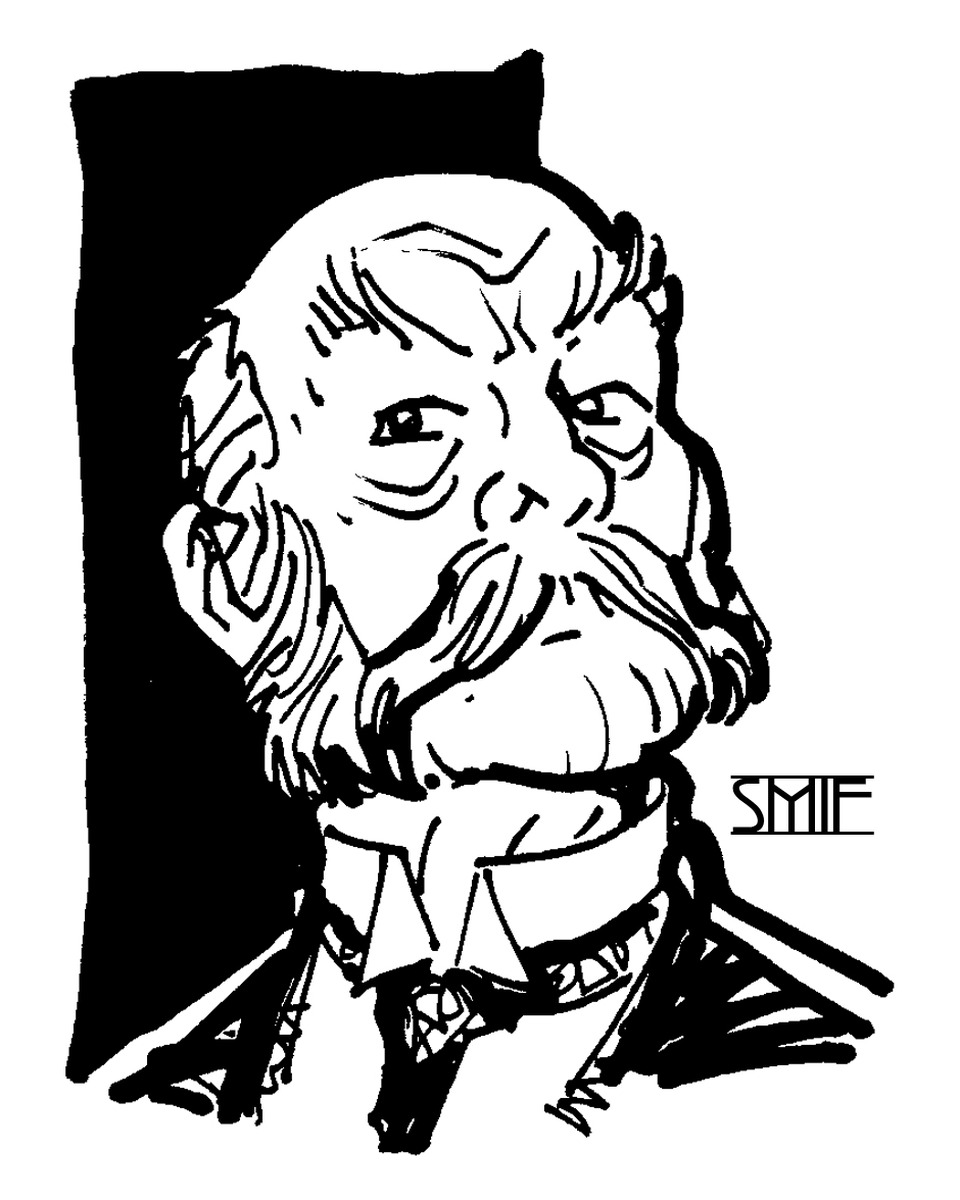
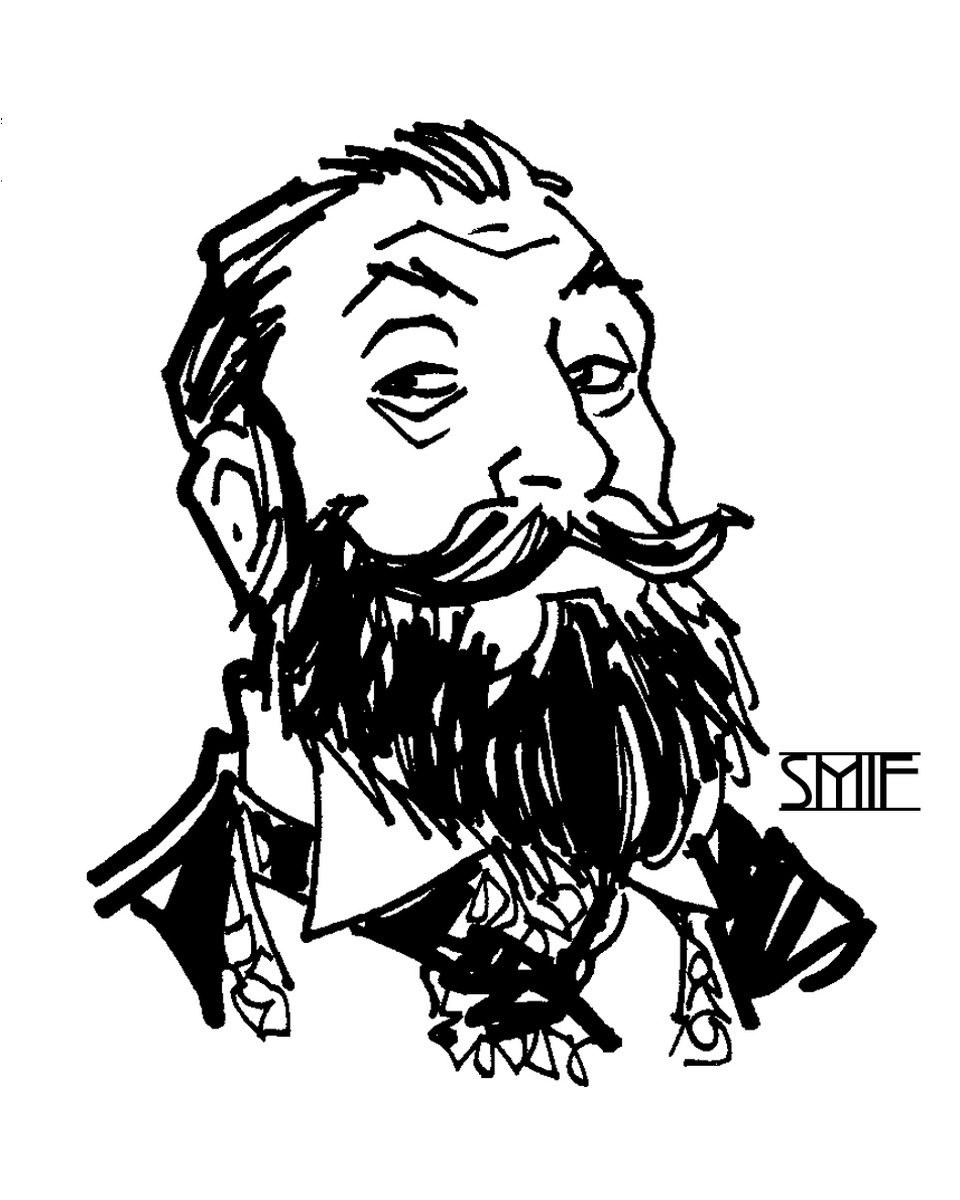
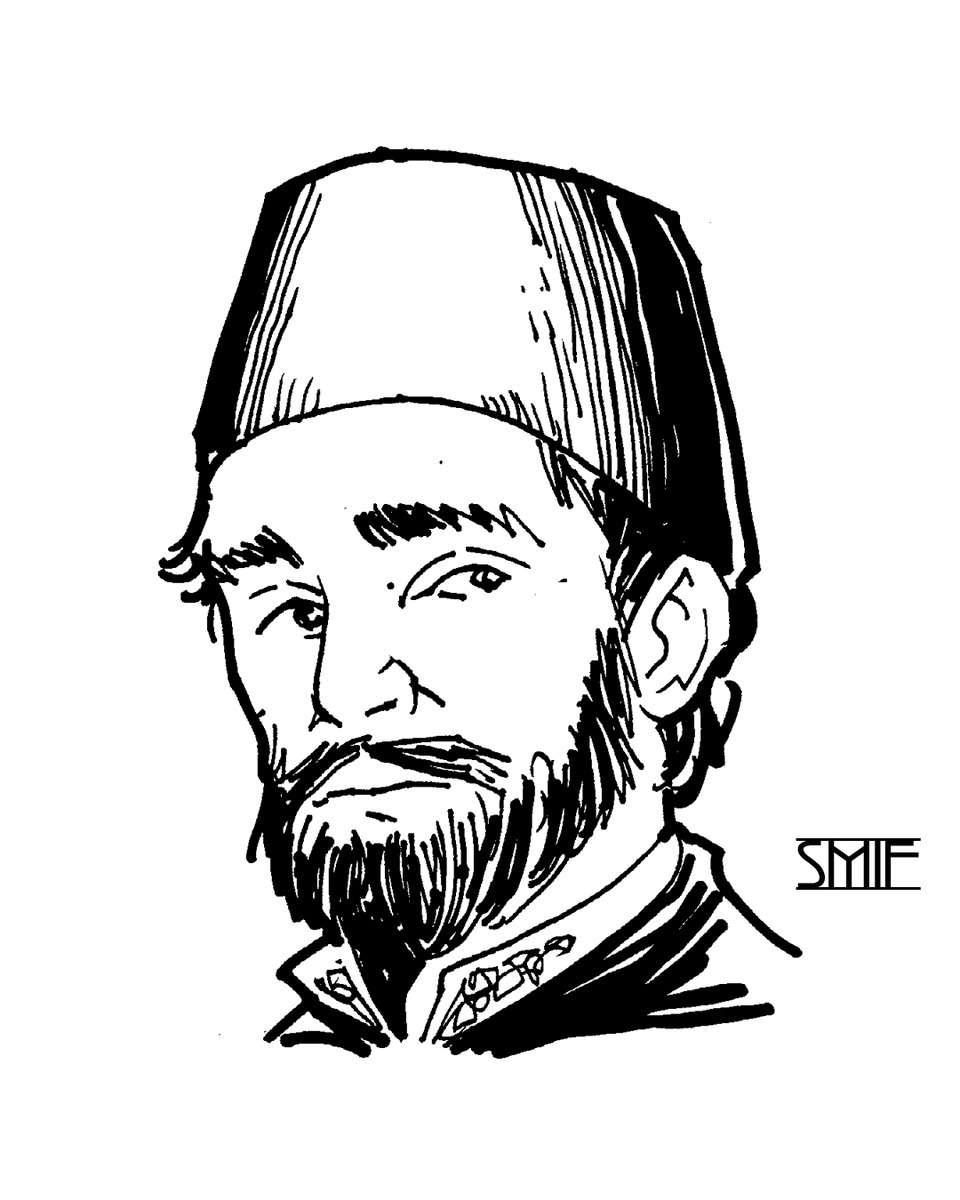
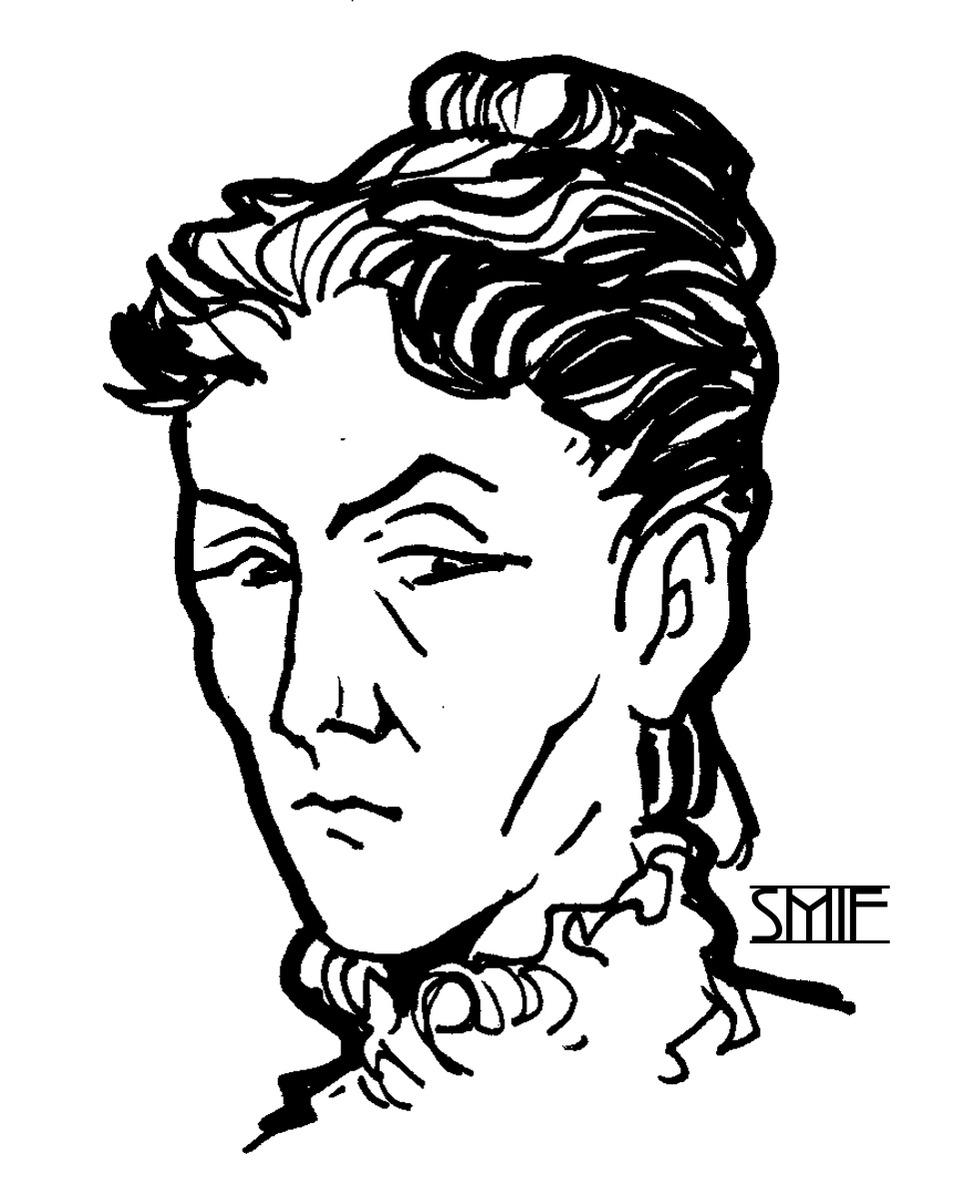
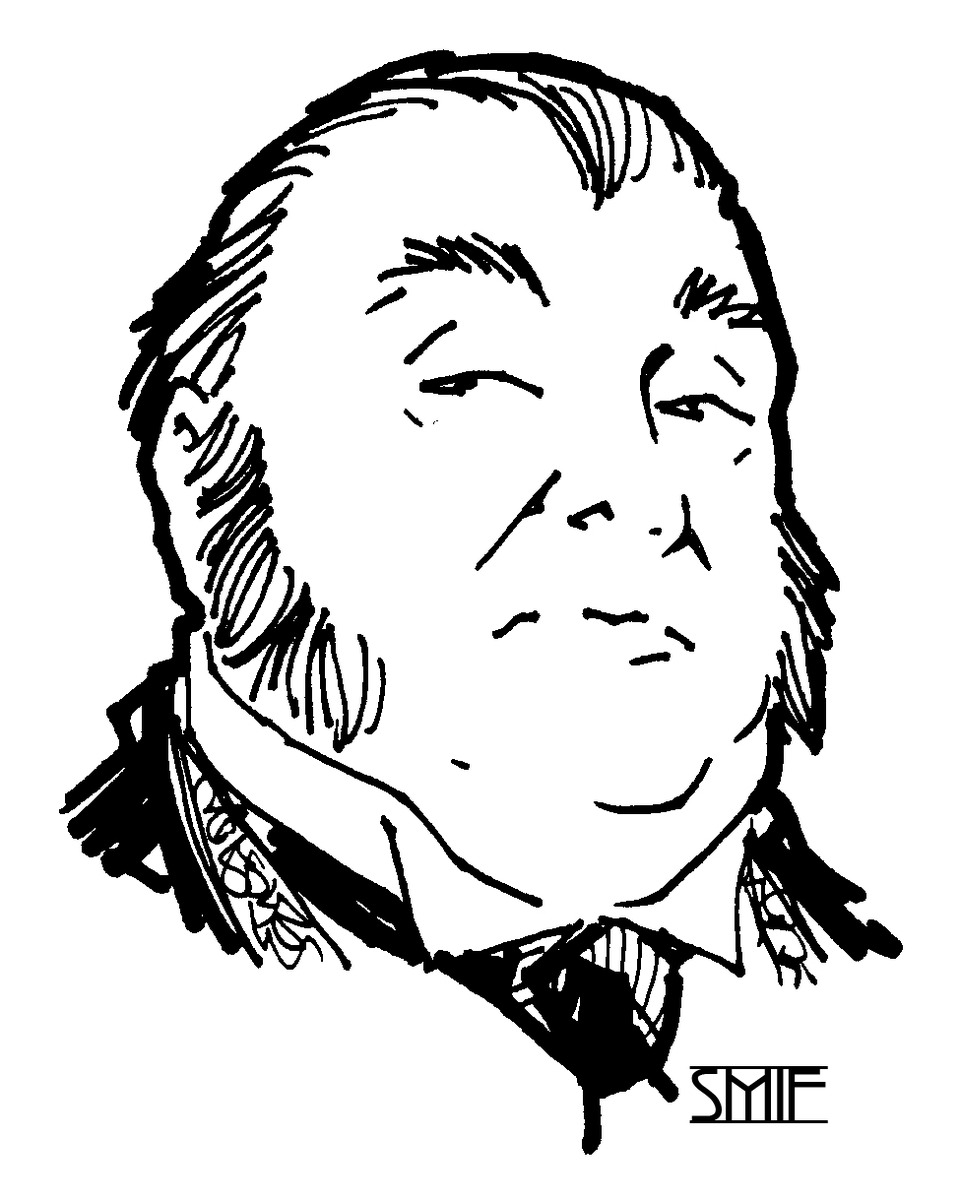
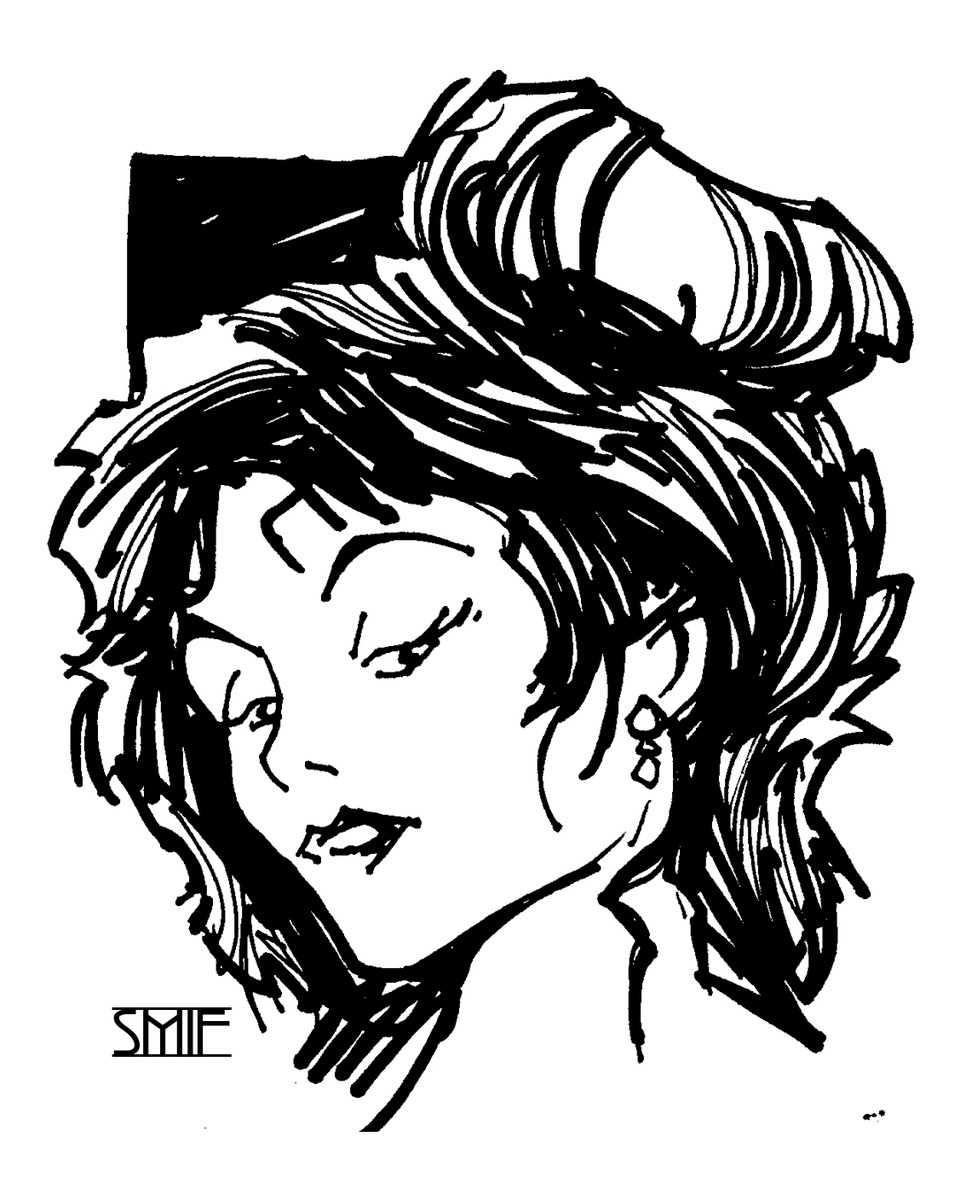
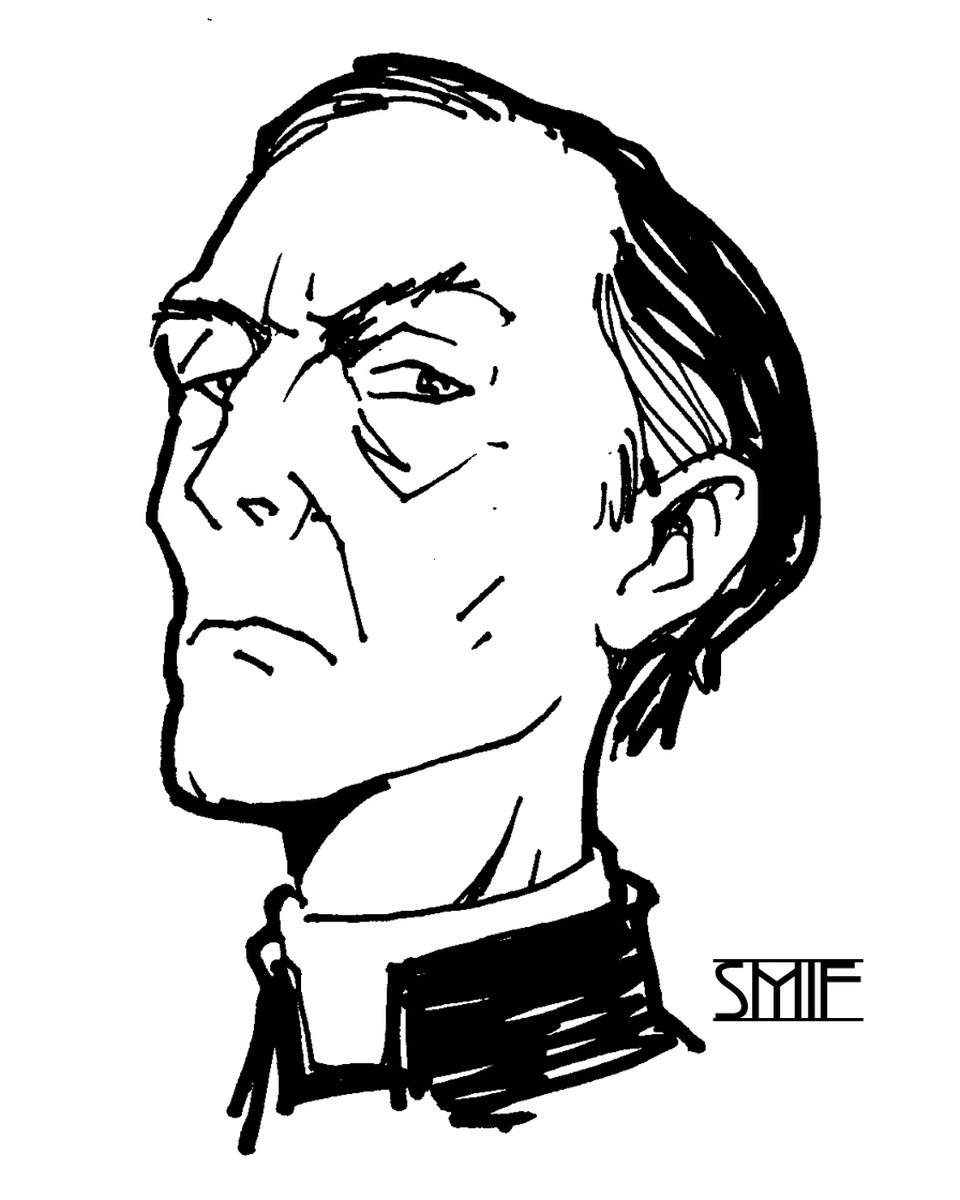
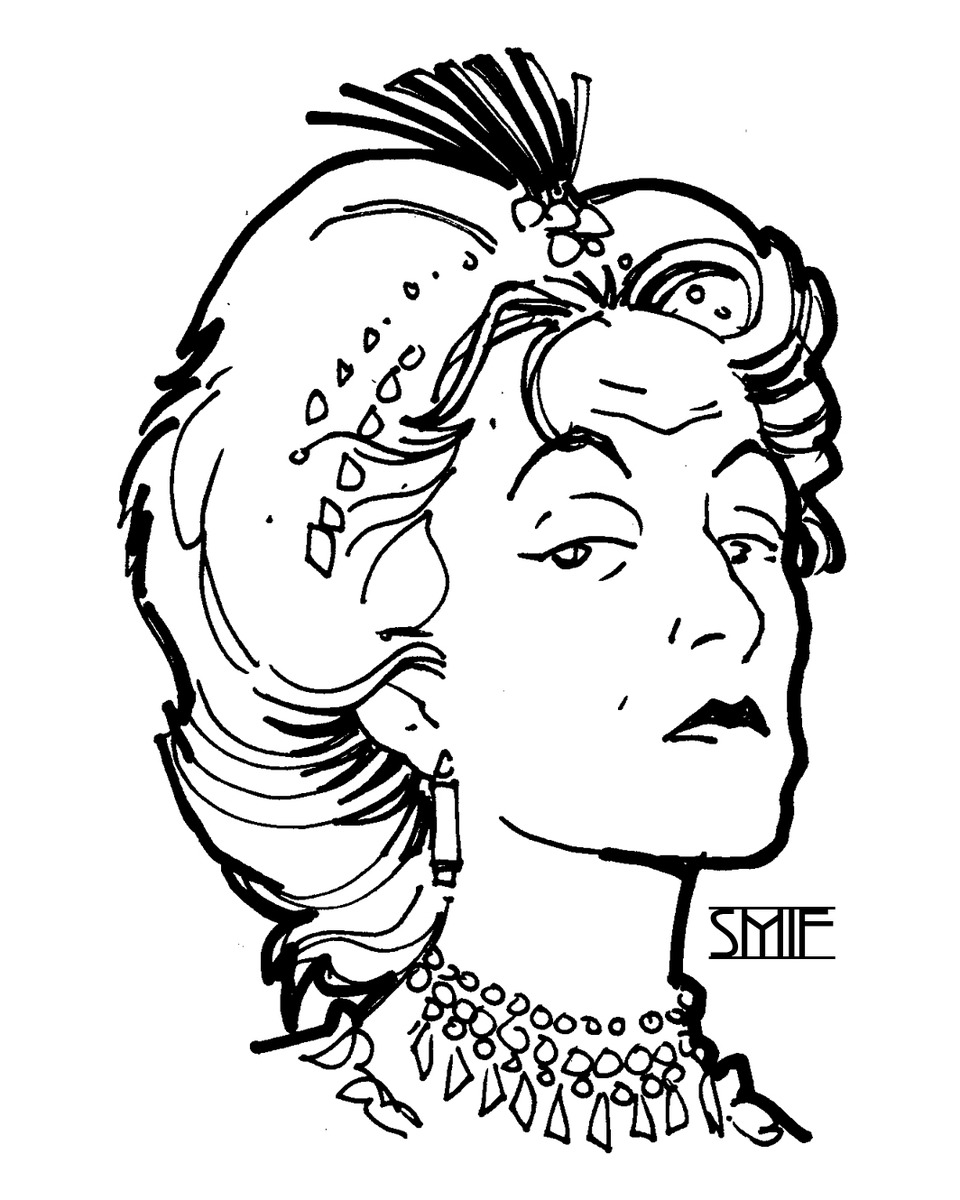
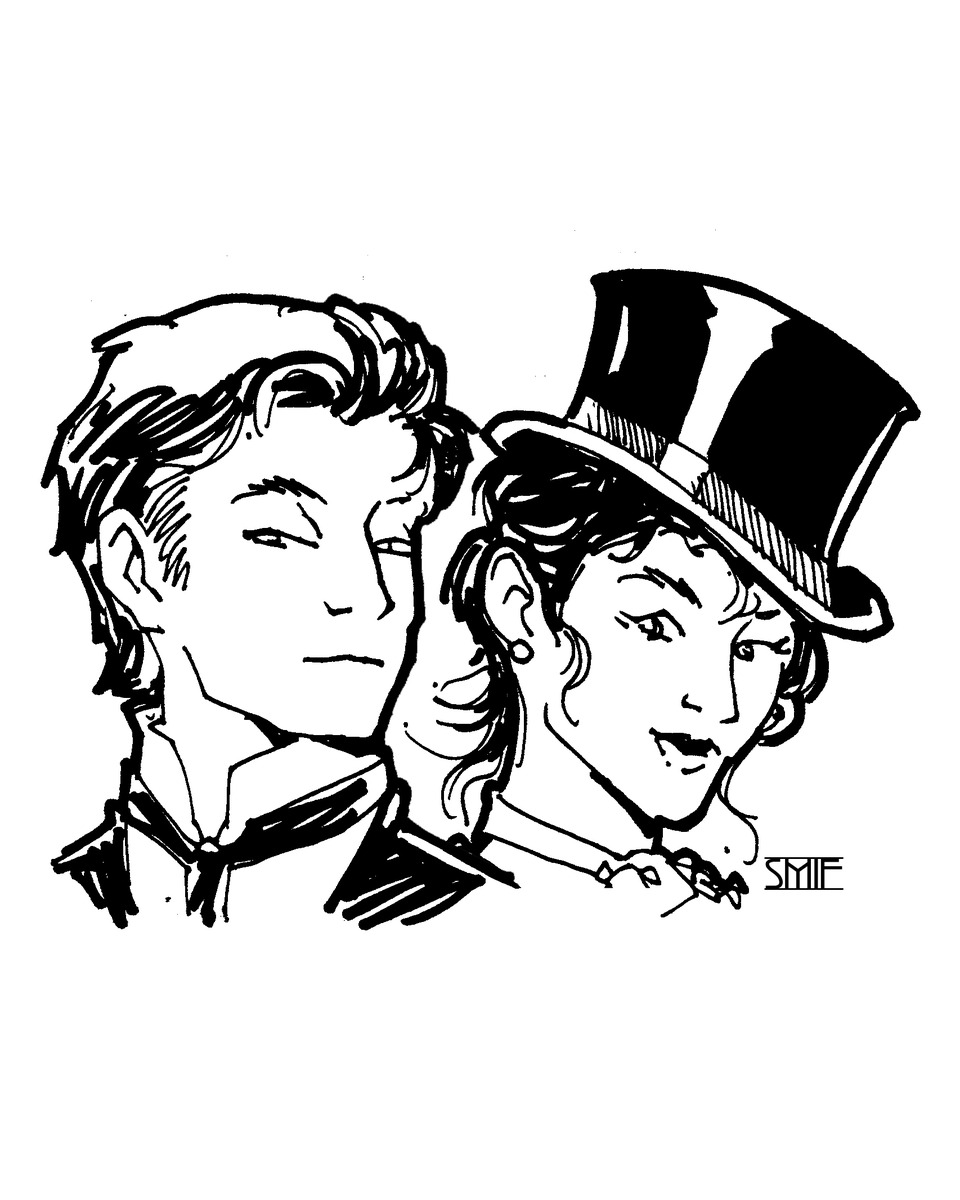
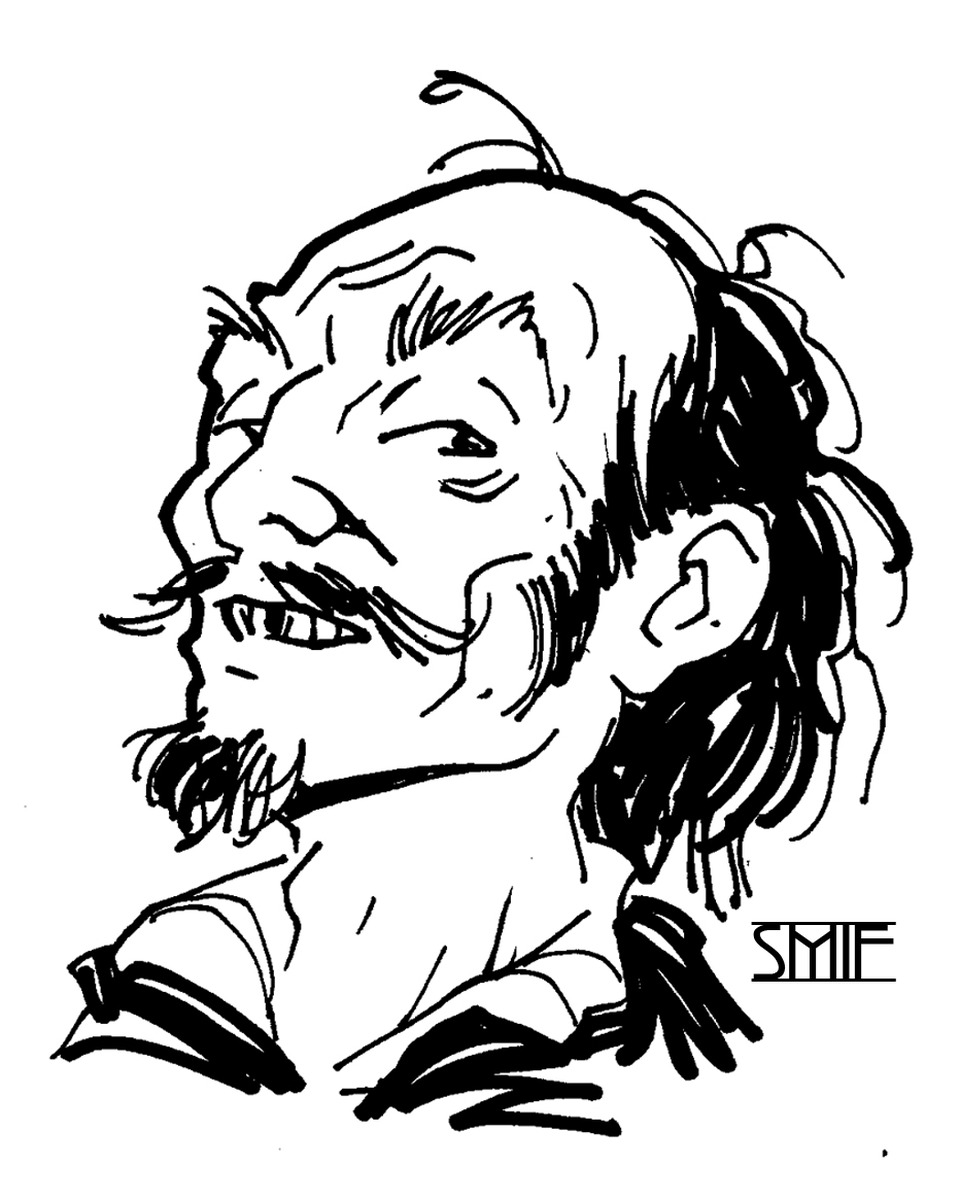
Cruikshank Manor kept its Thursdays as it always had. Lady Lavinia held her weekly séance for the Colonel's late wife, and the usual company assembled in the drawing-room against a raw autumn evening; and, as was likewise the custom, the Colonel had set out his decanter of port by way of welcome for Dr Quill, who arrived that night upon his ordinary rounds and, having a physician's regularity, poured himself a glass.
A little after eleven o'clock he was found in the small library off the drawing-room. Dr Tobias Quill sat upright in the wing chair, his port glass drained at his elbow and his hands folded composedly in his lap, for all the world a gentleman who had chosen the quieter room. There was no mark upon him, and no disorder to the room whatever. A coroner's eye — and the eye was, in life, his own profession — would have read the matter at once: an overdose of laudanum, taken in the port.
Someone, however, had been at pains after the fact. Across the folded hands lay a single white chrysanthemum, plucked from the drawing-room bowl; and his spectacles had been set upon the side table, folded and squared, as a sleeping man lays by his own before rest. It was a considerate composition. It was not, one hastens to observe, the manner of his dying — only a flourish laid upon a plain death, the arranging of a body already at its ease.
The source was not in doubt. The port decanter stood upon the Colonel's sideboard as ever, and Quill's glass alone carried a bitter residue; the other glasses of the evening were clean. In the doctor's own bag — which he carried always — stood a laudanum bottle very near empty, and it was no secret in the house that he dosed his own nerves from it. Only one who knew his exact tolerance and habitual measure could have judged how much would finish him and yet pass for his own excess; his intimate knowledge of the drug cut, that night, in more directions than one.
The house did not want for persons of interest, nor for facts held openly. Quill was the respectable physician who kept Effie in her laudanum on his rounds, and knew her constitution and her habit better than any — both matters an open subject at table. That very week he had told the Colonel, in Effie's hearing, that upon his conscience as a physician he meant to taper the young lady off the drops and set her supply upon a stricter rein. Effie's own store had lately run thin; she had been dosing herself heavily, and her debts pressed, though she made light of both over the soup. Captain Wat Frew, for his part, had spent some months squeezing the doctor over old buried matters, and had latterly let it be known he desired a hand in the laudanum trade — Mrs Gow having overheard as much at the door.
And there was the tableau itself. The arranging of the dead into a restful composition was a manner the house associated with Cousin R, who collects and composes as other men breathe; the chrysanthemum and the squared spectacles read, to those who knew him, as very nearly a signature. Yet some remarked the flourish here was a shade too sentimental for so cold a hand.
The company's evening admits of tidy accounting. Xerxes and Aziz passed the night at Hartfield House across the city and never came; Gaunt kept to his own parish; Fifi and Zane were belowstairs in service the length of the séance, fetching and clearing, and vouched for throughout by Mrs Gow. Within the drawing-room, the Colonel sat at the head of the circle from before ten until the discovery, placed there without a break by the household and by Lavinia alike. Nan Pringle — Quill's one easy friend in that house, by her own account — held hands in the circle from its start, and both Lavinia and Mrs Gow, who brought the tray, set her there unbroken. Lavinia herself sat at the centre conducting the sitting continuously from before ten, her hands joined to her neighbours' by the whole circle's word. Wat arrived late and stood at the drawing-room door, admitted by Mrs Gow at half past ten, and was in her sight or the company's from then to the end. Cousin R kept the edge of the circle, where the company place him; he was also the one who found the doctor and gave the alarm. Only Effie moved: she stepped out of the circle more than once, 'for air,' by the company's own telling, into the drawing-room and the rooms adjoining.
So they left him: the doctor upright in the wing chair, his glass drained, a white chrysanthemum resting upon his folded hands and his spectacles laid by like a man merely taking his ease — while in the next room the séance went on seeking a different departed soul entirely.