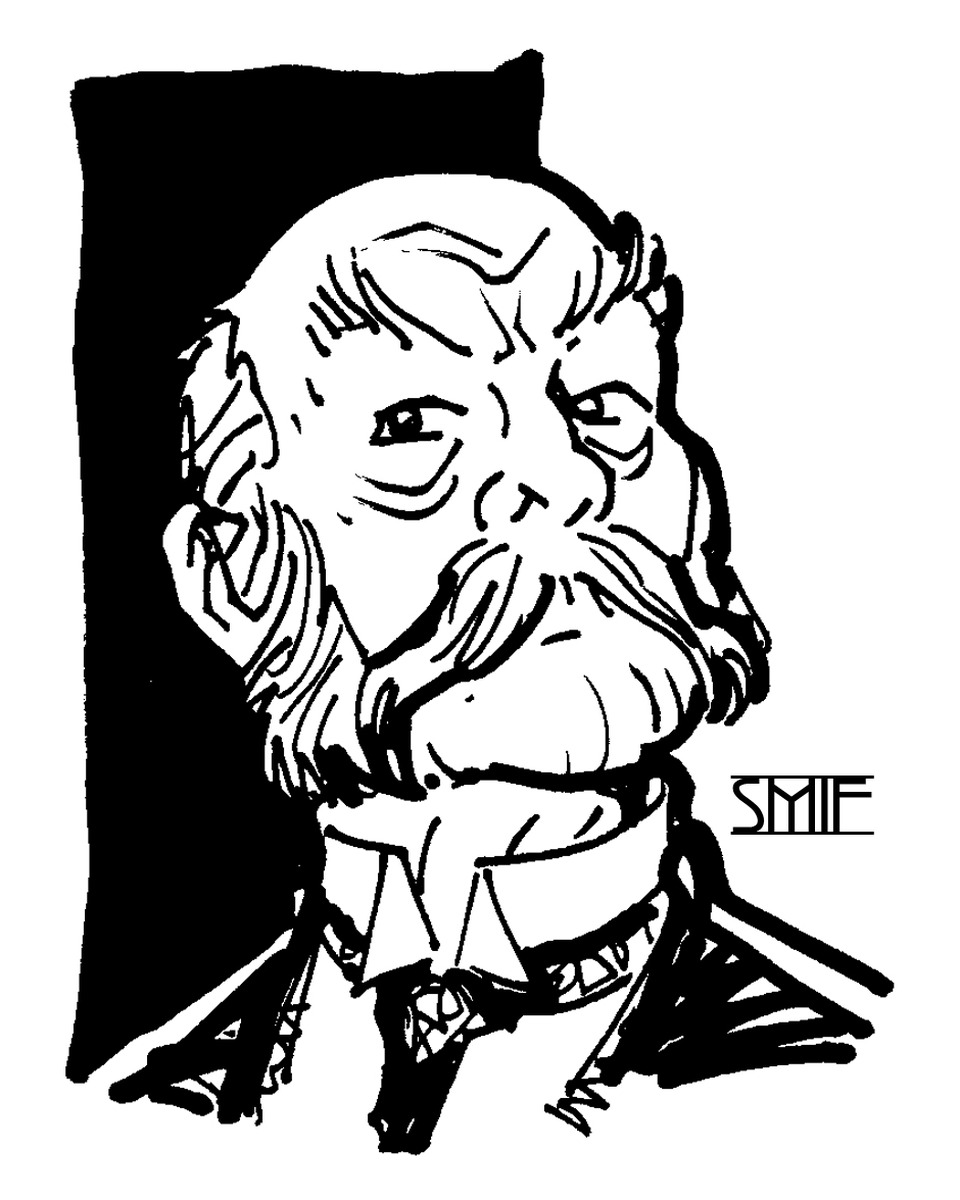
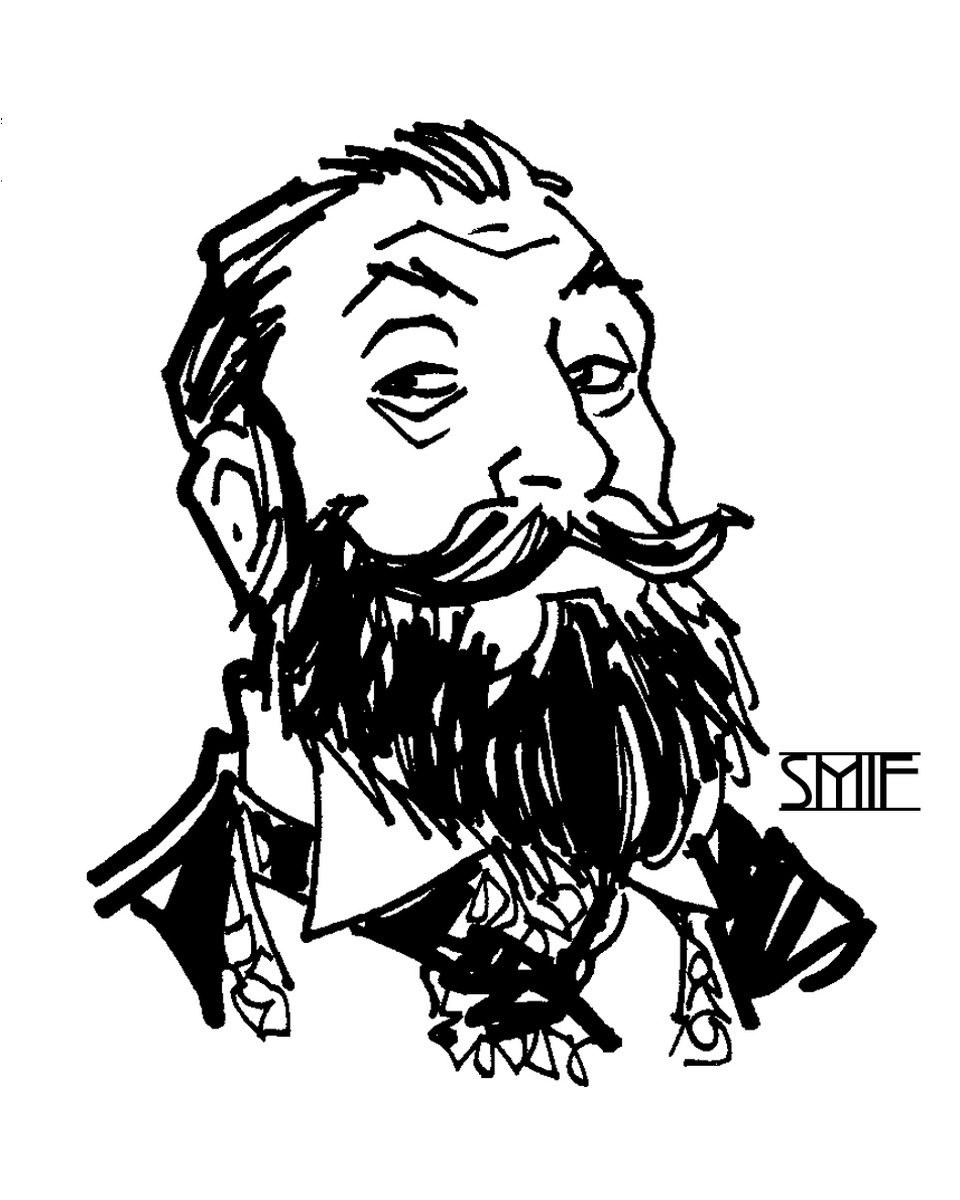
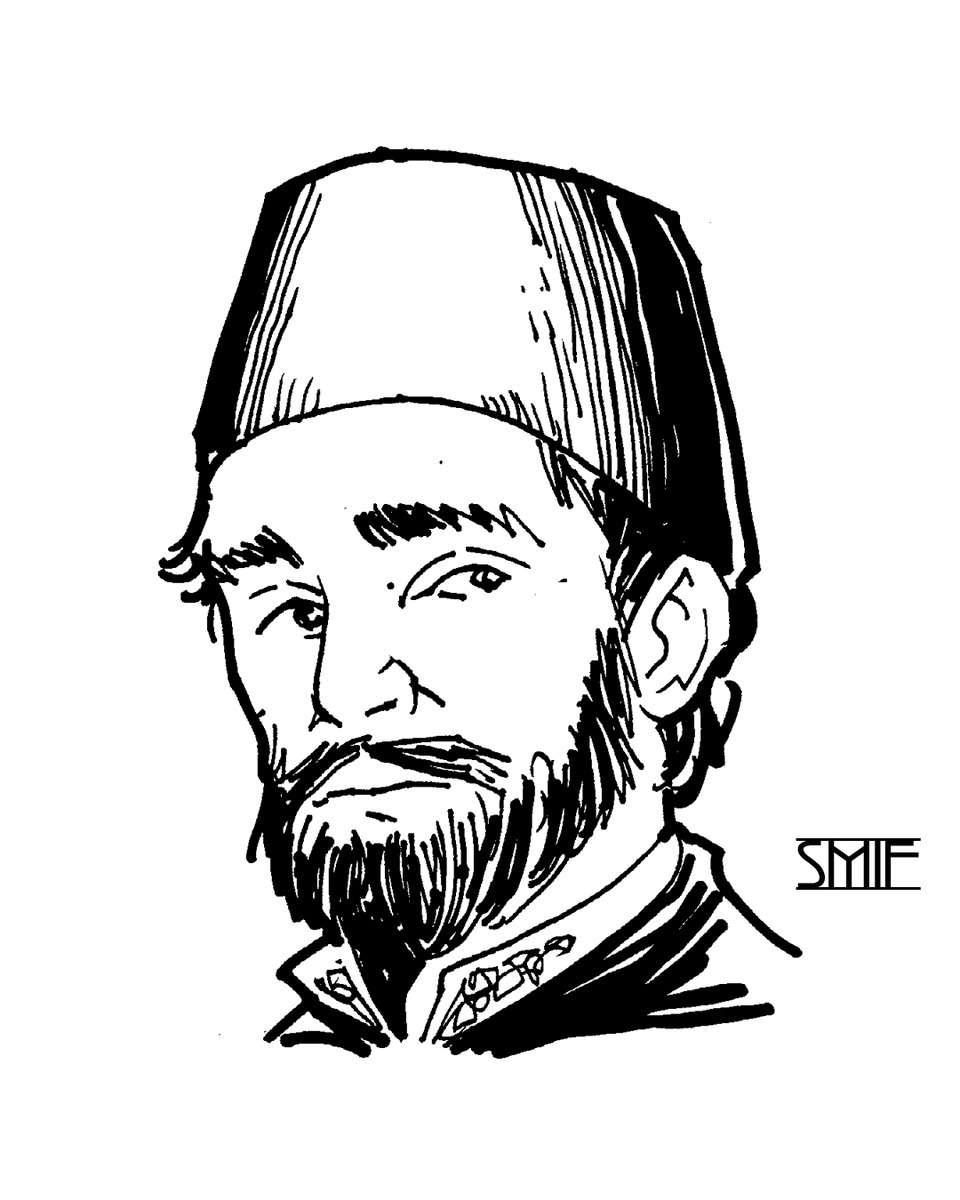
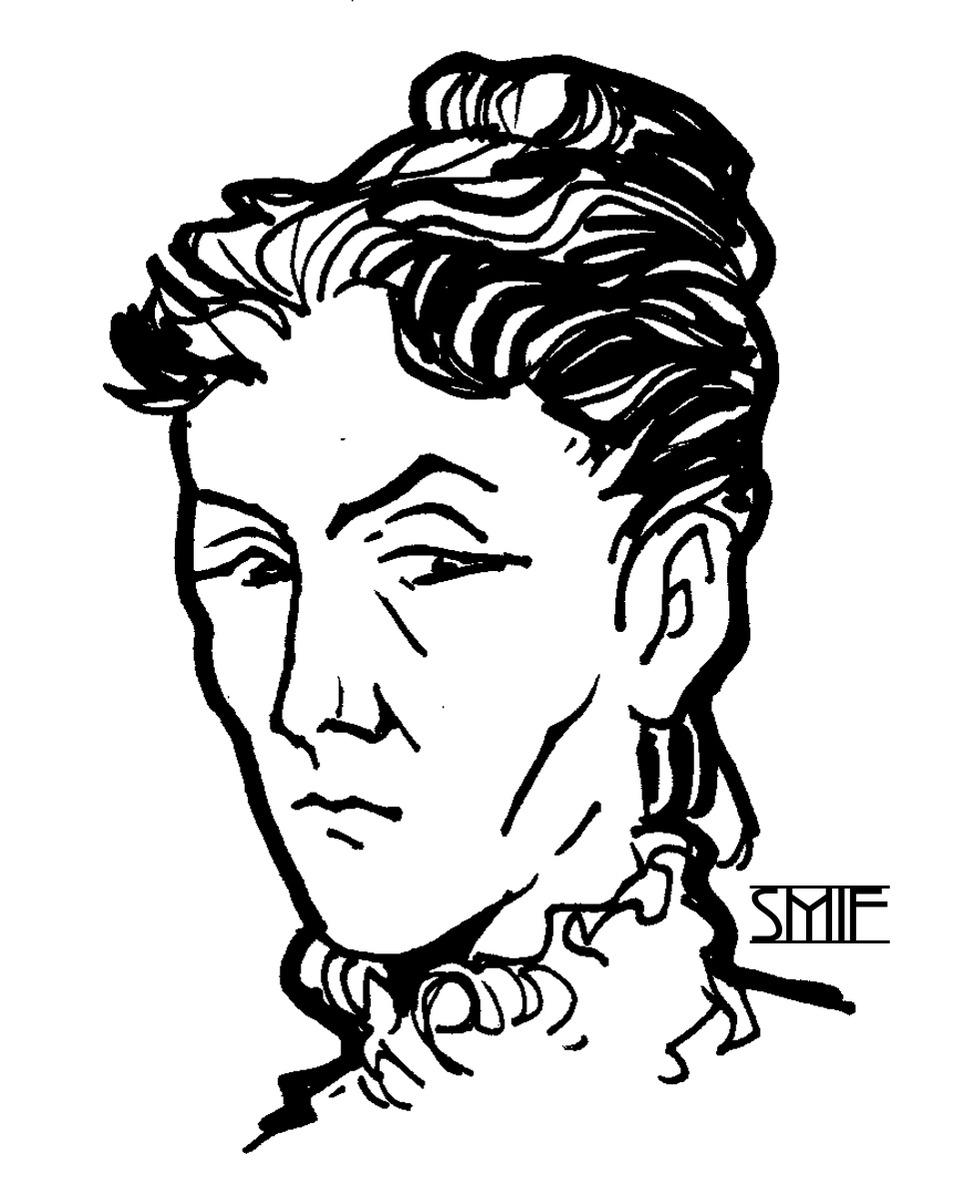
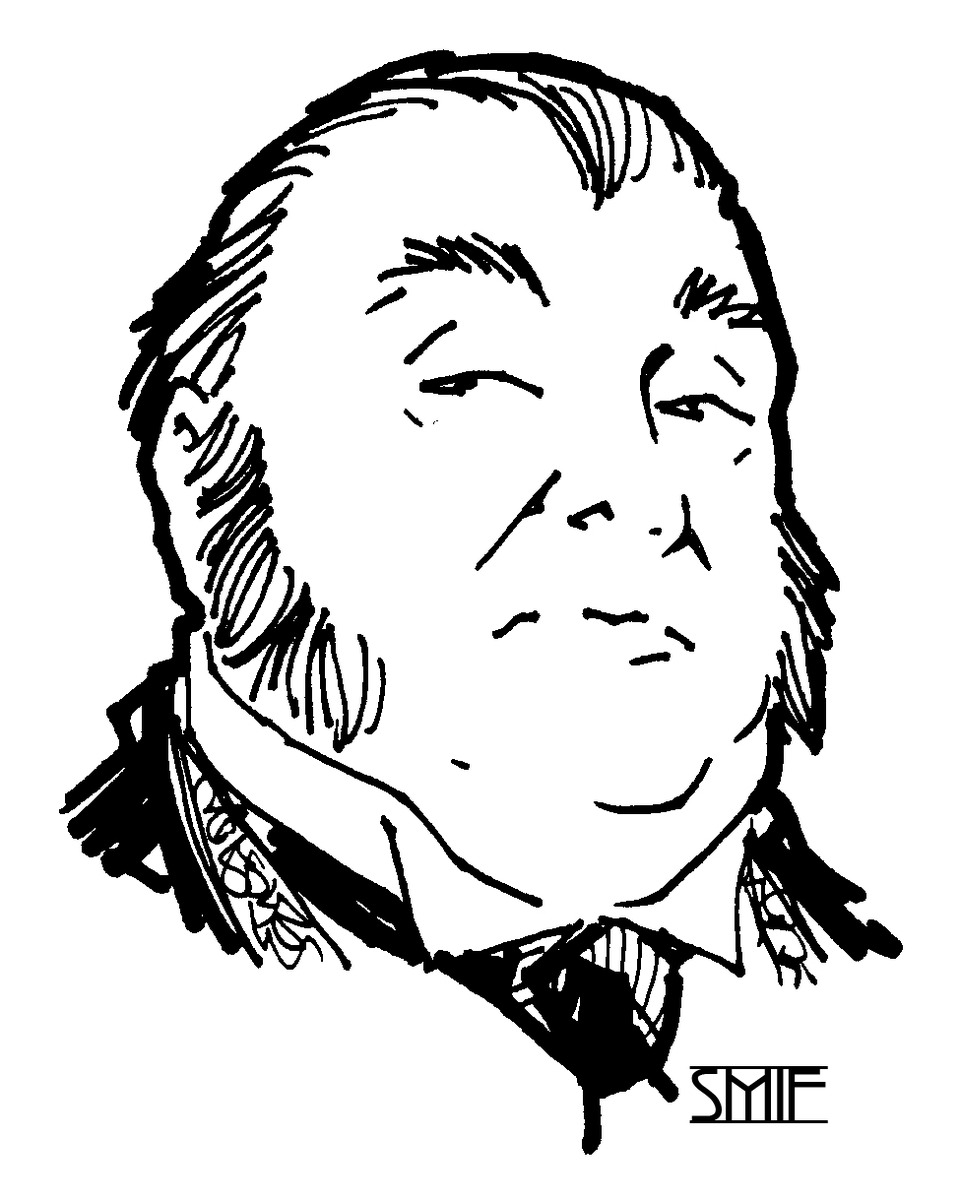
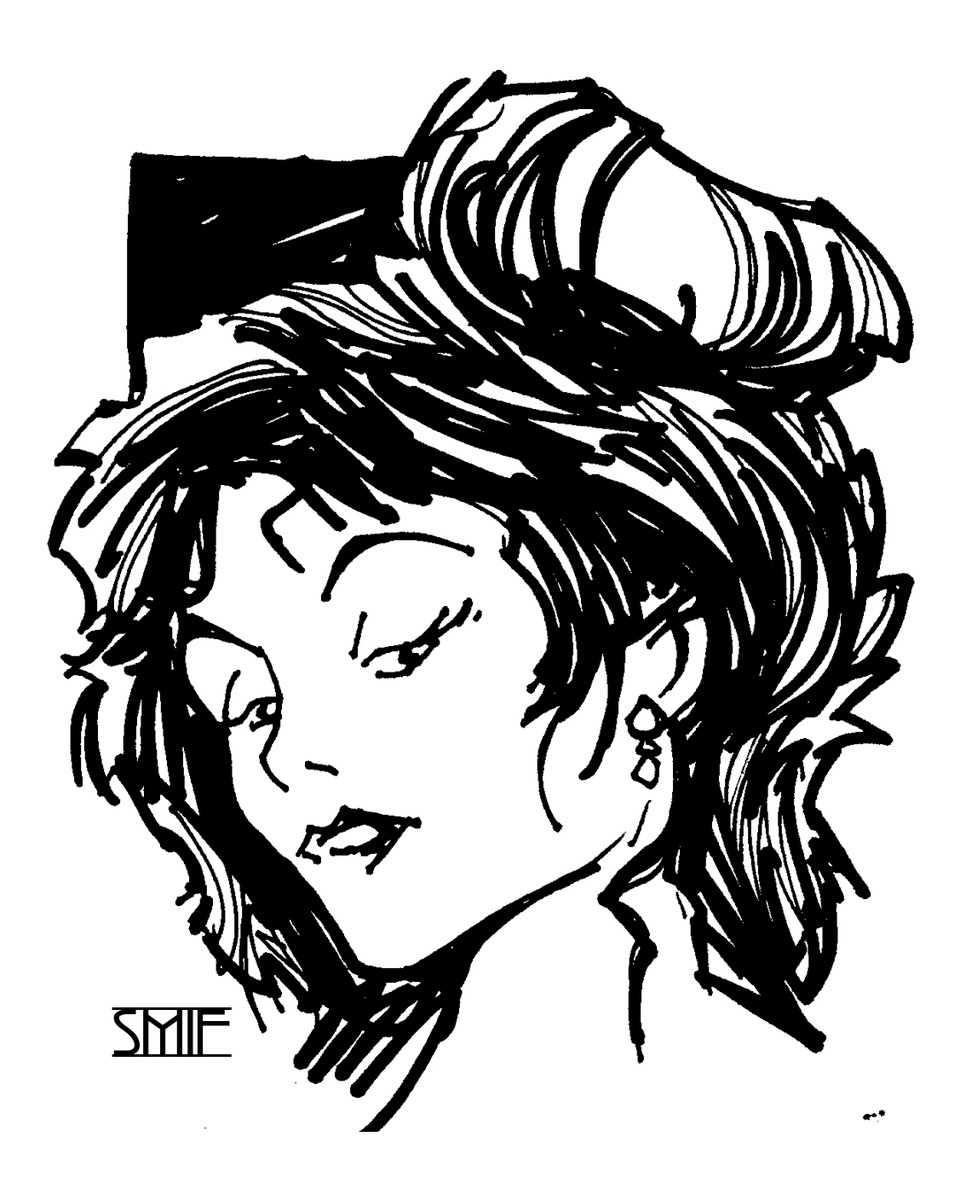
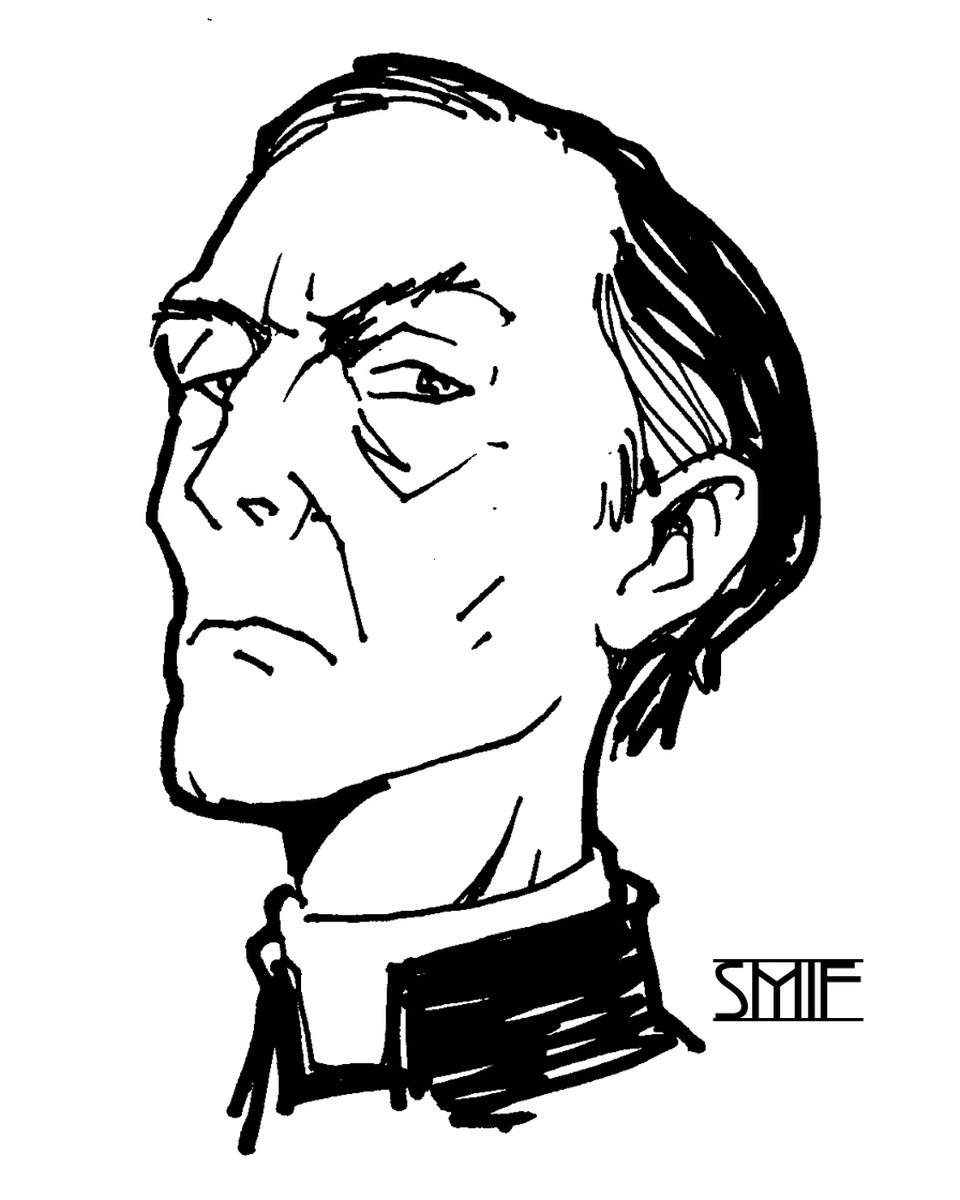
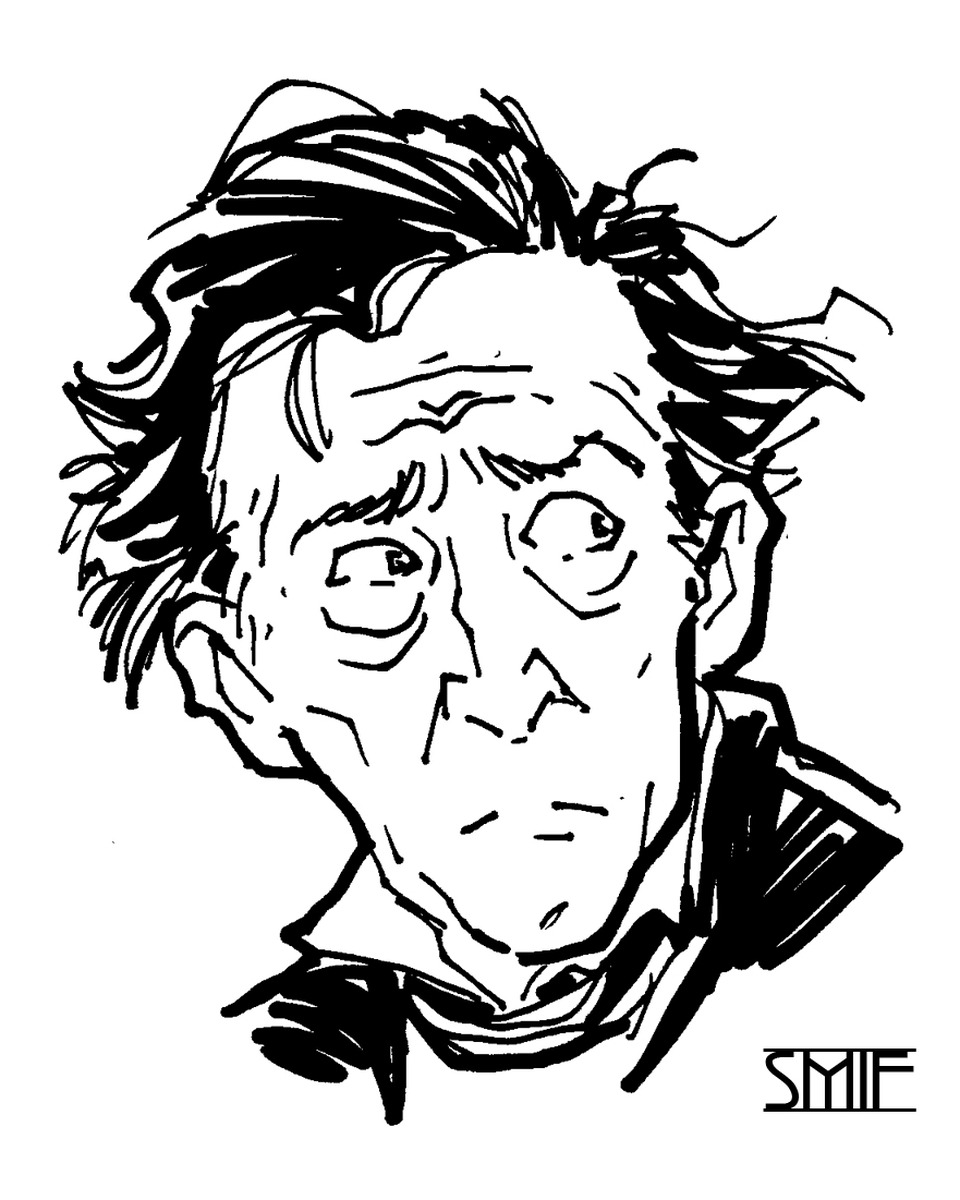
It is a settled fact of Cruikshank Manor that the standing whist rubber wants a fourth, and that the wanting of a fourth is the whole of one's passport past the door on a quiet evening. On the raw autumn night in question the company had gathered in the card-room upstairs, above the flagged hall, and above the gallery stair — that poorly lit turn which has, this many a year, borne a certain name.
Lavinia was found at the foot of it, gone eleven o'clock, having plainly pitched from the turn above. The neck was broken. There was no blood to speak of; the injuries were all of the fall — which is to say the stair had done to her precisely and only what a stair may do. She had carried a lit chamber-candle, and it lay guttered three treads down, having descended, one supposes, in the same manner as its mistress. She had been going alone to the hall to fetch her shawl, the card-room having grown cold.
The stair, examined, told a tidy little tale. On the third tread from the top a loose stair-rod lay skewed from its brackets, and the carpet was rucked there in the very way a foot might catch. This was less remarkable than it might have been, for a rod had worked loose in that same spot the previous winter and been mended. What gave a thoughtful person pause was the manner of the looseness: the rod's pins had been drawn — not worked out by wear, but drawn — and they were found upon the tread, set aside in a neat row, as a careful hand sets things aside.
No weapon of any kind was found, nor any mark upon her but the fall. The Colonel's coroner-friend, a man of few adjectives, observed that the death was consistent in every particular with a simple accident on a bad stair. He did not comment on the pins, that not being his office.
There was, however, a man's damp bootprint on the gallery runner at the top of the stair, toe pointed toward the descent — this though the card-players had not left the room since play began. The night was wet; the yard ran with rain over its cobbles, and any soul who crossed it came in with damp boots.
Lavinia was a fixture of the house, come weekly to sit for the Colonel's late wife, and welcome on off-nights at the whist for company. She was known, above stairs and below, as a keeper of confidences — a reputation so entire that more than one guest had paid her handsomely to keep his. Her reticule, recovered beside her, bore this out. It held a folded sheaf of small papers in her own shorthand: initialled memoranda, one per name, of things told her in confidence. One leaf bore the initials W.F. and a figure struck through twice.
The initials were not difficult to place. Captain Wat Frew, coastal trader and free hand with a cargo, was received at the Manor when the table wanted a fourth, and had for some months paid Lavinia a standing sum to hold her tongue upon the movements of his trade. Of late he had pressed her to take a lump and be done; she had refused him, remarking that a fixed thing was worth more than a spent one. Only the afternoon before, she had told the Colonel — in Nan's hearing — that she meant after supper to have "a plain word with the Captain about his accounts."
Wat had indeed been the invited fourth that evening. But he rose from the table before the fatal hand, saying he must see to his gig in the yard; belowstairs did not have him in their sight for that quarter-hour, and he re-entered by the yard door with wet boots.
The rest of the company sorted themselves with less ambiguity. Nan Pringle, the Colonel's poor relation and his partner at the rubber, sat the whole of it: four hands vouch her presence unbroken from the deal to the alarm. Effie Strange, the Colonel's bright young heir-presumptive, made up the fourth of the onlookers by the fire and did not quit the room. Below, in the pantry, Zane the footman had been decanting port from half past ten with Mrs Gow and his sister Fifi the housemaid — his twin — who was laying the supper-tray; Mrs Gow vouches that neither left her sight until the cry brought them all up. That Zane's attachment to Lavinia was quietly known below stairs, and that he had lately fretted she was careless with it — as that Nan had long carried a silent regard for Zane — belongs to the parish of gossip and not, so far as anyone could show, to the parish of the stair.
Of the manor's other familiars, none was present at all. Xerxes and Aziz dined at Hartfield House and stayed the night; Cousin R and Dr Quill had sent their regrets and were in town; the Reverend Simeon Gaunt kept his own vigil at the chapel. All were vouched elsewhere.
So it rested. On the third tread, the pins in their tidy row. Below them, the guttered candle. And on the hall table, under the Colonel's lamp, the sheaf of initialled papers laid open.