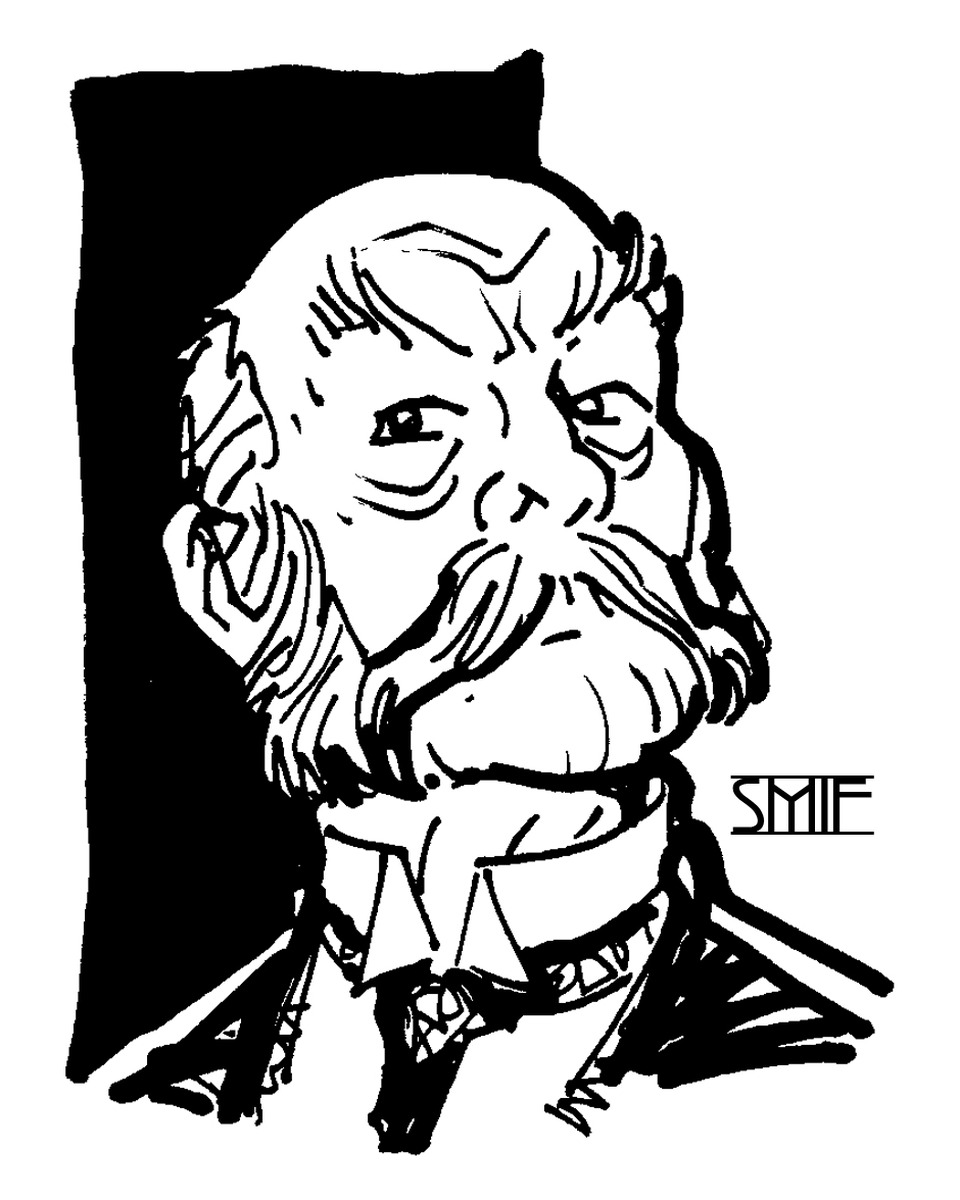






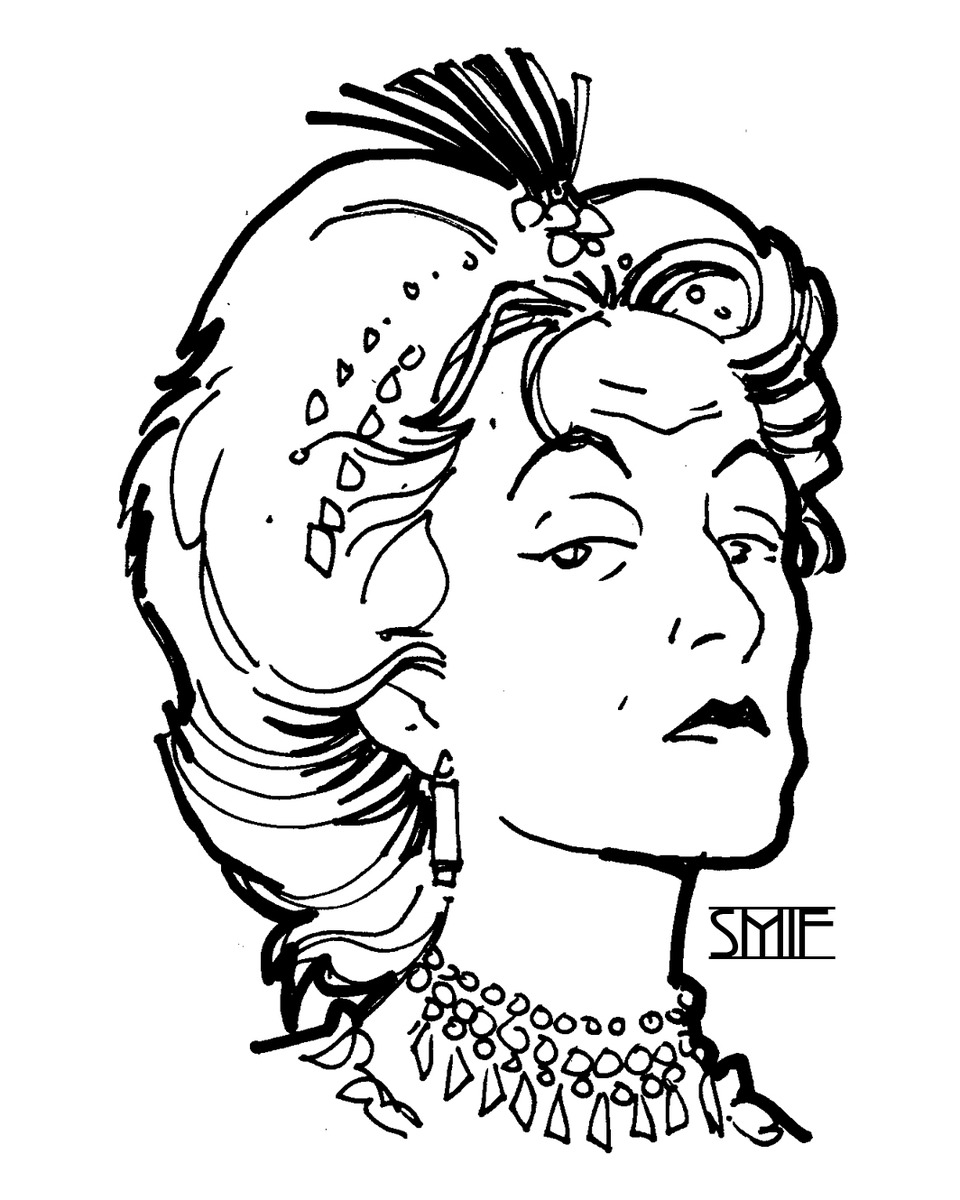

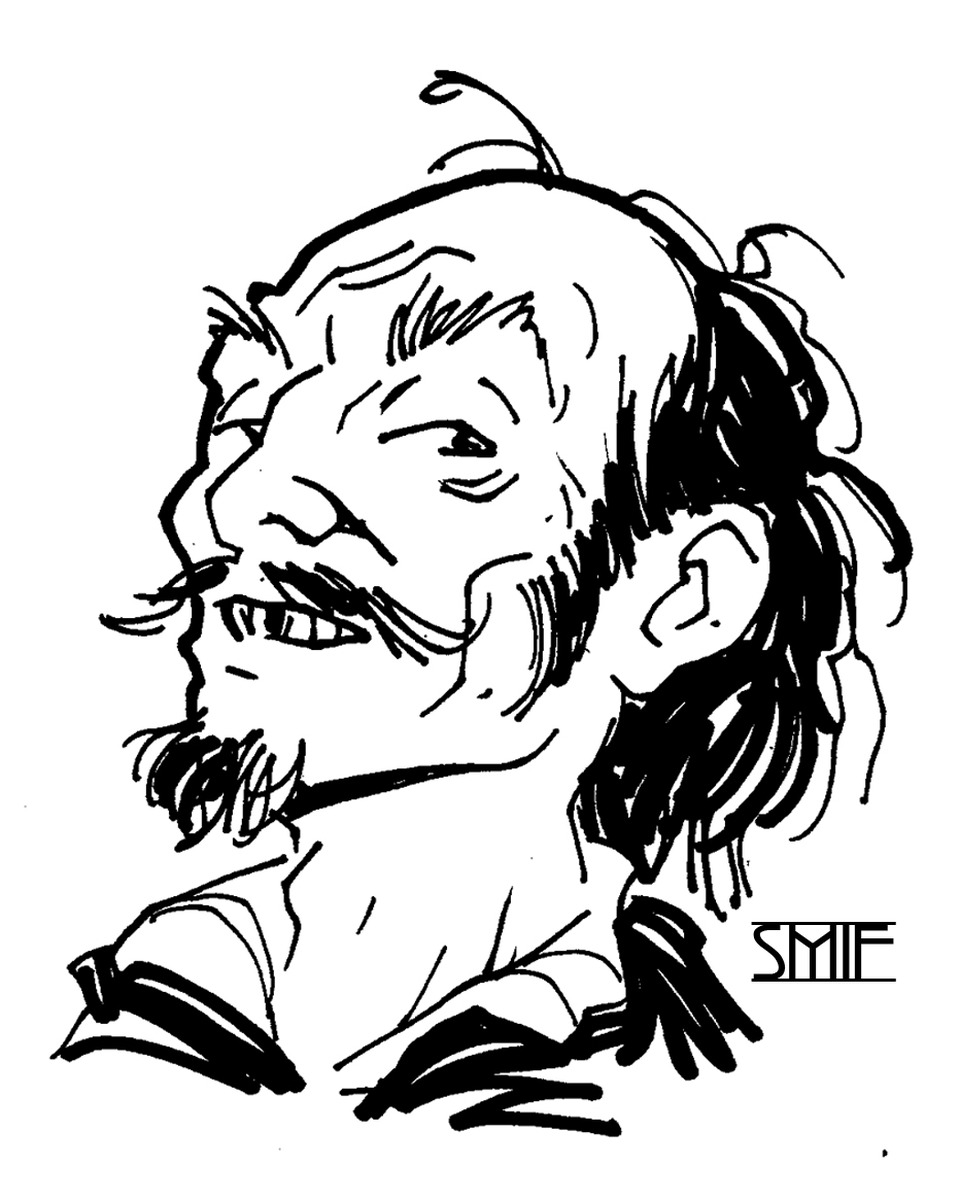
Captain Wat Frew sailed on the morning tide, and Colonel Cecil Cruikshank, who observed the forms of hospitality as a martinet observes a parade, had laid on a farewell supper. Half the table was privately relieved to see the guest of honour go, and one or two would confess, if pressed, that they were quite as relieved by another departure entirely — for it was in the small library off the dining room that Cousin R was found, seated in a low chair, having collapsed there during the supper hour.
Who Cousin R was, precisely, no one at Cairnholm could say. He orbited the Colonel; he possessed no surname anyone could supply; and he had a way of watching a person until that person felt read to the last page. Several at the table admitted, afterward, that they were glad of any evening his cold attention rested elsewhere. He carried always a small case of pinned specimens — beetles and a moth beneath glass — which he kept immaculate, and which he composed as another man composes his watch. Each creature, he liked to explain, had been caught at the very moment of its expiry and fixed so, at its most beautiful; he spoke of a body as a thing to be composed. That case now sat on the side table beside him, catching the lamplight.
Twice at table he had complained — of a tightness in the chest, of a numbness travelling the arm — and twice he had waved off concern, for he did not care to be fussed over. He had risen and withdrawn to sit quietly, and the company, respecting a man's wish for his own company, let him go.
Dr Tobias Quill, who is the ablest hand with a draught in Cairnholm and the most easily frightened, rose when R withdrew and went to look in on him. He gave the cause as a failure of the heart, and, as coroner, confirmed his own finding: no wound, no violence, nothing taken by force. R had simply collapsed, alive, and had not been helped in time.
There would have been time. On the mantel of the small library stood a phial of Quill's own heart drops — a few beneath the tongue will steady a failing heart — kept ordinarily in the physician's bag, which he had set down there on arriving. The phial stood with its stopper out. Beside it stood the little glass, dry and unused.
The door between the small library and the dining room stood ajar. And a second chair had been drawn up close to R's, as though someone had sat with him a while.
The house, meanwhile, could account for itself with tiresome thoroughness. Fifi and Zane, the Colonel's maid and footman, worked belowstairs and in the dining room through the whole hour, and Mrs Gow, the housekeeper, vouches for both continuously — in her sight or the pantry's. The Colonel himself sat at the head of his own table, carving and holding forth, and there Mrs Gow and the footman placed him without a gap. Wat was toasted and toasting the hour through, fixed in the dining room by the whole company. Xerxes Hartfield, the nabob come on business, sat beside his companion Aziz, and the two were never apart, each vouching the other. Effie Strange, the bright young thing and the Colonel's heir-presumptive, went out to the cold garden for air with Nan Pringle, the Colonel's poor relation; the two were together and vouch each other.
Lady Lavinia Loveless — the medium who sits weekly for the Colonel's late wife, and who was born Isolde Marsh — remained at table, unnerved, she said, by the one guest her art had never reached. Her half-brother, the Reverend Simeon Gaunt, a flagellant cleric, had come at her asking to say grace over the farewell board. He neither drinks nor is moved by money, and had no worldly quarrel with R that any could name; the two barely knew one another, having met only twice. Yet on each of those two occasions they had fallen into a long, quiet talk that others found uneasy to overhear — two men who plainly took death as a serious matter, though in what seemed opposite tempers. Gaunt had left the room during the supper hour and was for a time unaccounted, saying he had gone to pray.
So it stood. Cousin R sat composed in the low chair, his case of pinned specimens catching the lamplight beside him, each small creature fixed at the instant of its dying. On the mantel the heart drops waited, the stopper out, the little glass dry — every means of saving him within a few steps, and unused.