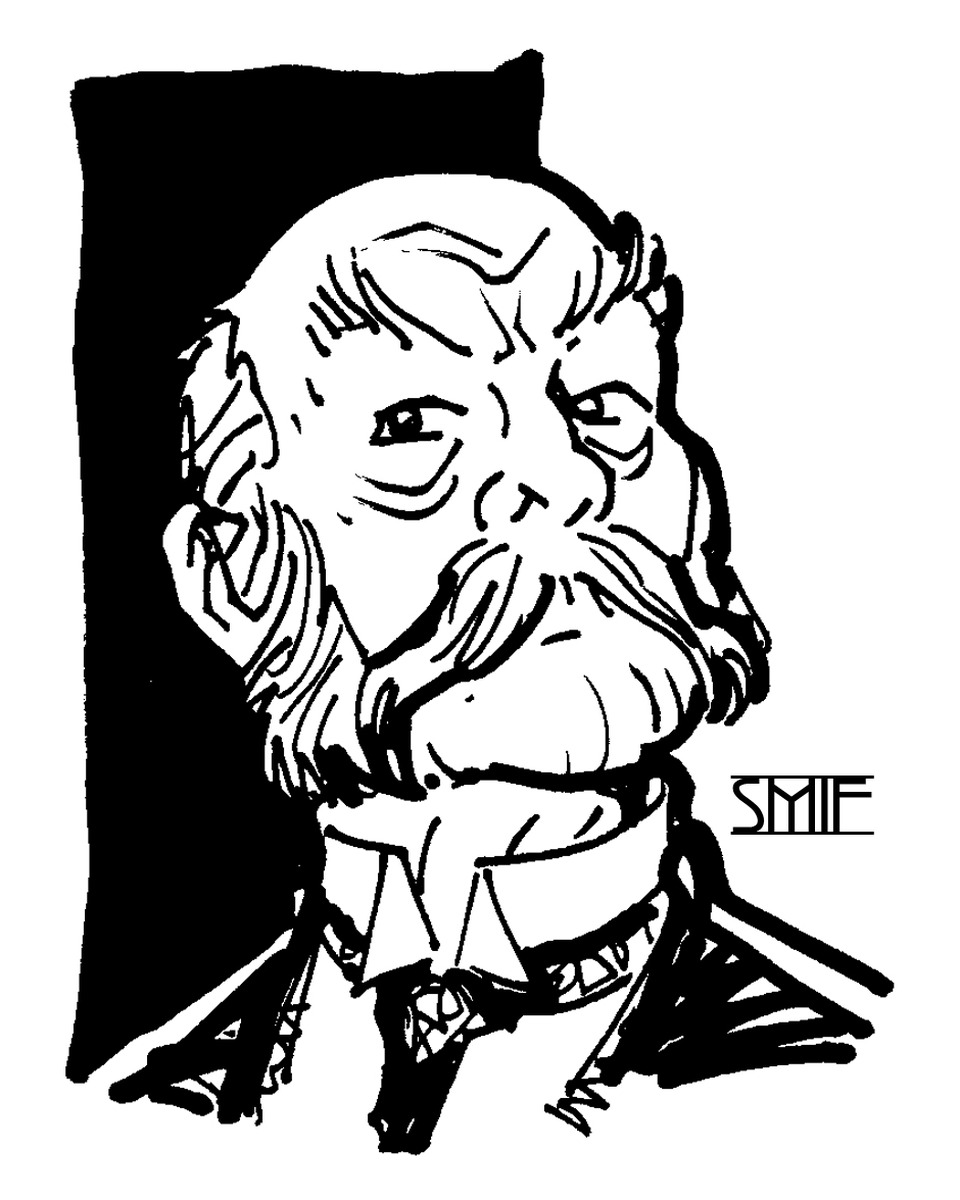
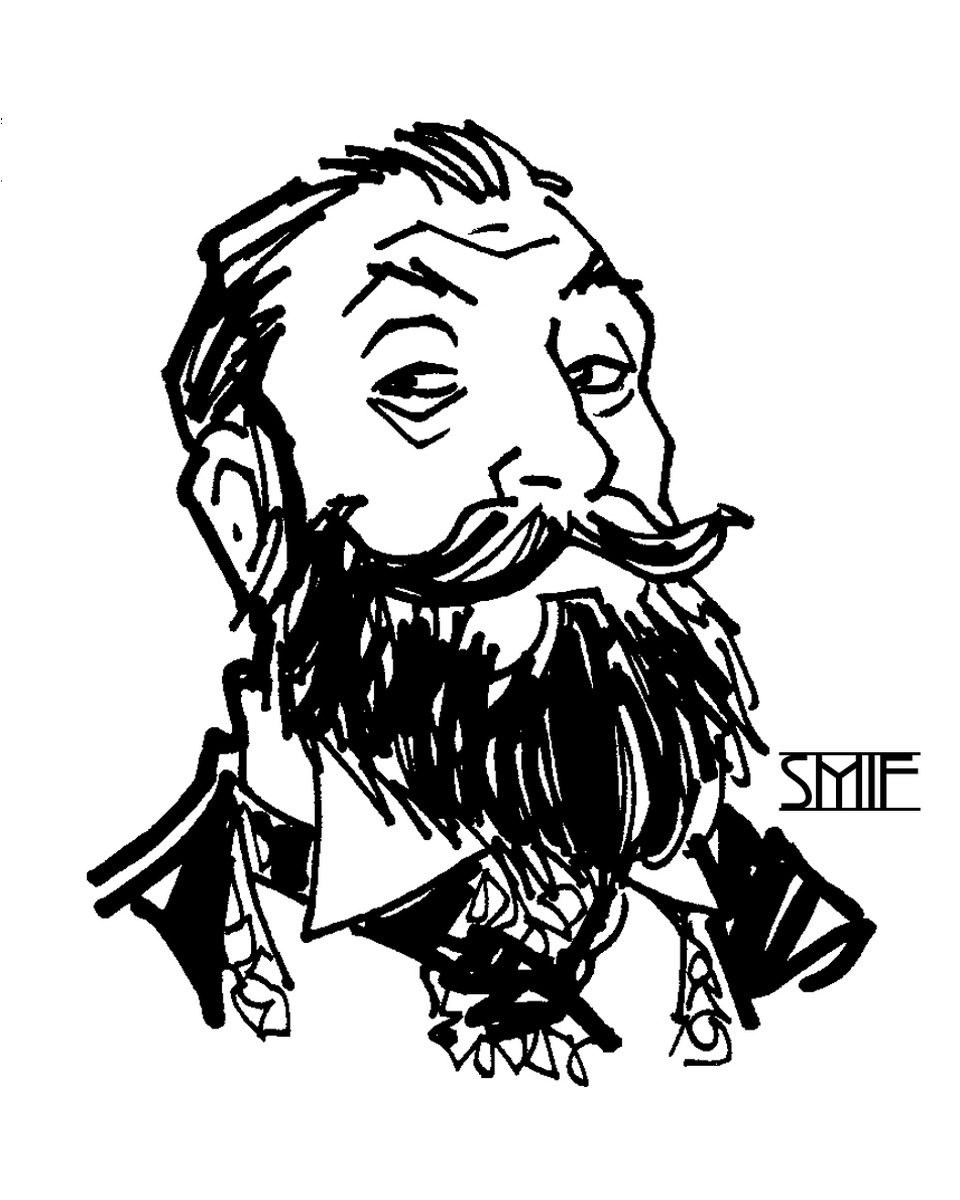
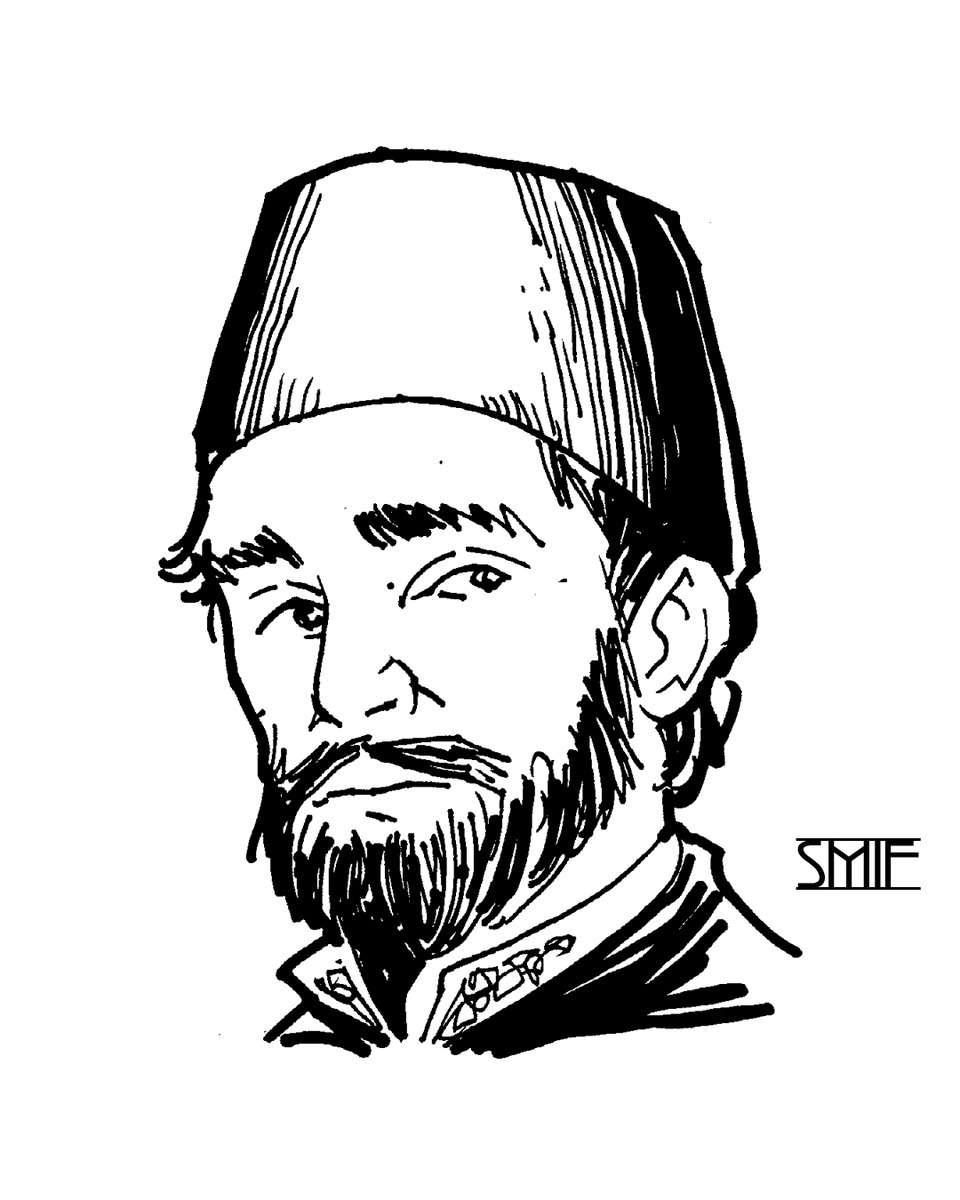
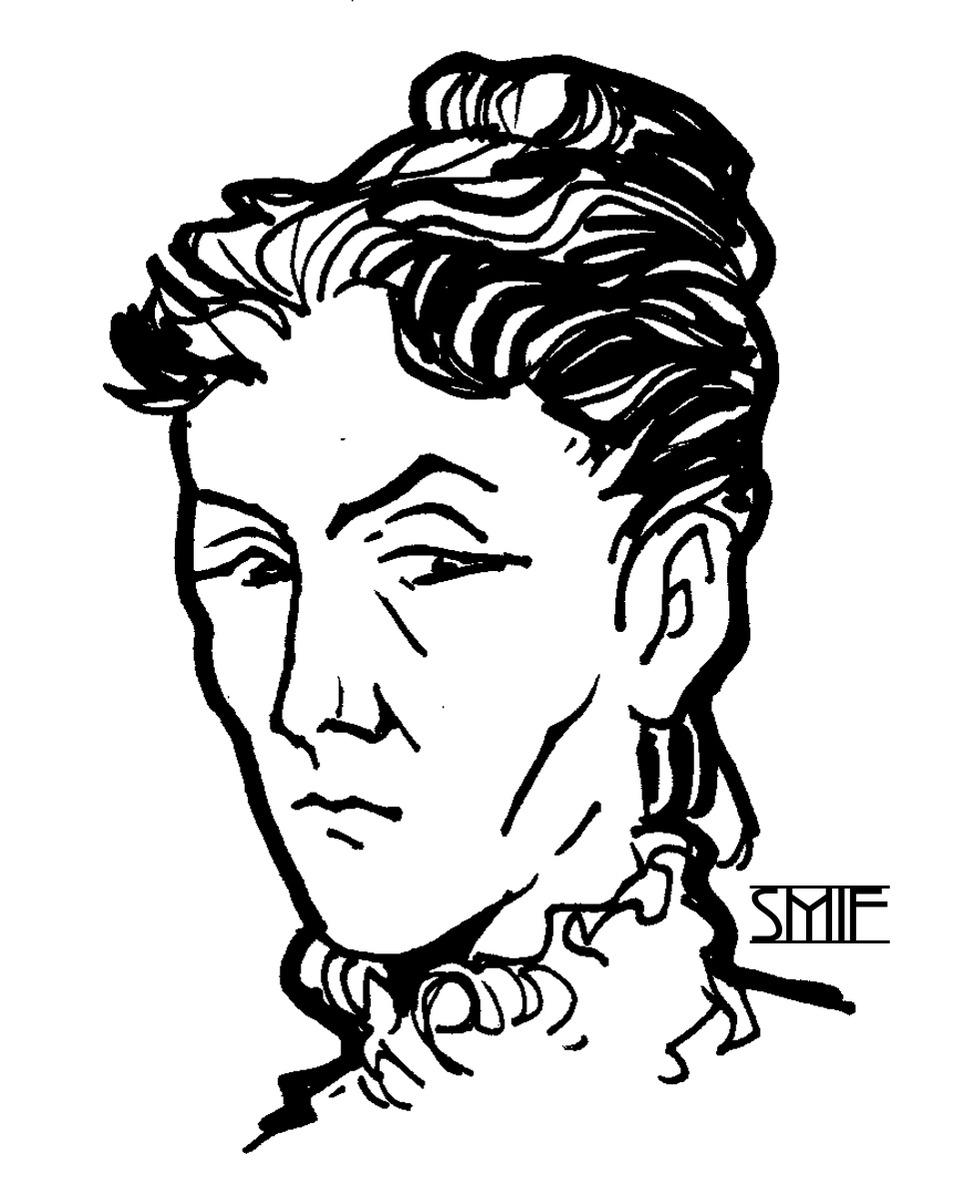
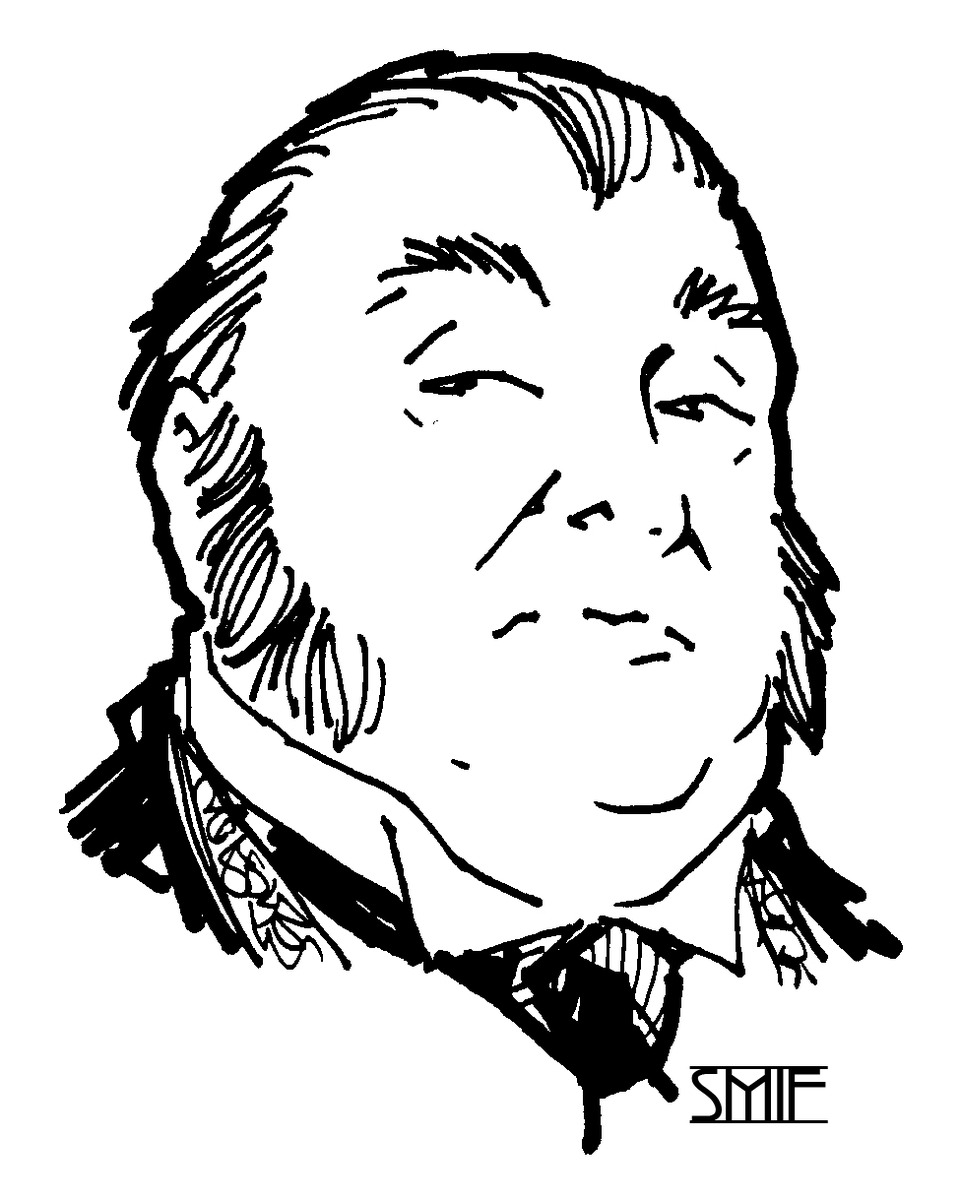
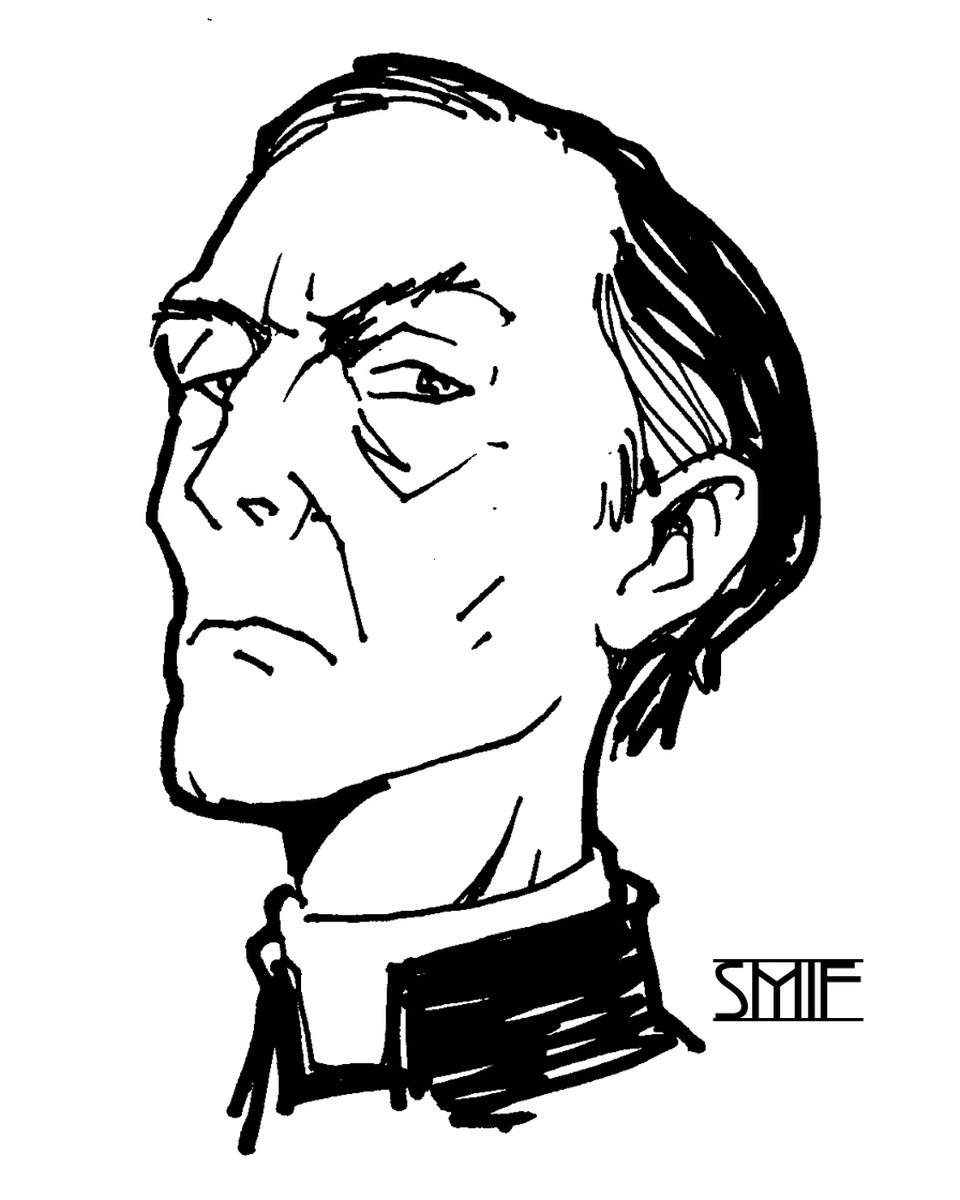

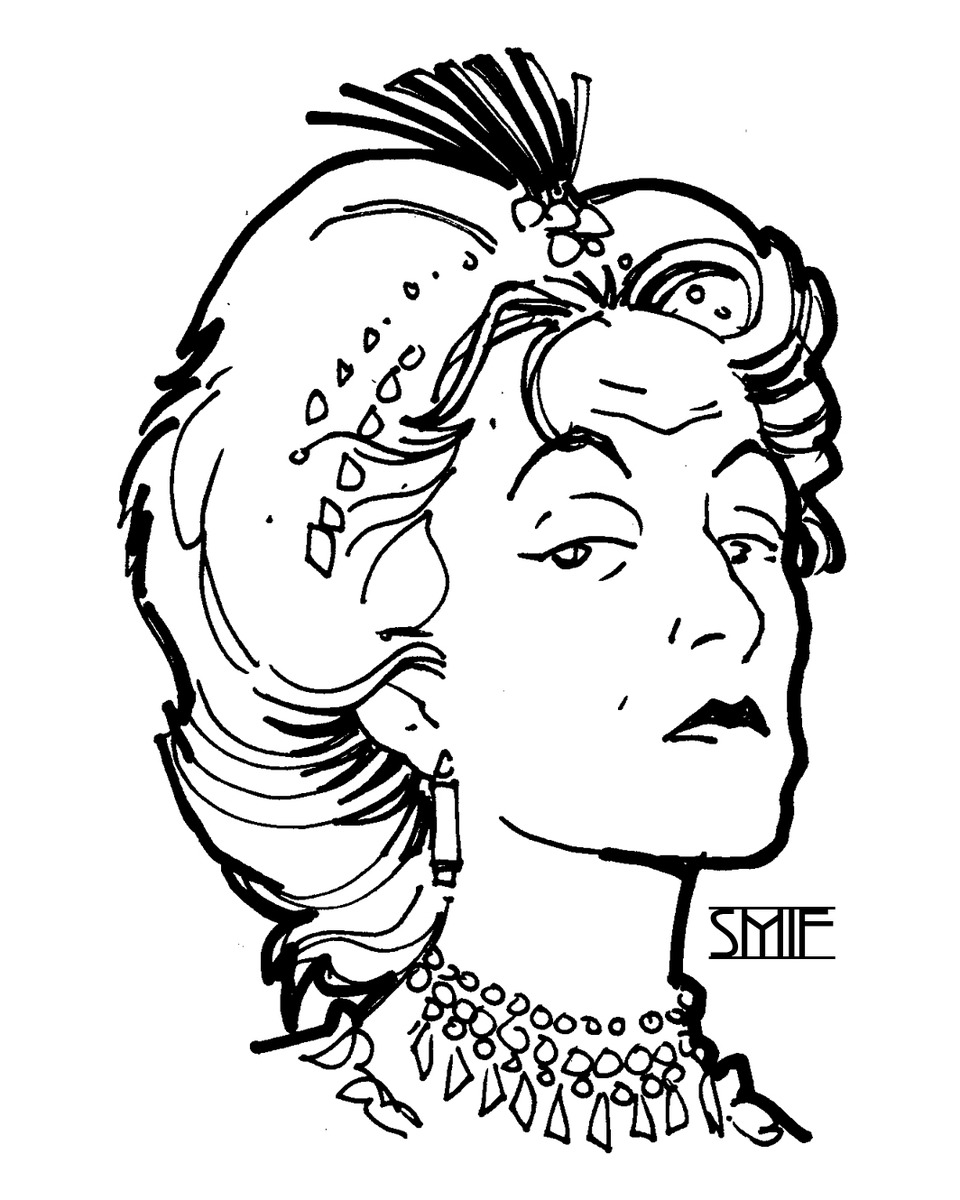
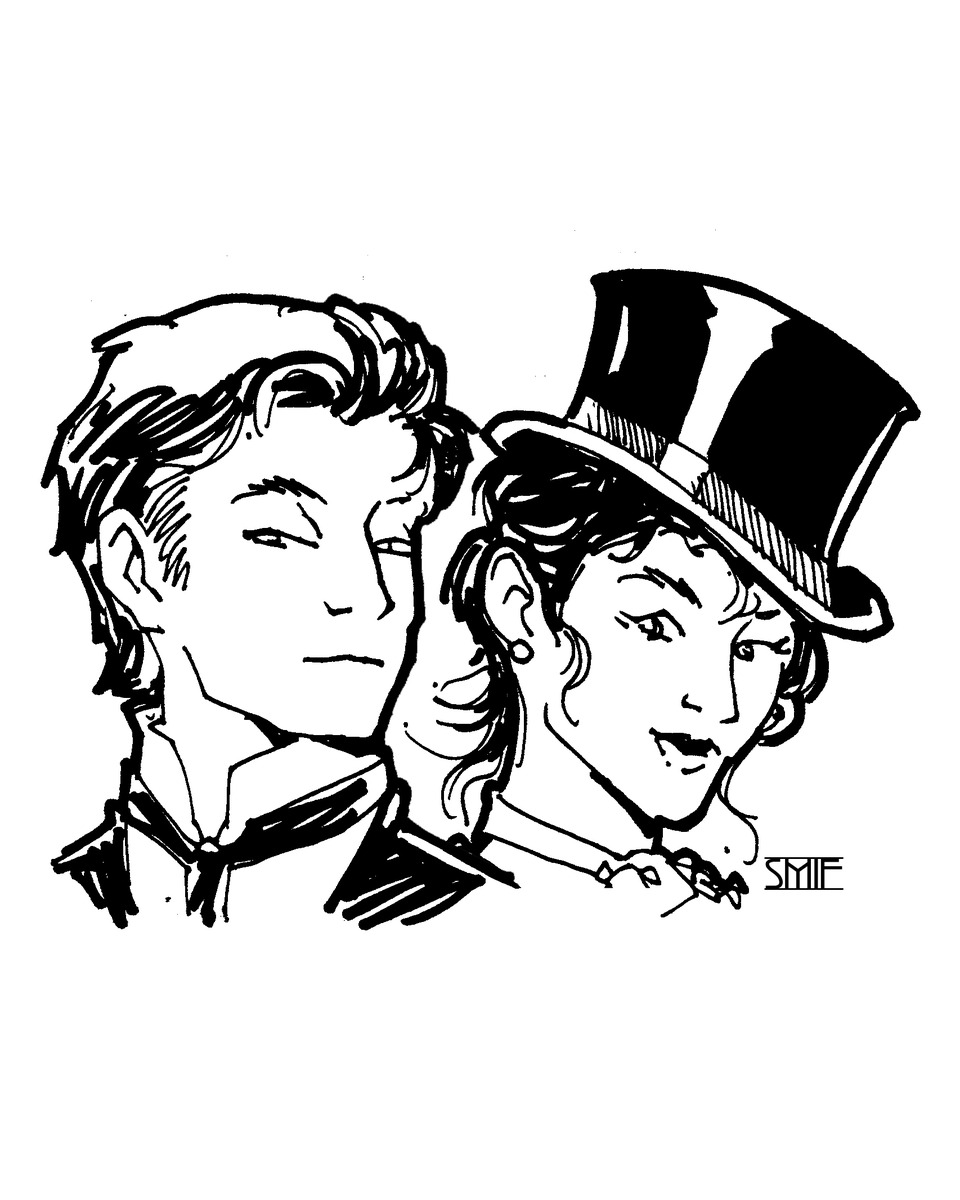
It was the anniversary of the Colonel's old action, and Cruikshank Manor observed it as it had observed it these many years: the mess silver laid the length of the cloth, the curry brought up in its great dish, and the toasts to absent friends running long enough that the absent friends might have walked in, dined, and gone out again. Colonel Cecil Cruikshank stood at the head of his own table from the soup to the alarm, upright through every toast, in the sight of eleven men. Xerxes sat beside him, having come, as he freely said, for the curry and the brandy, and did not stir from his chair. Aziz sat beside Xerxes with the emerald drop Xerxes had given him at his throat, where it had been all evening and where it still was when the body was found. Quill was at table too, and the Colonel's neighbour would afterwards vouch that the doctor never rose until he was sent for.
The ladies had withdrawn early. Lavinia had been in the withdrawing-room since 9:15, in full view of the ladies and of Fifi, who brought the coffee at 9:45 and again at 10:05, and who thought Effie a great deal of trouble for one small person. Zane kept the hall from 9:00, seated on the hall chair as he had been told to be, and from that chair he could see through the open library door to Cousin R, who was at his flower-press, and who looked up as often as Zane looked in. Nan was in the still-room with Mrs Gow from 9:20 to 10:20, counting out the mess silver against the inventory; Mrs Gow was beside her the whole hour. At the kirk, some way off, the Reverend Simeon Gaunt kept the vigil of the anniversary with two elders, who sat with him until midnight.
At the withdrawing-room door at 9:30, Effie told Lady Lavinia Loveless that she was going down to the gun-room passage to meet a person on a matter of business, and that she would be five minutes about it. She had never in her life been in the gun-room, and disliked the smell of it.
At 9:35 Captain Wat Frew rose from the dining-table and told the Colonel he was stepping out to see to a horse. Mrs Gow, who spent the evening at the belowstairs window, saw no one cross the yard to the stables at any hour of it. Wat came back into the dining-room at 10:10 with his boots dry, although a squall had come through since nine and wetted the yard thoroughly.
The passage between the smoking-room and the back stair is unlit at the best of times, and on this occasion it was unlit in earnest: the lamp had been turned out at the tap and was cold to the touch when a hand was laid on it. Effie Strange lay face down upon the runner, her cheek against it, her fan still held in her hand. She had been stabbed once in the back, from behind. The runner was rucked where she had fallen, and nobody had thought to straighten it.
Nothing about her had been arranged. Her hands were not folded. No flower had been laid upon her, no token, no text, no emblem of any kind. Whoever had been in that passage had done one thing and then gone away.
The blade was a plain gun-room knife off the Colonel's own rack, one of six alike, kept in an unlocked drawer that any guest of the house might have opened at any hour of any day. Mrs Gow could not say when it had left the drawer. She had last counted the rack at Whitsun.
A yard from Effie's hand lay her reticule, dropped rather than thrown. It held four sovereigns, a pawn ticket, and a small blue paper twist, empty, of the sort the chemists do not sell.
Quill, examining her where she lay, put the death at between 9:30 and 10:15 — which was to say, while the gentlemen were still on their feet at the toasts and the ladies were still at their coffee. He was called down at 10:25.
Slipped into the frame of the passage looking-glass, folded very small, was a page torn from a memorandum-book, in Effie's hand. It bore a column of dates running over eleven weeks, with a figure written against each, and the figures rose from six shillings to two pounds ten. Beneath them was written: "tell the Colonel where it comes from and it costs me nothing."
Her dance-card for the evening was recovered also. On the back of it were three lines of a chemist's arithmetic — a sum in ounces, a price, and the same price struck through twice and written higher.
Some things about Effie were common property in the house. She was the Colonel's heir-presumptive; the will had stood unaltered these four years and he had never spoken of touching it. She kept a ledger of his ailments in the back of her memorandum-book and made no secret of it, the household finding it a joke and the Colonel finding it charming. Her laudanum came by Quill's prescription, openly written and openly paid for at the chemist's in Kirk Wynd; his book shows the last was written a fortnight since and has not been renewed. She had been in debt since the spring, and had of late been raising money in odd amounts — a pawn ticket for a bracelet, four sovereigns borrowed of Nan, and a guinea owed to Lavinia for a reading, still unpaid. Cousin R had asked her for two seasons to sit for a portrait in dried flowers; she had always laughed and refused, and he was still asking.
It is understood at Cairnholm that what comes ashore without paying duty comes ashore in Wat's boat, and that the Colonel's brandy comes that way, and that the Colonel would break with any man who brought worse than brandy into his house. Three weeks since, Effie was heard in the harbour lane telling Captain Wat Frew that if a price could be doubled it could as well be halved, and that she was not without friends who wrote letters.
Upstairs, the mess silver lay still on the cloth and the curry went cold in its dish; and in the unlit passage a small blue paper twist, quite empty, was turned over and over in a coroner's fingers.