

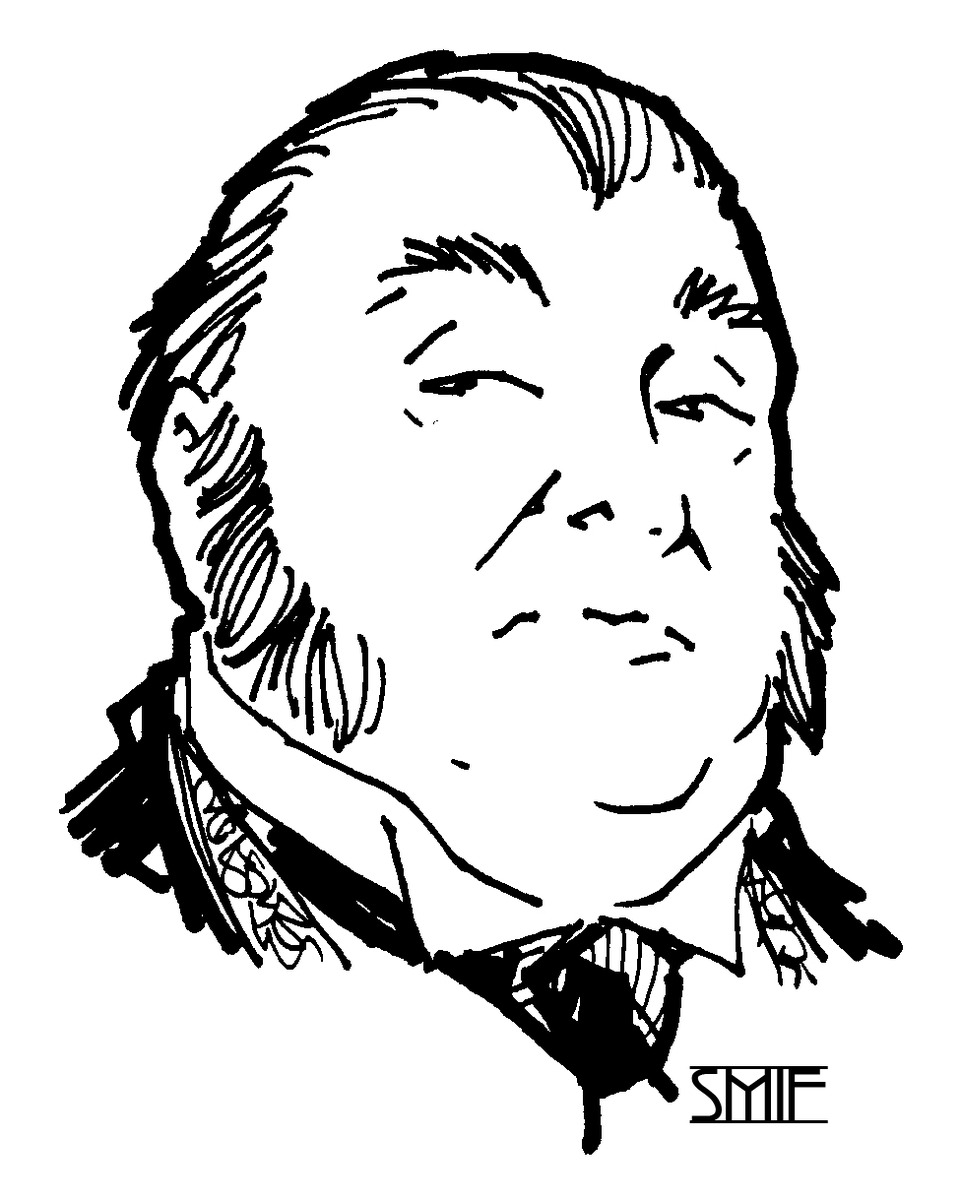

The annual billiards wager between Cruikshank and Hartfield is settled for a guinea, and attended with a solemnity that would not disgrace the transfer of a county. It fell that year on a raw November evening. The billiard room was lit and warm; the rest of the Manor was cold, and dark in the manner of houses whose owners consider lamps an indulgence of the young.
The grace was said, the match was played, and at ten o'clock the Colonel won by four points. Xerxes paid the guinea across the baize with the customary ceremony, and the company took port in the billiard room until near midnight.
At ten past midnight Mrs Sib Gow, the Colonel's housekeeper, came up the back stair for the breakfast keys and found Nan lying at the foot of it. She was quite cold. There was no wound but those of the fall: a broken hip, a broken arm, no blood upon the treads, and nothing about her disarranged save what the falling itself had done. Dr Tobias Quill, who serves the district as coroner and was fetched to the stair-foot at twenty past midnight, gave it out plainly and without embroidery: she had lain there upward of an hour, the fall had not killed her, and the hour on the flags had.
The back stair is narrow and unlit after ten. On the fourth tread from the top, a worn stair-rod had come loose in its socket; it was found loose, and Mrs Gow observed that it had been reported loose a fortnight since and not yet seen to. Nan's candle lay smashed upon the second tread, and her keys three feet from her hand. She had been carrying the household keys down to the still-room, as she did every night at eleven, a habit no one at the Manor could recall her breaking.
Beside her on the flags was a knee-print in the dust, and beside that a second, at the width a kneeling man makes. Between the stair-foot and the passage door the dust lay otherwise undisturbed.
The bell-pull of the billiard room runs down to the servants' passage not twelve feet from the stair-foot. The bell was not rung. Mrs Gow swore that the belowstairs bell was silent from ten until the moment she found the body.
Upon the sill of the passage window above the stair-foot there had been left a prayer-book, opened and lying face down. Fifi, the maid, said it had not been there when she drew the passage curtains at half past nine. That window, it should be said, stands open in all weathers, the Colonel having decreed it so; anyone at the sill may hear the stair-foot plainly, and anyone at the stair-foot may be heard from the sill.
In Nan's coat pocket was a folded half-sheet in her own hand: a list of four names with sums set against them, and a fifth line struck through. Mrs Gow said Nan had kept such lists for years.
Nan Pringle was the Colonel's poor relation, kept at the Manor these eleven years with the keys, the accounts, and no allowance. Three weeks since, Xerxes Hartfield had asked for her and been accepted; the marriage was to be in the spring, and would have made her mistress of a considerable fortune. It was Nan who had informed the Colonel of Effie Strange's debts; Nan who had told him what a footman's wages were spent on; and Nan who had let it be known in the parish which of the Manor's tradesmen gave short weight. She did not raise her voice, and she was never wrong.
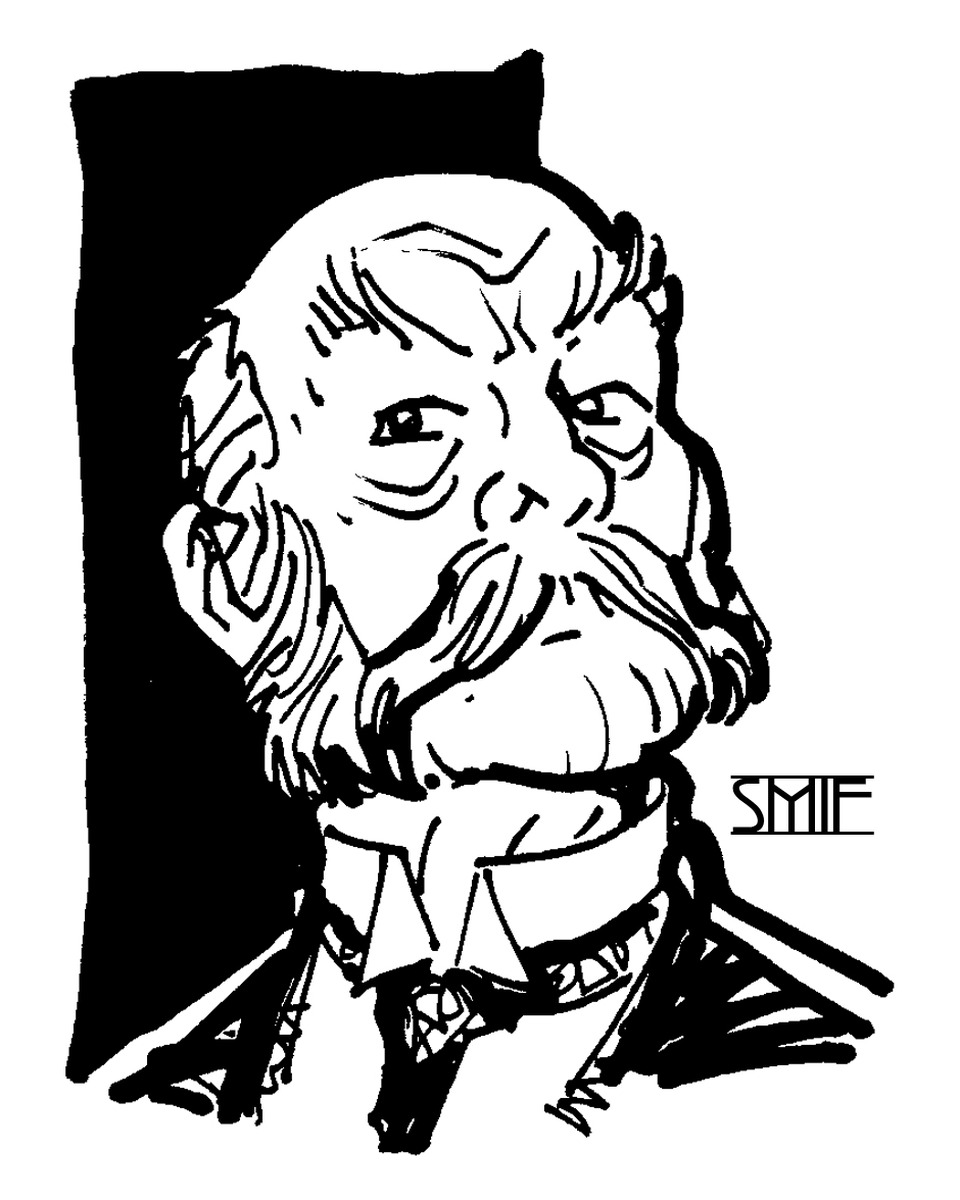
On the morning of the wager, the Reverend Simeon Gaunt had been shown a bundle of letters at the parish house by a tradesman's widow. They set out that Nan had for six years taken a fifth part of the Manor's tradesmen's accounts as the price of their keeping the custom, and that the widow's husband had gone under paying it. Gaunt kept the bundle, and said nothing of it in company. He is a cleric of the severer kind, who wears his collar where others may see it and his conscience over everything else. He takes no fee and no favour, will not be argued with, and holds that a soul unpunished is a soul abandoned; he has twice refused the Colonel's money and once refused Wat Frew's. He comes to the Manor each year by invitation, to say a grace over the wager and to take the guinea afterwards for the parish poor-box. He was present for the grace and for the settling. At about eleven o'clock he left the company, saying he would walk in the cold passage. He was seen again by the fire at half past eleven, his boots wet and his knees dusty, and gave the dust as the porch step.
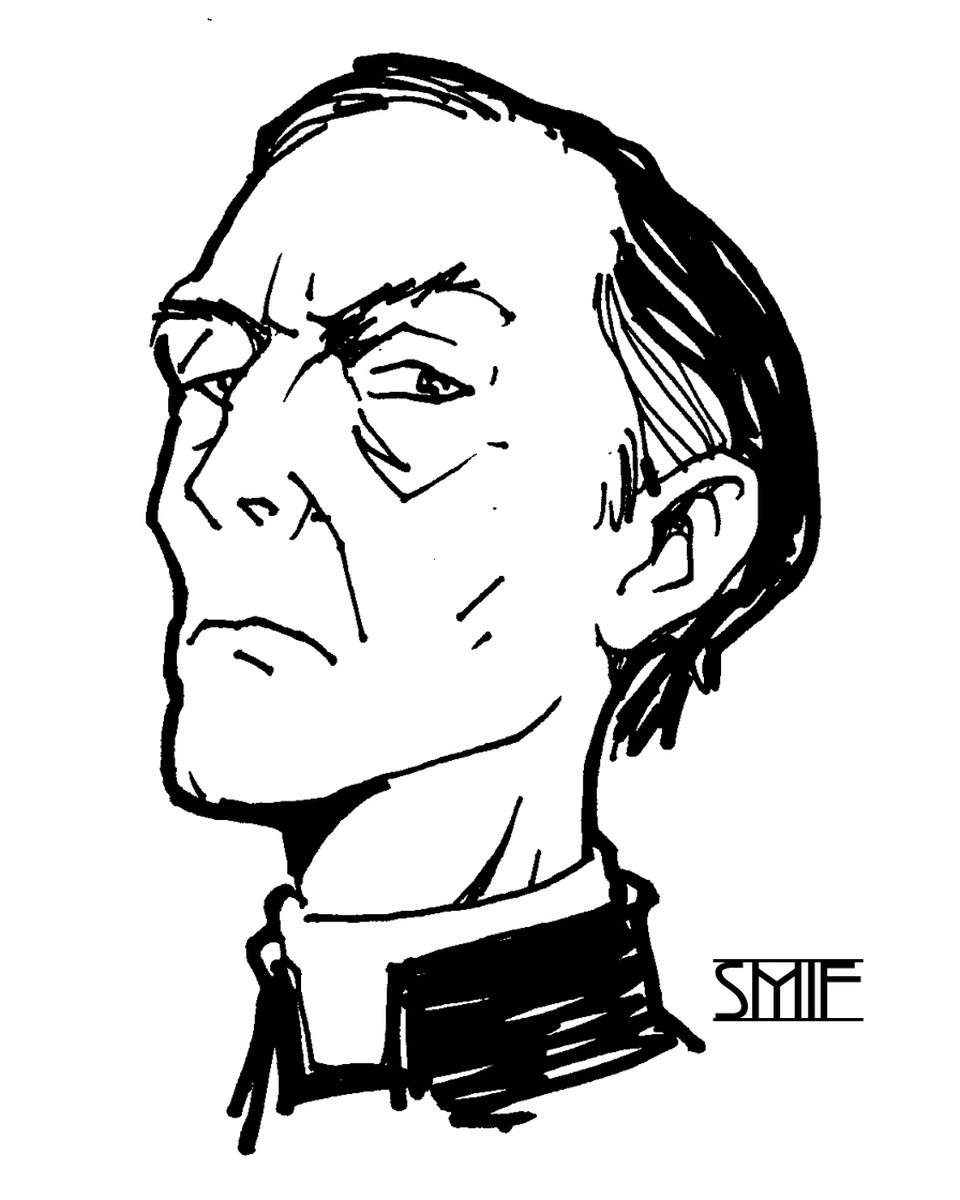
The others of the company were variously accounted for. Aziz, Xerxes's companion, who came with him from the coast — a quiet man in a fez who keeps to the edges of a room and reads it well — was in the billiard room from nine until midnight without once leaving it, marking the score upon the slate; the Colonel, Xerxes and Cousin R all had him under their eyes throughout the match and the port after. Cousin R kept the book on the match the whole evening and neither played nor spoke. Quill was in the room from before ten until midnight, at the port and at the scoring argument, in company the entire while. The Colonel did not leave the table, being obliged to be seen winning.
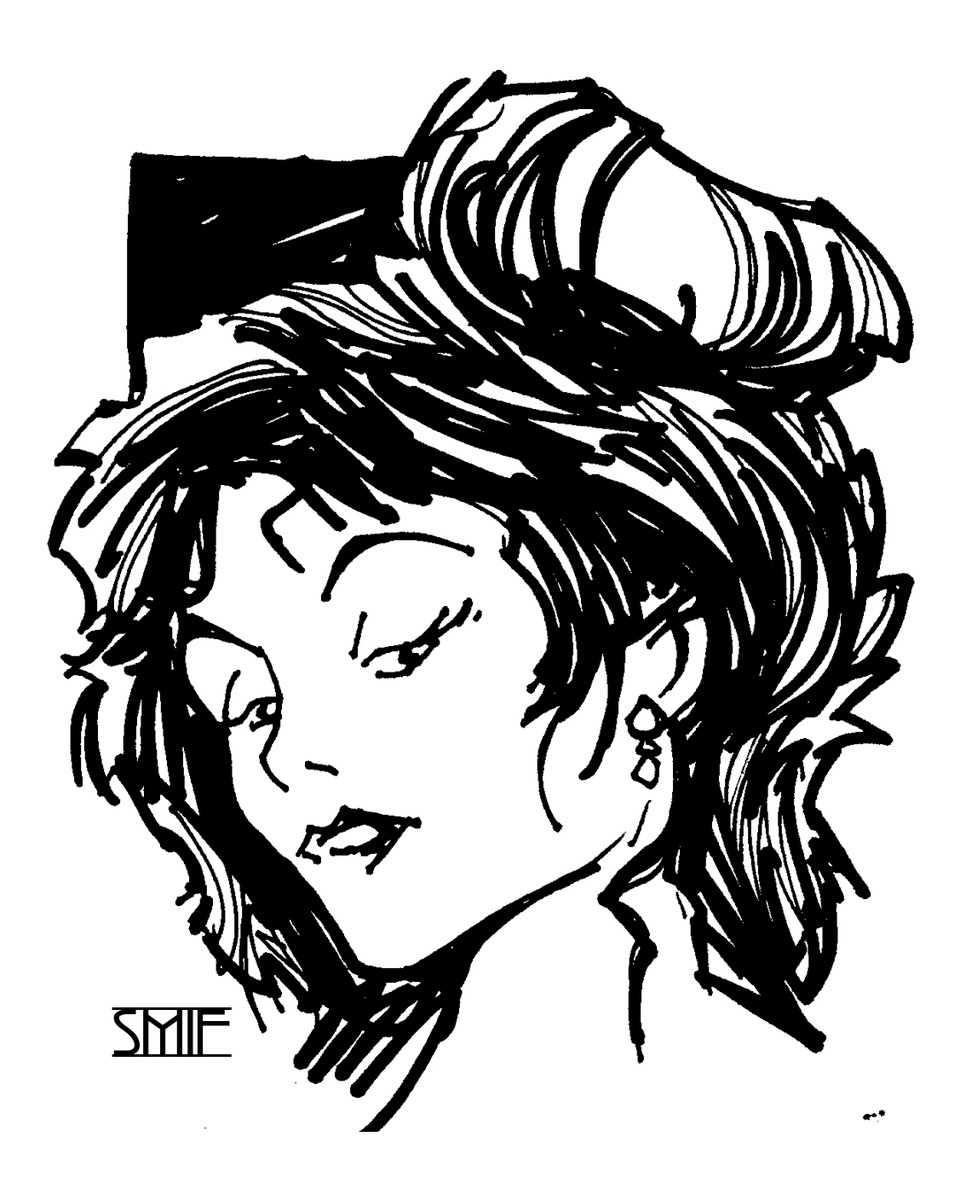
Xerxes was at the table the whole evening and paid his guinea; he and Aziz drove back to Hartfield House together at midnight. Effie and Wat were at the Cairnholm Assembly Rooms until two, vouched for by the doorman; Zane had been sent to the quay for the Colonel's oysters and returned at one, vouched for by Mrs Gow. Fifi was belowstairs from half past nine, likewise vouched for by Mrs Gow, who had her at the linen press. Lady Lavinia Loveless, who sits weekly for the Colonel's late wife and dines at the Manor as a matter of course, was not in the house at all; she left after dinner at half past eight for Hartfield House and was there from nine until morning, vouched for by the Hartfield staff. She is much occupied of late with what she is thought to know, and with what may be thought known of her.
Nan's engagement had not been universally welcome. Aziz had spoken to no one about it. Lavinia had remarked, at the last sitting, that the poor relation had a hard eye and a long memory.
The back stair was swept, the loose rod screwed home, and the prayer-book returned to the parish house with its place still marked at the passage window's sill.