
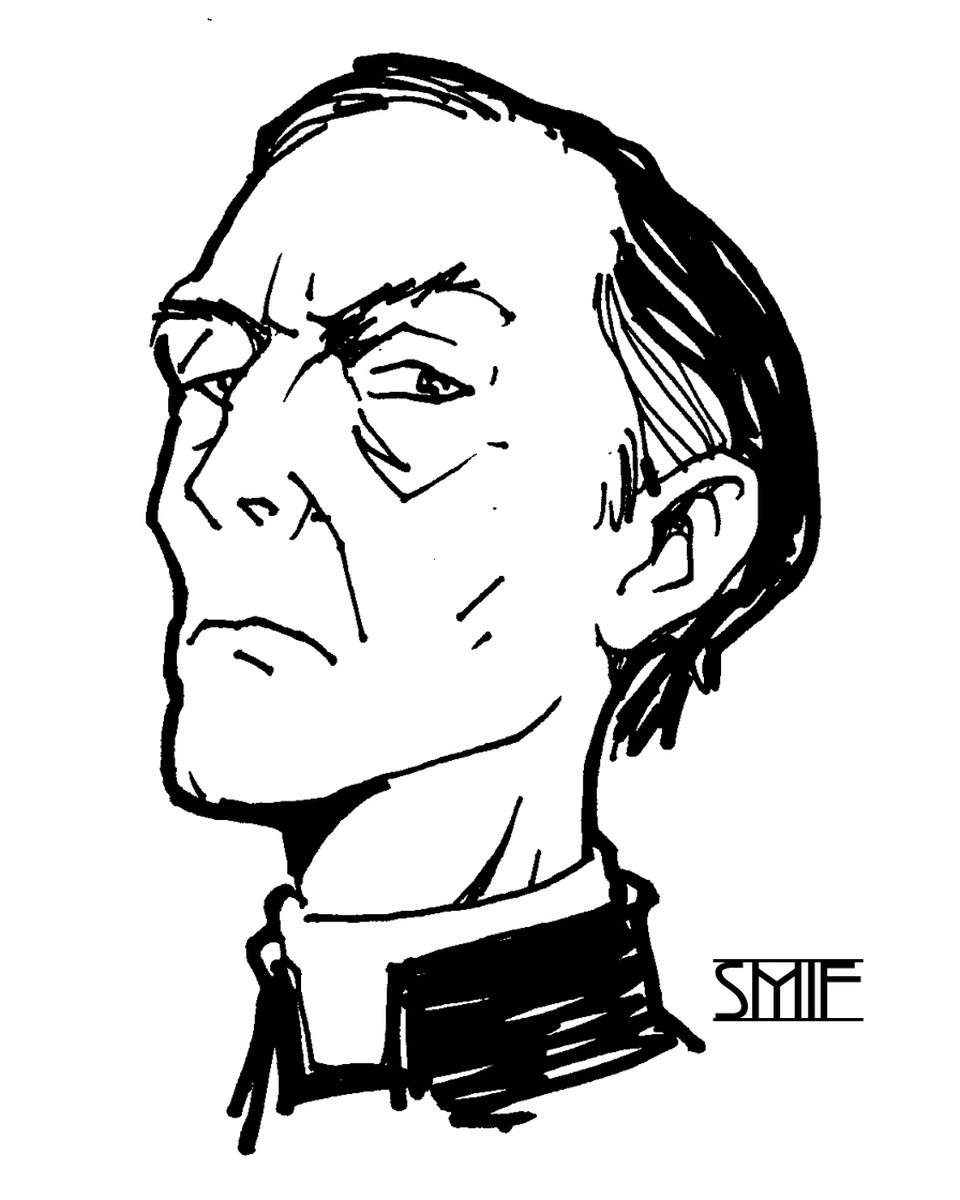

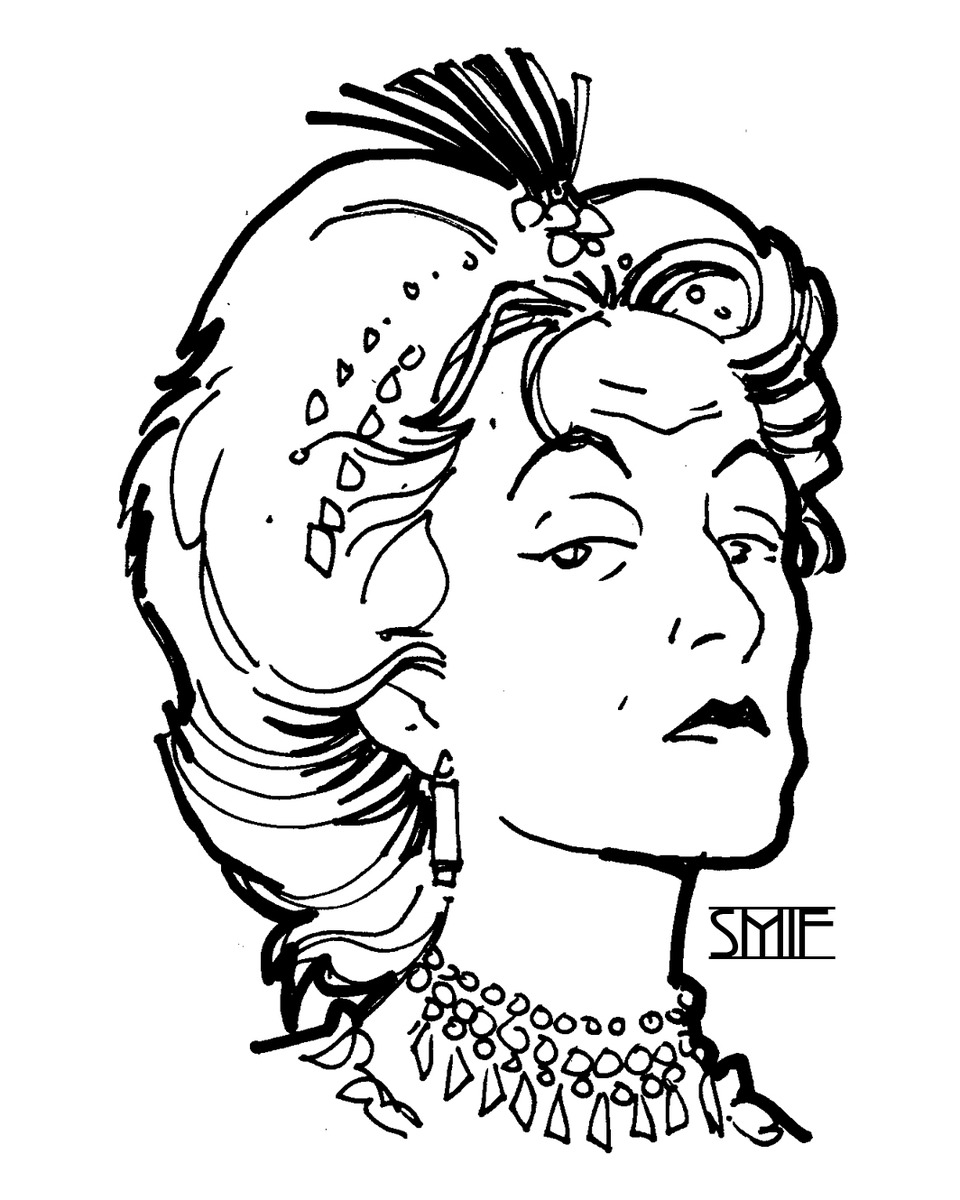
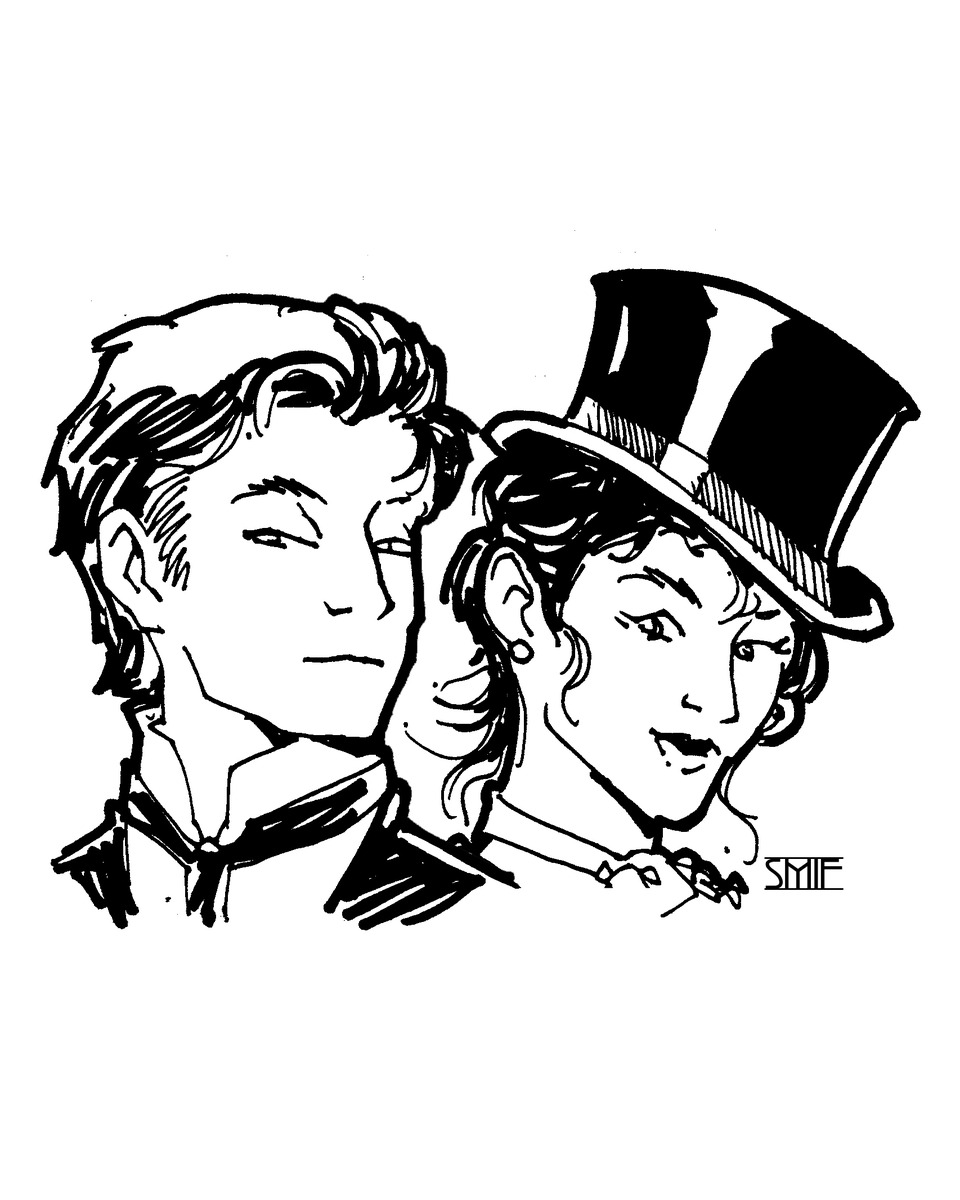
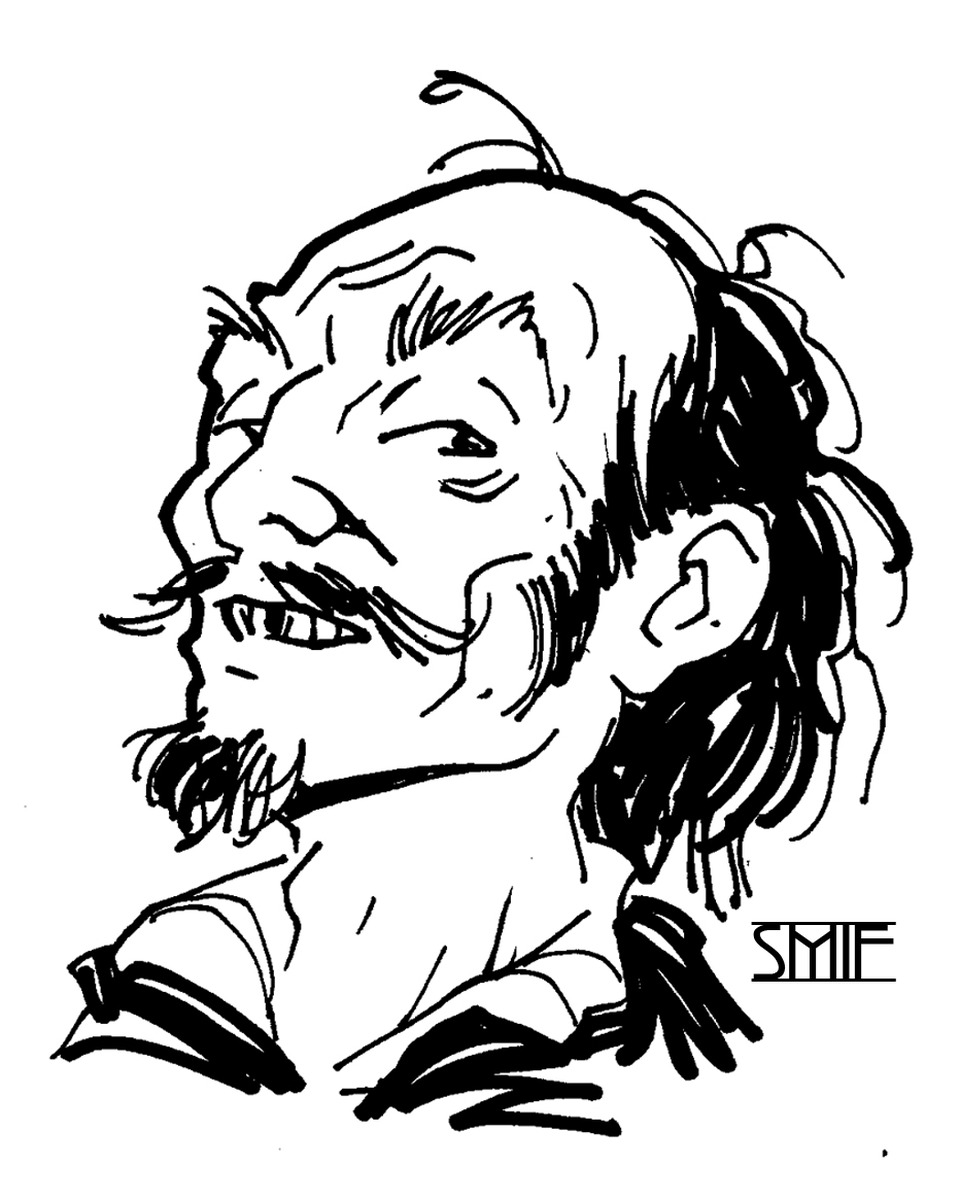
The cellar at Cruikshank Manor had been opened that evening for the laying down of a new pipe of port, and Captain Wat Frew, who had supplied it by his own arrangements, had stayed on to see it judged. A bottle was drawn up, decanted in the dining room, and pronounced upon; Dr Tobias Quill, whose standing invitation to the Colonel's cellar had gone unredeemed for years, had at last come out to take his share of it. The household and its usual orbit settled into the long drawing room, the candles burned down agreeably, and the evening proceeded in the manner of evenings.
At dinner the Colonel had mentioned, in front of the whole table and without embellishment, that he had sent for his solicitor for the following Monday, and that a settled matter would be settled differently. He did not say which matter. He had written three letters that afternoon — one to the solicitor, one to the Reverend Simeon Gaunt, and one he burned in the grate. Mrs Sib Gow posted the first two.
At half past ten the Colonel went down to the cellar alone, taking a candle and a tasting glass.
He was found in the cellar passage at 11:20, seated upright on the decanting stool with his back against the brick, the candle guttered out beside him and the glass unbroken in his hand. He had the look of a man interrupted in the middle of a considered opinion. Quill, being both physician and coroner and being on the premises, went down and examined him where he sat, and found beneath the collar, at the back of the neck, a single narrow puncture made by a thin steel pin. There was almost no blood. The collar had hidden the mark entirely until the body was laid out. Quill judged death to have come between 10:30 and 11:20, and to have been quick and near-silent.
The Colonel's coat was unmarked. His collar was undisturbed at the front, his spectacles folded neatly in his breast pocket, his cuffs unrumpled. Nothing in the passage was overturned, not a bottle nor a basket nor the little tray of corks. Whoever had stood behind him had stood close enough to have been embraced.
The passage is served by two ways: one stair down from the belowstairs corridor, and one door from the garden lobby. Mrs Sib Gow sat mending in the belowstairs corridor from 10:00 until the alarm, and swears that no one came down that stair after the Colonel himself. The garden lobby door, however, stood unbolted, and its threshold carried a wet leaf-print and a smear of gravel. The night had been wet. The terrace steps run from the drawing-room windows round to the garden lobby in under two minutes, and they pass no window on the way. Nobody was posted on the terrace.
On the decanting bench lay the Colonel's pocket-book, lying open, and beside it a folded half-sheet in his own hand — a list of household disbursements, tidily columned. One line had been ruled through twice: the quarterly sum paid to Lady Lavinia Loveless. In the margin beside it, in the same steady hand, the Colonel had written: "no more, and the Reverend to be told."
He had drunk one glass and no more. The decanted port was untouched by anything but air, and Quill found no draught, no powder and no bitterness in the glass.
At midnight a hatpin was found in the drawing-room fire-irons stand — some seven inches of steel with a jet head, wiped clean and pushed down among the tongs. Three of the ladies present had worn hatpins that evening, and the jet-headed sort is common enough in Cairnholm.
Lavinia had held a paid sitting at the Manor every Friday for four years, channelling the late Mrs Cruikshank for the Colonel's comfort. The arrangement was private, quarterly paid, and the greater part of her living. She owns no property and lodges at Hartfield House on Xerxes's sufferance. Two other households in Cairnholm once engaged her and no longer do; her practice is her name, and her name is the whole of her estate. At the sitting the previous Friday the Colonel had risen halfway through, walked out of the room, and not spoken to her since — except to send word that morning that she should come out this evening as usual, though there would be no sitting. She came, in mourning-grey, and was quiet all evening. She left the drawing room twice: once for her shawl, and once, she said, for air. That was at about 10:35. She was back among the company shortly after eleven, her hands cold.
At half past eleven Zane returned her shawl to her, dove-grey, which he had found on the terrace balustrade. It was damp through on one side.
The rest of the company may be accounted for with tedious ease. Nan sat at the card table from 10:00 to 11:20, partnering Quill through four rubbers, and Quill, Cousin R and Fifi all place her there without a gap; she had heard the solicitor announced at dinner with everyone else and had said nothing at all, which is her habit, her allowance being small and her position humiliating. Effie was at the piano from 10:25 onward, playing without pause, with Cousin R turning her pages; the company heard her through to the alarm. She had been pressing the Colonel all week about the Monday appointment, having debts she does not discuss. Under the present will the estate divides between Effie and Nan; the solicitor had not yet been seen, and nothing was signed. Cousin R, who orbits the Colonel and collects what he hears, was in the drawing room the whole evening, at the piano and the card table by turns, and both Effie and Nan place him continuously. Quill sat opposite Nan from 10:00 to 11:20 in full view of the room and went down only when the alarm was raised.
Xerxes was in the library with Aziz and the venture papers from 10:15 until the alarm; Mrs Gow carried up coffee at 10:40 and again at 11:05 and saw both men at the table each time. Aziz did not leave the library. The shipping venture pays both partners quarterly and survives either man, which Xerxes, who sleeps badly and makes no secret of it, had no reason to conceal. Fifi was in the drawing room the whole evening carrying trays, and she and Mrs Sib Gow account for each other's people all night. Zane had been in the pantry with Mrs Gow from 10:00, and on the front door from 10:50.
Wat had had words with the Colonel in the hall before dinner, and the Colonel's voice was heard to rise; but he was sent down to the harbour at 10:20 for the bill of lading on the rest of the pipe, and the customs watchman at the Slip signed him in at 10:45 and out at 11:15, and the road back is twenty minutes. Captain Frew, it may be noted without prejudice, held a paper of the Colonel's from an old regimental matter, and had been drawing money on it for two years without any trouble whatever.
Gaunt arrived at 10:50, having come out from town at the Colonel's own written request that afternoon on a matter the Colonel would not name. Zane, a strict keeper of the house's rules, kept him waiting in the cold hall and stood at the door beside him until the alarm. The Colonel never came up to receive him. The Reverend is Lavinia's half-brother, and has preached against her trade from his own pulpit.
So the Colonel remained upright on his stool in the cellar passage, the glass still in his hand and the candle cold beside him; and upstairs the piano stood open, the cards lay dealt, and a dove-grey shawl steamed gently, drying by the drawing-room fire.