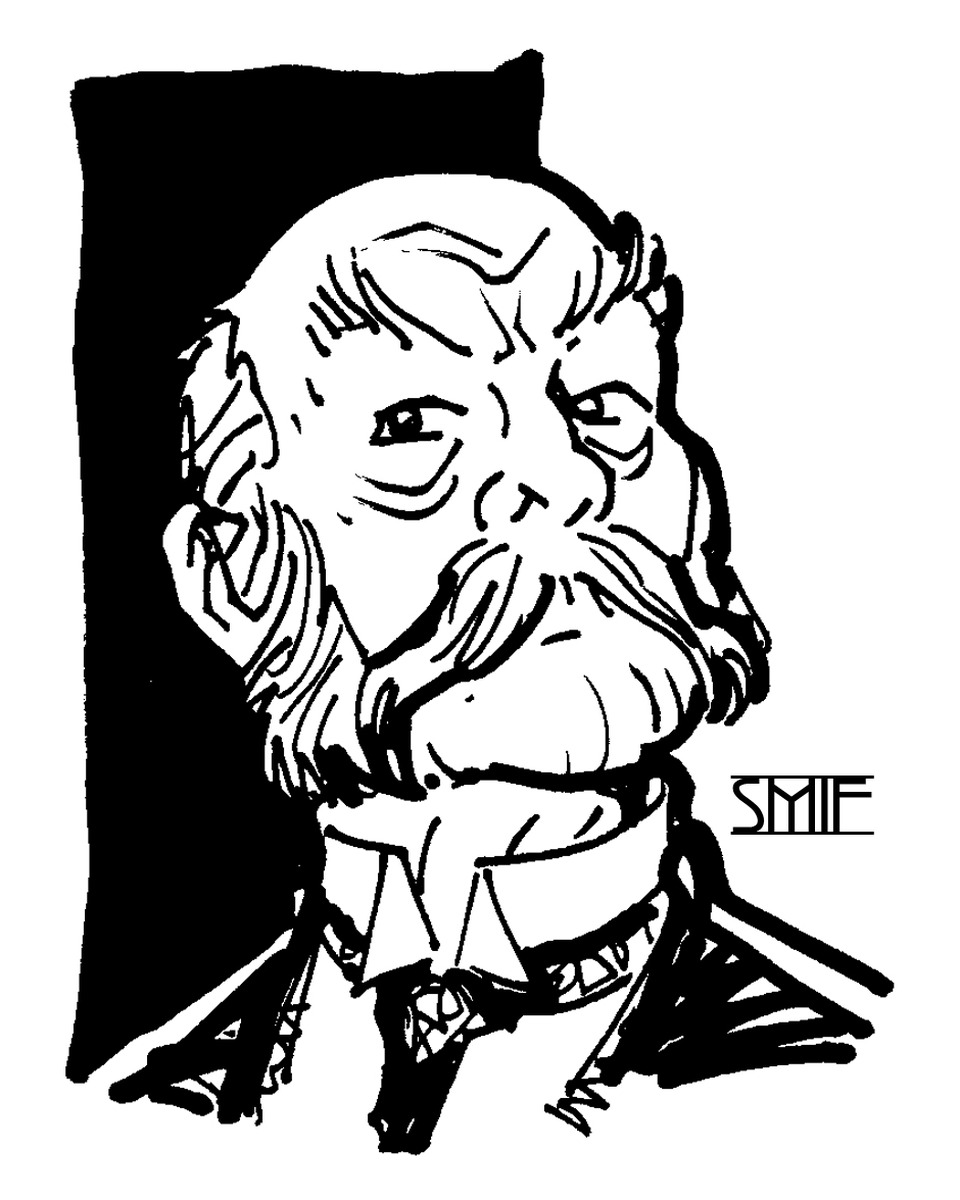
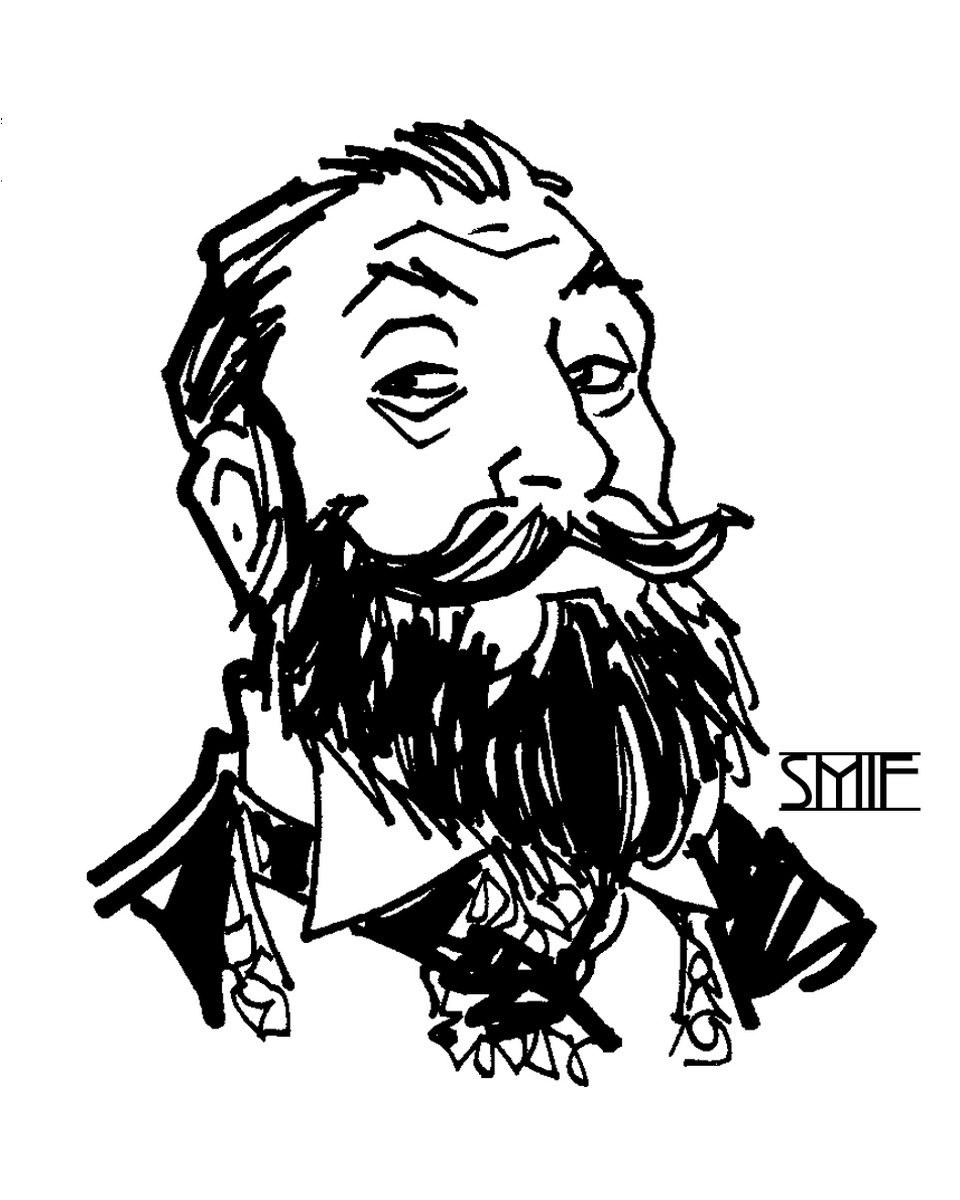
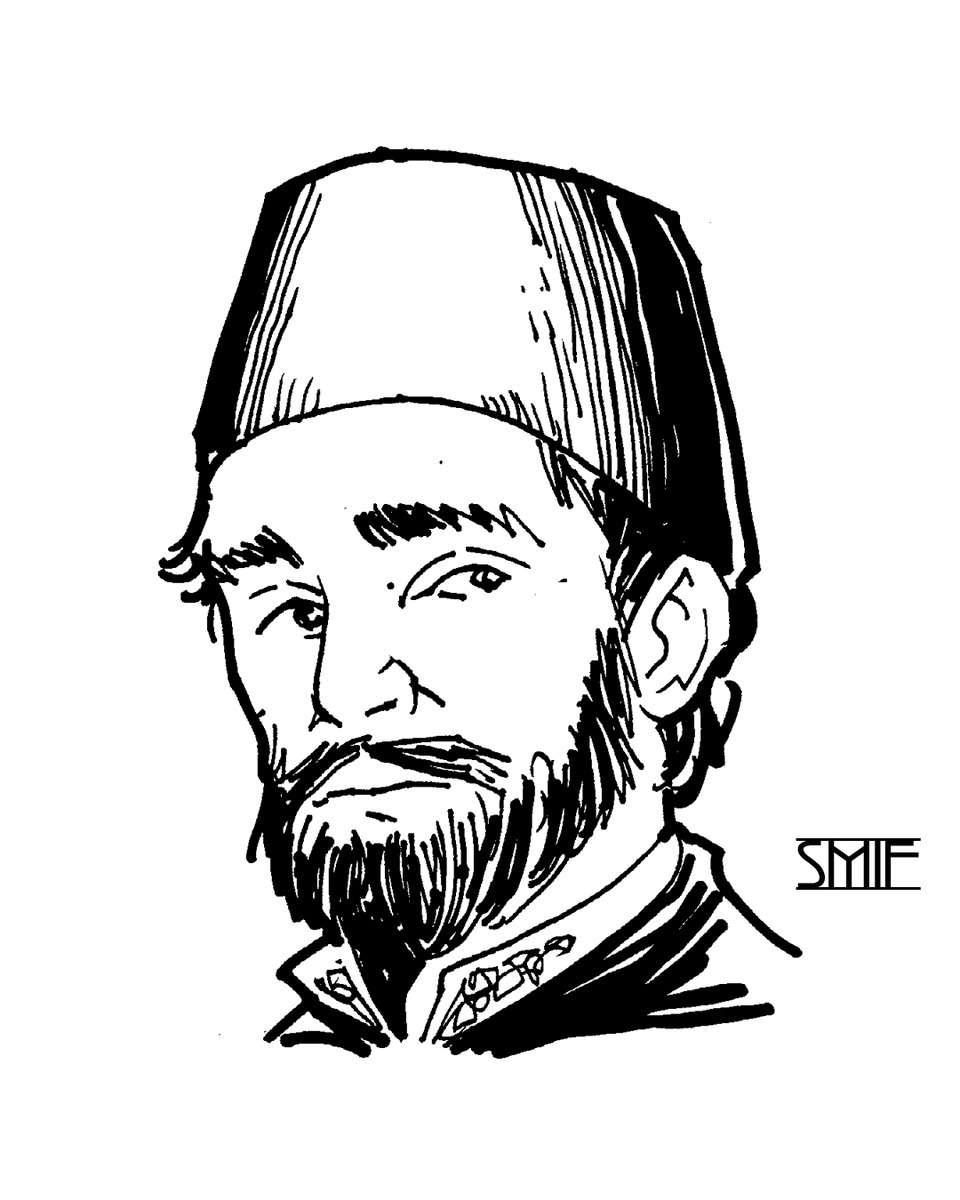
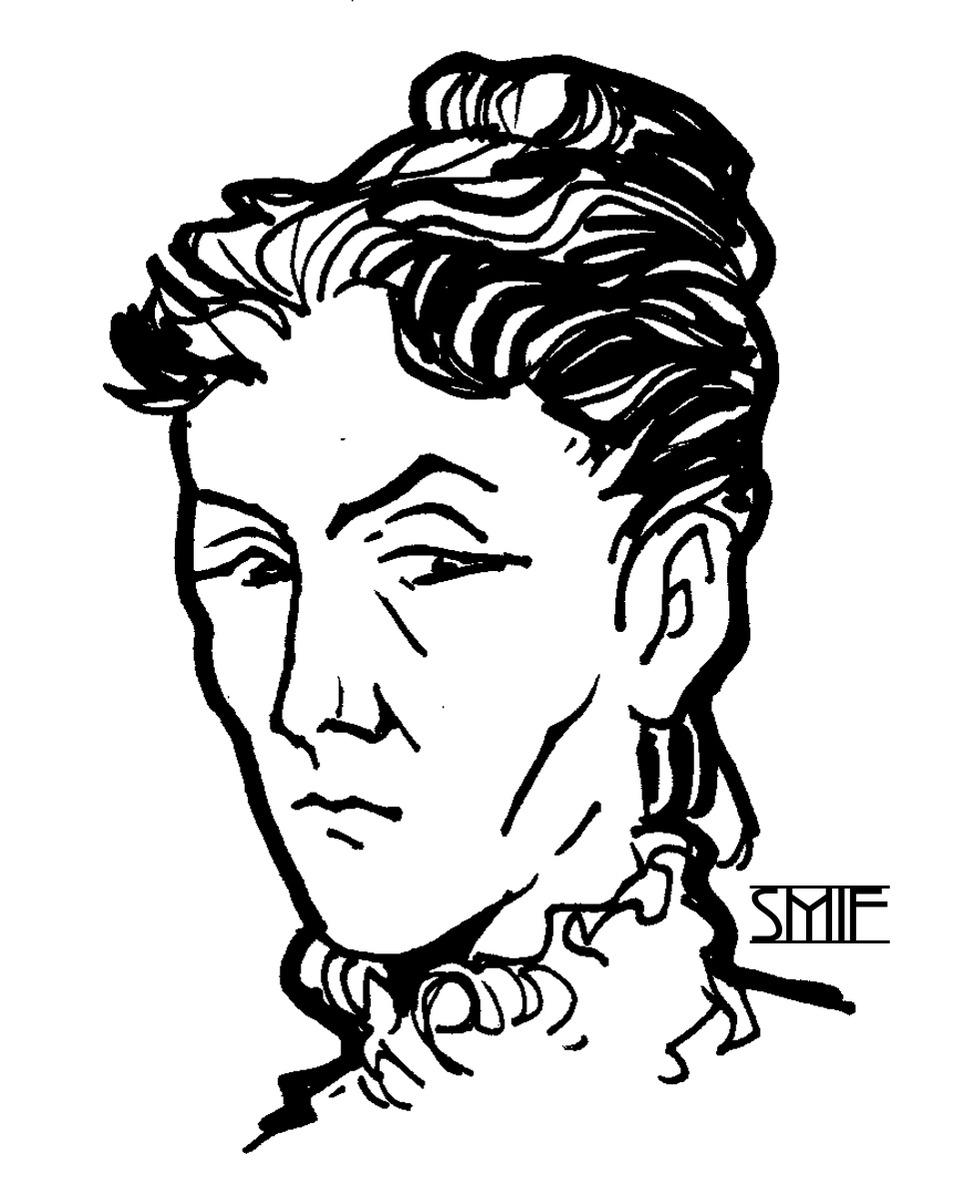
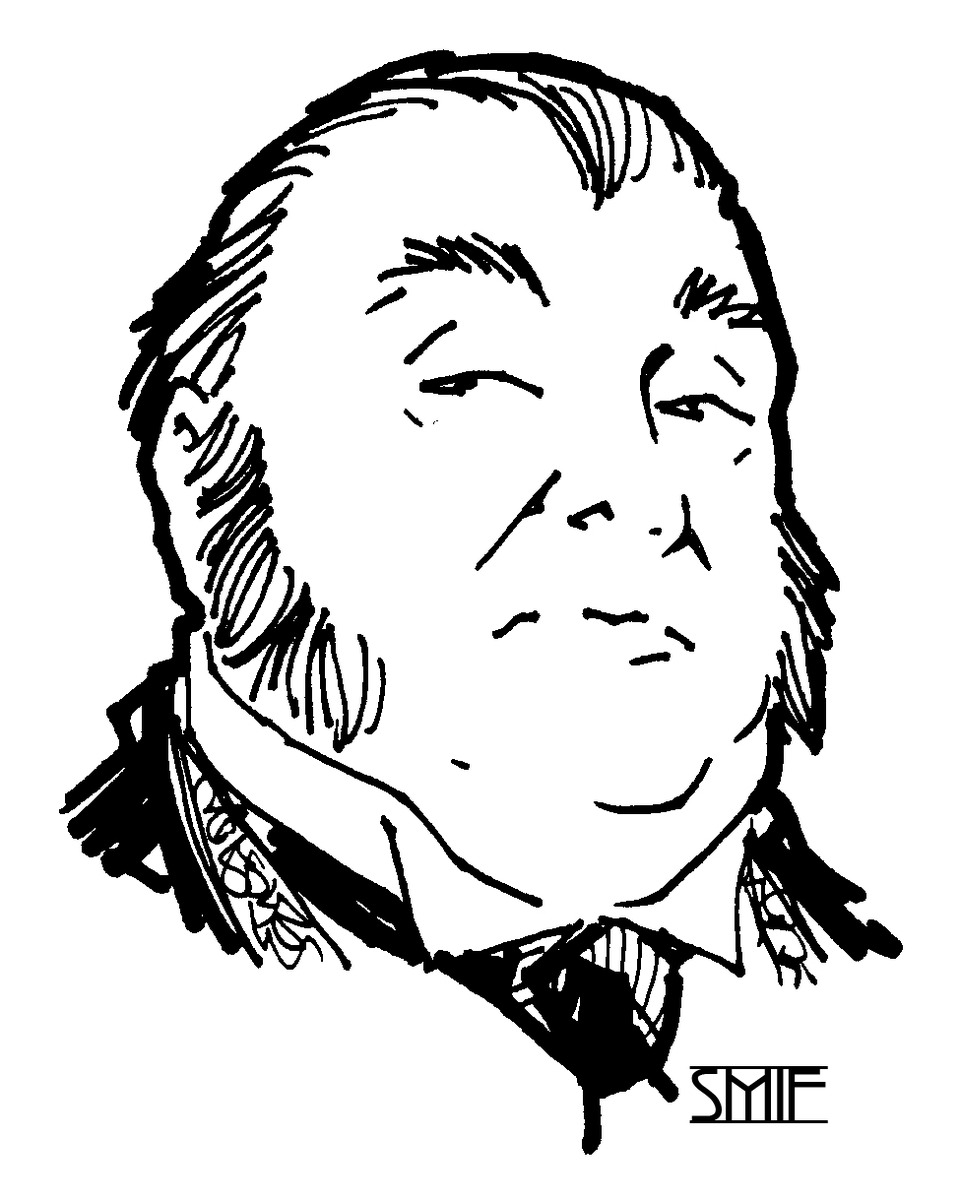
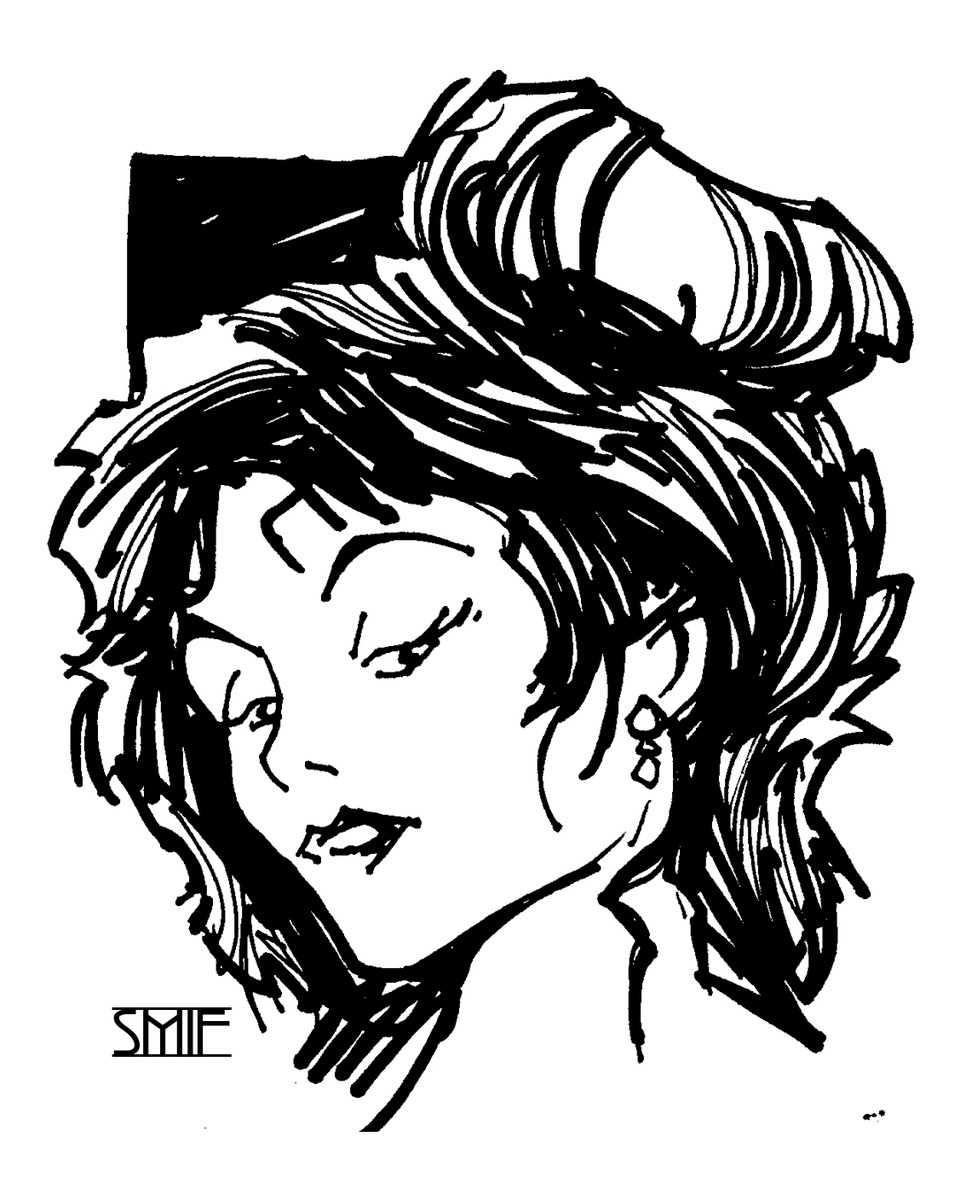
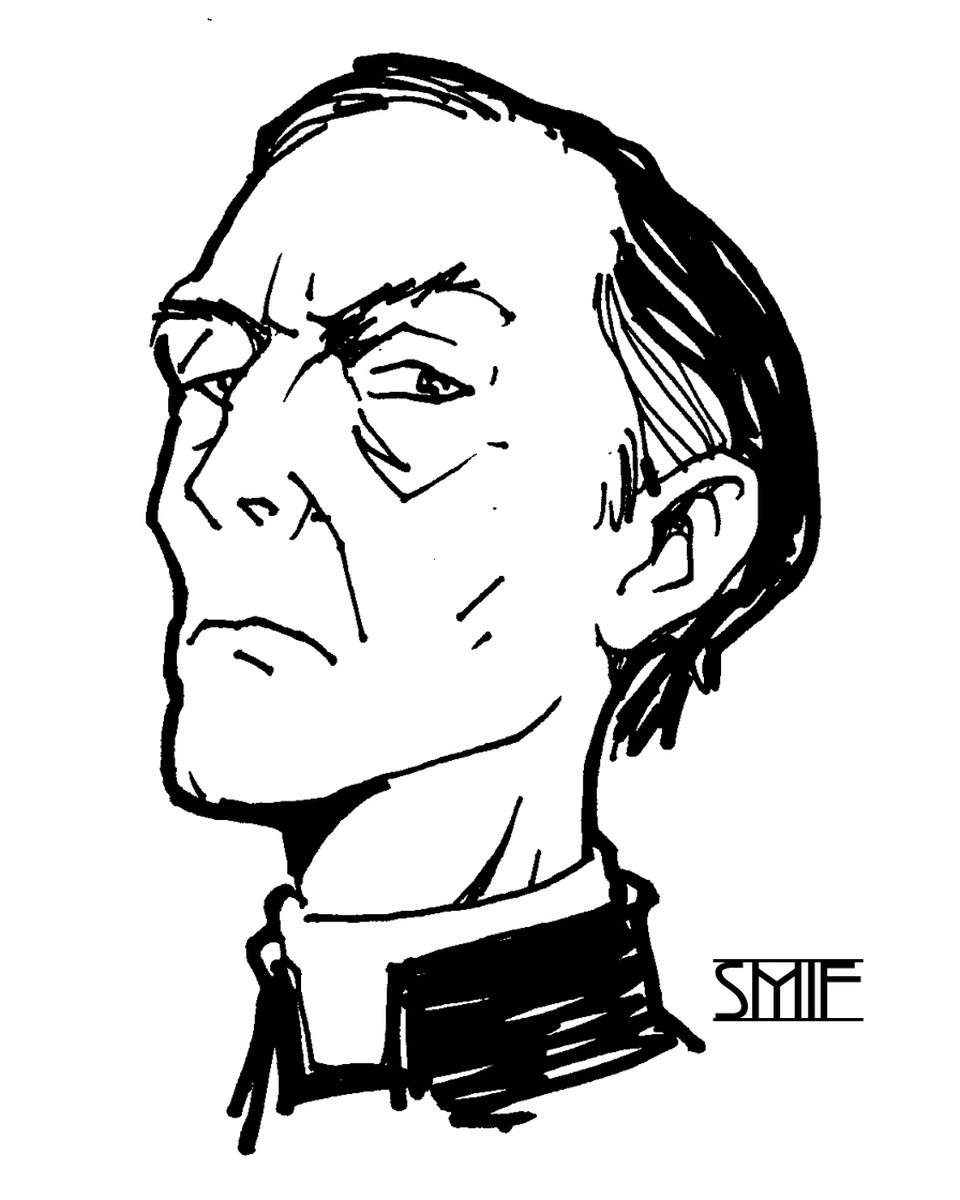

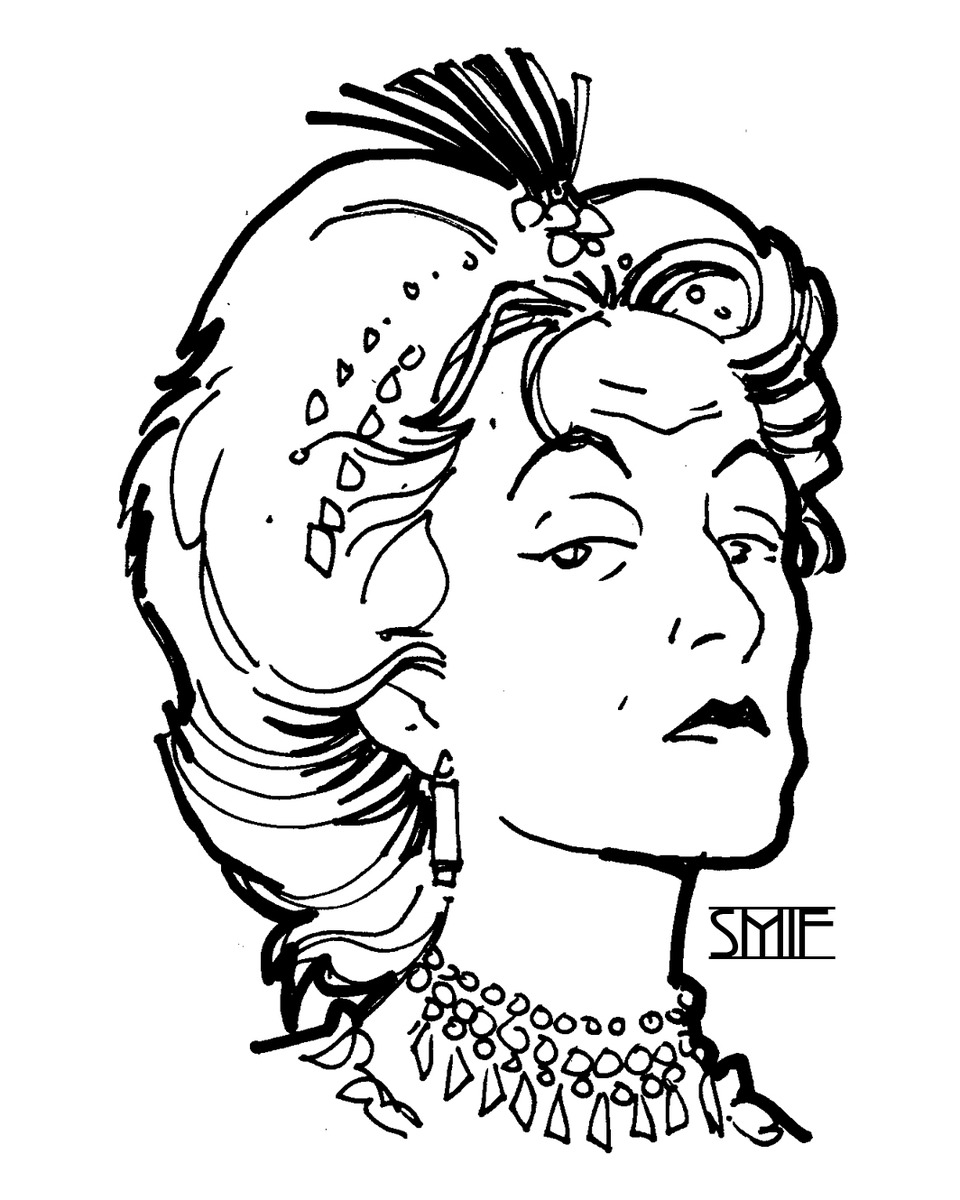
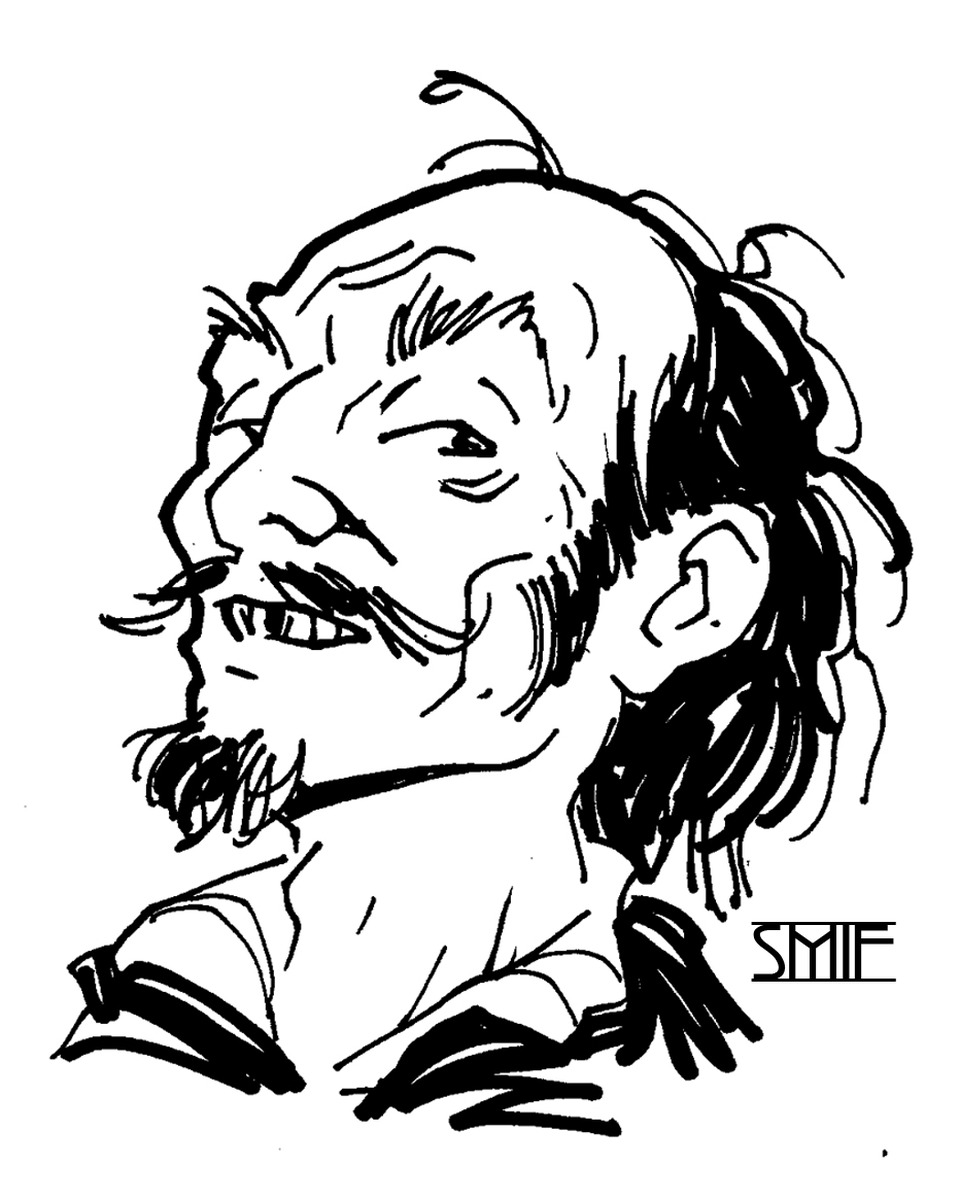
Fenella Swain, called Fifi, housemaid at Cruikshank Manor and twin sister to Zane the footman, was found in the linen room off the back stair at 10:20. She was seated upright in the wicker chair, quite composed, her glass of negus set down beside her and three-quarters drunk. Her cap was straight. Her hands lay in her lap, one folded upon the other, as though she had paused between one task and the next and meant to resume shortly.
Dr Tobias Quill, physician and coroner, arrived at 10:30, having been fetched from his own house by the boot-boy, and examined her where she sat. He gave the death as a poisoning: an exact dose, tasteless in a hot spiced wine, and no mark upon her. He put the taking of it between 9:30 and 10:15.
Nothing in the linen room had been disturbed, arranged, or added. There was no prop, no attitude, no ornament, no small theatrical touch of the kind that occasionally attends these occasions. Mrs Sib Gow, the Colonel's housekeeper, remarked only that the girl had died as tidily as she had folded sheets, and then went to see about the lamps.
The negus had been mixed belowstairs at 9:15, from one bowl, and carried up in glasses upon two trays. One tray went to the long gallery, for the sitting. The other was left upon the sideboard of the back landing, for the staff. Mrs Gow swears the bowl was sound, and the bowl appears to have been of her opinion: everyone who drank from the gallery tray took no harm whatever. The staff tray held four glasses. Three were drunk by Mrs Gow herself, by the scullery girl, and by the boot-boy, all of whom remain in excellent health. The fourth was Fifi's.
The back landing sideboard stands in an alcove off the gallery corridor, four paces from the linen room, which was Fifi's own province, where she took her tea and her rest, and which the whole house knew to be hers. Between 9:30 and 10:15 that corridor was traversed — by Mrs Gow's account, and by his own — by Cousin R alone, who left the gallery twice and returned twice, explaining on each occasion that the incense made his eyes water.
In Fifi's apron pocket was a folded half-sheet in her own hand: a list of names, with a short line written against each. The Colonel. Xerxes. Lavinia. Aziz. Effie. Zane. Against Zane's name the line had been scored out, and re-scored, and scored again, until the paper wore through and the pen had nothing left to strike.
It should be said that Fifi Swain was the most porous servant in Cairnholm and knew herself to be so. She traded in what she overheard as other girls trade in ribbons, and in four months she had sold or given away something touching very nearly every person in the two houses. There was one exception. Whatever she knew of her brother Zane she carried to her grave, and had.
The gallery sitting had begun at 9:00 and broke at 10:15. The Colonel's grief for his late wife is a fixture of the Cairnholm calendar; the sitting is held every Friday at nine, in the same room, with the same chain of hands, and has been these two years. Lady Lavinia Loveless — medium, born Isolde Marsh, and paid for her Fridays — sat at the table throughout with her hands held on either side by the Colonel and by Nan. The séance requires the unbroken chain, and none of the three left it. Lavinia has an arrangement with Zane the footman which the Manor is not supposed to know about, and Fifi was a leaking vessel; but the chain is the chain.
Aziz did not enter the gallery at all. He waited out the whole sitting in the front hall with Zane, the two of them at draughts upon the porter's table, from a quarter past nine until the company came down. Each vouches the other, and Mrs Gow passed them four times. Aziz had lately taken care to be in whatever room Fifi was in when she spoke of Hartfield House; but on this evening he was in the hall, losing at draughts.
Xerxes came for the Colonel's venture papers and not for the spirits, and was shut in the study with the Colonel's clerk over the subscription list from 9:20 until 10:10, the clerk swearing to it and the papers bearing his initials at each foot. Fifi had been arch with him at the door for a month, hinting that she knew something, and getting nowhere, for what she hinted at was not the thing.
Of those absent: the Reverend Simeon Gaunt, who had twice written to the Colonel upon the tone of his household and once named the housemaid in the letter, was at Kirkwynd chapel taking a penitential vigil before his verger from eight until midnight. Captain Wat Frew was aboard the Selkie's Grief at the Cairnholm quay, logged out by the harbour watch at 8:00 and not ashore again till dawn. Effie Strange was at the Assembly Rooms in the card room, among thirty witnesses, from nine to one.
There remains the matter of the blue bedroom. On Cousin R's writing table lay a commonplace book, open, in which household observations are entered in a small even hand under the names of persons. Cousin R is the unplaceable guest, who has orbited the Colonel for eleven years and whom nobody has succeeded in fixing upon any family tree. He keeps no household of his own and has no income anybody can name; he is fed and lodged at the Manor by the Colonel's kindness, and has never once asked for money, of the Colonel or of anyone. He has never, in eleven years, asked a question of anybody at the Manor. He waits, and people talk. He observes; he does not gossip; and no word of that book has ever been known to be used against a living soul.
The book itself has been kept for eleven years. Mrs Gow, dusting, has seen the earlier volumes: entries thin and infrequent, a dozen a year. The current volume is filled at the rate of a dozen a week. Its most recent entries, over the past four months, are almost all sourced to a single initial: F.
Mrs Gow further reports a standing hour. Thursdays, the linen room, tea, an hour, for four months together. Fifi called Cousin R her gentleman friend and was laughed at in the servants' hall for it. Nothing improper was ever observed. Cousin R sat with a notebook.
And on the Wednesday before, in the servants' hall and heard by four, Fifi had announced that she had taken a place in a Perth household at Martinmas, that she would be gone from Cairnholm within the fortnight, and that she meant to leave nothing behind her but the sheets folded.
The linen room is cold now. The wicker chair stands empty; the three-quarters glass remains upon the shelf beside a stack of folded sheets with their corners square. Upstairs, in the blue bedroom, a commonplace book lies open at a page with a name at the head and nothing under it.