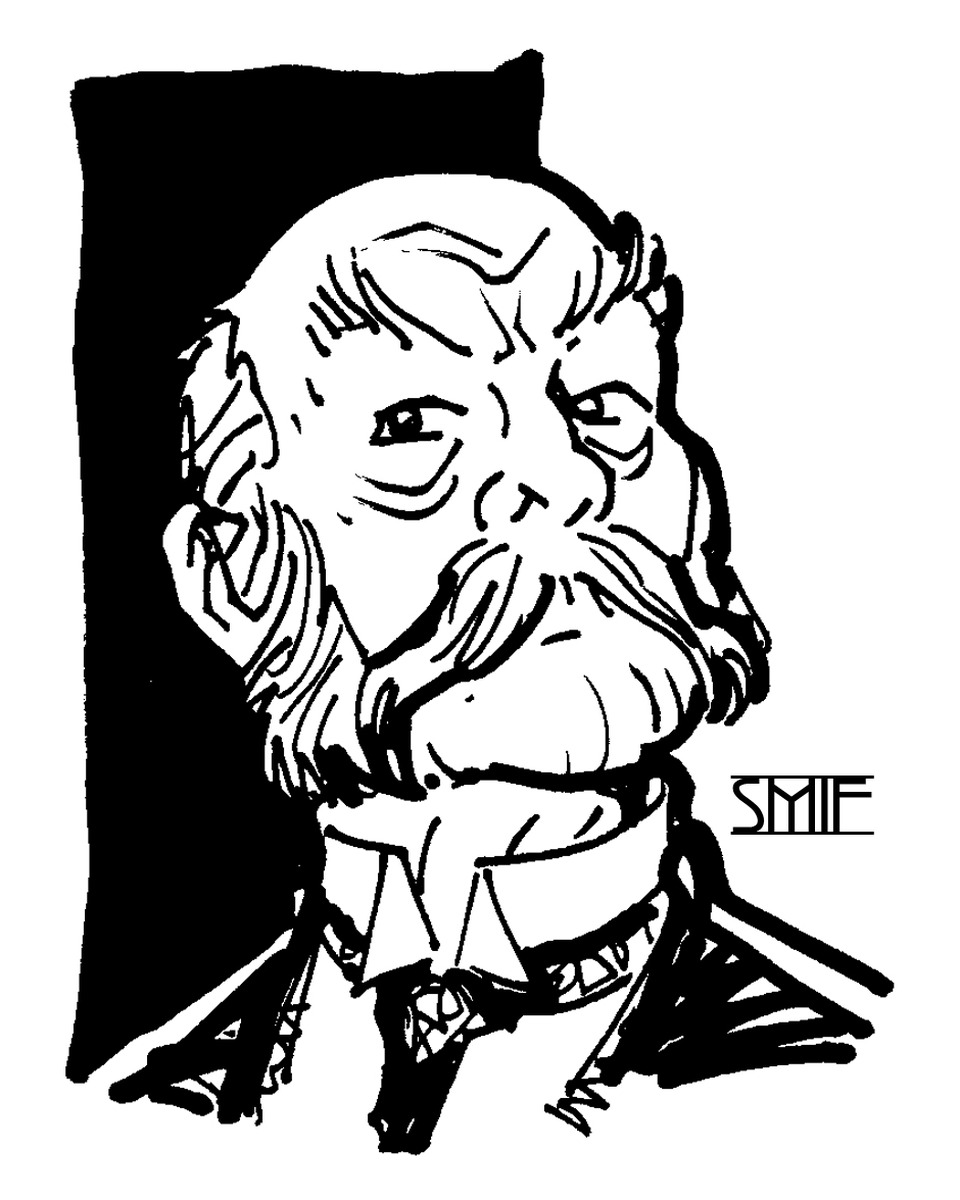


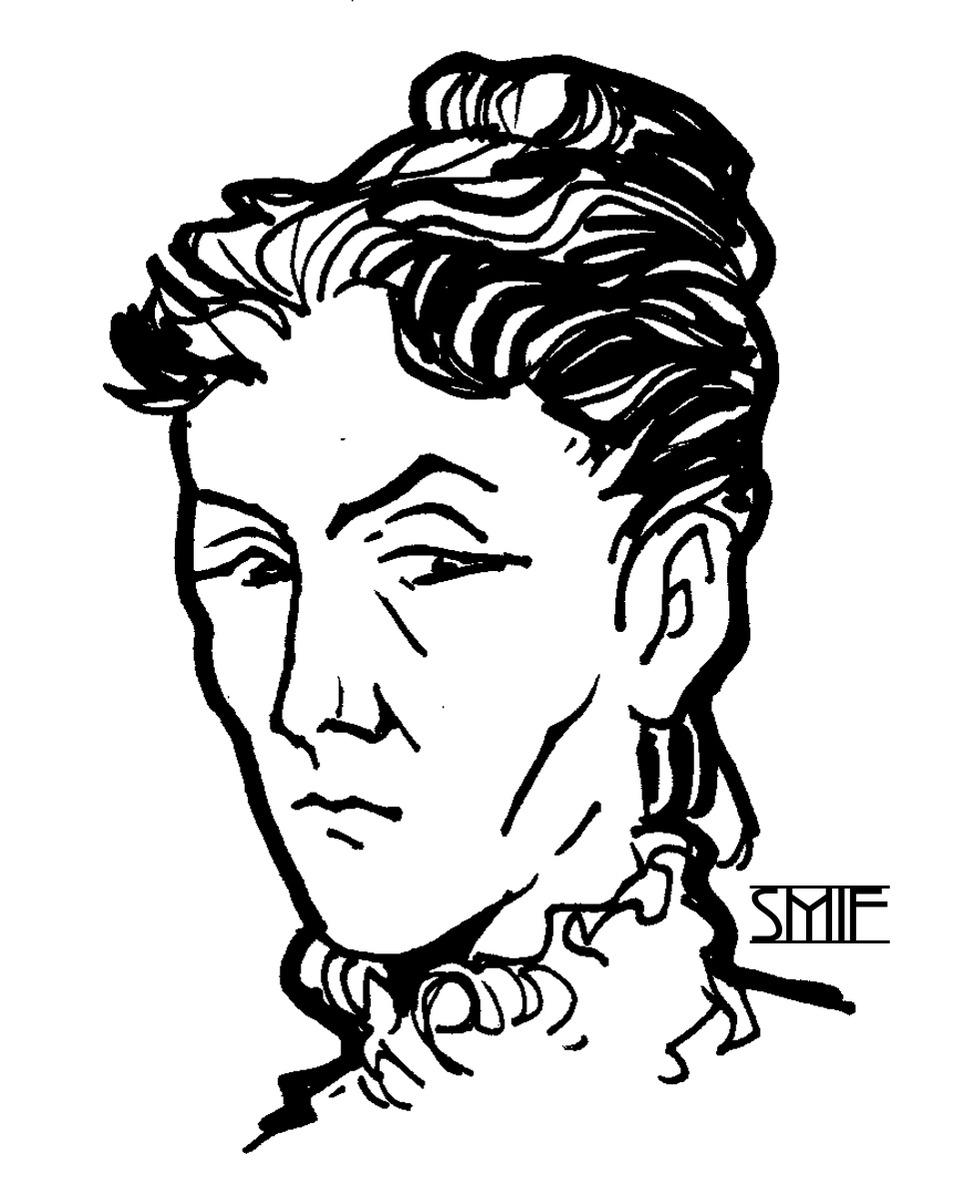
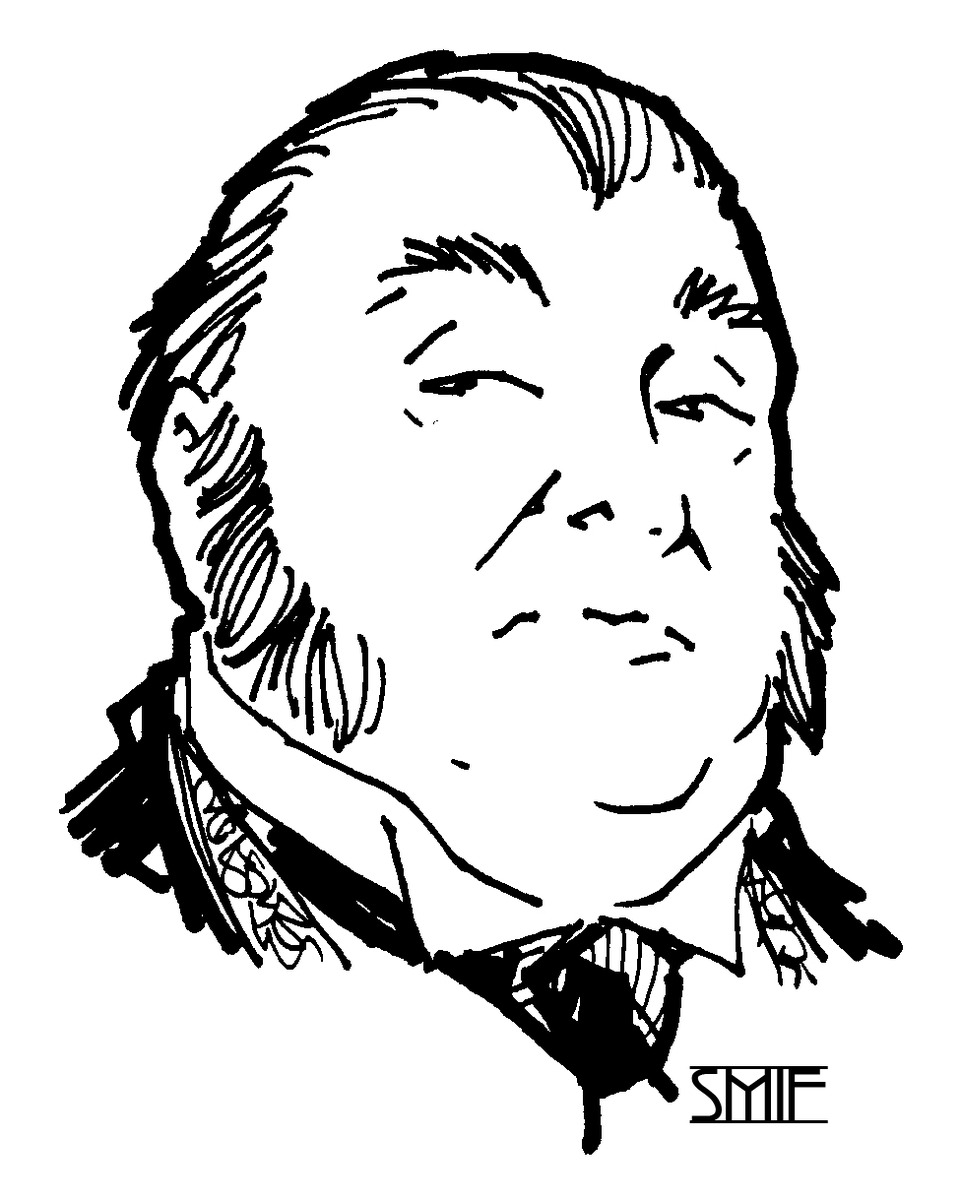
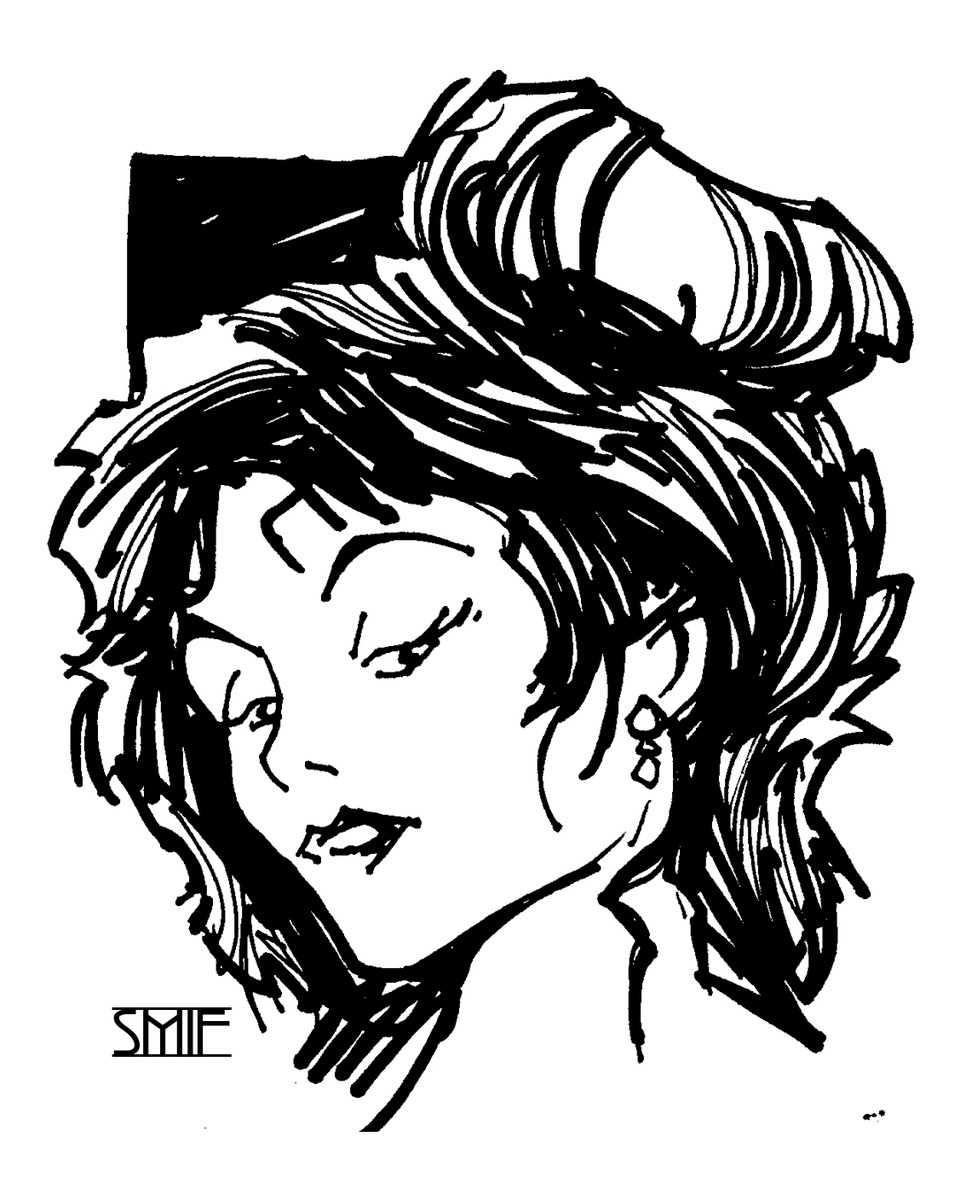

Hartfield House came home from church that wet Sunday in the usual damp procession, and the dining room stood lit and laid to receive it — the fullest and most observed room of the week, every chair spoken for, the tureen breathing gently under its lid. The Reverend Simeon Gaunt had come, as he did most Sundays, to dine after church with his half-sister Lavinia. He was last seen alive going in to fetch a book. The gong had not yet been rung.
He was found in the small book-room off the dining passage, a plain length of picture-cord drawn about his throat: strangled, and quite tidily so. He was seated. His hands were folded, as if at prayer, and had not been disarranged. The room was in no other way disturbed, save that a framed print had lately been taken down from the wall.
The cord was ordinary household picture-wire of a sort found on every floor of the house; a coil of the same hung in the pantry, another in the gallery, and a third in the book-room itself. There was no penitent staging, no arranged tableau, no seaman's knot — the cord was simply knotted, once, by someone in a hurry. Nothing in the manner of it marked it as any one person's habit, which the household found, on reflection, rather worse than if it had.
The book-room lies a dozen steps from the dining room. Twelve steps, and rather fewer minutes: the whole affair fell into that narrow trough between the church-return and the serving of dinner, when a house is at its busiest and least attentive, everyone visible and nobody looked at.
On the book-room table lay an open ledger of Lavinia's savings, kept in Gaunt's trustee hand. Beside it lay a torn half-sheet in Gaunt's writing, beginning: "I have this hour understood the whole of it —". The sentence stopped there. He had spent the afternoon closeted with Lavinia over old family papers. Xerxes had come from India to England a wealthy man, and one matter of his past is known in full to no one in the house but two people.
Mabel, Xerxes's tame cheetah, lay the while at the dining-room hearth in full view of the company, and never once stirred toward the passage.
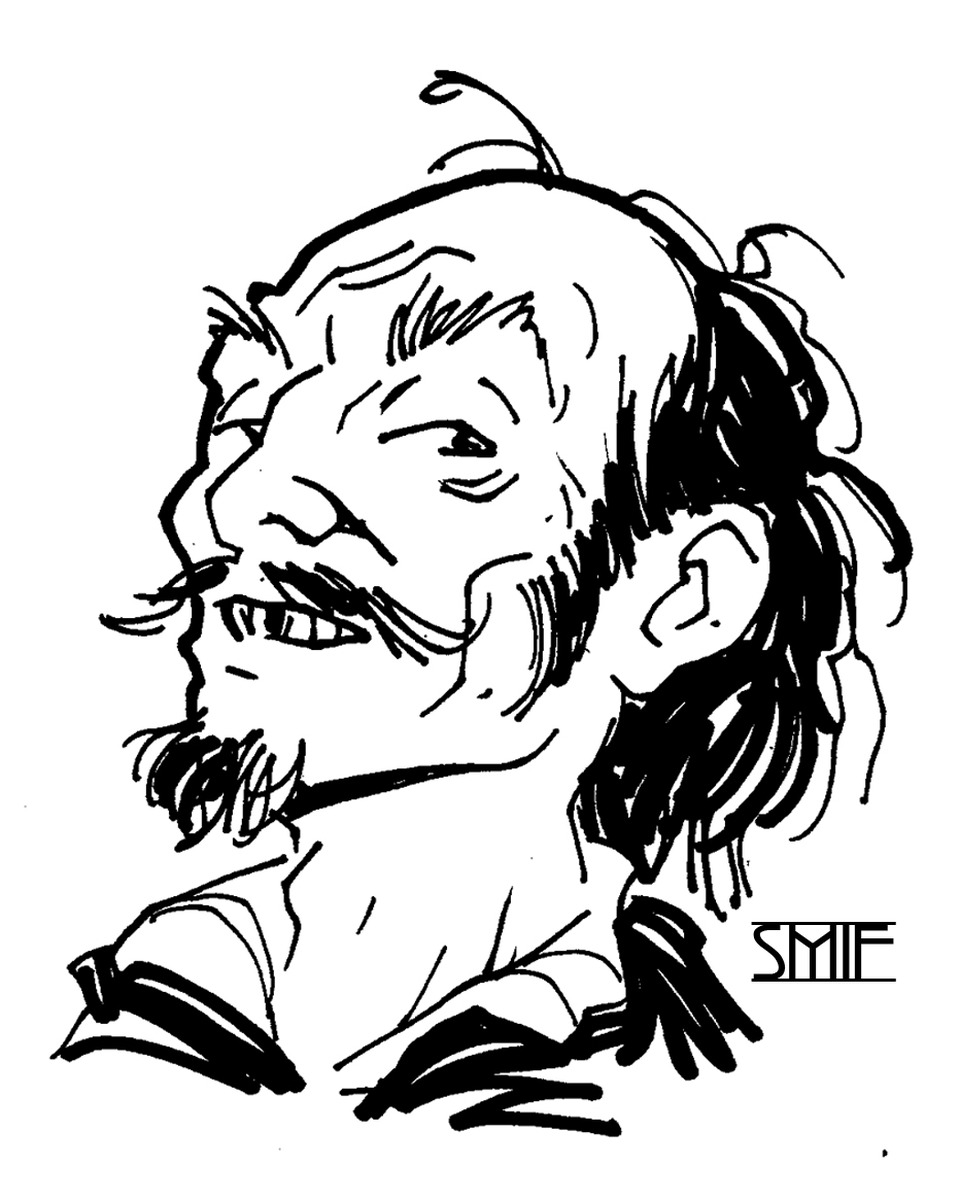
Xerxes himself, the nabob and master of the house, is genial and unhurried, a man who dispatches a difficulty and then goes in to dinner. He had come home from church ahead of the rest and was about the passage seeing the wine decanted, moving between cellar, dining room, and passage in the quarter-hour before the gong, alone for stretches of it. Dr Quill's sleeping draught stands on his night-table; he is a poor sleeper who walks the house in the small hours, and Quill had called that day to see to it.
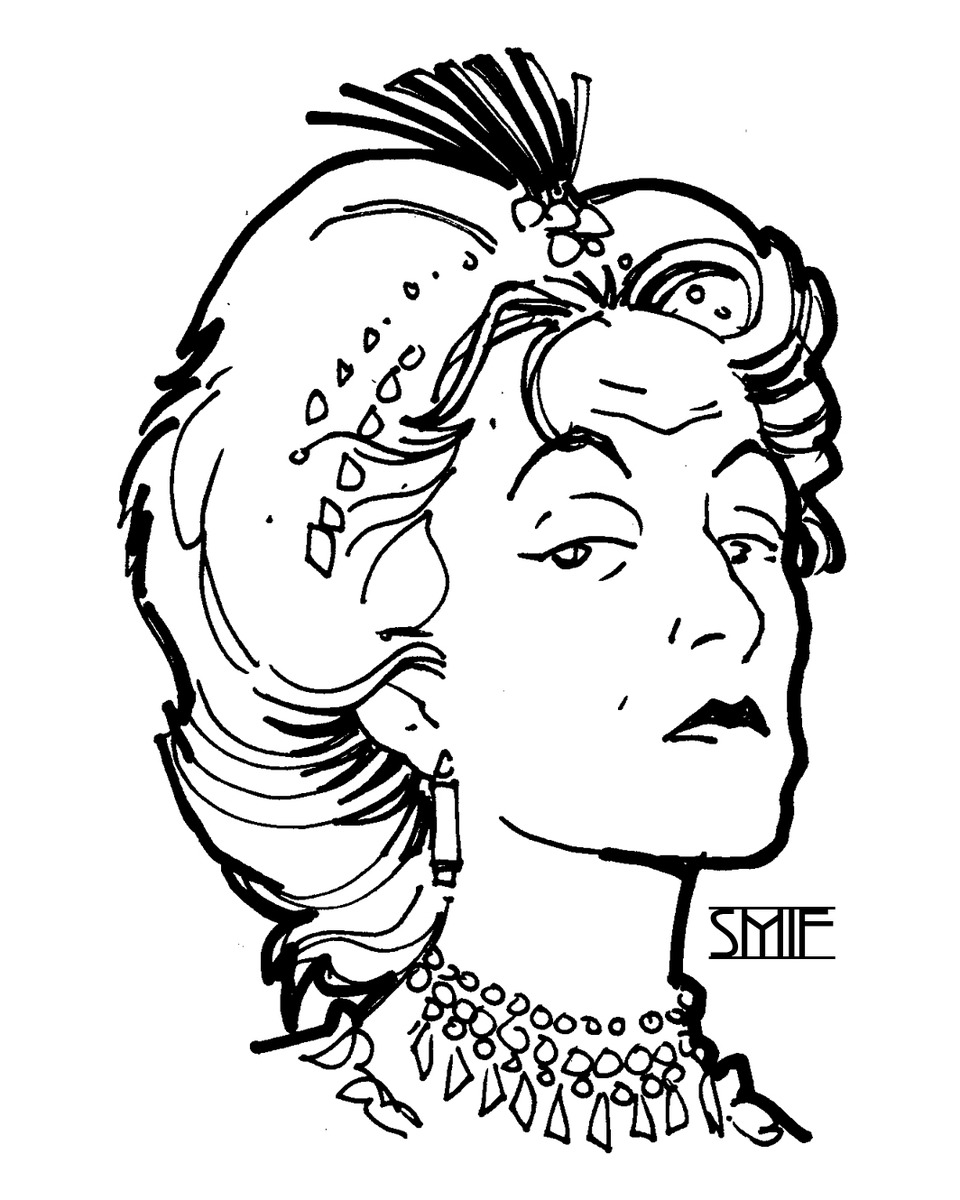
Lavinia — Lady Lavinia Loveless upon the bills, born Isolde Marsh — was dressing above-stairs. Gaunt had held her own savings in trust and doled them out to her with a moralist's satisfaction, and she had resented him since childhood; but her maid had her laced into her gown at the hour the gong should have rung, and she could not have come down unseen.
Colonel Cecil Cruikshank arrived late from Cruikshank Manor, come on a matter of business. He pays Lavinia to sit for him and would not have Gaunt call the sittings a sin. The porter logged his carriage at the door after Gaunt was already found, and three servants attest he had not yet entered the house. Nan Pringle rode in that carriage — the poor relation, tracking the Colonel's business, a woman who prefers to act unseen and could not buy a judge's silence — and was logged at the door with him, after the discovery.
Captain Wat Frew, who works for Xerxes and blackmails half the city, was down at the harbour steps with two boatmen over a delayed cargo until well after the gong; the boatmen and the tide-clerk place him there. Gaunt was the rare mark who would have welcomed exposure and could not be levered at all.
Aziz, Xerxes's companion and a devoted man, who moves hardest against whoever most endangers those he loves, was in the dining room the whole quarter-hour, setting the table in the company's plain sight, the cheetah at his feet. Dr Quill — physician, coroner, a nervous man who fears a judging eye — sat the while in the drawing room with Effie Strange, the bright young thing and heir-presumptive to the Colonel, quietly desperate and cleverer than she plays. From the church-return to the alarm, neither left the other.
The twins, Fifi and Zane, had passed the whole of the day and evening at Cruikshank Manor across the water, abed and vouched for by that household; neither crossed. Cousin R kept to his rooms with the door bolted from within, a tray sent up, seen by the footman when he took it and again when he fetched it; he did not come down.
The gong was rung at last into a hushed house. The soup went cold in the tureen, and in the book-room a folded pair of hands kept a prayer no one finished.