
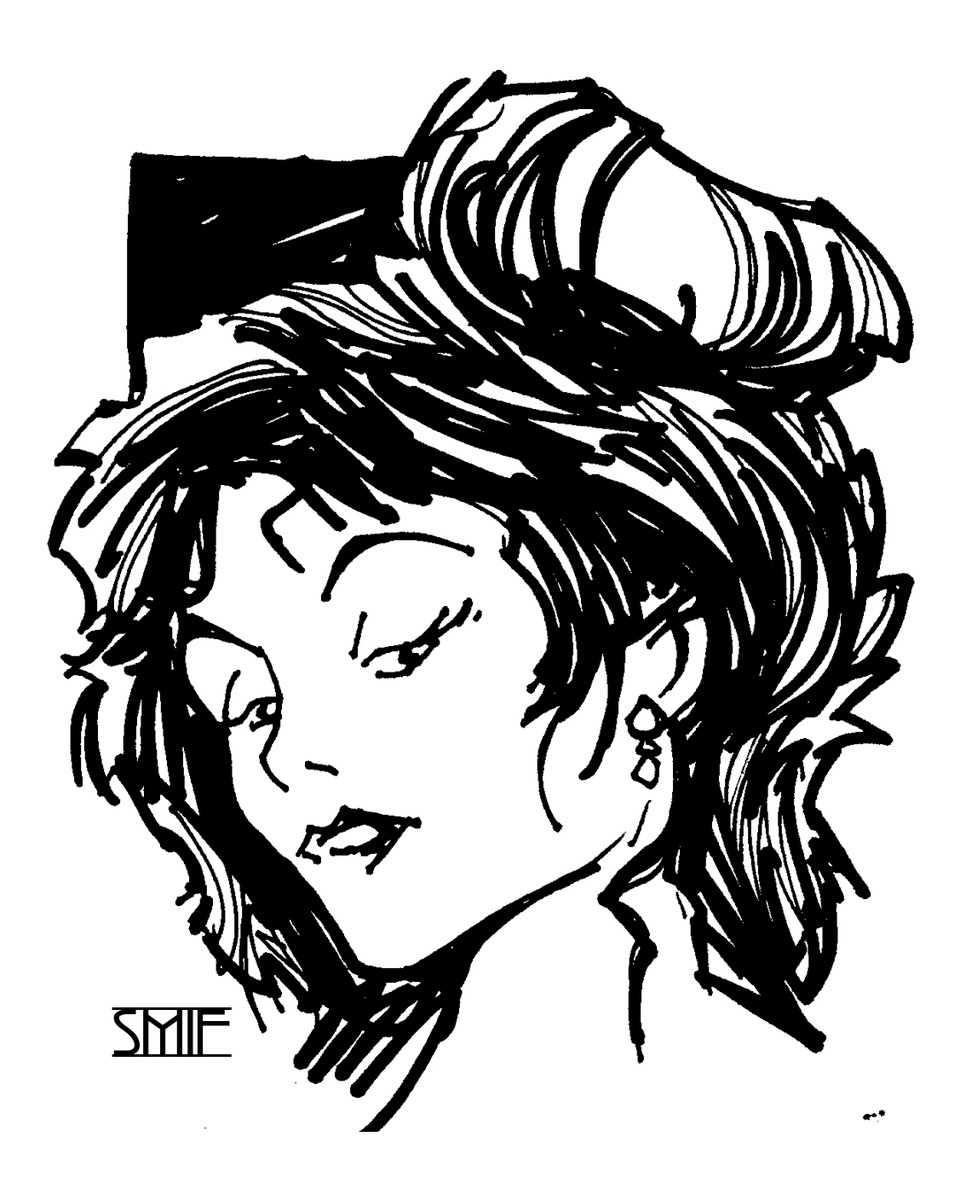
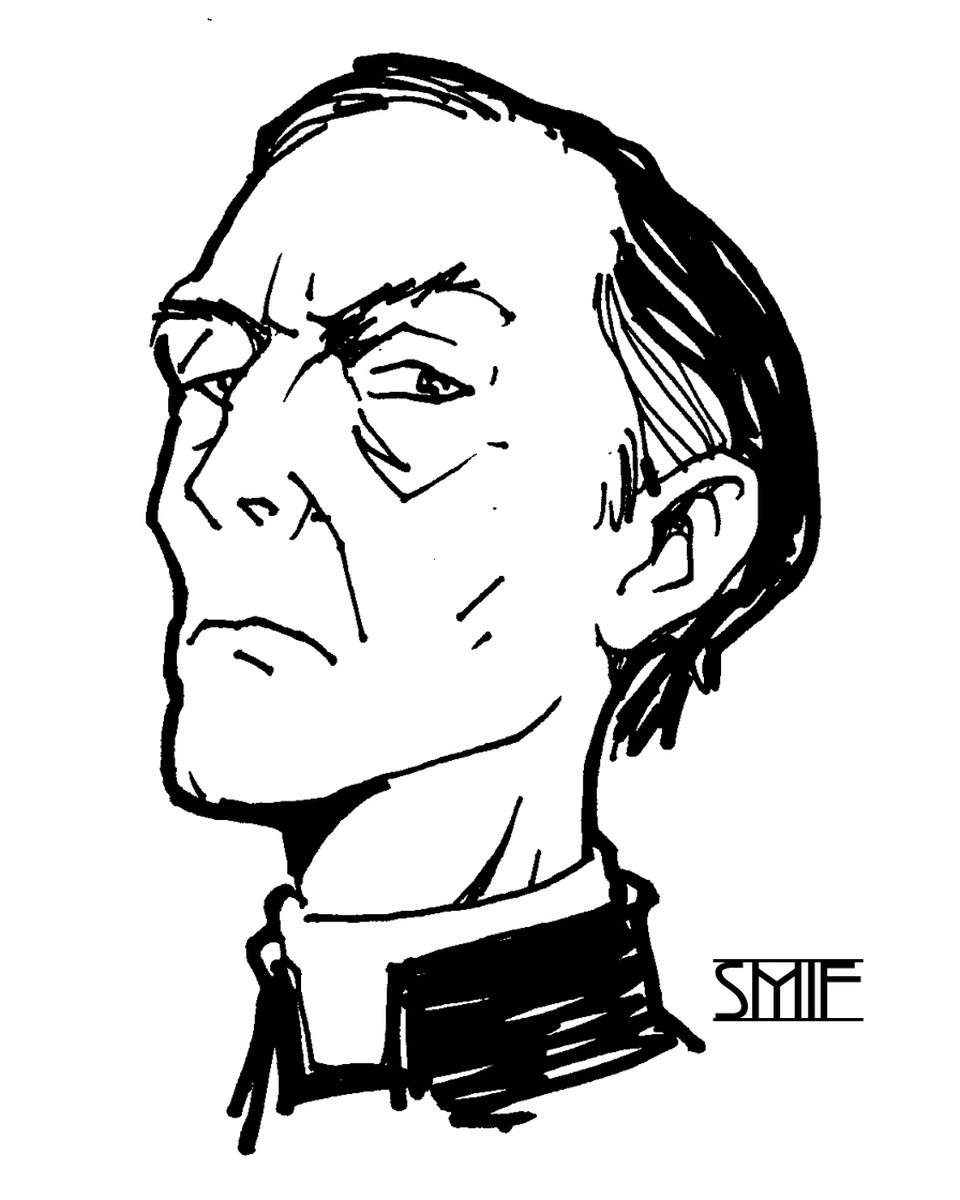

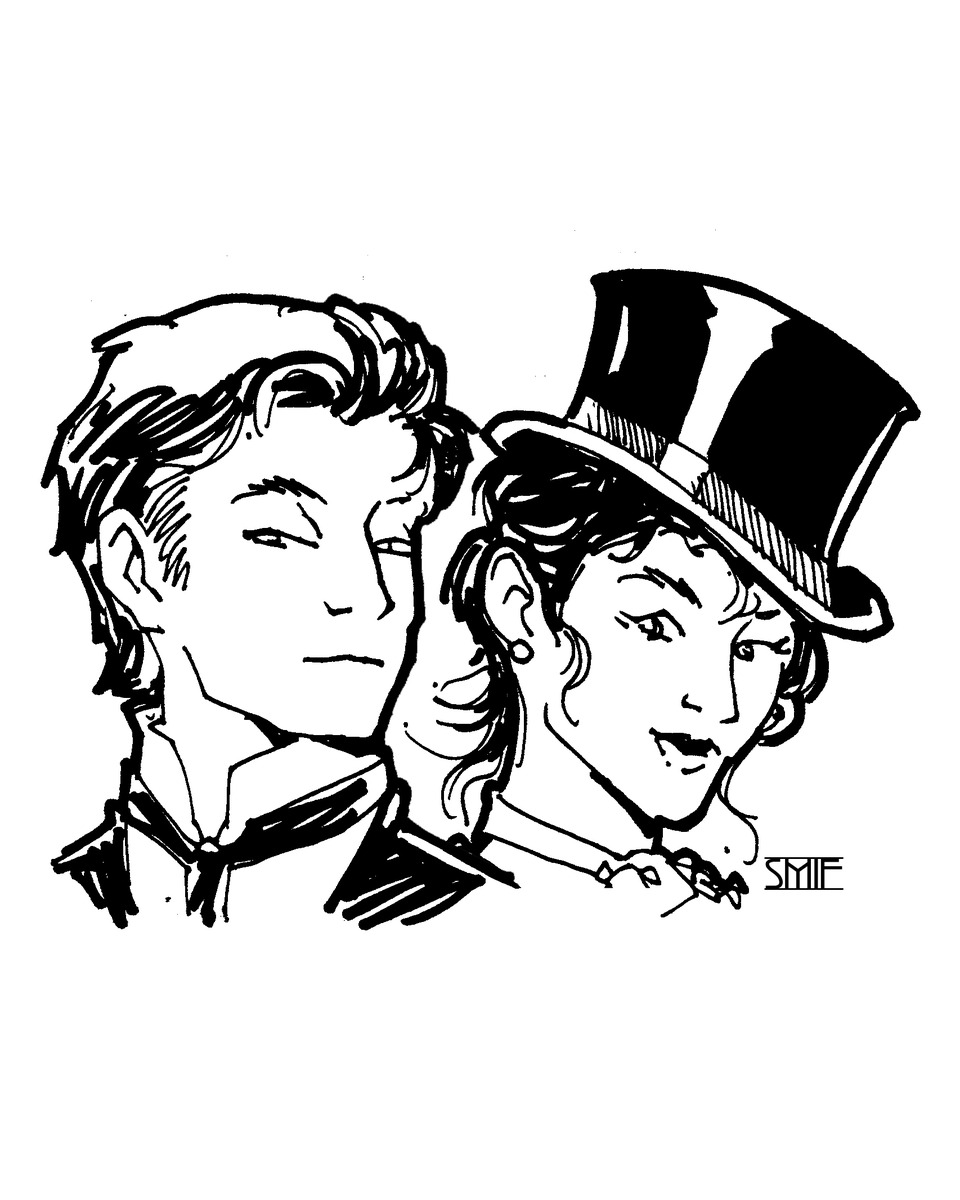
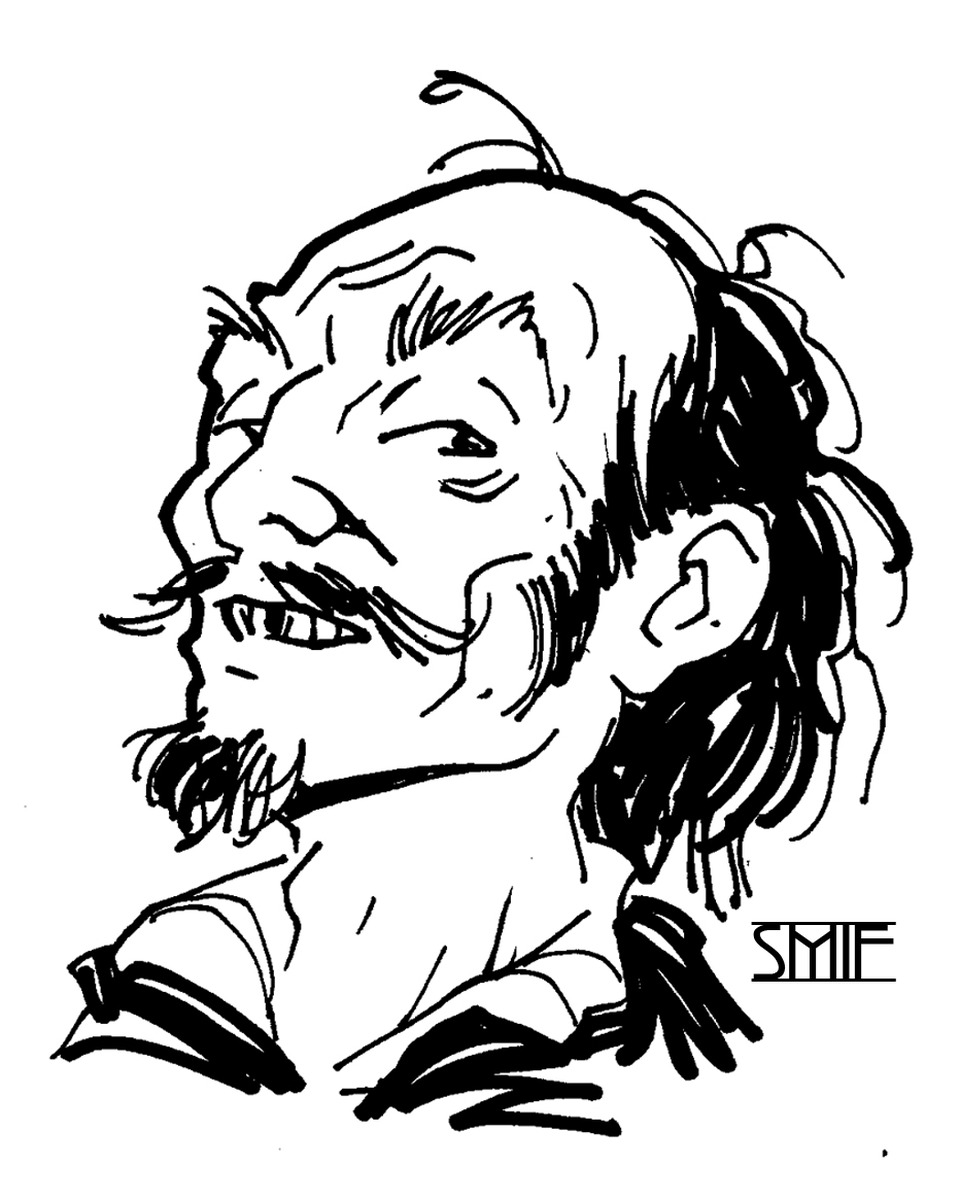
It was a wet Tuesday evening in October 1884, and Cruikshank Manor had been given over not to a sitting but to music. The Colonel was firm on the distinction. Fridays were for the spirit; Tuesdays were for Chopin; and a man who confused the two deserved neither. Accordingly the lamps were carried out of the long drawing-room, the company was seated in the dark facing the piano, and Effie took the stool while Nan Pringle stood at her shoulder to turn the pages.
Effie began at 9:00. She did not rise from the stool again until the company called for lamps, and Nan stood beside her the whole while, turning at each nod, both of them in plain view of every seated guest — which is to say, in the only part of the room that could be seen at all.
Some minutes into the first piece there was a rustle, and Lady Lavinia Loveless rose from her chair and went out towards the ante-room. Two of the guests recall the sound of it; not one of them could see anything but the piano and the two women at it.
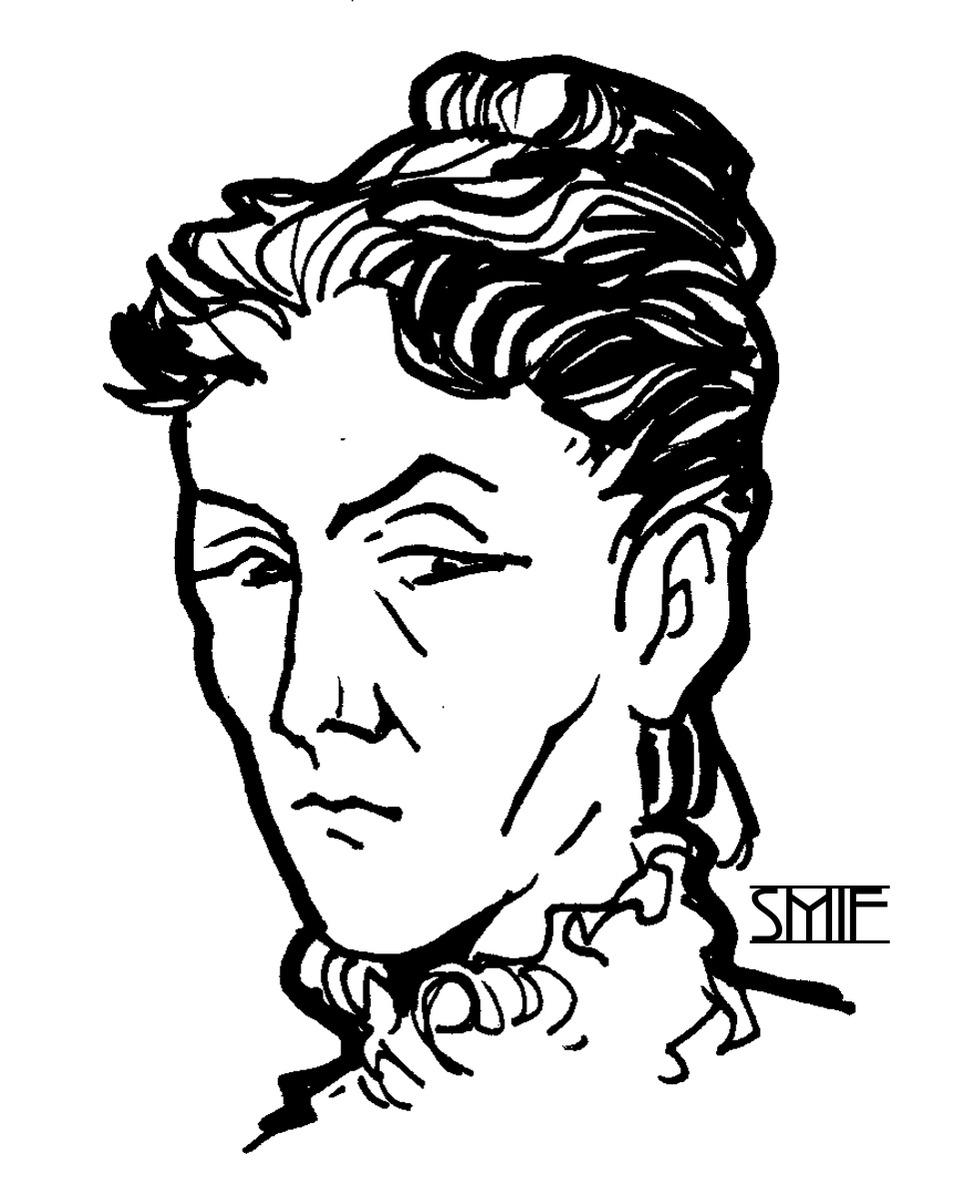
At 9:30 Mrs Gow, the Colonel's housekeeper, came in with the lamps, and Lavinia was found in the small ante-room between the drawing-room and the passage that leads to Xerxes's usual smoking corner. She lay tidily on her side, with a length of green silk curtain cord about her throat. She had been strangled with it. The cord matched, exactly, the tie missing from the ante-room's own window.
She lay squarely across the ante-room doorway — the whole width of it, between the drawing-room on the one hand and the passage on the other — arranged in such a way that she did not appear to have dropped where she stood so much as to have been laid down in the act of barring the way.
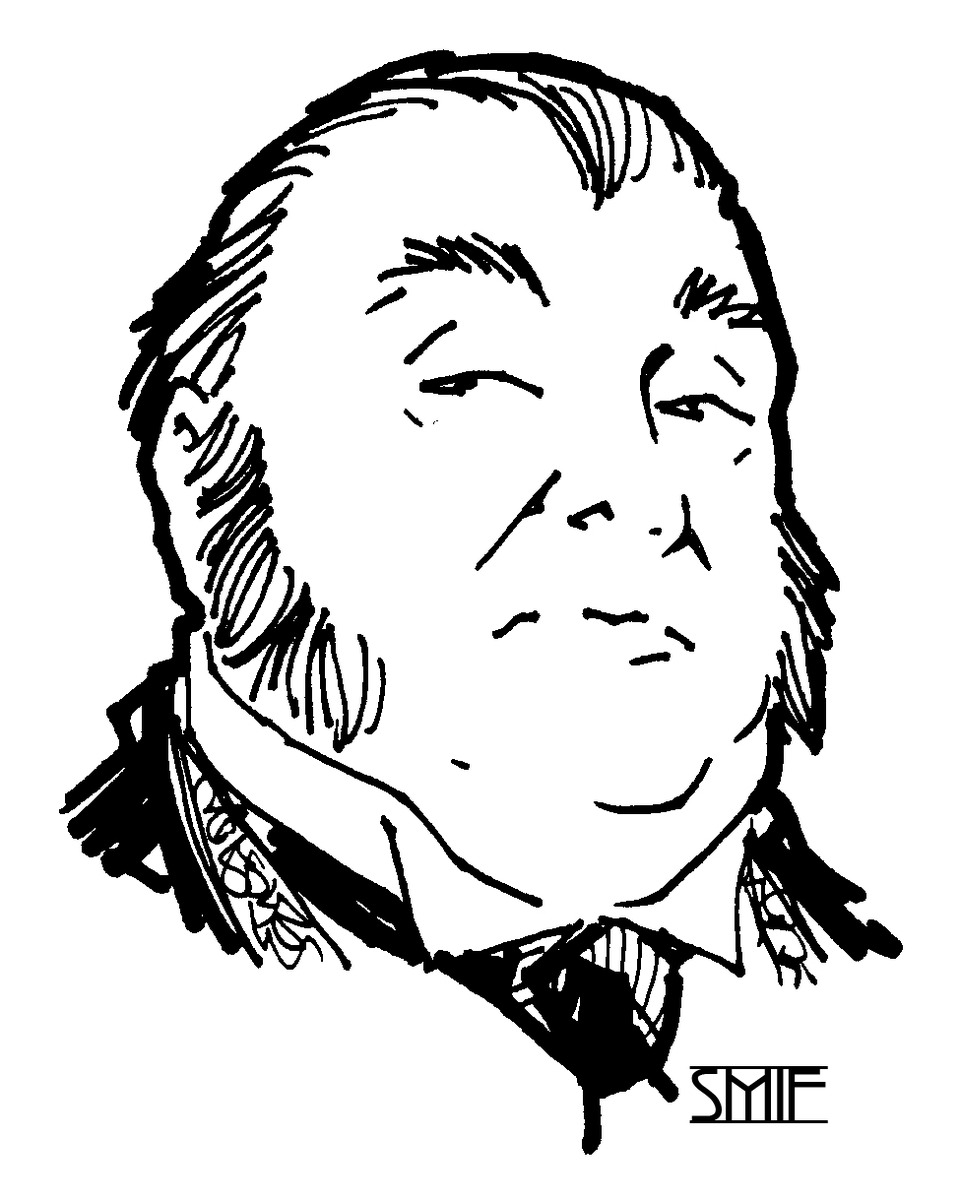
Dr Tobias Quill, who is also the city's coroner and thus spared the tedium of sending for himself, put the death between 9:00 and 9:30: after the music began and before the lamps came. Nothing had been taken. Her rings were on her fingers, her purse was upon her, and the paste tiara in which she performed sat exactly where it had been pinned. The green cord, he observed, had been cut and not torn — a clean cut — and a small clasp-knife lay folded on the ante-room mantel, tidily, as though returned to its place after use.
There was no mystery in the cord itself. The green silk ties hang in every downstairs room at the Manor, and Mrs Gow has them cut and replaced twice a year; anyone in the house might have laid a hand on one without walking six paces to do it.
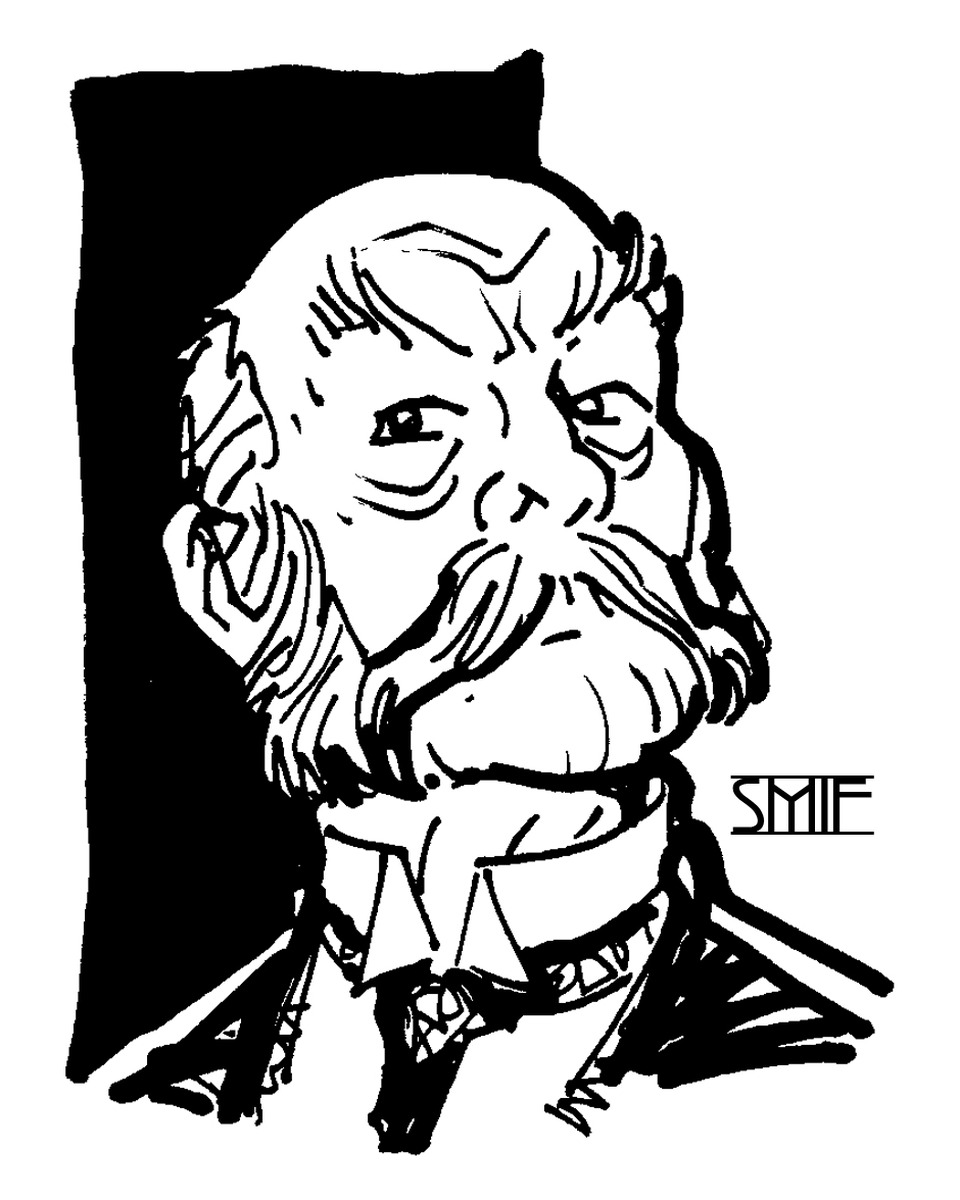
The Colonel bore the whole business with the air of a man whose evening had been spoiled by rain. He had paid Lavinia four guineas a week these two years to bring him word of his late wife; the sum is entered in his own hand in the household book, unhidden, and he has told the entire company that he considers it money well spent, and has said so more loudly to those who raised an eyebrow. He sat in the front row throughout, remarking audibly upon the Chopin, and both Cousin R and Dr Quill had him in view from 9:00 to 9:30.
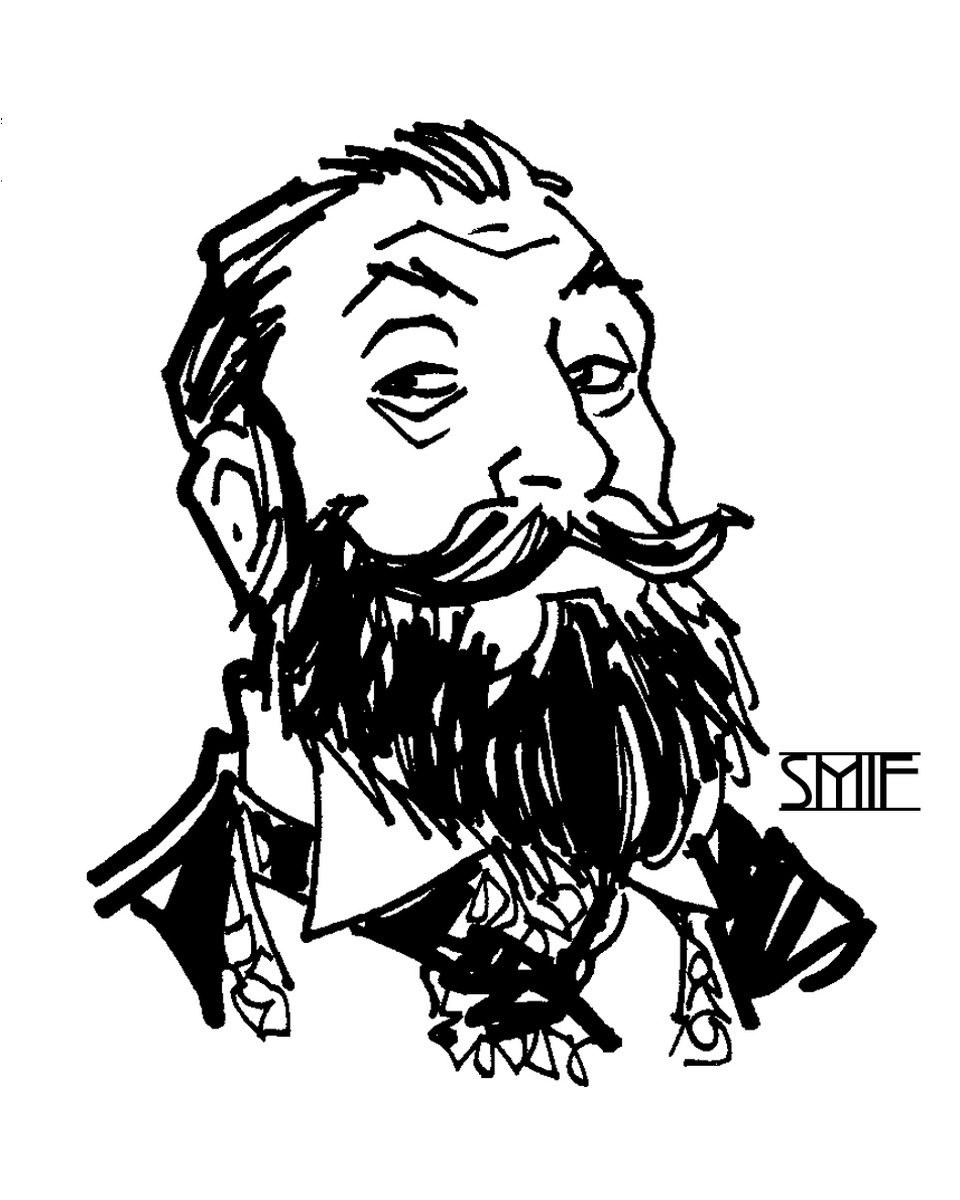
Cousin R sat at the end of the second row — a guest of no traceable connection, who attends the Colonel's evenings without ever having been invited to one, collects other people's secrets and spends none of them, and had lately been watching Lavinia perform with the attention of a man pricing a picture. He was in the Colonel's line of sight and in Dr Quill's from before the music began until the lamps came. In the small notebook he keeps of the company's arrangements, there stood an entry made a fortnight since: that Lady Lavinia's engagements at the Manor were the best of her remaining season, and that he would be sorry to see them end.
Below stairs, Fifi had been in the servants' hall with Mrs Gow from a quarter to nine until she went up with the lamps at 9:30, and Mrs Gow vouches for every minute of it. Fifi is a housemaid, twin sister to the footman Zane, a collector and a leaker of whatever passes within earshot, and has never troubled to hide her contempt for a trade in dead wives. A week before, she and Lavinia had exchanged words in the passage concerning a borrowed shawl, loudly, and to the lasting entertainment of the servants' hall.
Of the rest of the company, the accounting was brief. Captain Wat Frew was aboard the Kestrel at the harbour all evening with two of his crew. Zane had been sent to the chemist's at eight and did not return until after ten, the errand vouched by the chemist's boy. The Reverend Simeon Gaunt kept a vigil at St Enoch's before forty witnesses, none of whom had anywhere else to be.
Which leaves the back stair. Mrs Gow saw Aziz go up it towards the drawing-room passage at about 9:05, and saw him come down again at about 9:20 with his coat over his arm. He says he went to see whether Xerxes wanted anything and found him asleep. Aziz is the companion who travels with Xerxes Hartfield and has lodged under his roof these nine years: a mononym, a red fez, and a habit of standing very slightly in front of whoever he happens to be with. He speaks little and misses nothing. His whole standing in the world runs through that household — the roof, the passage money, the place at table; he has neither property nor family in Cairnholm, and no claim upon anything he does not hold through Xerxes. Twice this year he has put himself bodily between Xerxes and a nuisance — a drunk on the Shore Road, a creditor at the door — and on both occasions had to be spoken to afterwards about the excess of it.
Xerxes himself sat the whole evening in the smoking corner at the far end of the passage, beyond the ante-room, taking Dr Quill's sleeping draught in port and dozing over it. The only route from the drawing-room to that corner lay through the ante-room in which Lavinia was found.
Two matters from the week before remain to be set down. At the Friday sitting — the Manor sitting, for the Colonel alone; her custom at Hartfield House being to sit privately in her own rooms, any day of the week, for whoever will pay — Lavinia broke off in the middle of the Colonel's usual business and said, in her own voice and not the spirit's, that there was a locked door in this house's company, and a man standing in front of it, and that she would have the name of what was behind it before the month was out. The Colonel thought it a poor return on four guineas.
And on the Saturday she sent round a note to Aziz, asking him to sit privately with her, alone, before Sunday. It was found in the ante-room grate, unburnt, one corner scorched.
The lamps came in at half past nine and found the company still seated, facing the piano, with Lavinia lying in the doorway behind them, quite tidy, the green cord neat about her throat and her paste tiara unmoved; and at the far end of the passage Xerxes Hartfield slept on, undisturbed, and had to be woken to be told.