
The orchids at Hartfield House keep a very brief season, and Xerxes had long made a virtue of it: one night a year, the conservatory thrown open, the hothouse driven to a punishing heat, and every specimen labelled in Latin upon its own little brass plate. Beyond the conservatory door lay the house's other vanity — the Turkish bath, three tiled chambers in stepped heat, marble benches, a slab, and stacks of Egyptian linen folded square as bricks. Guests admired it. Nobody used it. Xerxes used it alone, at the same hour every night, and said so.
At ten past eleven he was found on the marble slab of the hottest chamber, smothered. He lay straight along the stone, arms at his sides, a folded linen beneath his head in the manner of a pillow, as a man might be laid out by somebody with a strong feeling for symmetry. There was no wound upon him and no mark of struggle.
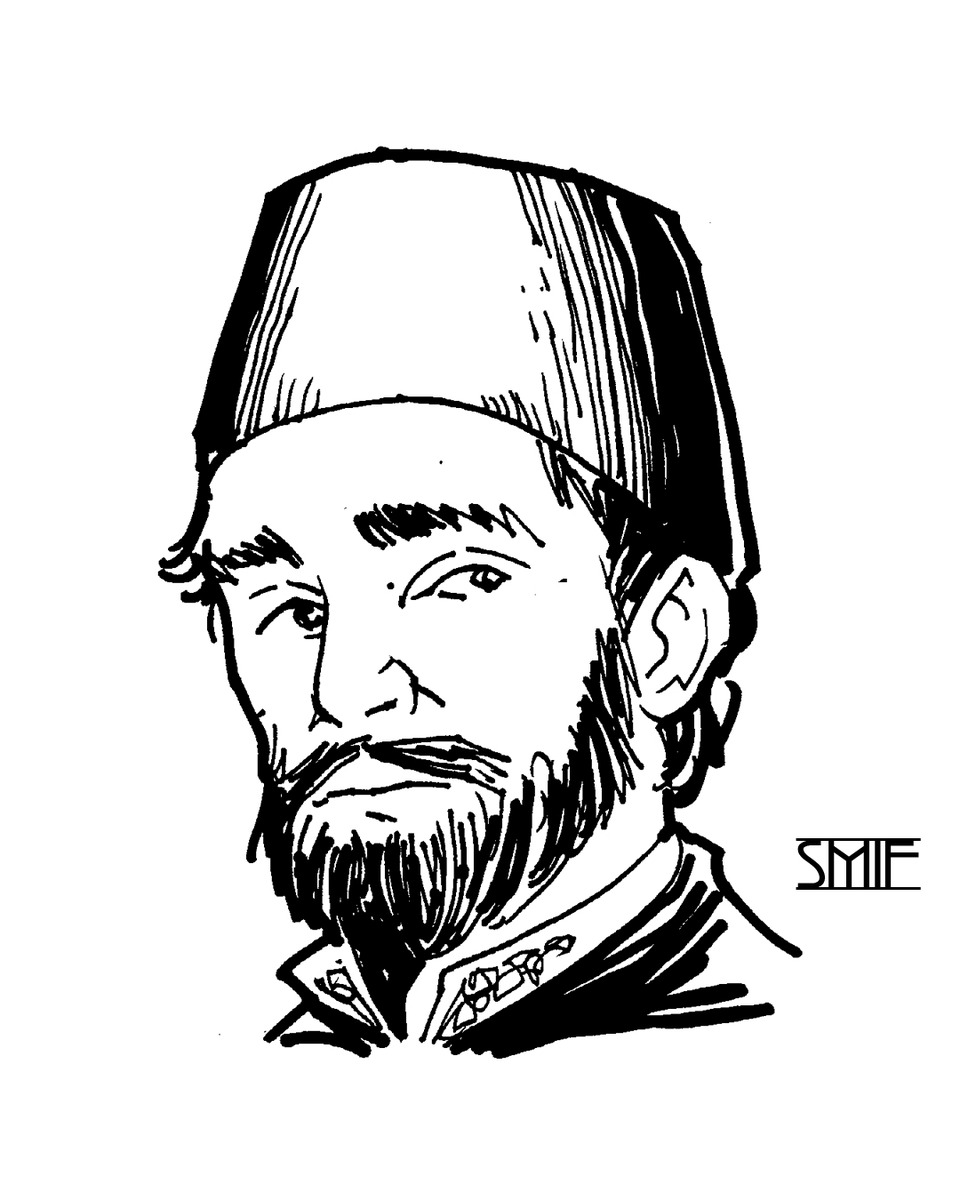
Nothing in the chamber was disturbed. The stacked linen stood square upon its shelf; the copper dipper hung on its hook; the tiles beneath the slab were dry. The fez he wore about the house lay on the bench beside him, brushed and set upright, its tassel drawn out straight. And across his breast lay a single orchid — cut, not fallen — a Cattleya labiata taken from the centre stand of the conservatory, where a stem now stood shortened by exactly one bloom. It had been severed with a clean blade. The conservatory's own shears hung on their nail, and had not been touched since morning, the gardener said, and was firm about it.
The Maharaja's Sapphire, Xerxes's great ornament, was still at his throat. Its velvet slip-case lay open and empty on the bench. The stone had come to him as a gift — from no purchase and no inheritance the household could name; it was known only that it arrived after he did, that its worth exceeded anything he had ever been heard to pay for a thing, and that he had worn it at his throat every day since, never sold, never pledged, never left off. Aziz kept the empty case in his own room and carried it down each night; the sapphire went into it only while Xerxes bathed, and came out again before he dressed. On this occasion it had not gone in.
The furnace had been damped at some point in the evening, so that the hottest chamber was already cooling when the company arrived. The attendant had been sent away at nine o'clock, as Xerxes always sent him away. Dr Tobias Quill, physician and coroner, invited as a guest and pressed into service, examined him where he lay and put the death between ten o'clock and eleven o'clock, adding that in that heat he could not make it narrower, and that anyone who asked him to would be disappointed.
Aziz found him. He had gone down with the sleeping draught, as he did every night of the nine years he had lived in the house, and afterwards would not be moved from the outer chamber, nor would he permit anyone to straighten the fez any further than it already was. In the outer chamber, along the cool tiles, Mabel the cheetah lay at her ease and did not stir; Wat had fed her at nine o'clock, and she had no further business with the evening.
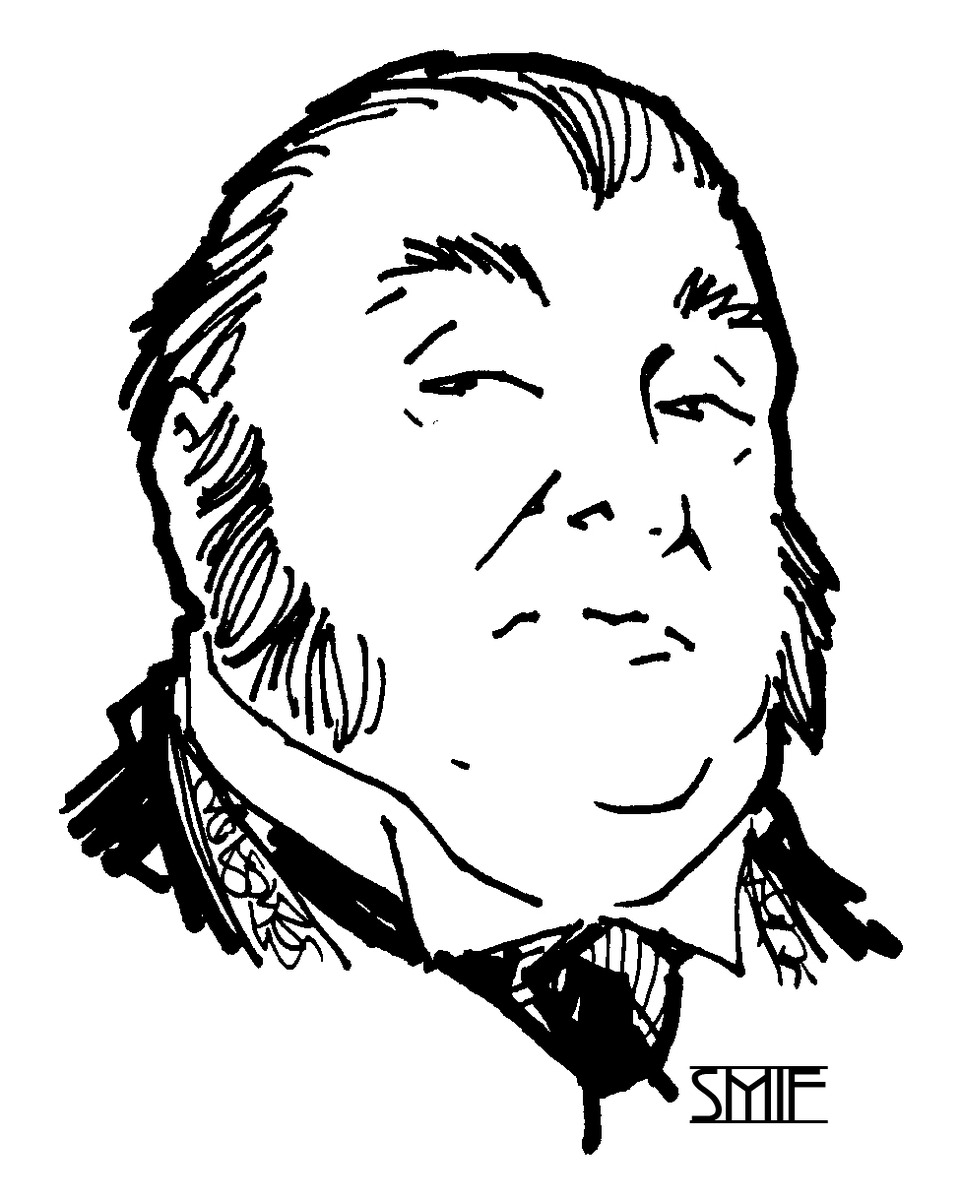
The gala itself had been a considerable success. Effie stood in the conservatory from half past nine until a quarter past ten reading the brass labels aloud in correct Latin to a knot of guests, who were astonished, and said so; then she went to the card room and lost to the Colonel until the alarm. The Colonel had come about a shipping venture and spent the evening pursuing a signature he did not obtain; the papers went home unsigned in his own pocket, and the venture dies for want of a partner. He sat in the card room from half past nine until the alarm, at the same table as Nan, who carried his glass, his coat and his temper, and lost steadily and audibly the whole while — vouched for by four at the table. Nan and Xerxes had for years each held something of the other's, and neither had ever spent it.
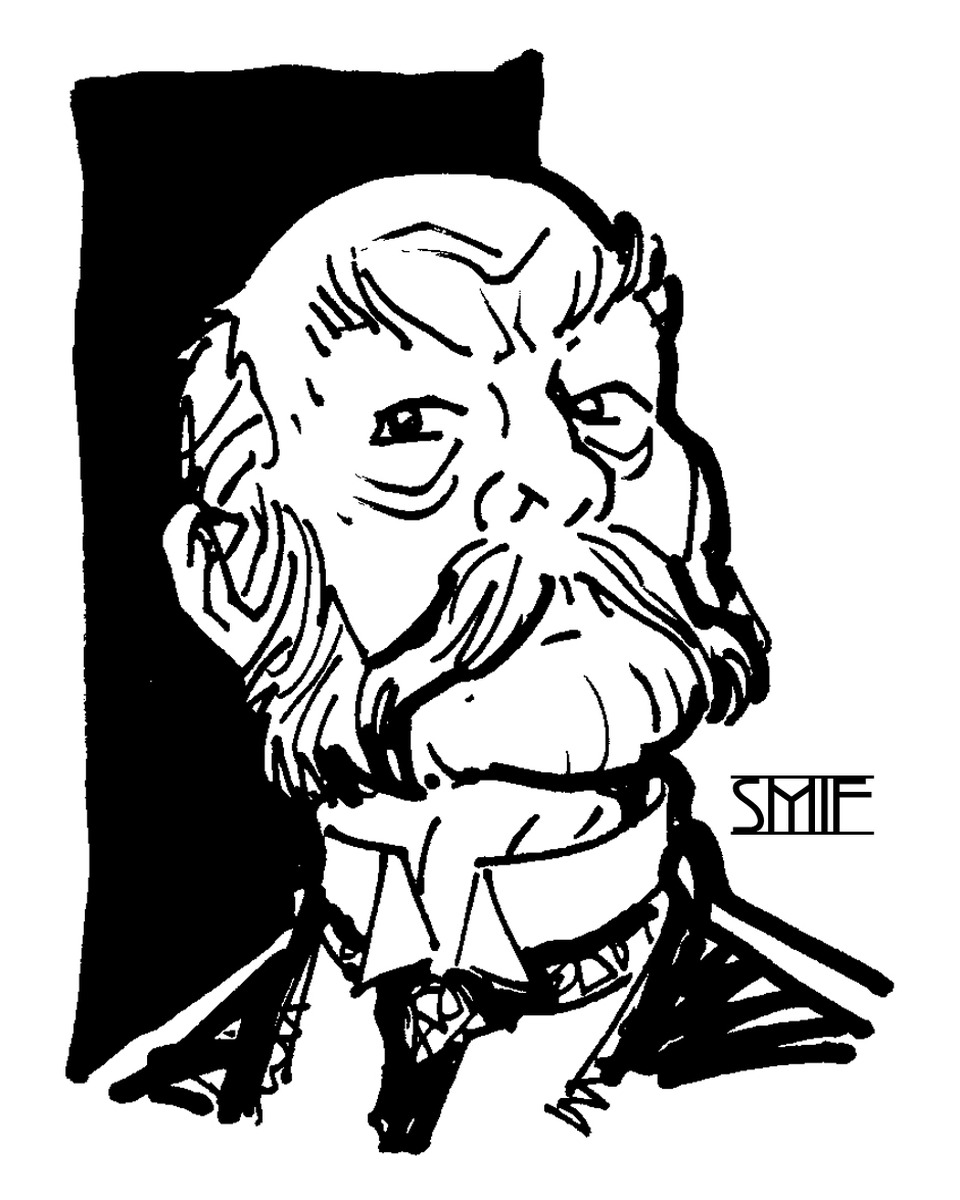
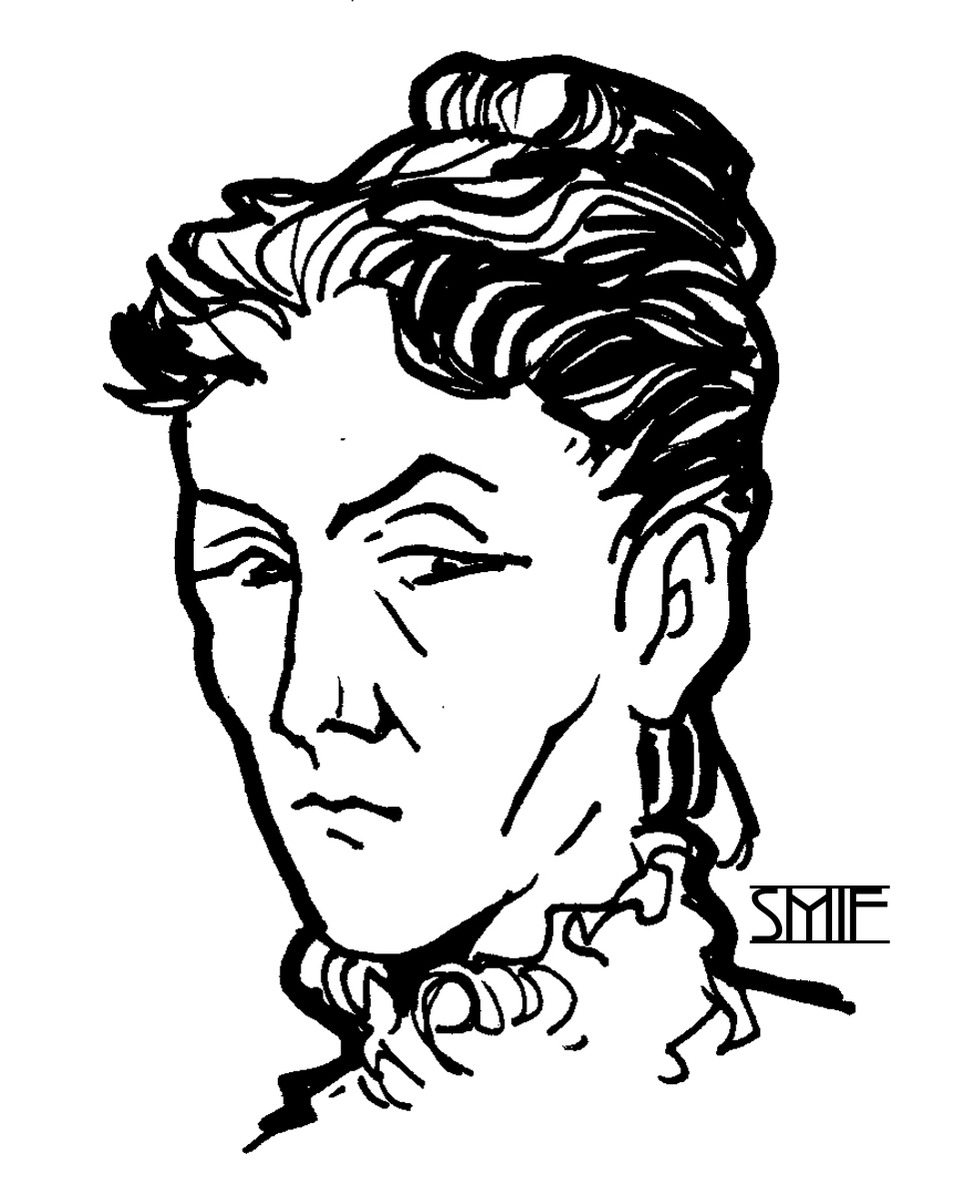
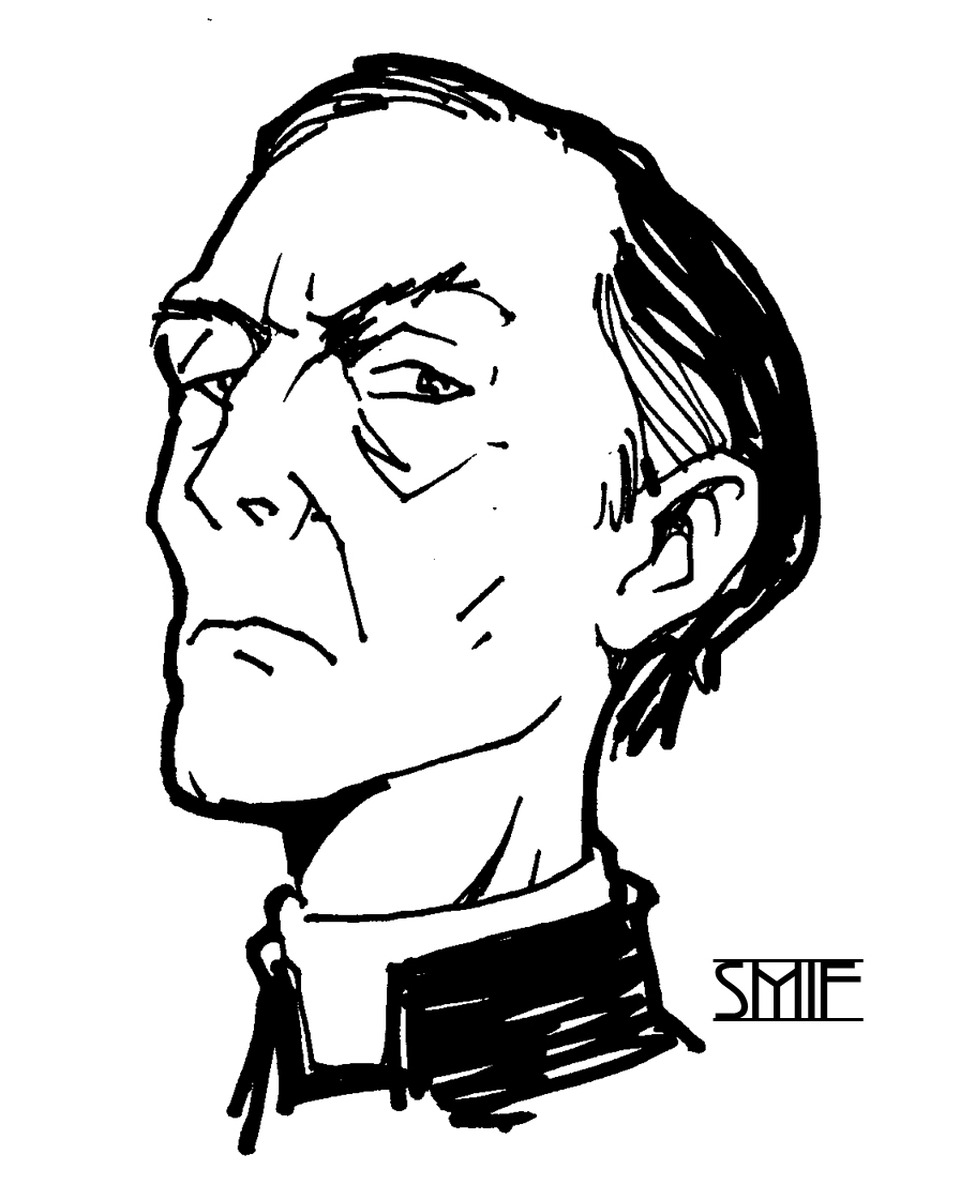
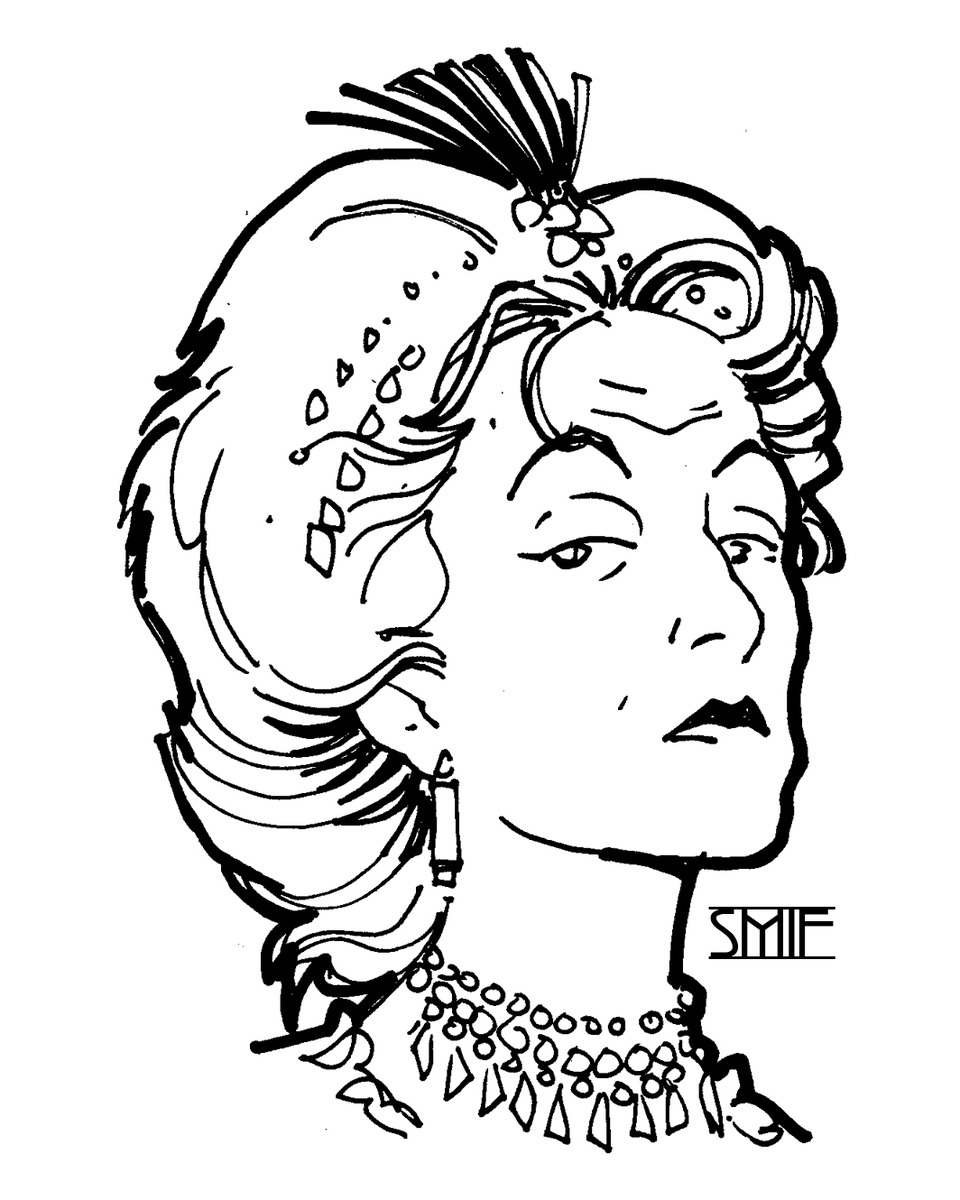
In the green drawing room, with the doors shut for effect and the room lit by two candles, Lavinia gave a table for the guests' amusement from a quarter to ten until twenty past ten, before eleven sitters; afterwards she took brandy with the same party until the alarm. She lives at Hartfield House upon Xerxes's charity and says so freely, and had lately told Wat, within hearing of a footman, that she had nothing left to pay him with and would find something by Michaelmas. Her half-brother Gaunt sat through the entire séance in the front row, disapproving of the orchids, the heat and the company at a volume every sitter afterwards remembered, and then stood in the hall with the vicar's party. Wat himself, dressed above his station and in the house on business, had fed the cheetah at nine o'clock and then sat in the servants' hall over cards and drink with the Hartfield staff until the alarm; the staff vouch for him. He had told three people at the gala exactly what Xerxes paid him, and had also said aloud, to anyone near, that Xerxes bathed alone every night, sent the attendant off at nine, and did not lock the doors — a fact the whole household already possessed. Quill was in the billiard room with the Colonel's party from ten o'clock until the alarm, four witnesses; he supplies the sleeping draught and had brought the week's bottle with him. Aziz was in the still-room and the upper passage from ten o'clock, seen twice by staff, and then went down at ten past eleven.
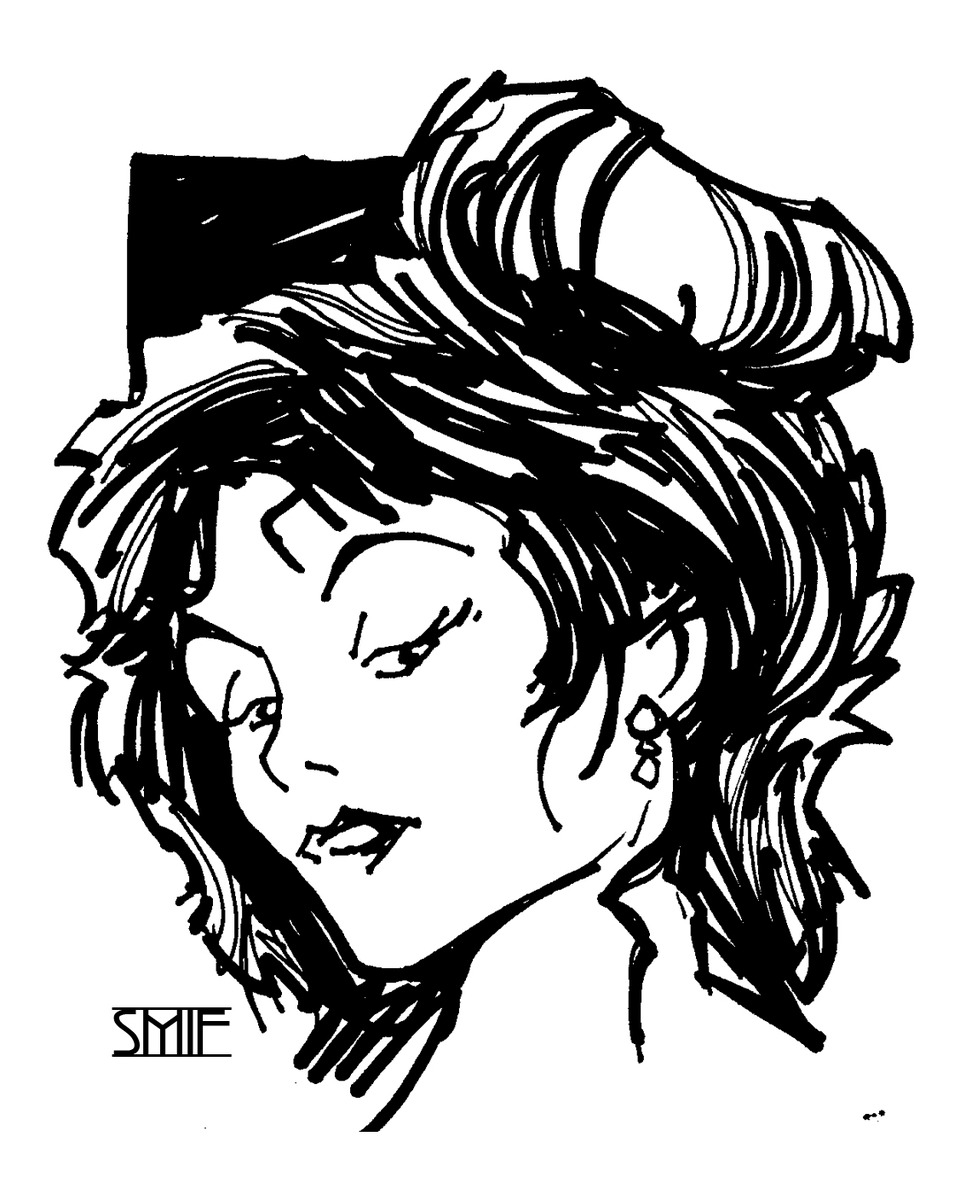
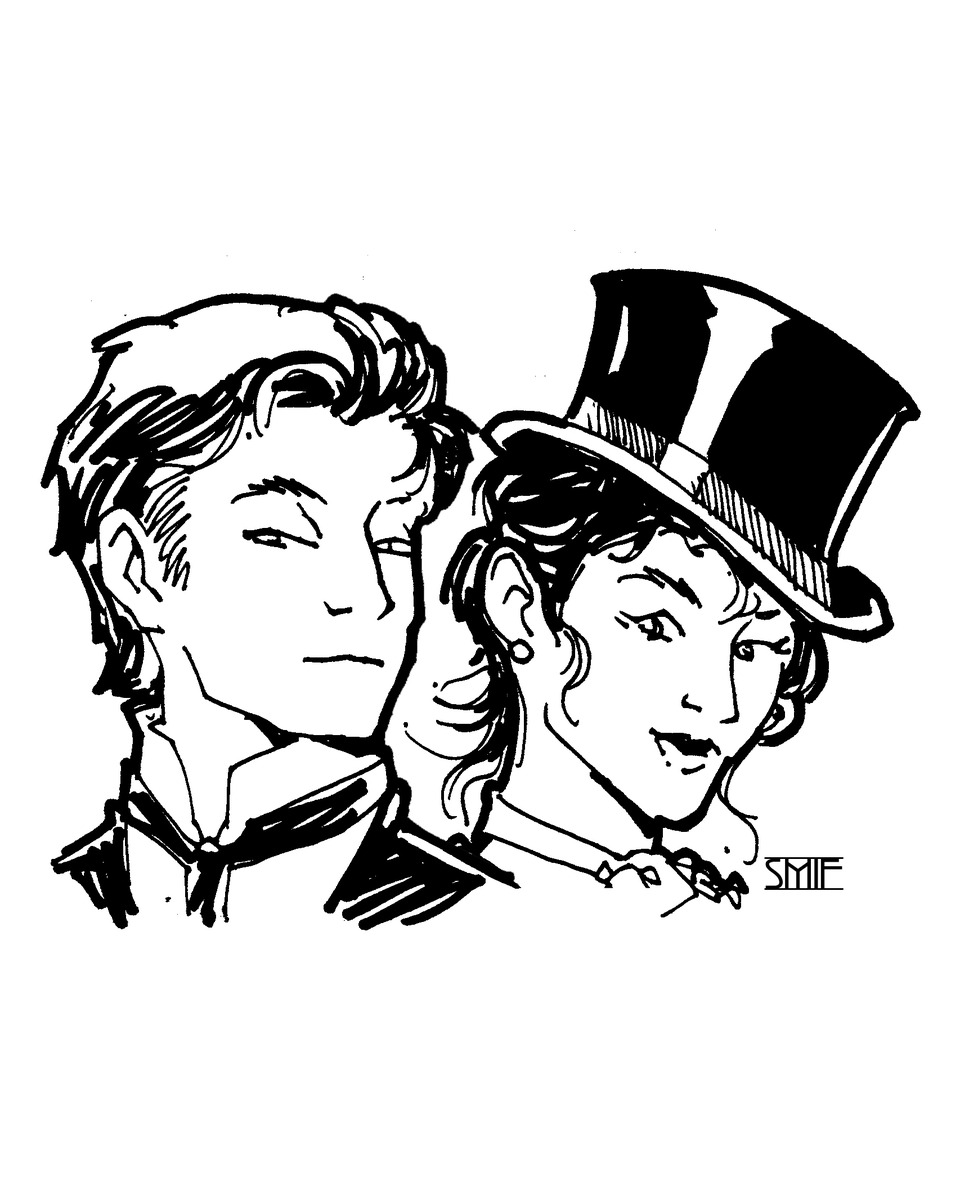
Fifi and Zane were not at the gala at all. They passed the night at Cruikshank Manor, abed by ten o'clock and vouched for by the housekeeper and two of the staff. Fifi had written to Xerxes three times this season and been refused three times, the last refusal a fortnight ago, and had not accepted it, and had said so to anyone who would listen.
That leaves Cousin R, a guest of unplaceable relation and no surname anybody has ever produced, who collects what he learns of people and has never been known to ask a farthing for it. He holds — and has held eleven years, without a penny asked — the fact that Fenella and Zane Swain were born Swann. He spent the gala moving between the conservatory and the bath corridor, admiring the orchids at length. He was seen in the conservatory at half past nine and again at eleven o'clock, and not vouched for between. At half past nine two guests heard him observe that the tiled chambers were the finest setting in Cairnholm and that it was a waste no one was ever seen in them. They remembered it because he said it twice.
There is also a closet at Hartfield House whose contents two people in Cairnholm have learned. Neither has ever said. Xerxes never denied it, and was never asked.
The furnace cold, the linen square on its shelf, the dipper on its hook, and on the slab the long straight figure with an orchid across his breast and the sapphire still at his throat — the whole tiled chamber composed as if it had been arranged for someone to come and see it, which, at ten past eleven, someone did.