
The Colonel had promised his India slides, and on a wet Tuesday evening in the autumn of 1884 the long drawing-room at Cruikshank Manor was cleared for the magic lantern. Chairs were set out in rows, the curtains drawn close, a sheet pinned to the chimney-breast, and a decanter of port stood upon the sideboard against the interval.
The lantern was lit at 8:30 and hissed for twenty-two minutes without pause. It is the peculiar property of that apparatus that it lights the sheet and nothing else; the room behind it becomes a well. The Colonel, who worked the slides with his back to the company and his attention upon the tray, could not have named who sat where behind him, and said so afterwards without embarrassment, as a man states the weather. Elephants passed upon the sheet, and a bridge, and a great deal of dusty light.
Port had been poured at the sideboard before the lamps went down, and the glasses carried to the chairs by hand. Zane poured; the guests took what was handed them and did not choose. Everyone in the room drank port, and everyone had a glass in his hand when the lamps went down. The decanter itself proved untainted, the Colonel finishing it two days later and being none the worse.
When the curtains were drawn back, Cousin R was still seated in the third chair of the second row, upright, his hands folded, his glass on the small table at his elbow. He did not rise with the others. Dr Tobias Quill, who was nearest, went to him and after a short examination said that the heart had failed. He had been poisoned. There was no wound upon the body and nothing disarranged about the clothes; his collar was as neat at the end of the evening as it had been at the beginning, and the thing would pass, to any ordinary eye, for exactly what Quill called it.
Cousin R's glass was found empty. The other glasses in the room stood variously full, and Mrs Gow gathered them all onto one tray when the room was cleared.
During the examination Quill took a leather pocket-book from Cousin R's coat and set it upon the mantel. It contained only blank leaves, a railway ticket, and a slip of paper on which was written, in a small unhurried hand, the single word Trembles.
Quill wrote out the certificate that same night at the Colonel's writing-desk, in his capacity as coroner, and gave the cause as a failure of the heart. He did not ask for the glasses to be kept, and did not send for a second opinion. His hands were seen to shake as he wrote; the Colonel remarked upon it and poured him a glass, and Quill said the room had been close. It is understood in the county that Quill's hands shake when he is frightened, and equally understood that he is the ablest man with a bottle for thirty miles — both facts being common property at the Manor and neither considered a criticism. A coroner's certificate in Cairnholm closes the matter. No body certified by Quill has ever been opened afterwards, and none can be without his own written application.
Of the dead man the household could say very little, and had long ago agreed not to try. Cousin R had been at the Manor eleven days. He orbits the Colonel, arrives without announcement, and stays without stated purpose. He does not extort; he collects. He is known to hold a good deal about a good many people and has never once traded on any of it.
He had spent his eleven days watching people at close range and saying almost nothing. He watched Lavinia at her weekly sitting, from the corner, without once shutting his eyes as the rest did. He watched Fifi lay a fire, all the way through, from the paper to the coal. He watched Quill take a pulse, twice, and on the second occasion stood over him while he did it. On the Monday he asked Quill in the hall whether a doctor could always tell one manner of dying from another. Quill answered that he could, and afterwards asked Mrs Gow twice that evening what else Cousin R had said to anyone.
Three years since, Quill certified the death of a Miss Trembles of Cairnholm as a failure of the heart. It was his first certificate as coroner, it has never been questioned, and the household knows nothing whatever of it except that he keeps the file in his bag and has been seen to check it.
Quill had been asked to the lecture a fortnight before and had accepted then. On the Tuesday morning he went back to his surgery for his bag, which he does not usually carry to a social evening. It stood open on the hall table from the moment he arrived, and Zane, passing with the tray, noticed that a small stoppered bottle in it had been moved from its usual place in the second row of the case to the first. At the sideboard, before the lamps went down, Cousin R stood a long while beside Quill without speaking, and looked at him with the same steady, unhurried attention he had given the fire, the barometer, and the Colonel's tiger-skin.
The company, then, and where each of them will tell you they were.
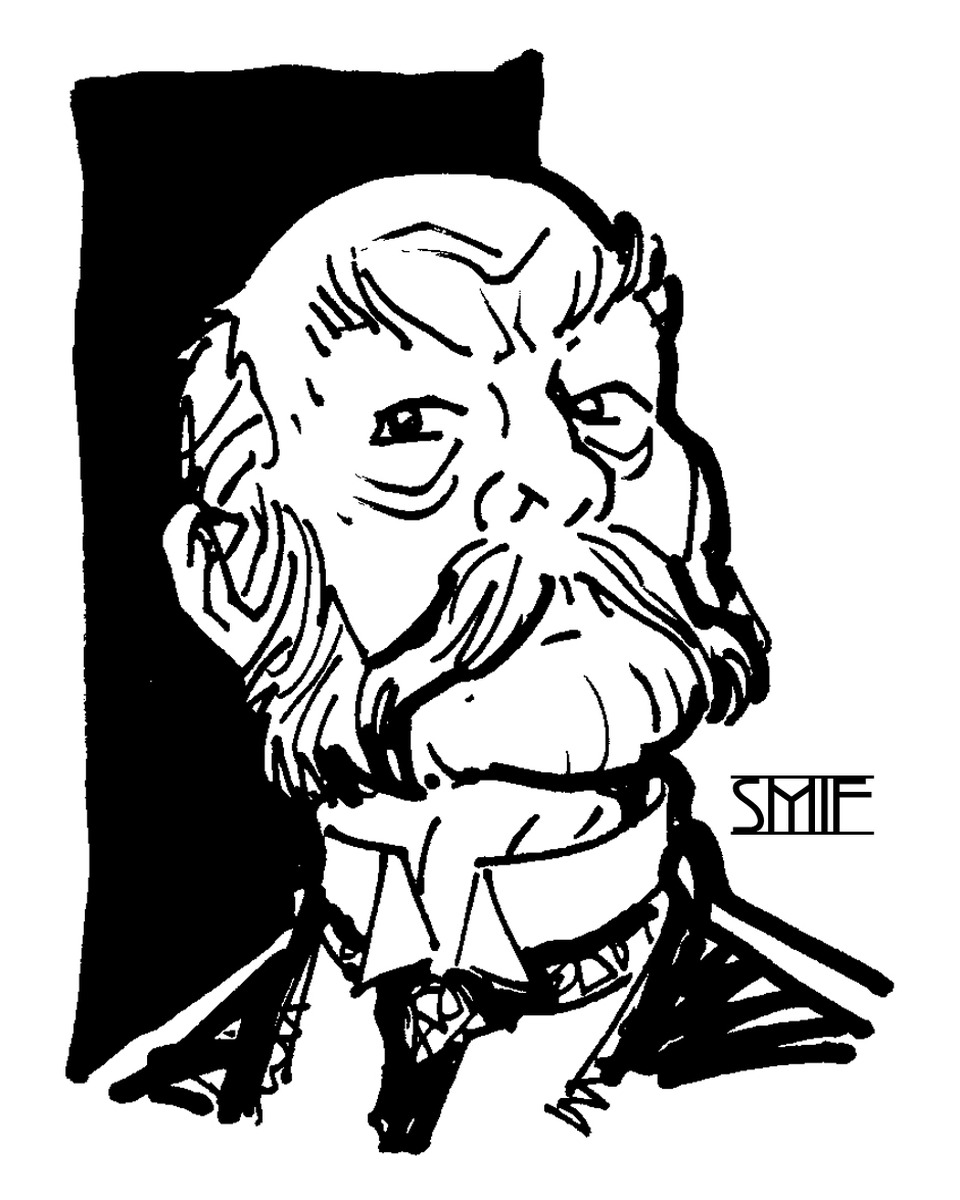
Dr Tobias Quill, physician and coroner both, arrived at 7:40 with his bag and stayed the night through. The Colonel keeps port for his visits and he comes most weeks. He sat at the end of the second row, on the aisle, one chair from Cousin R — though nobody could name where anyone sat once the lantern was lit.
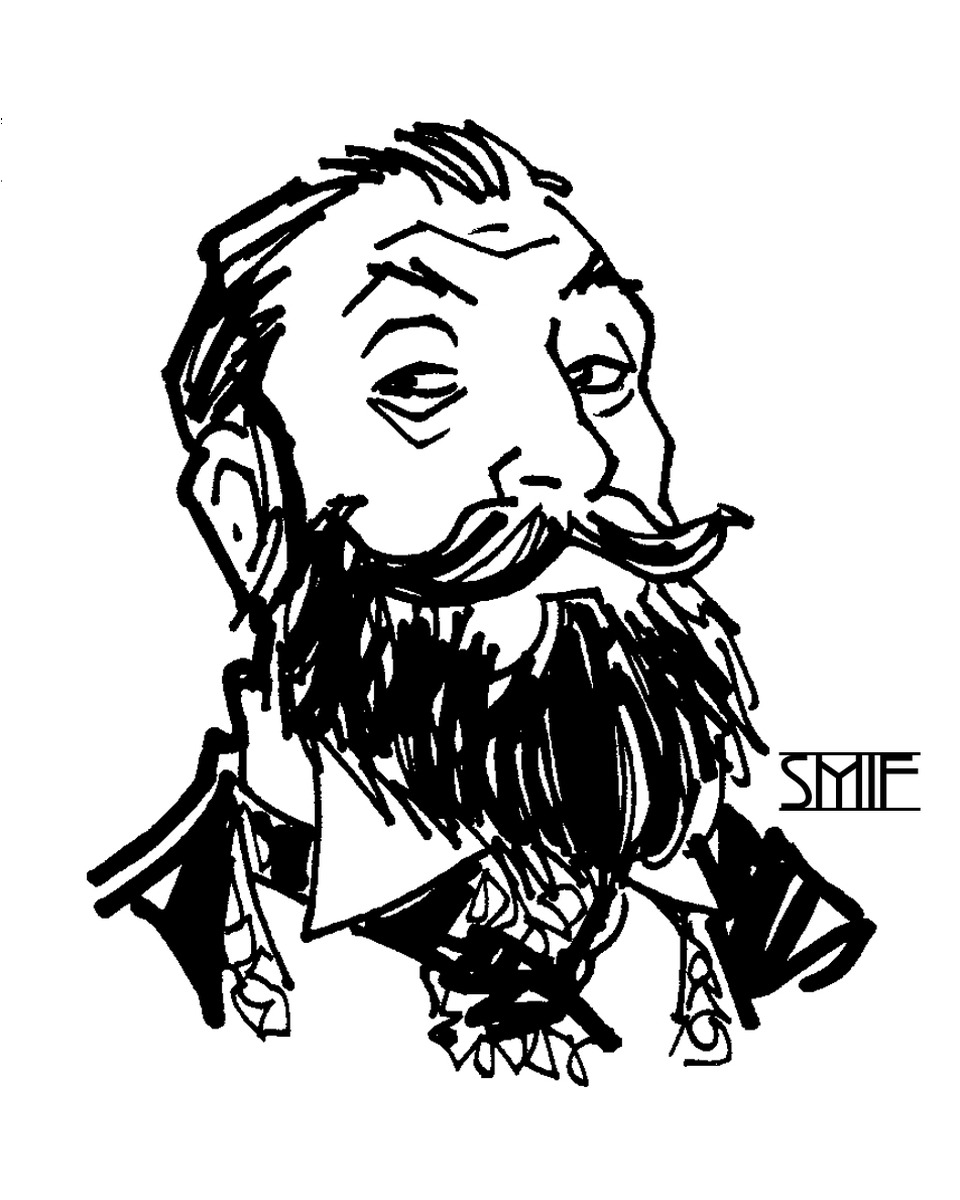
Xerxes had come over from Hartfield House on business with the Colonel about a shipping venture, brought his own India slides for comparison, and sat through the lecture with visible impatience in the front row beside his host. He was heard to correct the Colonel aloud on the naming of two slides at 8:41, and again near the end.
Fifi, housemaid at the Manor, dislikes being looked at and had contrived all evening not to enter the drawing-room while there was light in it. She was in the still-room from 8:15 until the lamps went up, washing the interval glasses ahead of time, with Mrs Gow at the table beside her the whole while.
Zane, footman, poured the port and carried it, and keeps a footman's exact memory of who received which glass. He carried the last glass at 8:28, then went out to the hall and stood at the front door with Mrs Gow, taking in a delivery of coal that was late; the carter's boy waited with them until the lamps went up.
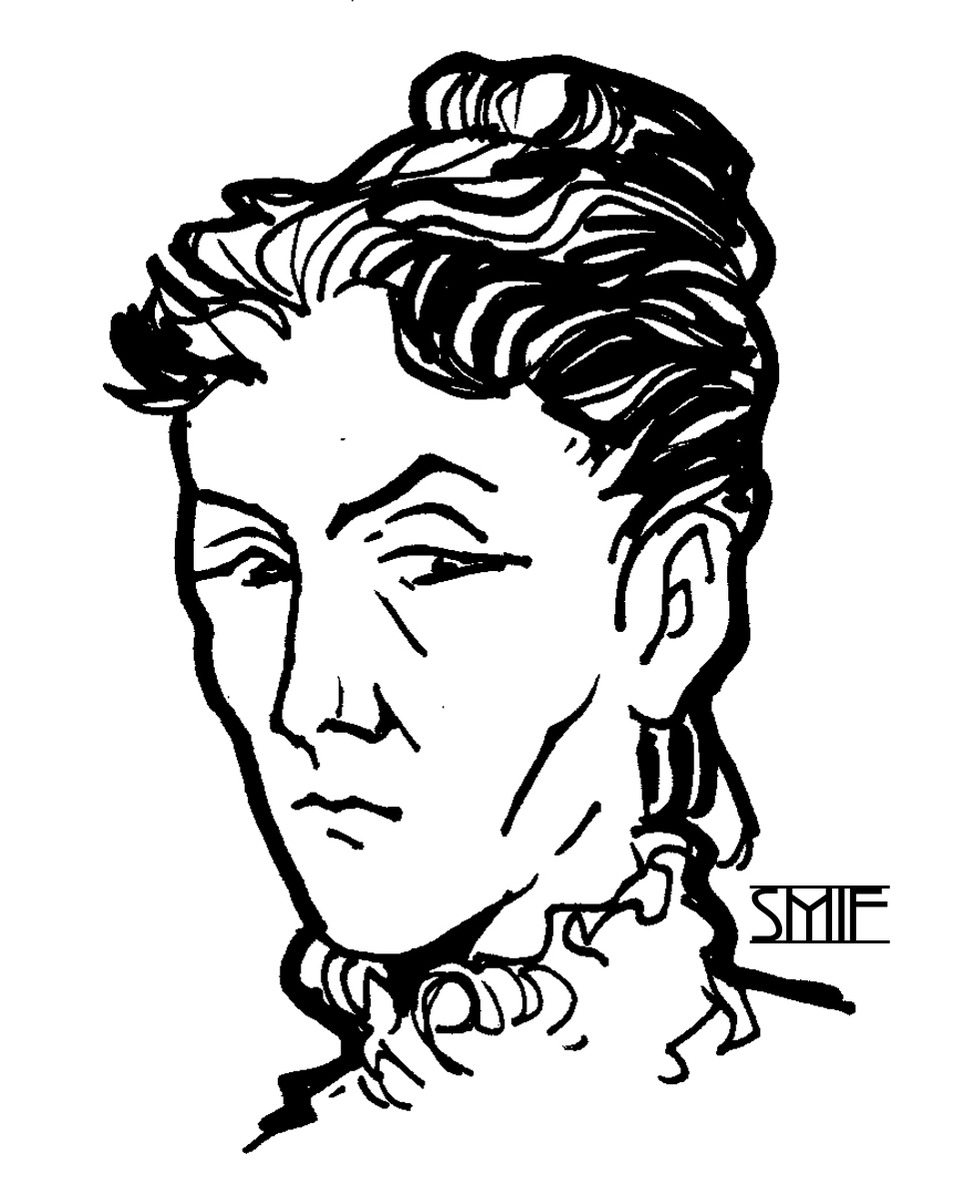
Lady Lavinia Loveless, the medium, attends the Manor weekly on behalf of the Colonel's late wife and had been invited to stay for the lecture. She had found Cousin R's flat attention upon her all week and had said so, more than once, and pleasantly. She sat in the back row, on the aisle. When the lamps went up she was still holding the Colonel's programme, which she had been marking with a pencil throughout in a hand that ran on unbroken through the dark; the marks are dated by slide.
Effie, the bright young thing and the Colonel's heir-presumptive, came for the port and stayed for the dark. She had spent the week trying and failing to make Cousin R laugh. She left her chair at 8:35 and was in the passage outside, where the Colonel's under-parlourmaid found her at the linen-press and stayed talking with her until the lamps went up.
The Reverend Simeon Gaunt had come that evening at the Colonel's asking, to bless the new memorial tablet for the Colonel's late wife, and remained for the lecture. From 8:20 he was in the chapel-passage with the Colonel's mason, measuring the tablet by candle; the mason did not leave his side until the lecture ended.
Three names may be struck at once. Nan had gone to Dunmore on the Colonel's errand and lay that night at the inn, vouched for by the landlord. Aziz remained at Hartfield House, where the staff had him at supper and abed. Wat's boat was at Struan Point taking on cargo, with three of his crew to say so.
The lamps up, the sheet still pinned to the chimney-breast, the lantern ticking as it cooled, and Cousin R seated tidily in the third chair of the second row with his hands folded, looking at nothing with the same unhurried attention he had given everything else. On the mantel lay a leather pocket-book, open at a blank leaf.