




Cruikshank Manor came home from the noon service at St Mordant's in a state of damp propriety, and by seven the long dining room was laid for company, the gasoliers lit, and the rain going steadily at the tall windows in a manner the Colonel described as insolent. It was a Sunday like any other Sunday of that winter of 1885, excepting only that one of the household would not be sitting down to anything again.
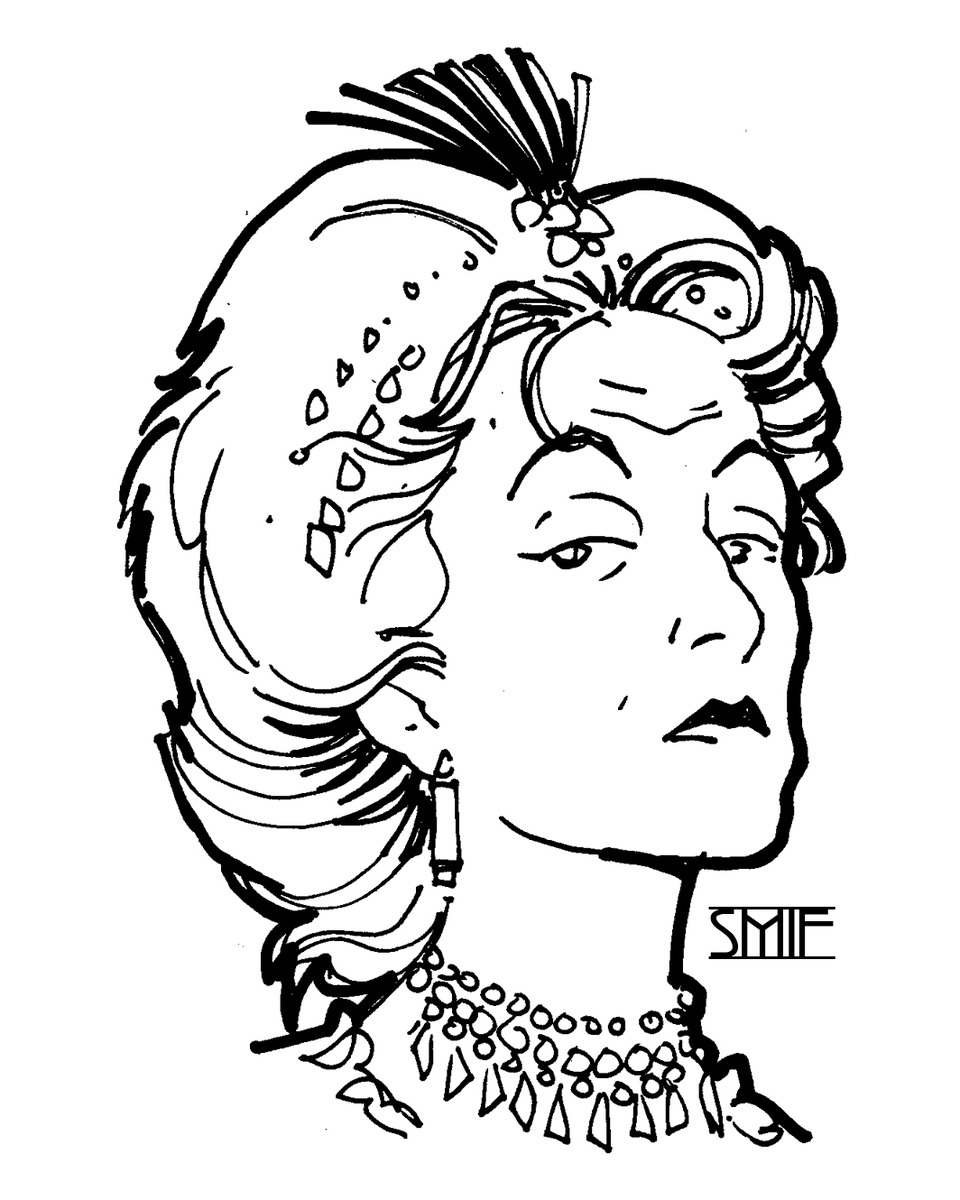
Fenella Swain — Fifi to all the house and half the town — was found at ten minutes past eight in the plate-room passage, seated tidily against the linen press, shot once through the heart. One ball, at close quarters. Her apron was unmarked but for the one small hole. Nothing about her had been arranged, or posed, or added; she had been left precisely as she had come to rest, which was more courtesy than some corpses in Cairnholm have been shown.
The plate-room passage runs between the back stair and the dining-room service door. It has no window and one gas jet, which was burning. It is the shortest way from the dining room to the back stair, and takes perhaps forty seconds to walk.
Dinner had been called for eight o'clock. The company went in at 8:00 and the soup was served at once. Mrs Sib Gow, the Colonel's housekeeper, stood at the service door from 8:00 onward, and states with the flatness of a woman who has never in her life said a thing twice that no one passed her from the dining room into the passage after the soup went in.
A single shot had been heard by three of the household at about five minutes to eight, muffled by the rain. Mrs Gow, then in the still-room, heard it; so did Zane, on the back stair; so did the kitchen girl. Nobody went at once. The shooting-gallery is in the east wing, and the Colonel's guests had fired at cards and bottles before, and a bang in that house on a wet evening was a thing one waited out, like a draught.
The Colonel's gun-room stands open off the billiard corridor. Its cabinet holds nine service pistols and a quantity of ball and powder. The Colonel does not lock it and never has; it is a standing complaint of Mrs Gow's, and every guest of the house has been shown the cabinet at one time or another, generally at length. One pistol from that cabinet was found on the sill of the passage window-recess, discharged, wiped, and cold. It is an ordinary Cruikshank service pistol, identical to the eight remaining. Nothing distinguishes it, and nothing was left beside it. Such a pistol fires one ball and must then be reloaded; the report in the plate-room passage would carry to the still-room, the back stair and the kitchen, and not much further in rain.
Fifi had come up from the servants' hall at half past seven to fetch the fish knives from the plate-room. Zane, her twin, passed her on the back stair at 7:40 going down, and says she was in high colour and pleased with herself, and told him she had "learned something worth a wage rise." He went on down. She went on up. It was, by every account, the pleasantest exchange of her day.
In her apron pocket was a folded paper: a leaf torn from a shipping-office bill of lading, Bombay to Leith, listing passages taken by Xerxes Hartfield and one other, name given as Aziz, in a single cabin, dated 1879. Fifi had been in the small library that afternoon. The Colonel's venture papers, brought over from Hartfield House on Saturday, had lain open on the small library table since church, unsorted; among them were old passage bills and manifests going back to 1879. Fifi had dusted that room at four.
It should be said, in the interest of a full account, that Fifi could hold exactly one secret: anything belonging to her twin. Everything else she had ever learned had been out of her mouth within the week, generally for a shilling and always with pleasure.
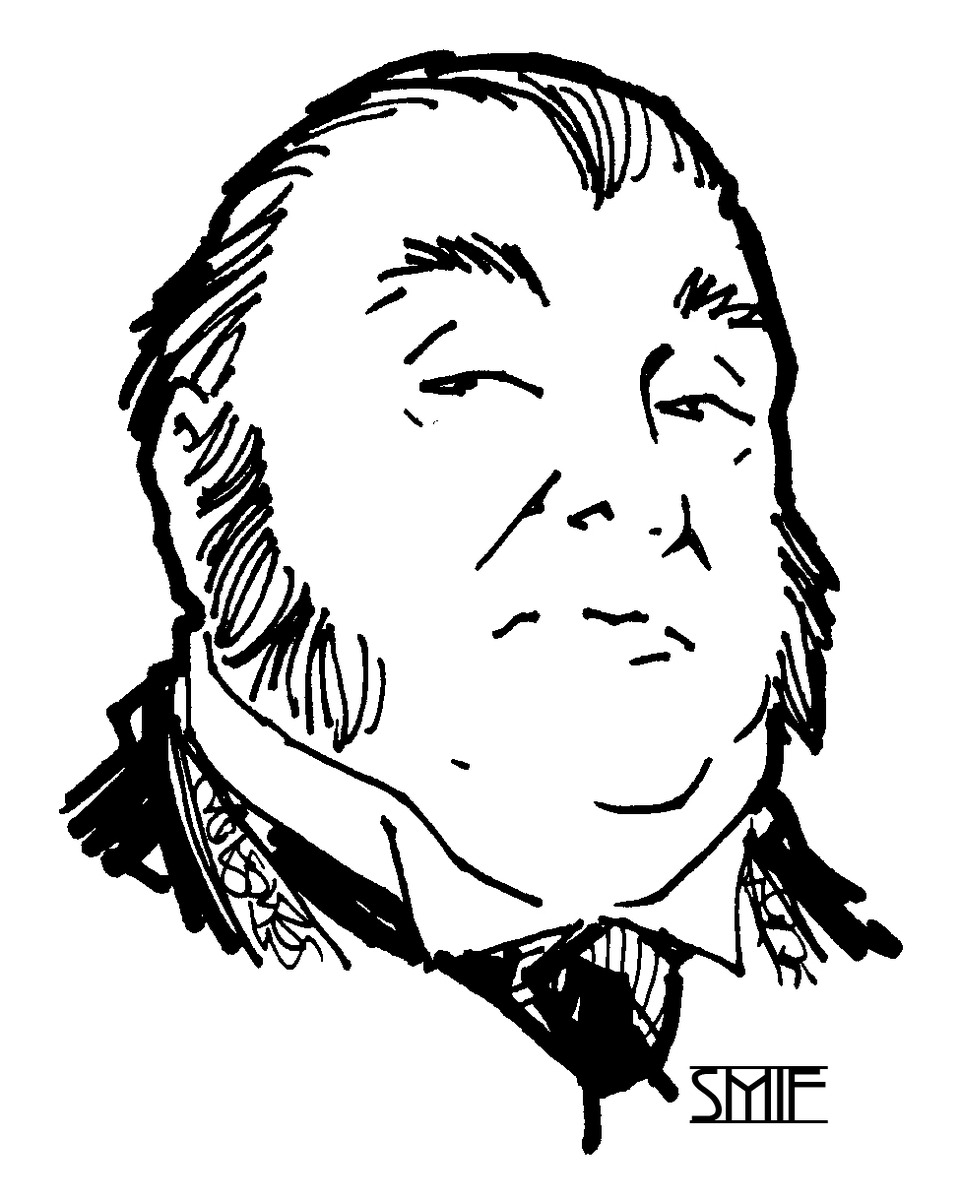
Xerxes had come to the Manor at six on business of the Colonel's venture and was about the house through the evening. Cousin R saw him in the billiard corridor at half past seven. He was seen again at the dining-room door at 8:00, dry, unhurried, and in good humour, and he ate his soup with appetite. Between those hours nobody places him. He is the nabob, home from India these six years with a fortune and a habit of cheerfulness that nothing dents; he sleeps badly and takes a draught from Dr Quill for it. He had never before been known to hurry, to raise his voice, or to be discomposed by anything whatever, including two previous murders in his own drawing room. It is also true, and known only to Nan and to Zane, that he keeps a closet at Hartfield House whose contents both have held for years without a word.
Fifi had, on three occasions before the whole household, put herself in Xerxes's way — twice at Hartfield House and once at the Manor gate a fortnight since — and had been turned aside each time with weary good grace. Belowstairs the matter was a standing joke, and Fifi did not mind it being one.
The rest of the company may be set out briefly, since the hour permits little else.
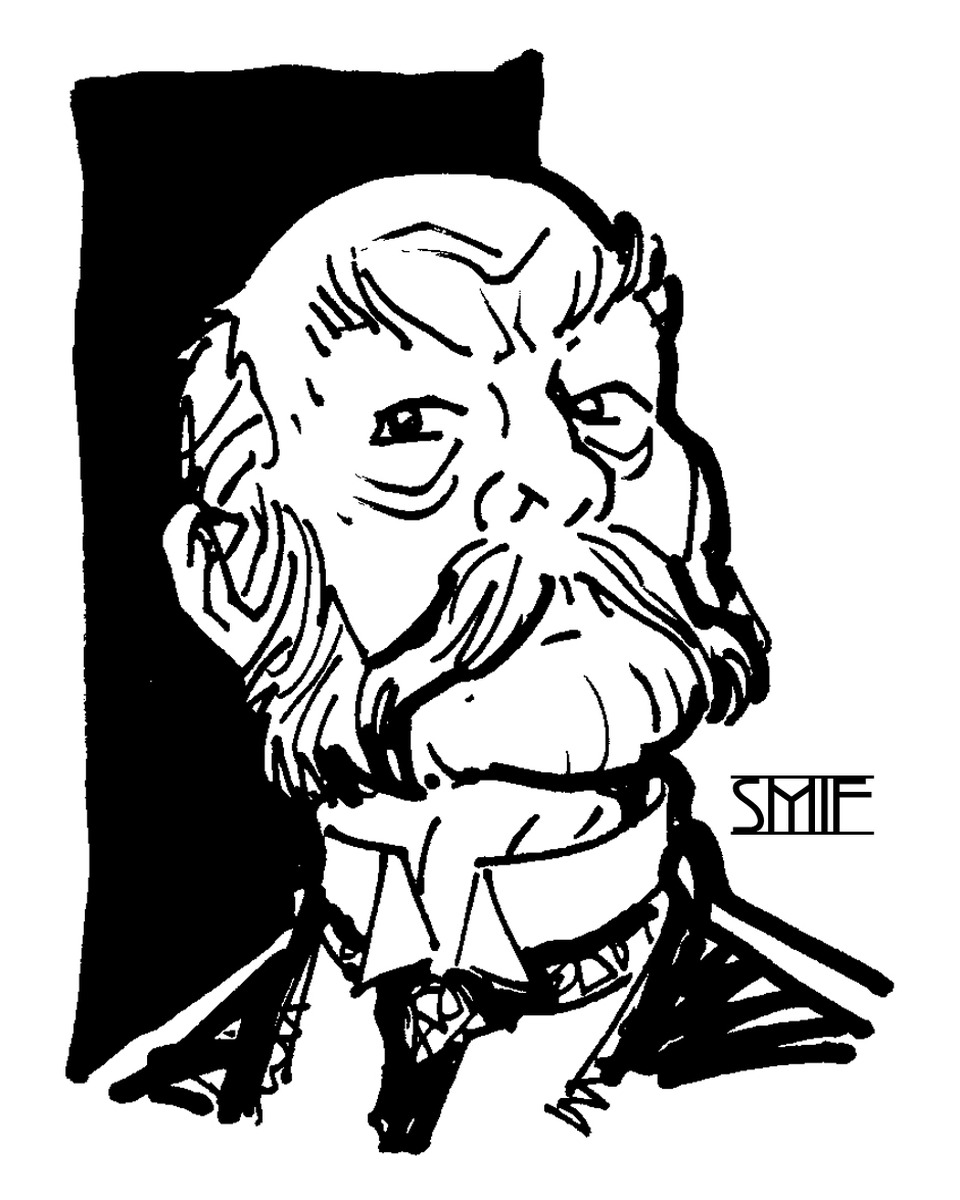
Colonel Cecil Cruikshank, master of the Manor and late of the regiment, is a man of loud propriety and louder disapproval. He had thought Fifi's airs and her callers a disgrace to his hall and had said so at table more than once. He was in the small library with Cousin R from 7:25 until 7:55, going over venture papers; the two came out together and were seen by Mrs Gow crossing to the dining room.
Cousin R, a guest of no fixed origin who orbits the Colonel and collects what people let fall, had lately taken to writing down what Fifi said, in a small book, and considered her the liveliest intelligence in the house. He was with the Colonel from 7:25 to 7:55, and out with him.
Nan Pringle, the Colonel's poor relation, has been twenty years in the house and never once noticed in it. She keeps the linen accounts and hears everything, and had complained of Fifi's insolence to Mrs Gow twice in one week. She was in the still-room with Mrs Gow from 7:30 until the shot at five minutes to eight, and with her still after.
Captain Wat Frew, master of the Kittiwake, brings the Colonel his brandy and everybody else their difficulties. He had been paying Fifi a shilling a week for what she overheard at the Manor and considered it money well laid out. He came up from the quay at 7:15 wet through and sat in the kitchen by the fire drying his coat, in the sight of the cook and two girls, until the shot; he was there when it was heard.
Lady Lavinia Loveless, medium, sits weekly for the Colonel's late wife and dines at the Manor on Sundays besides. She has a private arrangement with Zane which she would prefer the town did not learn of. She was in the blue drawing room from 7:35 with Dr Quill, taking sherry; both were there when the shot was heard, and they went in to dinner together at 8:00. Quill, physician and coroner to the city, a nervous man who takes the Colonel's port on Sunday evenings, had for some months been unable to speak two consecutive sentences to Fifi.
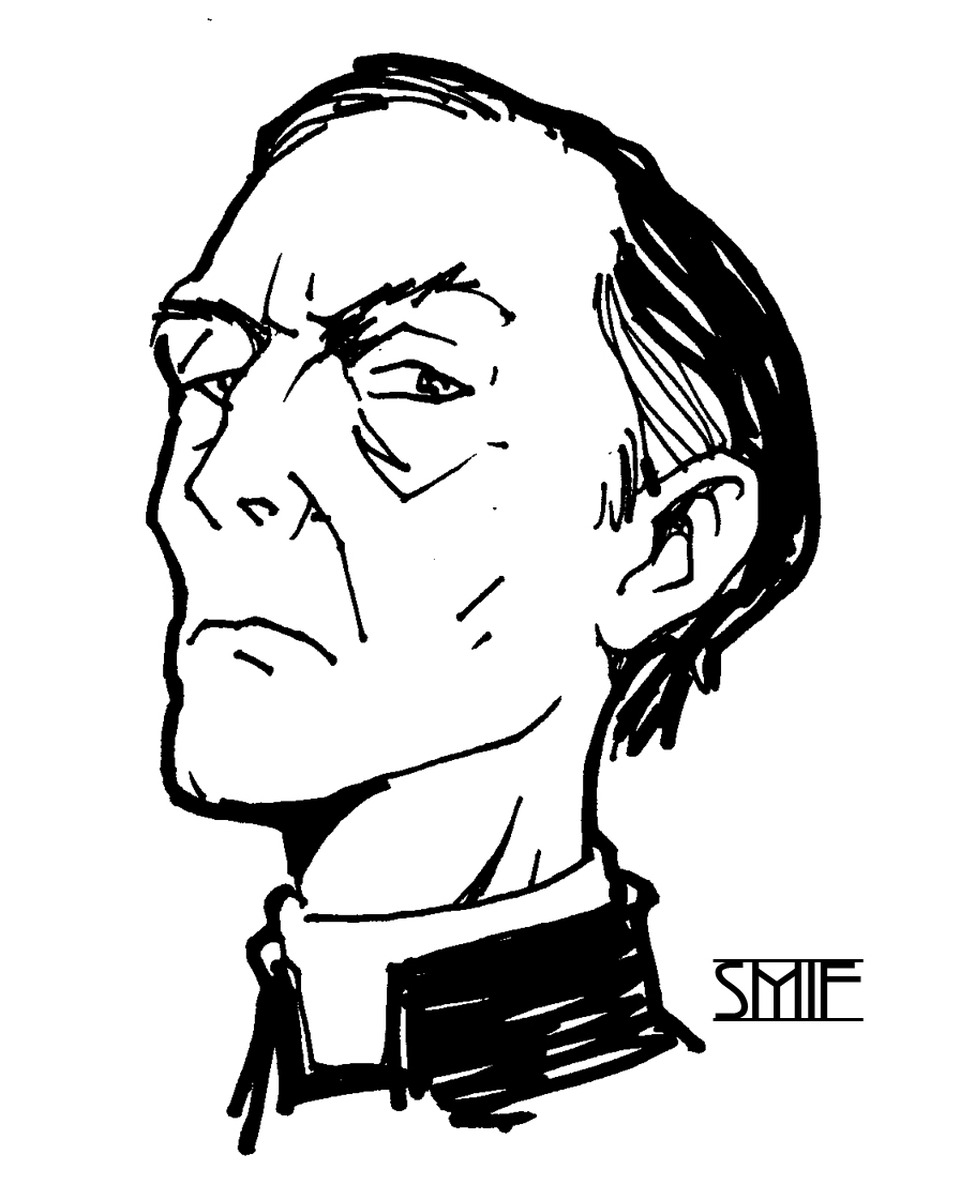
Aziz, Xerxes's companion these seven years, come with him from Bombay, wears his fez in the house and takes no part in the Colonel's business; he is watchful on Xerxes's account past all reason. He was in the front hall from 7:20, where the footman Zane and Mrs Gow both place him, waiting on Xerxes's carriage order, until dinner was called. Nobody at the Manor had ever remarked on Aziz beyond the fez. Cairnholm took him for a servant of the nabob's and did not think about it further.
Effie Strange, the Colonel's heir-presumptive, bright as a lit match and twice as brief, was at the Manor for Sunday dinner as she is most weeks, and had been in and out of every room in it since three o'clock. She went up to dress at 7:20 and came down at 7:50; her maid Rosine dressed her throughout and vouches for the half-hour.
The Reverend Simeon Gaunt preached at noon and passed the evening at the manse with the vestry over the roof accounts, in the sight of four churchwardens until eleven, which is a great deal of alibi for a roof.
The soup went round and was praised. Xerxes took a second roll, remarked that the rain would spoil the Monday shoot, and asked the Colonel whether the Leith tonnage had been settled. In the plate-room passage the gas jet went on burning over the fish knives, which had never been fetched.