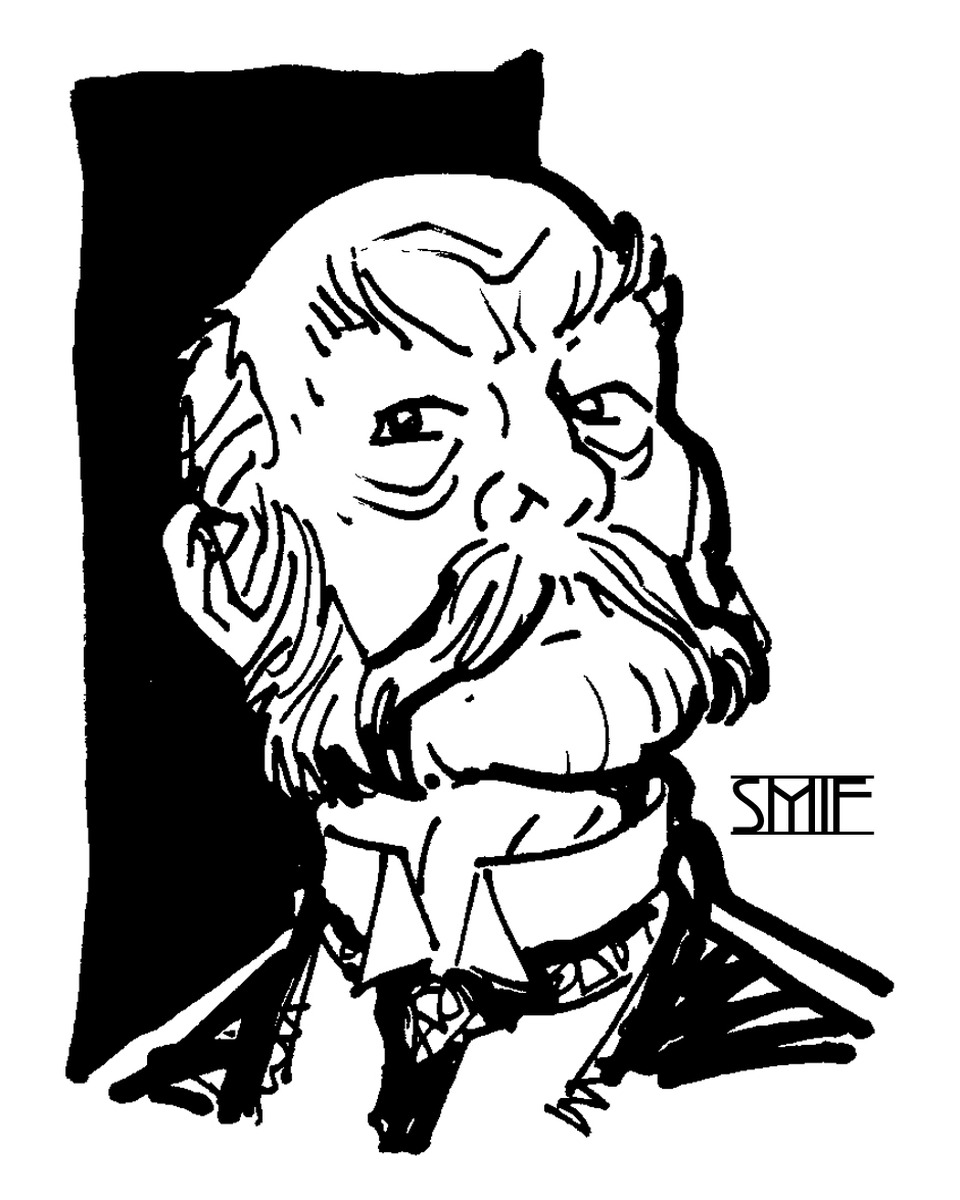
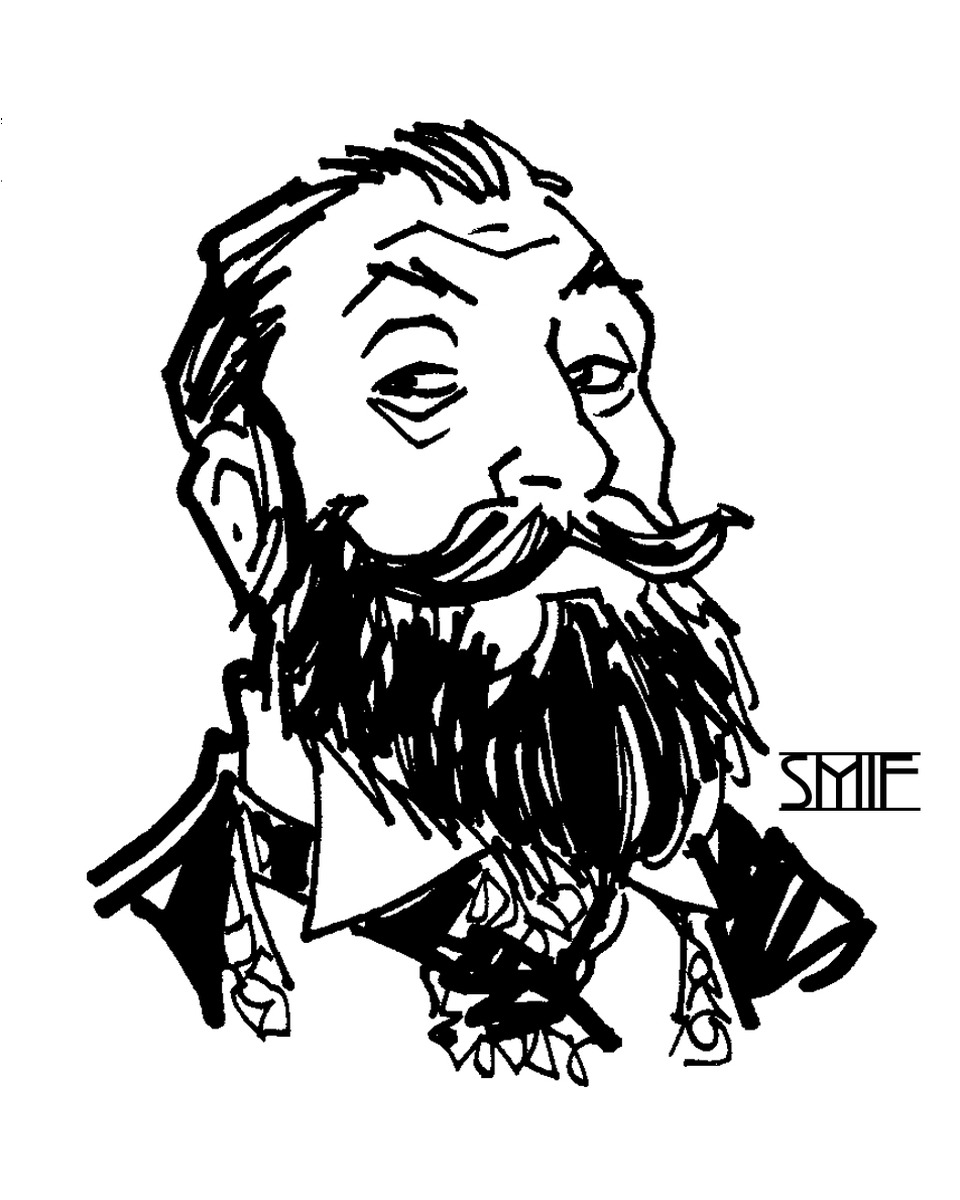
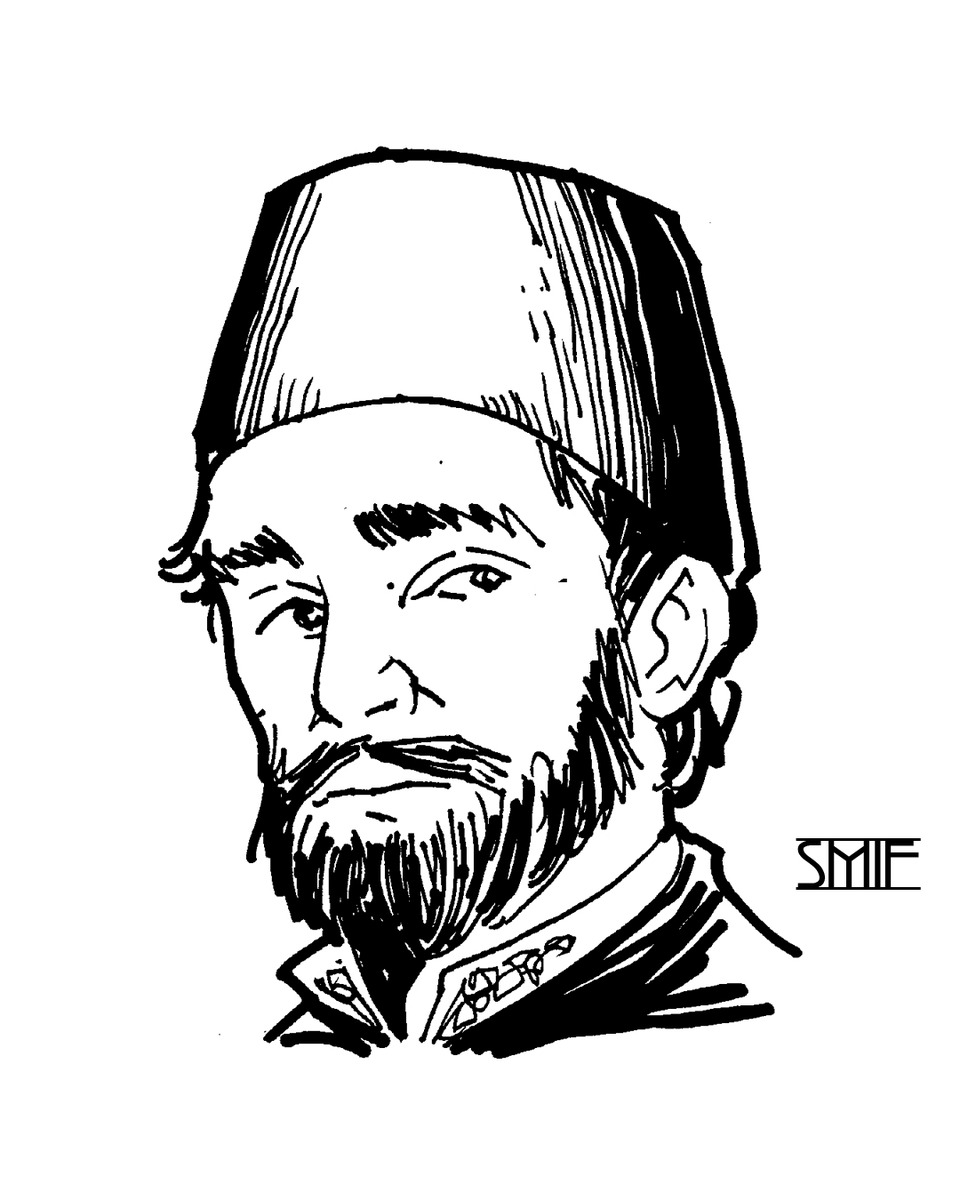
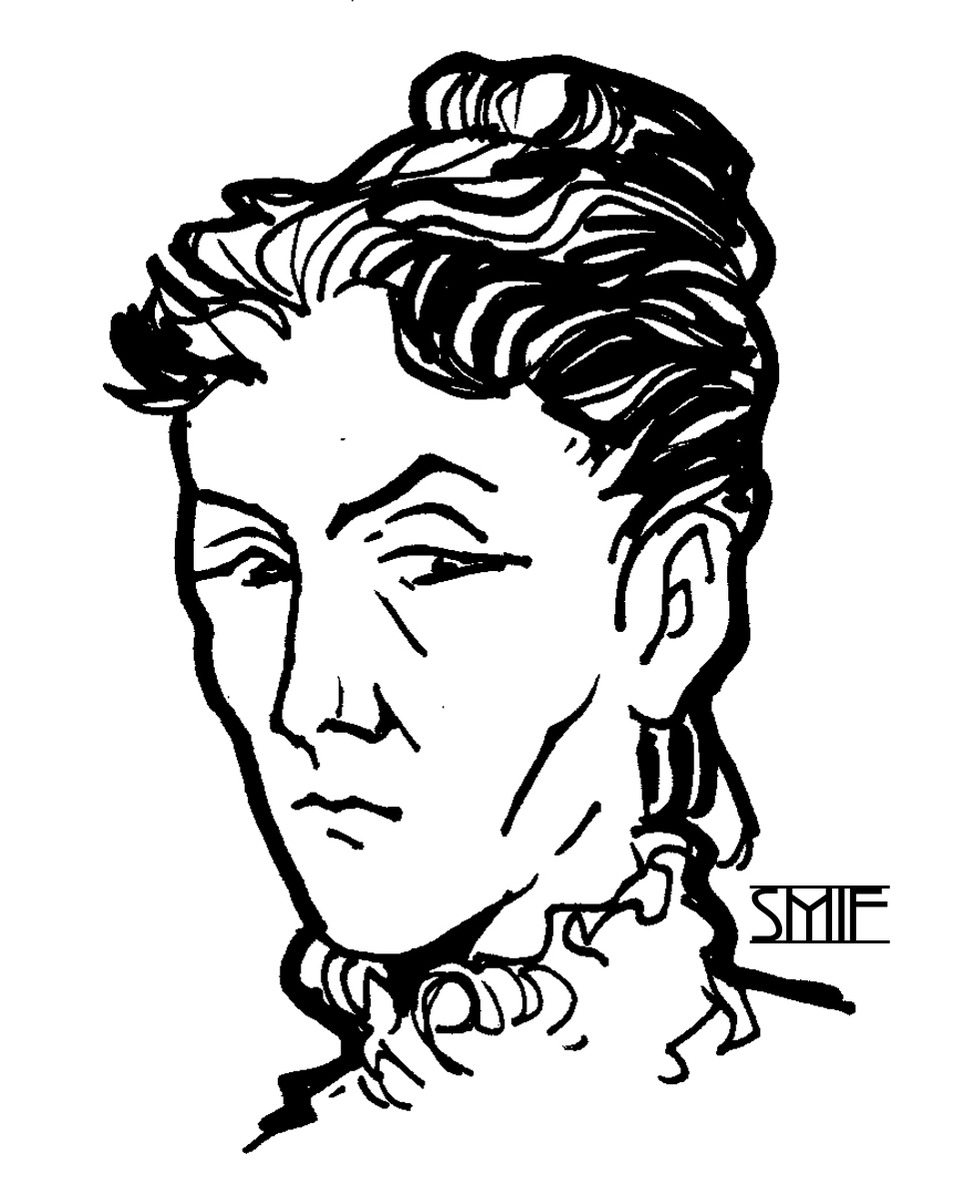
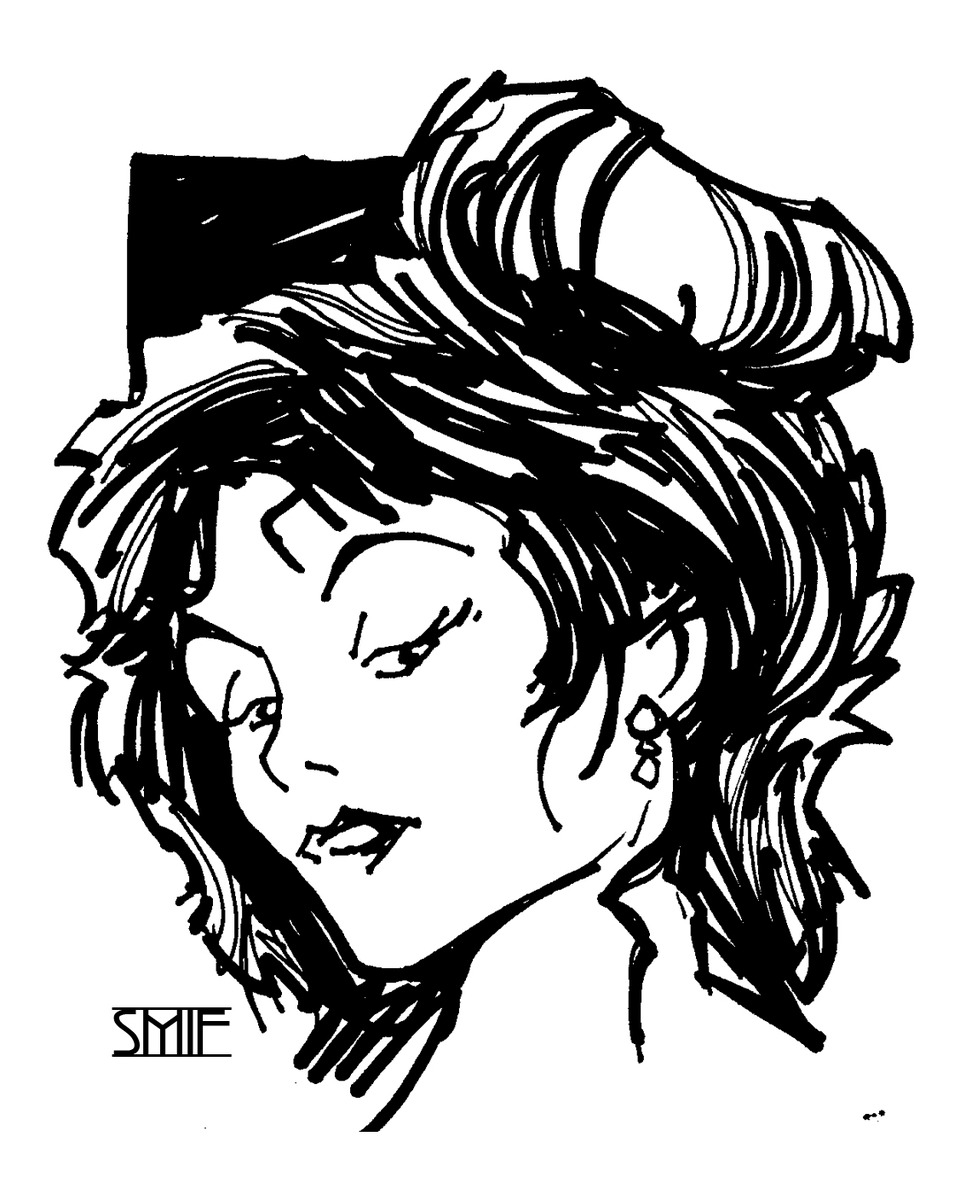
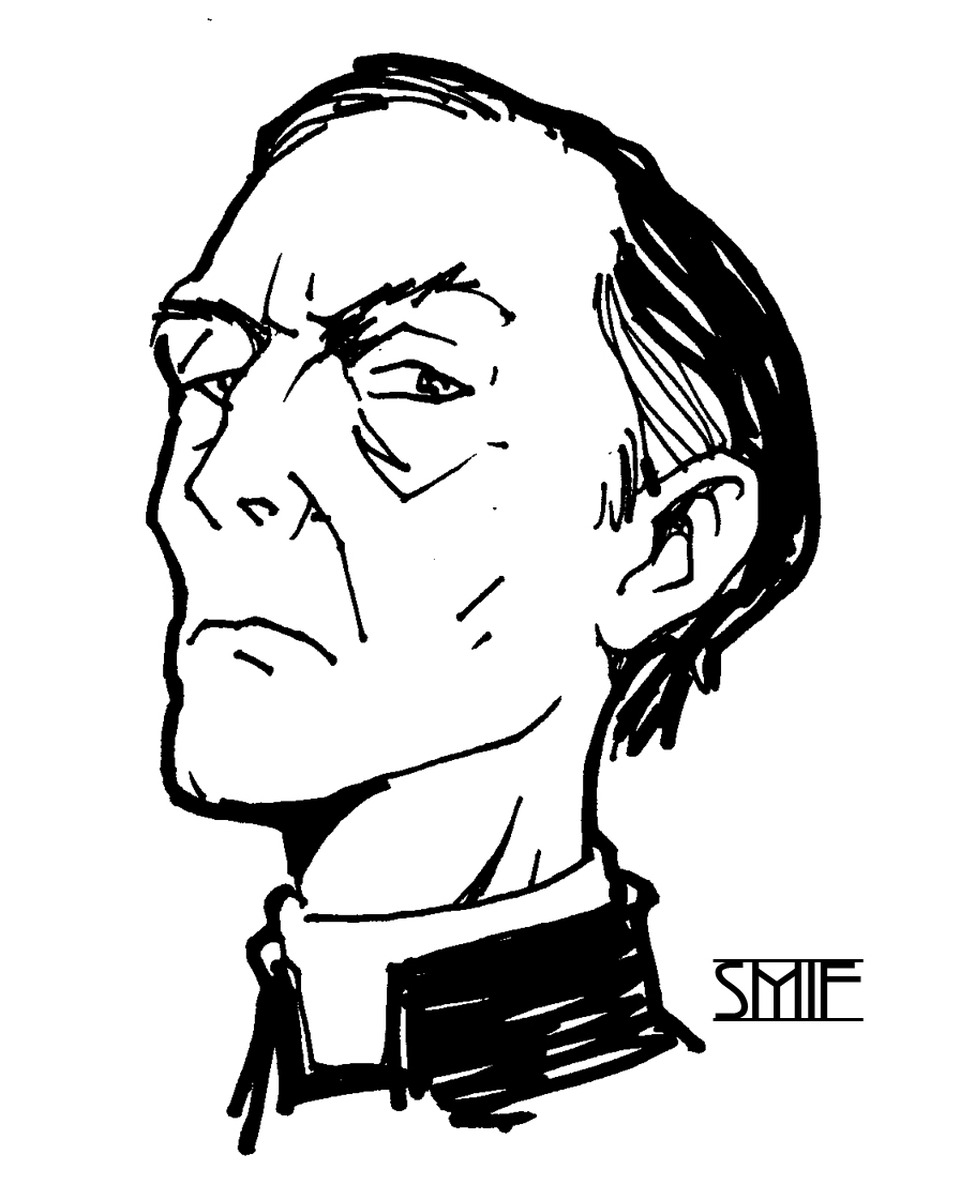
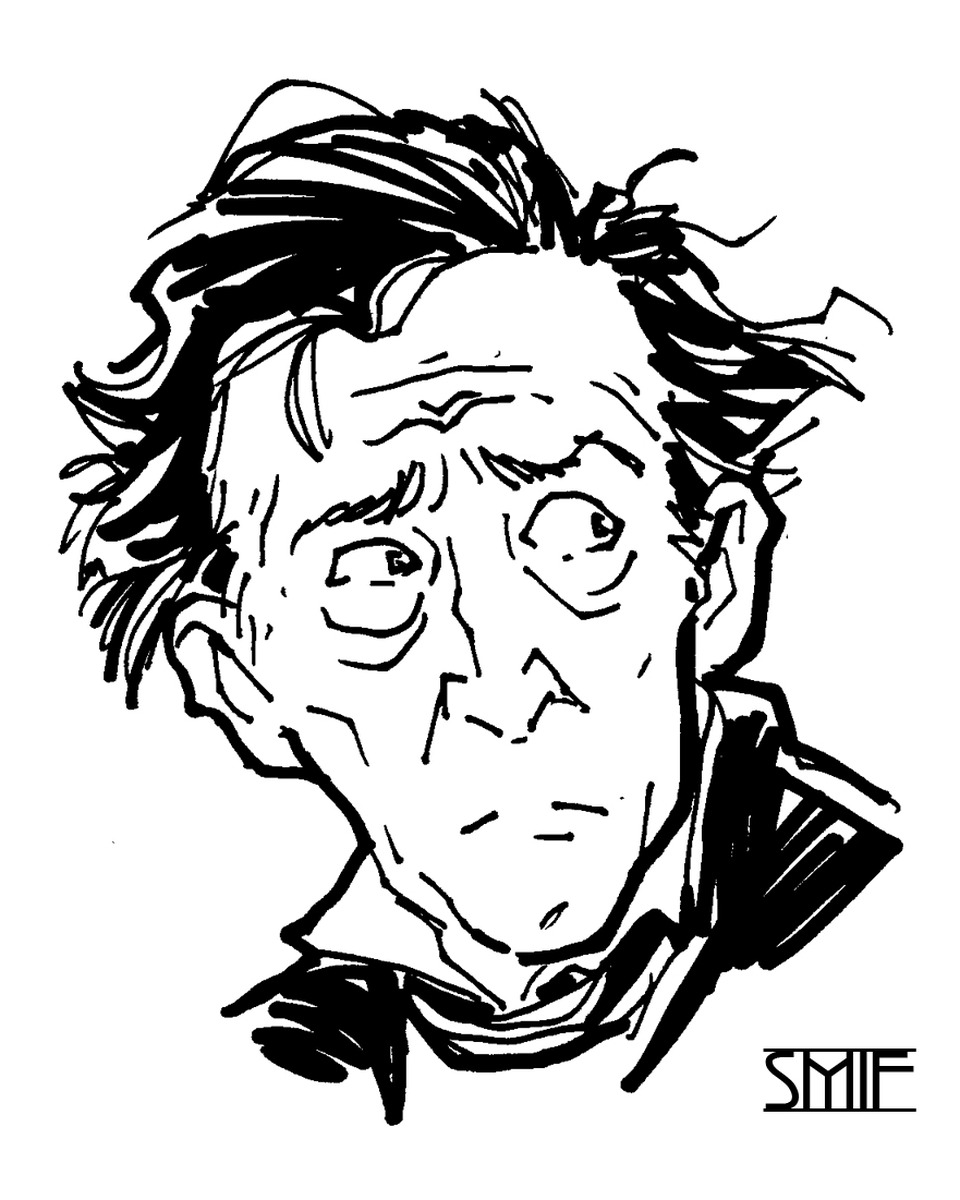
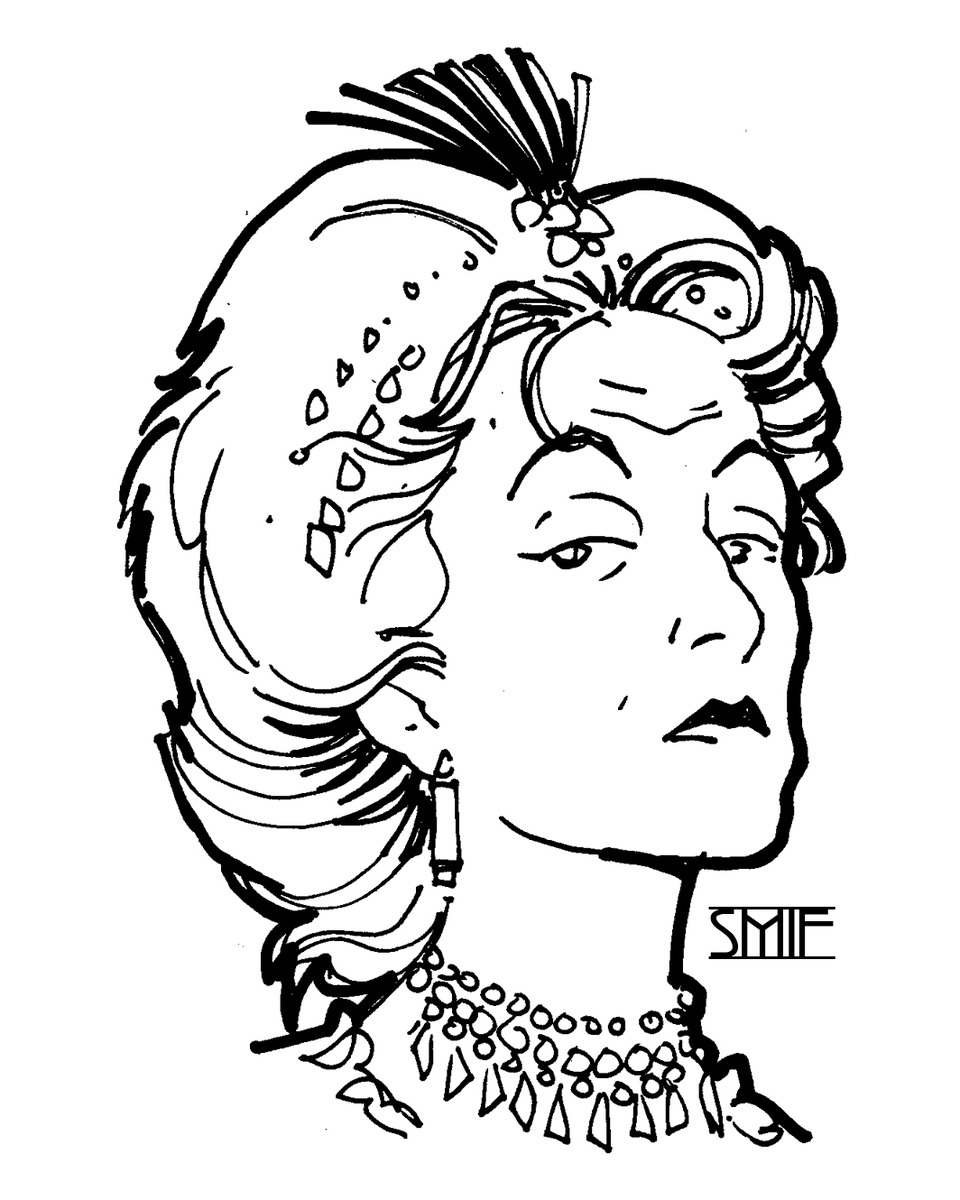
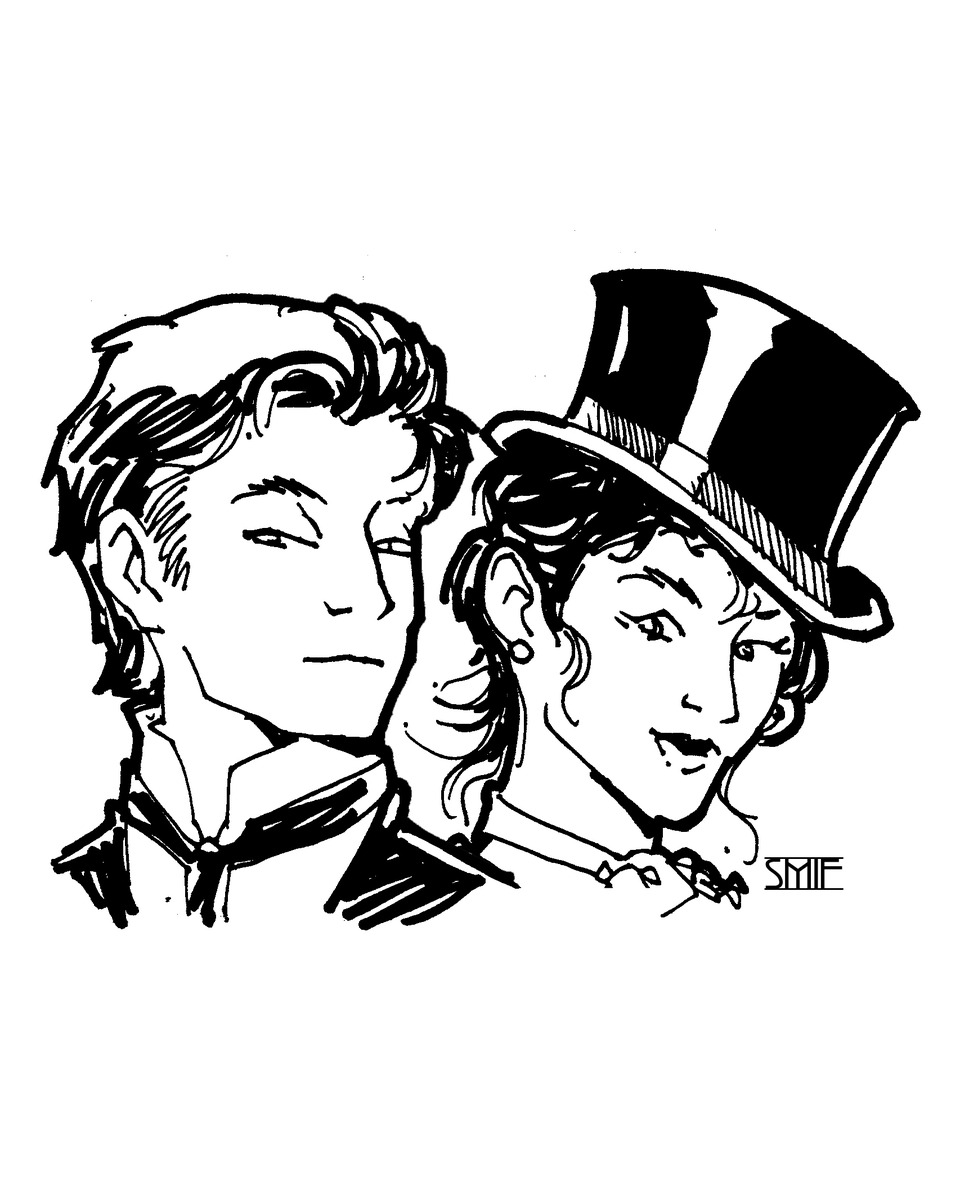
The long gallery at Cruikshank Manor had been cleared for the charity tableaux vivants, and cleared in the manner of houses that lend rather than buy: borrowed plinths of unmatched height, a hired laurel wreath that fitted nobody, and several of the Colonel's bedsheets pressed into service as drapery. It was a wet Thursday in October. The company stood very still upon their plinths in poor imitation of marble, and the Reverend Simeon Gaunt walked among them with a list of permissible attitudes, arranging his statuary by hand. He had arrived at seven and had objected, at length, to Charity's shoulder.
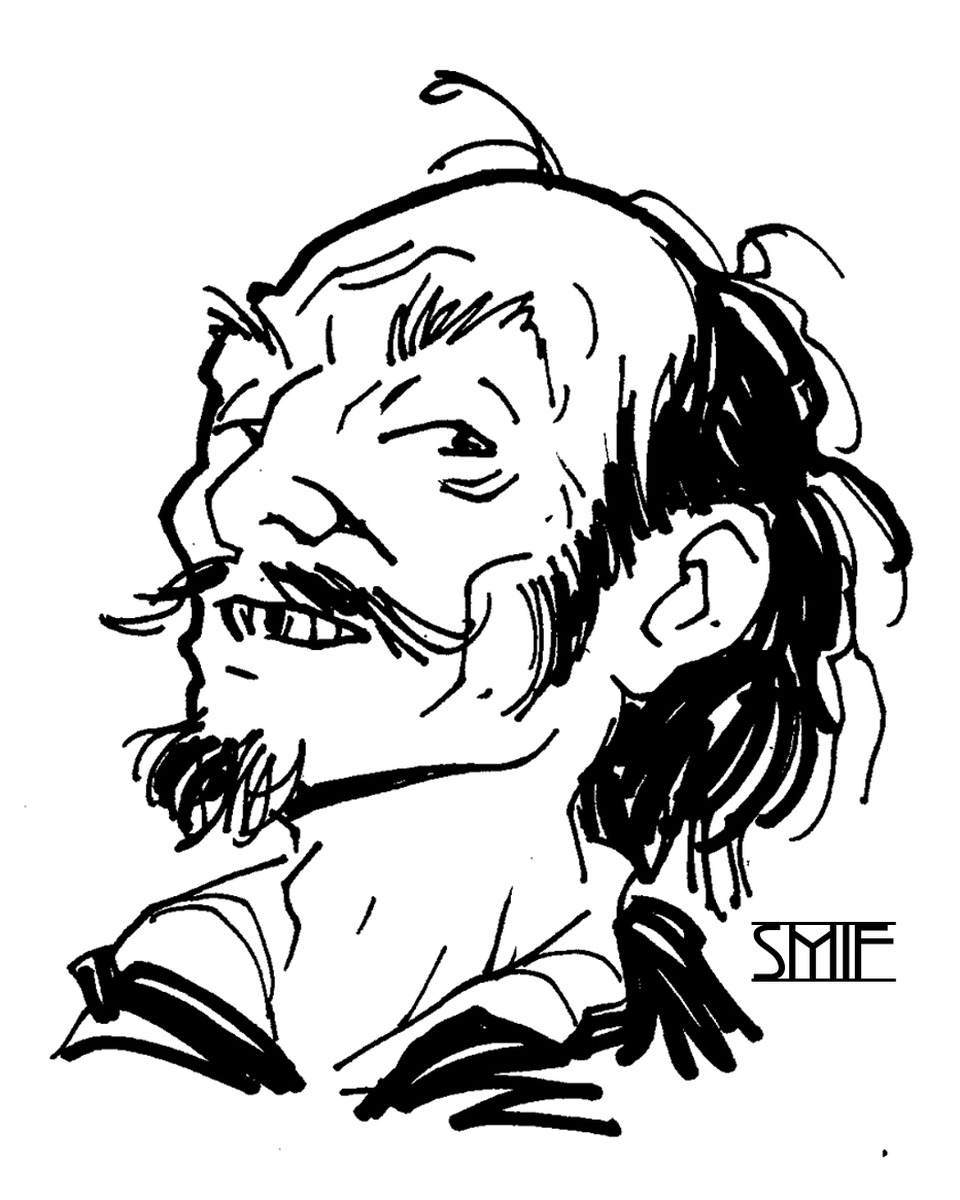
Cousin R did not pose. He had never posed. He sat at the cold end of the gallery upon a plinth nobody wanted, with a small pocket-book upon his knee, and at intervals he wrote in it. What he wrote nobody had ever seen. He is a guest of no fixed county, no announced profession and no surname anyone has ever obtained, and he has orbited Colonel Cecil Cruikshank for three seasons, collecting what he learns and asking nothing whatever for it. The household finds him restful, in the way a barometer is restful.
Lately the habit of watching had been remarked upon. Quill had complained of it three times that week, holding that the thing was unwholesome and that nobody knew what the man was for; and the Reverend, at Sunday's supper, had called him a man who looked at a living face the way a naturalist looks at a pinned specimen, and had not been contradicted at table.
At dinner on Wednesday Cousin R had observed, to the company generally, that a name is the one property a person cannot be robbed of, only surrender. Fifi was serving the fish at the time. On the Tuesday before, in the servants' hall, he had asked Mrs Sib Gow, mildly and without preamble, in which year the twins had come and who had signed for them; and Mrs Gow had told him the year, and added that the papers would be with the old laundry books, since that is where the parish things were put.
Fifi and Zane Swain came into service at Cruikshank Manor eleven years ago as orphans of the parish. The parish register spells the family name Swann. The twins have used Swain since the day they arrived, and no one at the Manor has ever remarked upon it aloud. Fifi is known belowstairs as a sieve — what she hears, the house has by morning — with a single exception: of her brother she has never been heard to say one word to anyone.
The rehearsal proceeded. Lavinia Loveless was Grief, weeping decoratively at the Reverend's direction and never once off her plinth. Quill was posed as the Roman upon the first plinth from a quarter past nine, held there by Gaunt, who would not release him; Lavinia and two hired girls stood within arm's reach of him throughout. Effie had been complaining since dinner that the evening wanted incident, and at nine went off to the Colonel's study over the matter of her allowance, a conversation both of them remember with feeling. Zane was in the pantry from nine, counting borrowed candlesticks with Mrs Gow's kitchenmaid to hand. Fifi, draped as Charity upon the second plinth, stepped out at about ten past nine to fetch a fresh iron for the drapery, and was back in the gallery by twenty-five past nine, in her drapery still, and did not leave it again.
Across the town, at Hartfield House, Xerxes, Aziz and Captain Wat Frew sat the whole of that evening over a shipping account with three clerks to say so; Nan had gone up at eight with a headache and was taken tea in her room twice by the kitchenmaid before the alarm.
At about a quarter past nine Cousin R rose from his plinth, said to no one in particular that he wished to look at the laundry lists, and went out by the gallery's lower door toward the back stair.
He was found at half past nine in the linen-room off the back stair, lying tidily between the airing racks. He had been struck once from behind with a flat-iron. The iron lay where it had been set down, upon the ironing board, cold.
Nothing about the body had been arranged. Cousin R lay as he fell, one arm beneath him, his collar disordered — a posture no one who had ever watched him compose a dead moth would have permitted. His pocket-book was in his coat, and the last page written bore two lines: a note of the hour, and the single word "Swann."
The laundry lists hang in the linen-room upon a nail. They record the household's linen by hand and by year, in the hands of successive maids, going back some fifteen years. The current book lay open upon the shelf when the body was found; the older books, tied in a bundle, had been untied.
Three flat-irons belong to Cruikshank Manor, and all three had been in use that evening, heating and cooling by turns, for the drapery of the tableaux. Any person in the house had reason to carry one, and several did. Fifi's cap and apron, put off during the rehearsal because she was draped as Charity, were found folded upon the ironing board beside the cold iron.
The linen-room lies off the back stair, which the family does not use. It is the shortest way from the gallery to the servants' hall, and the longest way from anywhere else. Mrs Gow was in the servants' hall from nine until the alarm, with the kitchenmaid, and states that no one came down the back stair past her in that time, and no one went up it. There is, however, a second door out of the linen-room, giving on the passage to the still-room; and from the still-room a person may return to the gallery without passing the servants' hall at all.
Gaunt had been upon the gallery floor from seven until the alarm, and the Colonel, Lavinia and four hired girls had him continuously in view from nine until half past. The Colonel and Effie came out of the study together at the alarm.
The company stood upon their plinths a long while after, being told nothing, holding their attitudes because nobody had said to stop: Grief weeping, the Roman gazing at Rome, and Charity with her arms out, quite empty.