
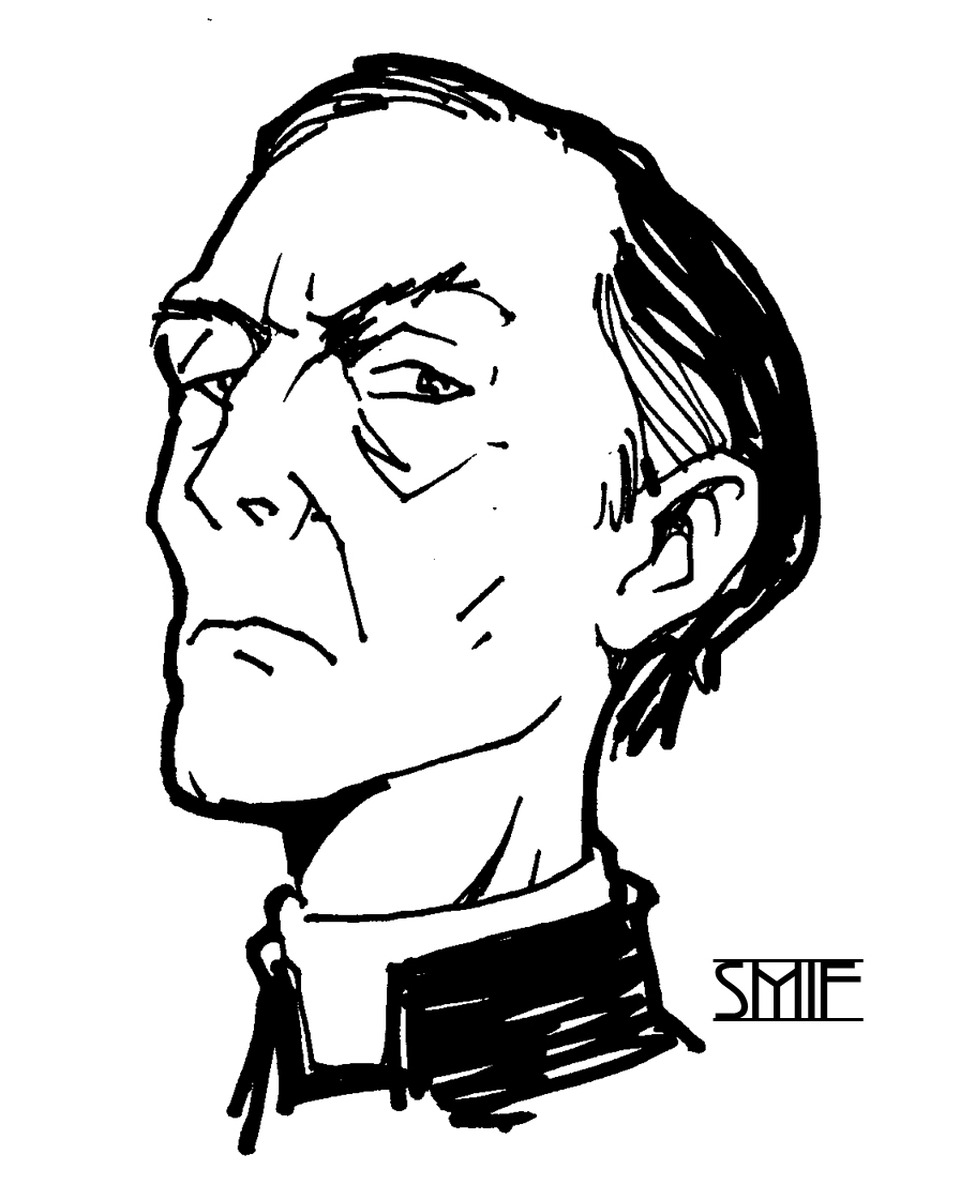

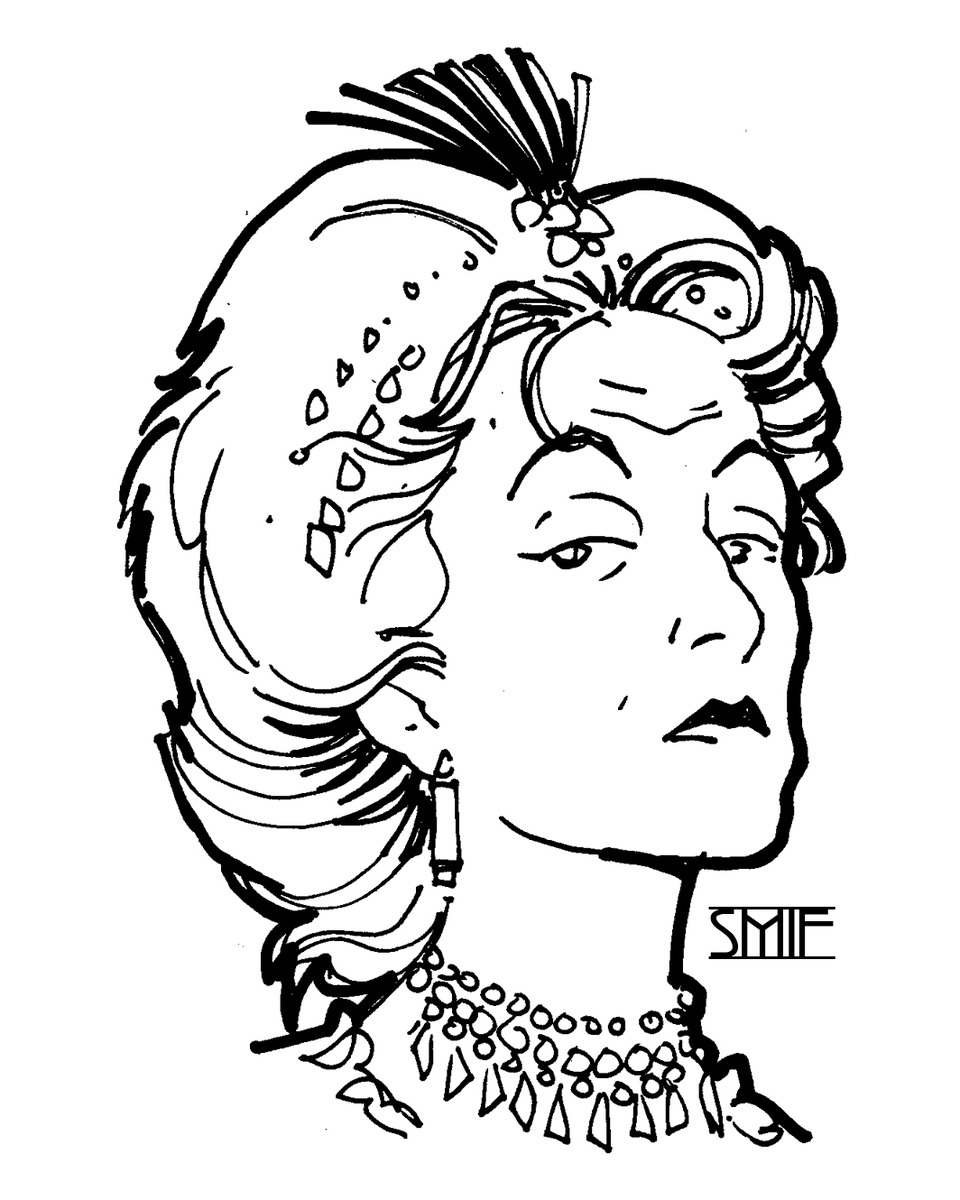
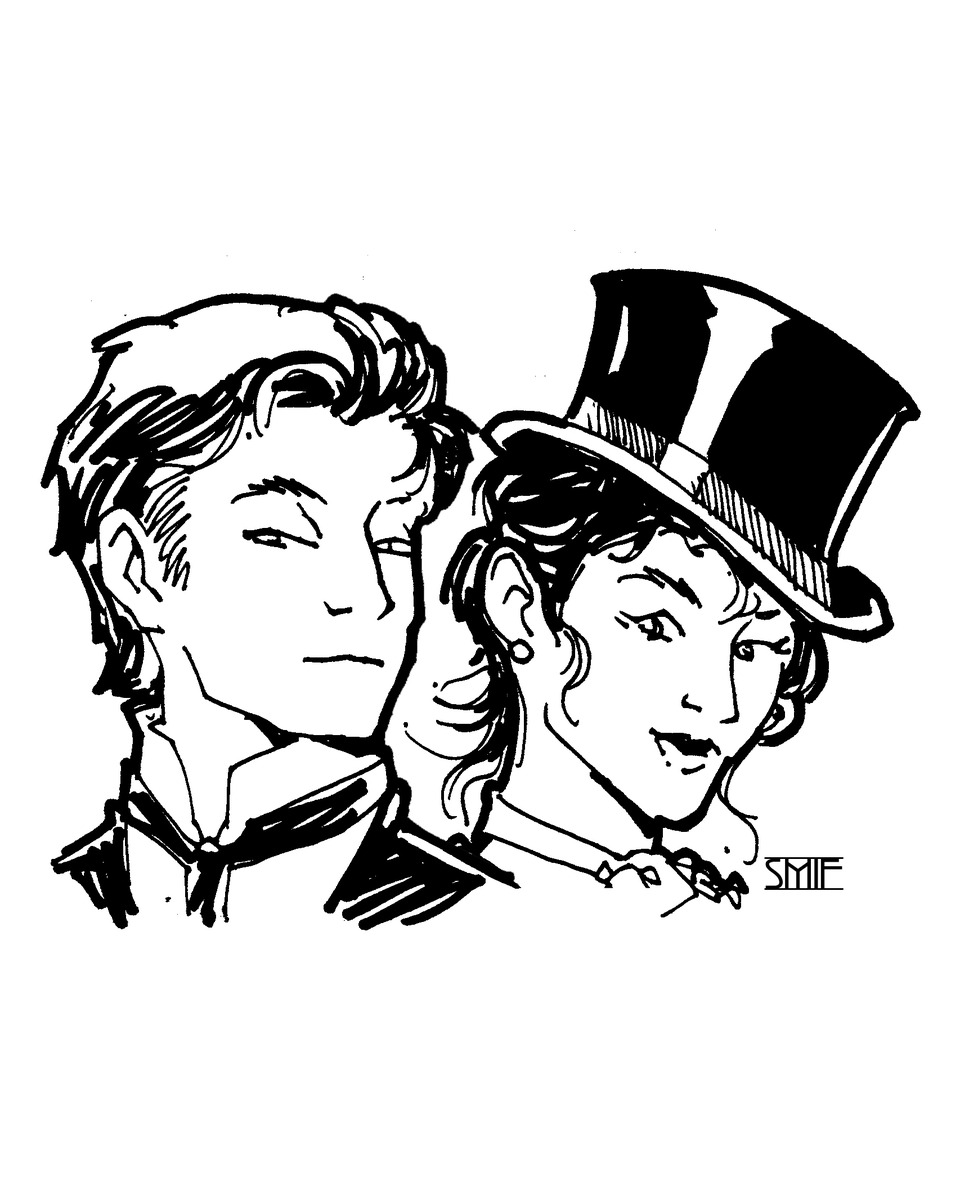
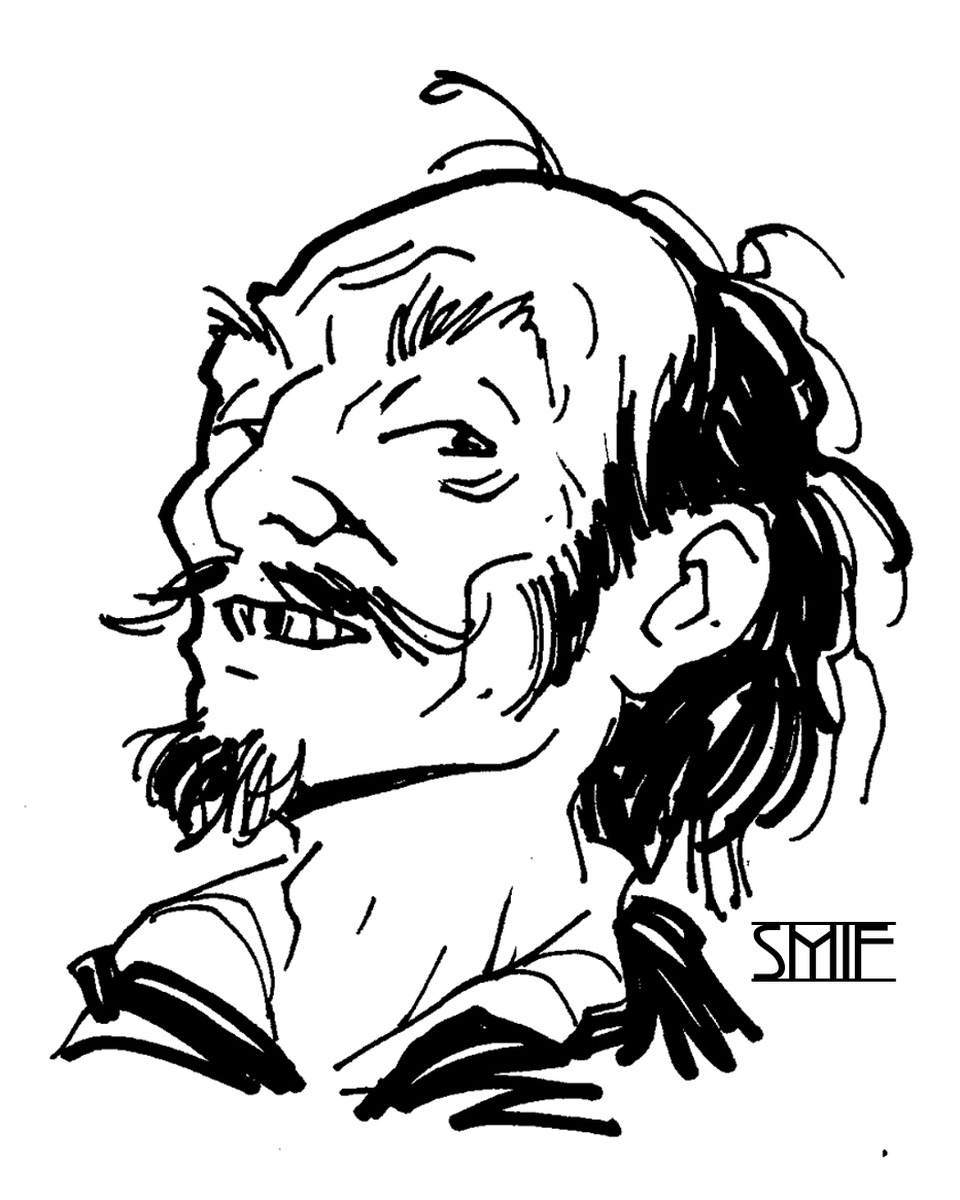
Colonel Cecil Cruikshank had given out a musical evening, and in the matter of musical evenings the Colonel was a man of severe economy. The drawing-room lamps were put down to two, which is precisely sufficient light for a pianist and insufficient for anybody else; the chairs were drawn up in rows facing the piano; and the company, once seated, were obliged to sit still in the dark and look one way for the length of the programme. Effie Strange was at the instrument. Nan Pringle, the Colonel's poor relation, stood at her shoulder to turn the pages, which was the office Nan usually filled on such occasions, being the person in the house whose time nobody thought to ask after. Outside, the rain kept steady time on the long windows.
At the interval, called at half past nine, Nan said she was faint with the closeness of the room. She left the piano, went up to lie down in her own small room at the head of the back stair, and was not seen again alive.
Mrs Sib Gow, the Colonel's housekeeper, carried up a jug of barley water at eleven o'clock. She found Nan lying on the coverlet, quite still, her boots unlaced and set neatly side by side beneath the bed. Nan had been smothered — pressure held over the mouth and nose until the breathing stopped. There was no wound and no blood, and nothing whatever in the room disarranged.
Dr Tobias Quill, who had been in the drawing-room the whole evening and was called up at once, set the death between the interval and the finding — between half past nine and eleven o'clock.
A cushion from Nan's own chair lay on the floor at the foot of the bed, its cover still damp where a face had been pressed into it. It was the room's own cushion. Nothing had been carried up the stair, and nothing carried down.
The interval had run its twenty minutes. Effie Strange did not leave the piano through any part of it, but sat picking out passages in full view of the rows; the second half began at ten o'clock and ran without a break to the end of the programme.
Nan's door was neither locked nor forced. The back stair at the Manor is uncarpeted and creaks at the fourth tread from the bottom, a fault the Colonel has declined for some years to have remedied. Mrs Gow was in the stillroom at the stair's foot the whole interval. She heard the tread creak once going up and once coming down, and heard nothing else at all — no voices raised, no struggle, nothing from above but the rain.
Lady Lavinia Loveless was not in her seat when the second half began. She took her place a little after ten and said she had gone out to the passage for air. The passage produced no one to say otherwise.
Nan's hands had been folded on her breast and her hair smoothed. Someone had straightened her after.
On the washstand lay a sheet of Nan's own notepaper, folded once, with three lines in her hand: a Wednesday, a Thursday, and a Sunday, each with an hour set beside it, and beneath them the word GARDEN-ROOM twice underscored. There were no names.
Nan Pringle had lived at the Manor on sufferance. She had no money of her own and a great deal of other people's business in her head; she had a habit of knowing things and a habit of mentioning, pleasantly, that she knew them. Three days before, in the corridor outside the music-room, she had observed to Lady Lavinia that she thought it a pity a woman of her standing should be so careless about who saw her cross the garden-room after dark. Fifi, coming up with the lamps, heard it entire. Lady Lavinia said nothing at all in reply and went on down the corridor. The garden-room lies at the far end of the ground floor, cold and unused after September, and has its own outer door.
Nan's other interests were more domestic. Zane, the footman, is the Colonel's most rule-abiding servant and the handsomest man in the house; Nan had for years contrived to be wherever he was, and had lately taken to asking Mrs Gow, twice and three times in a week, whether Zane had been wanted upstairs of an evening. That evening Zane and his twin sister Fifi were both in service: Fifi carrying trays in the drawing-room and seen constantly, Zane sent out at nine o'clock with the trap to fetch a case of hock from the town and not back until midnight, as the stableman confirms.
Captain Wat Frew had twice offered Nan money for what she knew of the Colonel's shipping venture, and twice she had laughed at the sum; he had told the Colonel, cheerfully, that the girl was no use to him at that price. He had come up from the harbour to dine and stayed for the music because the rain was coming down in sheets. He sat in the back row, and at the interval went down to the kitchen for a drop of something and stood by the range the whole twenty minutes, talking at Mrs Gow, who had him in her sight and hearing the entire time.
The Reverend Simeon Gaunt had preached the previous Sunday on covetousness with his eyes, everyone agreed, fixed upon the Cruikshank pew; asked afterwards whom he meant, he said he had meant the parish. He had been sent for that afternoon to read the burial office over the Colonel's old setter and had stayed on for the music, seated at the end of the front row. He is unbribable, and holds that a soul untouched by punishment is a soul left to rot. He rose once, to fetch the Colonel's rug at the interval, and was back in three minutes; the Colonel and Cousin R both had him in view for the remainder.
Quill dined at the Manor twice a week and sat with Nan in the small parlour after, and had done so for eleven years. He had told the Colonel she was the only person in Cairnholm who never made him afraid. He had taken port before the music and had been in the house since seven, and he sat in the second row and did not leave it at the interval: Cousin R, beside him, and Fifi, passing with her tray, both place him there, and he was still in his chair when Mrs Gow's cry came down.
Lady Lavinia, born Isolde Marsh, comes to the Manor weekly to sit for the late Mrs Cruikshank on Fridays, at four pounds a week, and has done so for two years. She keeps her own counsel and her own hours and is very fond of being thought indispensable; the Colonel has said in company that he would sooner lose a horse than lose her.
The Colonel himself sat in the front row the whole evening with his rug and his gout, Cousin R beside him, and neither moved from the front row after the lamps were put down, but for Cousin R's turning once to look at the door. Xerxes Hartfield, Aziz, and Mabel's household were not of the party; Xerxes and Aziz passed the whole evening at Hartfield House over Xerxes's accounts, vouched for by their own staff, and neither was at the Manor that day.
The rain went on against the long windows. The piano lid stood up still, with Effie's music open on the stand; and upstairs a small room in perfect order, the boots set neatly side by side, and the cushion lying where it had been dropped.