


Colonel Cecil Cruikshank had a theory that music was best received in the dark, and being a man whose theories were seldom contradicted under his own roof, he acted upon it. His intimates were gathered in the drawing-room on a raw autumn evening, set in ranks, and instructed to face one direction and sit still. The candles were put out but for the two at the music-stand, which burned with the particular self-importance of candles that have survived a general extinction.
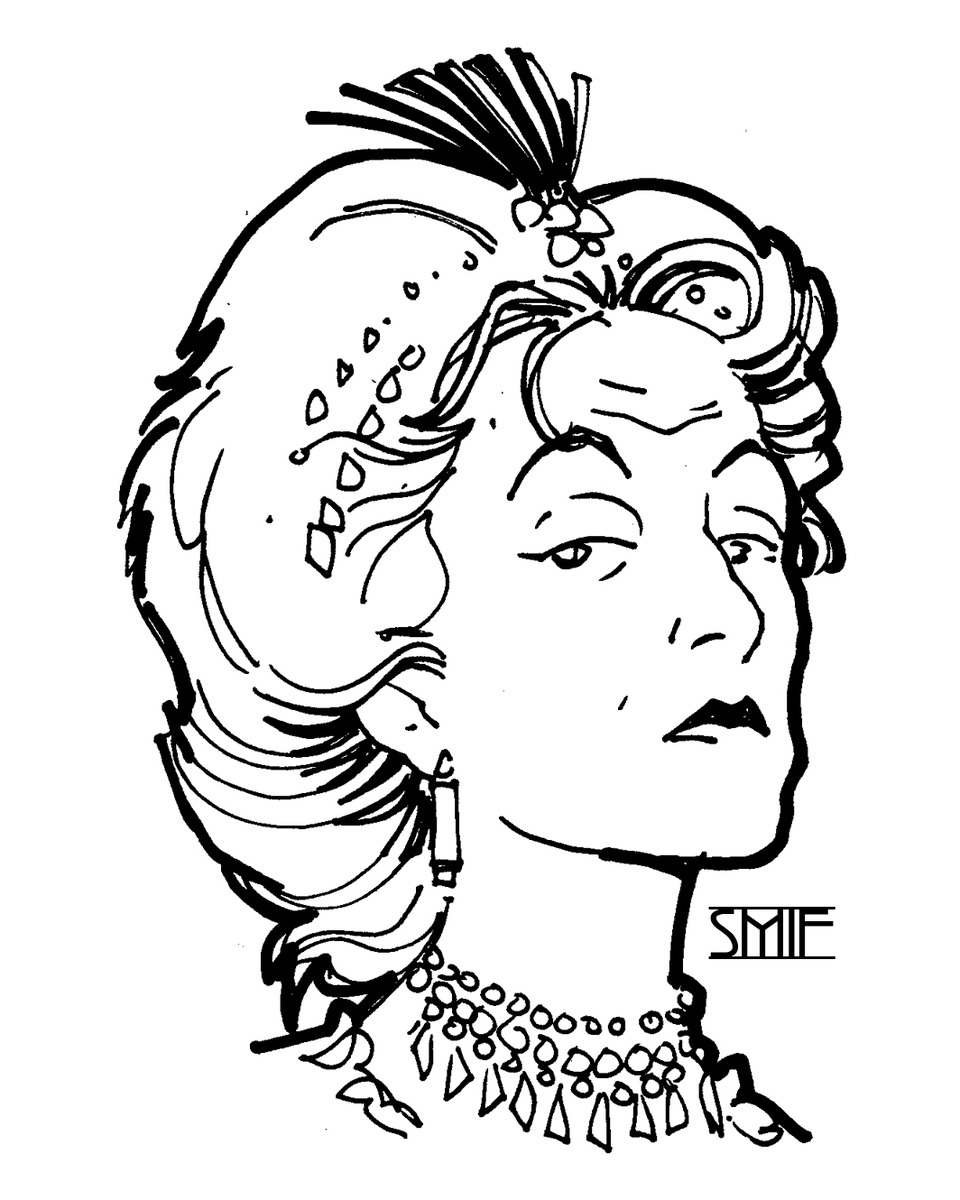
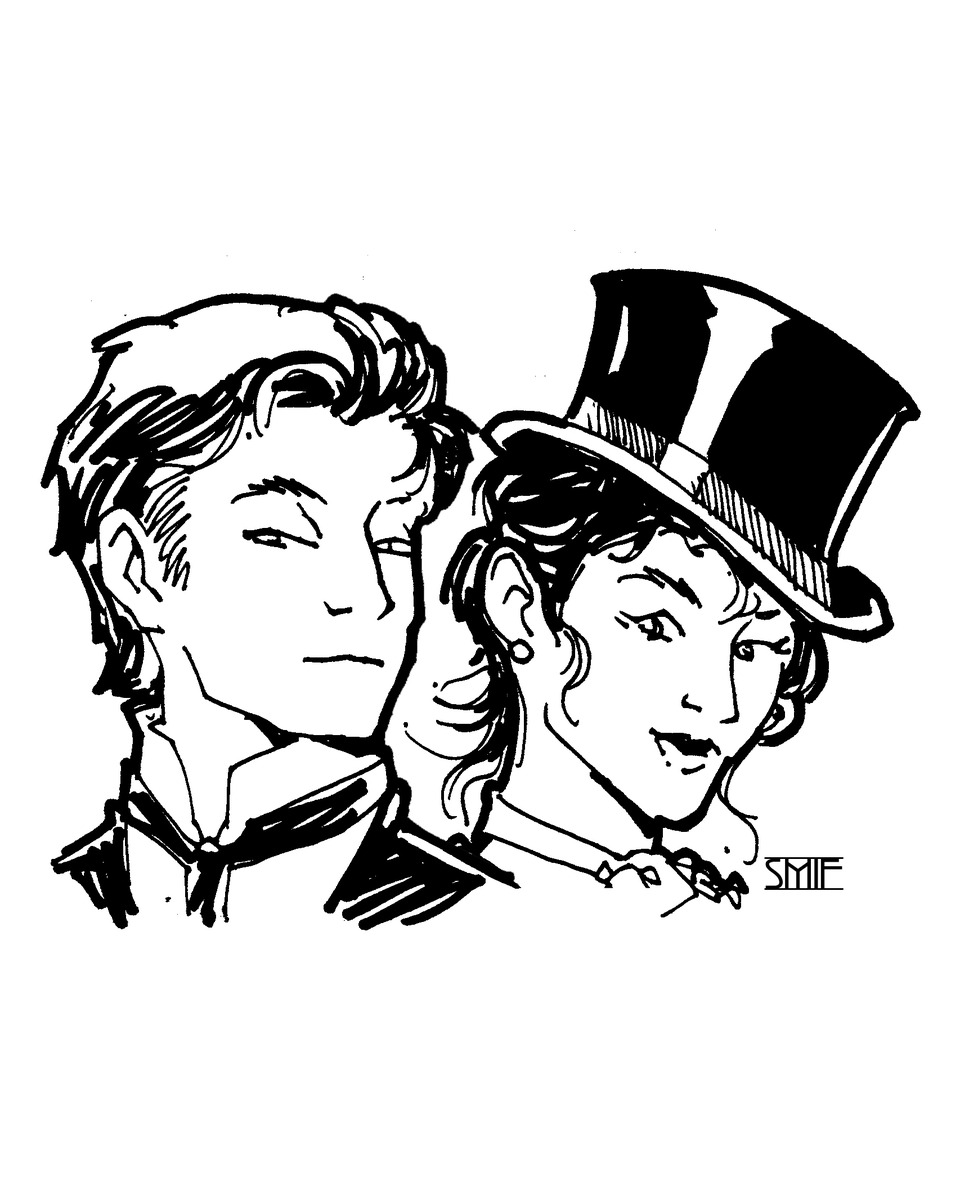
Effie Strange sat down to open the evening. She was the Colonel's bright young heir-presumptive, and she played as such people play — confidently, and rather louder than the composer had in mind. At her shoulder stood Nan Pringle, the Colonel's poor cousin, in the small warm island of light, ready to turn the pages. It made a pretty tableau: the two claimants on the Colonel's regard, one seated and illuminated, one standing and just behind.
Midway through the second piece Effie left the piano. The company, obedient in the dark and unable to see much beyond the music-stand, took the silence for a pause between nocturnes and waited with good grace. She did not return to the stool. She was found afterward at the far end of the corridor by the guest apartments, seated against the panelling, quite composed.
She had been shot once — a single pistol ball. There was no second shot, no disorder, nothing overturned. Her hands were empty, and her gloves lay beside her on the floor.
That corridor gave onto the apartment lent that week to Xerxes Hartfield, the nabob, and his companion Aziz. Aziz had withdrawn early, being unwell, and had not come down to the music at all. Within the apartment, on the floor, lay an open jewel-case with its velvet slip empty. The ornament it had held was the Maharaja's Sapphire, Aziz's love-token, given him by Xerxes and reckoned beyond anything Aziz could have bought for himself; he wore it always and never idly parted with it. The Sapphire was much admired and much coveted, and Effie had been heard to speak of it more than once, with a collector's warmth.
Dr Tobias Quill, who is the town's physician and also its coroner, and who regards the two offices as a convenience, set the death within the darkened stretch of the music — roughly between the doused candles and the striking of ten o'clock, when the company rose and the loss was noticed.
No firearm was found upon any guest, nor anywhere in the music-room. The Colonel keeps a cased pair of pistols in the gun-room off the same corridor. The case was later found unlatched, and one pistol gone.
Effie's reticule was recovered from the corridor. It held a small vial of laudanum and a folded sheaf of unpaid accounts. Her spending had lately run ahead of her; she owed money about the town, and her fondness for laudanum was an open secret among those who looked closely — though the Colonel, charmed, did not look closely at all. It was likewise known that his will was unsettled, and that he weighed Effie against Nan, and that neither of them yet held it.
The evening's company may be set out briefly. Cousin R, the unplaceable guest who orbits the Colonel, sat in the second rank beside Lady Lavinia Loveless, the medium retained for the household's sittings, and their neighbours had the pair of them in view throughout the music. Captain Wat Frew was aboard his vessel in the harbour on ship's business. The Reverend Simeon Gaunt was away at his parish and did not come to Cairnholm.
The Colonel himself sat in the front rank, facing the piano, and his neighbours vouch that he did not stir until the candles were relit. Nan, when Effie rose, remained at the lit music-stand in full view of the company until the alarm. Belowstairs, Fenella Swain — Fifi to the household, and no admirer of Effie's airs, though wary of ladies above her station — was laying out the supper things under the eye of Mrs Gow, the housekeeper, who had her in sight. Zane, her twin and the Manor's footman, a man who abides by rules as others abide by weather, was stationed at the drawing-room doors handing the guests in and out; Mrs Gow and two of the guests place him there across the darkened playing.
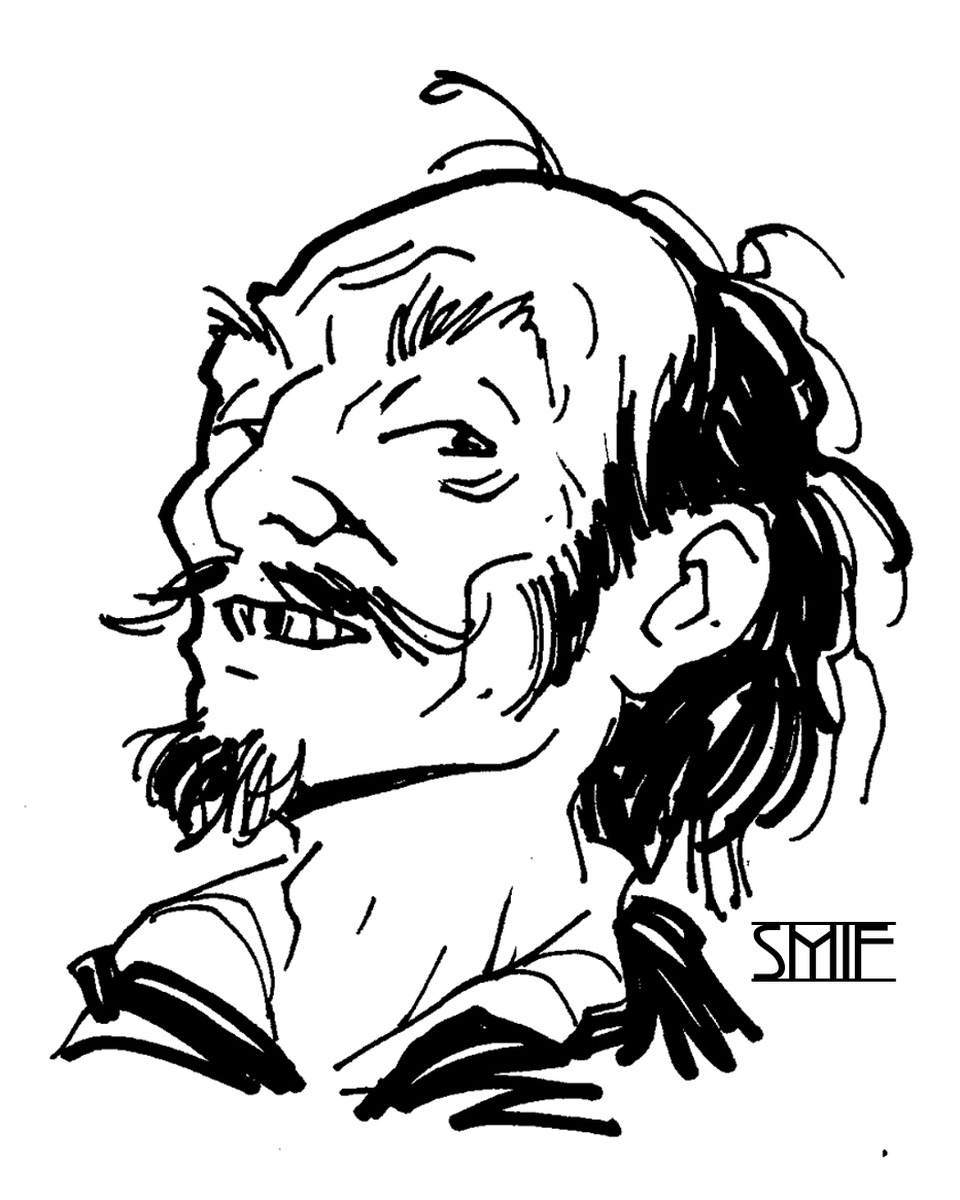
Xerxes had been present at the start, genial and unhurried as always. He is a poor sleeper who keeps late hours, and during the darkened playing he slipped out, remarking that he would look in on the ailing Aziz. He rejoined the company only as ten o'clock struck. Aziz kept to the guest apartment, unwell, until the alarm.
The nocturne's last chord was long since gone. The candles blazed again over an empty piano stool — and at the corridor's end a young woman sat against the panelling, gloves at her side, her hands quite empty.