
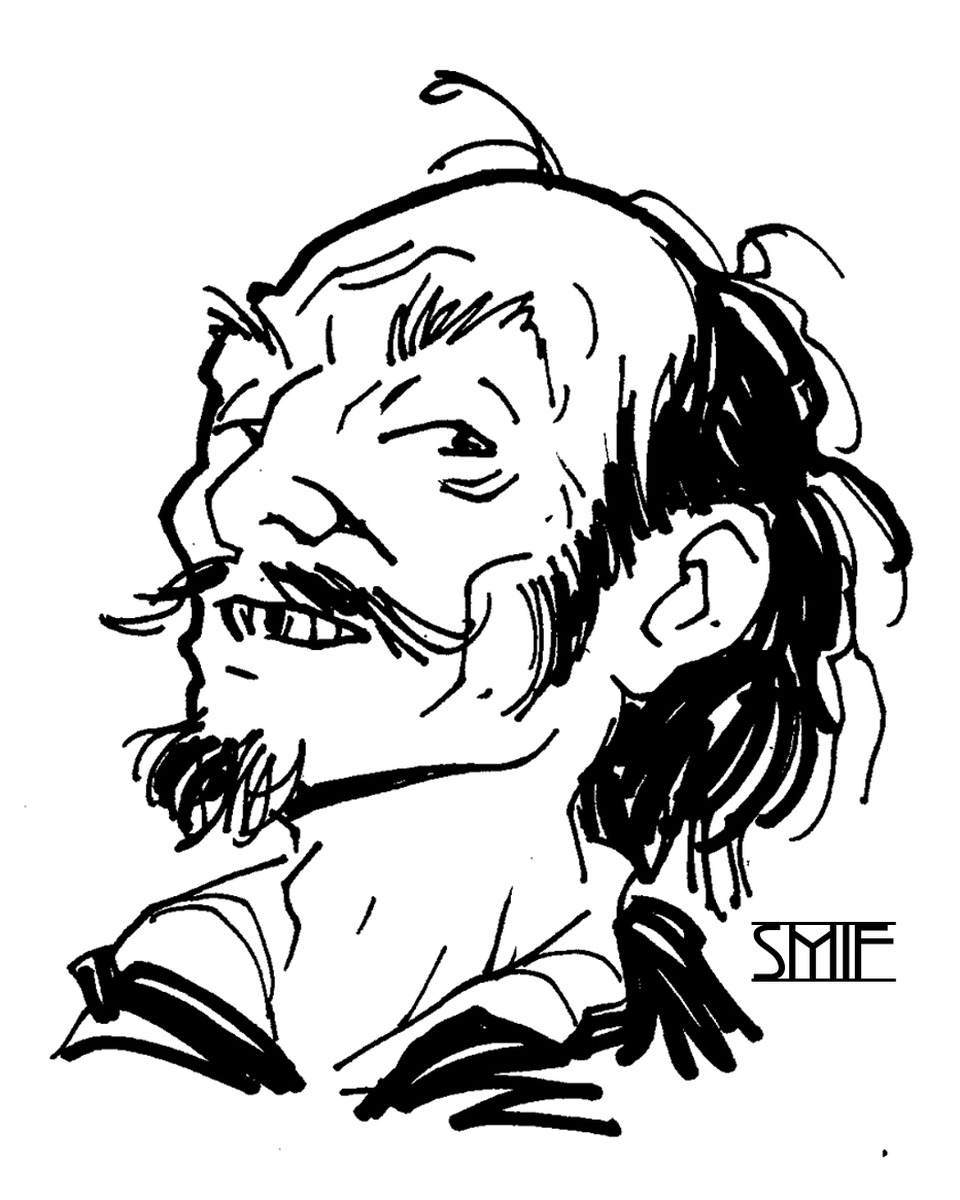
It rained on Cairnholm that Tuesday in November, as it had rained for eleven days before it, and Colonel Cecil Cruikshank gave a farewell supper for Captain Wat Frew, who sailed on the morning tide. The house was cold in the manner of houses whose masters are generous with everything but coal. The stair was unlit past the first landing. The company was smaller than the table, which lent the evening a stately, echoing quality that everyone agreed afterwards had been very pleasant.
Over the soup the Colonel announced that he had that morning signed a new will before his solicitor at Cairnholm. The residue was to go to Effie Strange, his brother's girl, "who has the life in her" — he repeated the phrase, being fond of it — with an annuity of forty pounds to Nan Pringle, in recognition of her attendance upon him. Effie said it was too much. The Colonel said it was not nearly enough. Nan said the soup was going cold.
The will thus signed replaced one of eleven years' standing, under which the residue had gone to Nan Pringle. The terms of that older document stood copied into the household book in Nan's own hand, where she had entered them in 1873 and where they had waited ever since, tidily ruled, among the bills for tallow and mutton.
Nan Pringle is the Colonel's poor relation. She keeps his accounts, his linen and his lamps, and has done for years without wages, without money of her own, and without any place in the world but the Manor. She is patient and colourless and has never once been heard to complain of the arrangement. Mrs Sib Gow, the housekeeper, deposed that Nan had asked her that afternoon, quite evenly, what a woman of forty-one did who had forty pounds a year and no roof. Mrs Gow had not known, and had said so, and they had gone on folding the sheets.
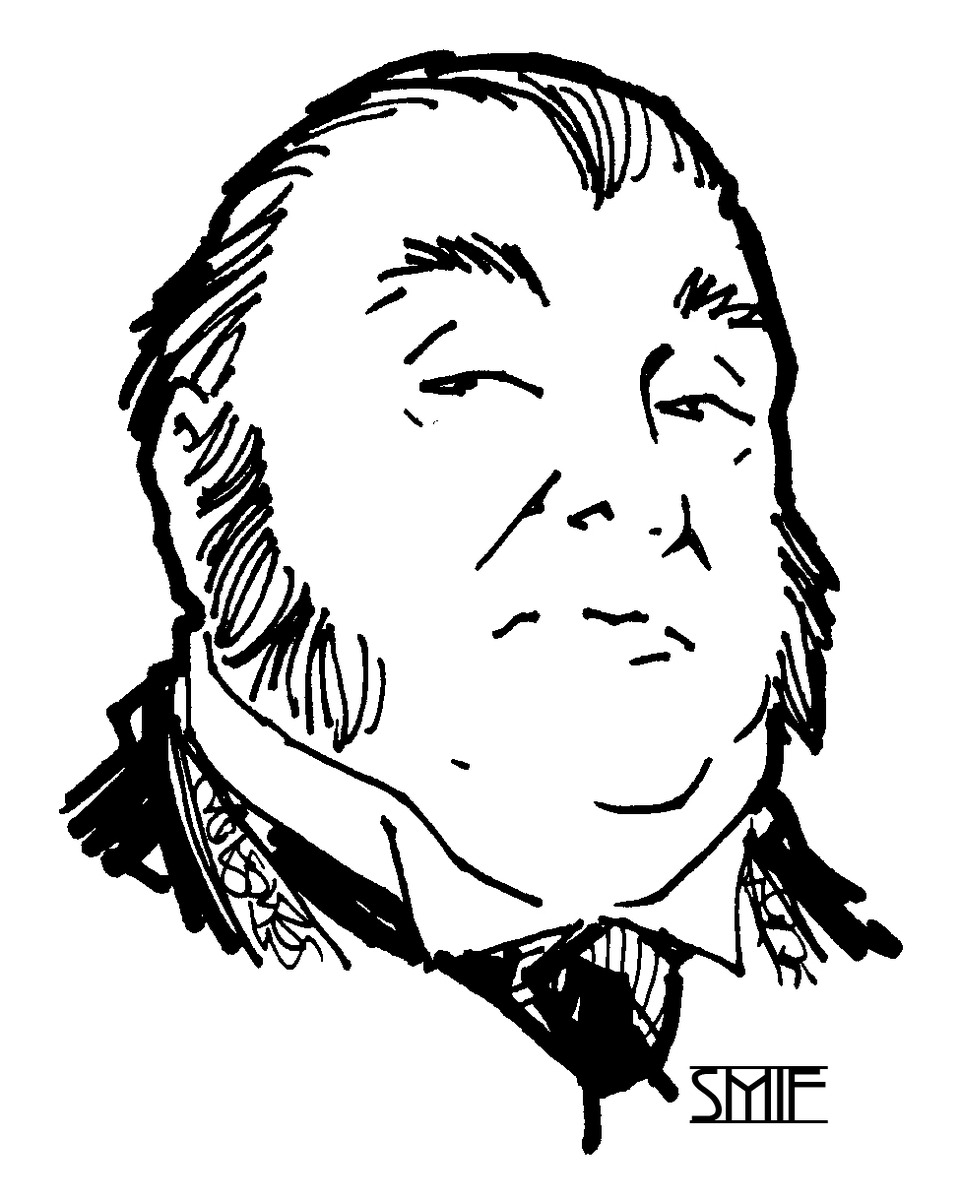
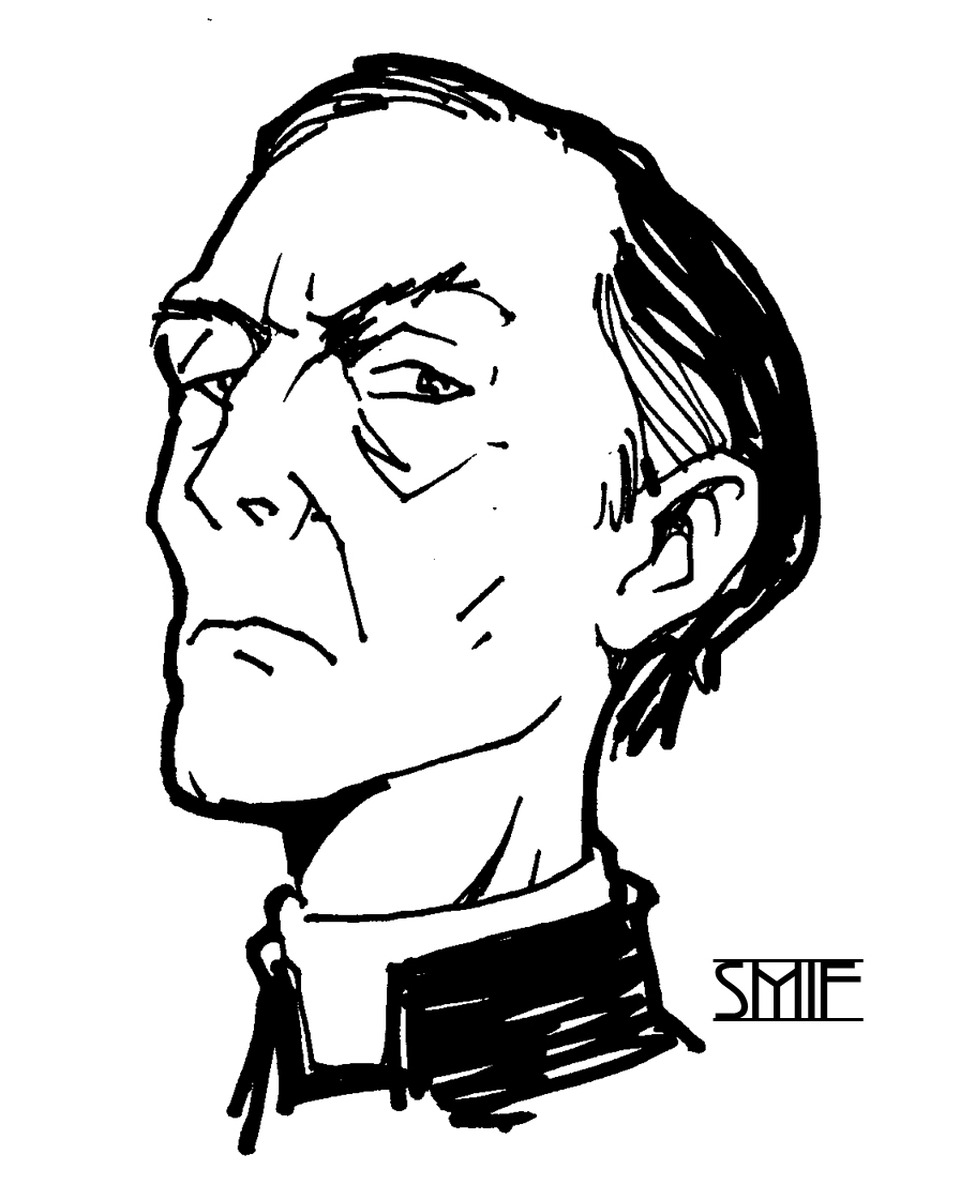
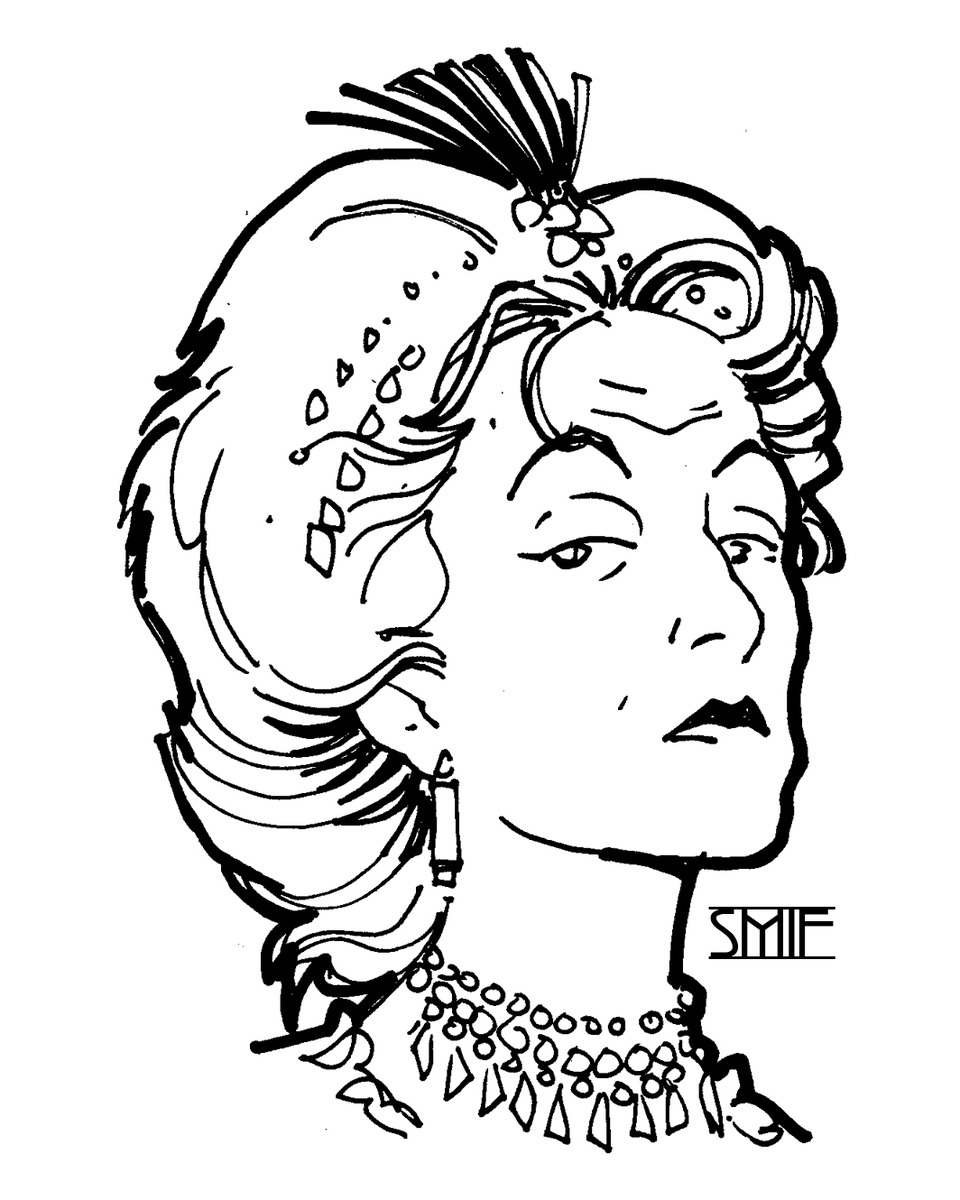
The rest of the company was assembled by nine. Cousin R, a guest of no fixed origin who orbits the Colonel, presses dead moths into flower-heads, and collects what people would rather he did not know, had asked Effie that week to sit for him and had been refused, laughing; he was heard to say he would ask again in the spring. Lady Lavinia Loveless, who sits weekly for the Colonel's late wife, had lately taken Effie as a private client at a guinea the sitting, and was owed three guineas for them. Captain Wat Frew was owed eleven pounds on the laudanum he supplied her, on terms he calls friendly; his bag stood packed in the hall. Both debts were patient debts, by their holders' own accounts, and both would die with her. Dr Tobias Quill, physician and coroner, drank the Colonel's port, as he does weekly, with the air of a man who would rather be elsewhere and cannot think of anywhere safe.
Xerxes had come out on business in the afternoon and had not stayed for supper; he left at six by his own carriage, seen off by his man and by the Manor's stable-boy, and was at Hartfield House by seven. Aziz, his companion, passed the evening there and did not come out to the Manor at all. The Reverend Simeon Gaunt kept the night at St Mungo's vestry at his penitential vigil, attested by his verger.
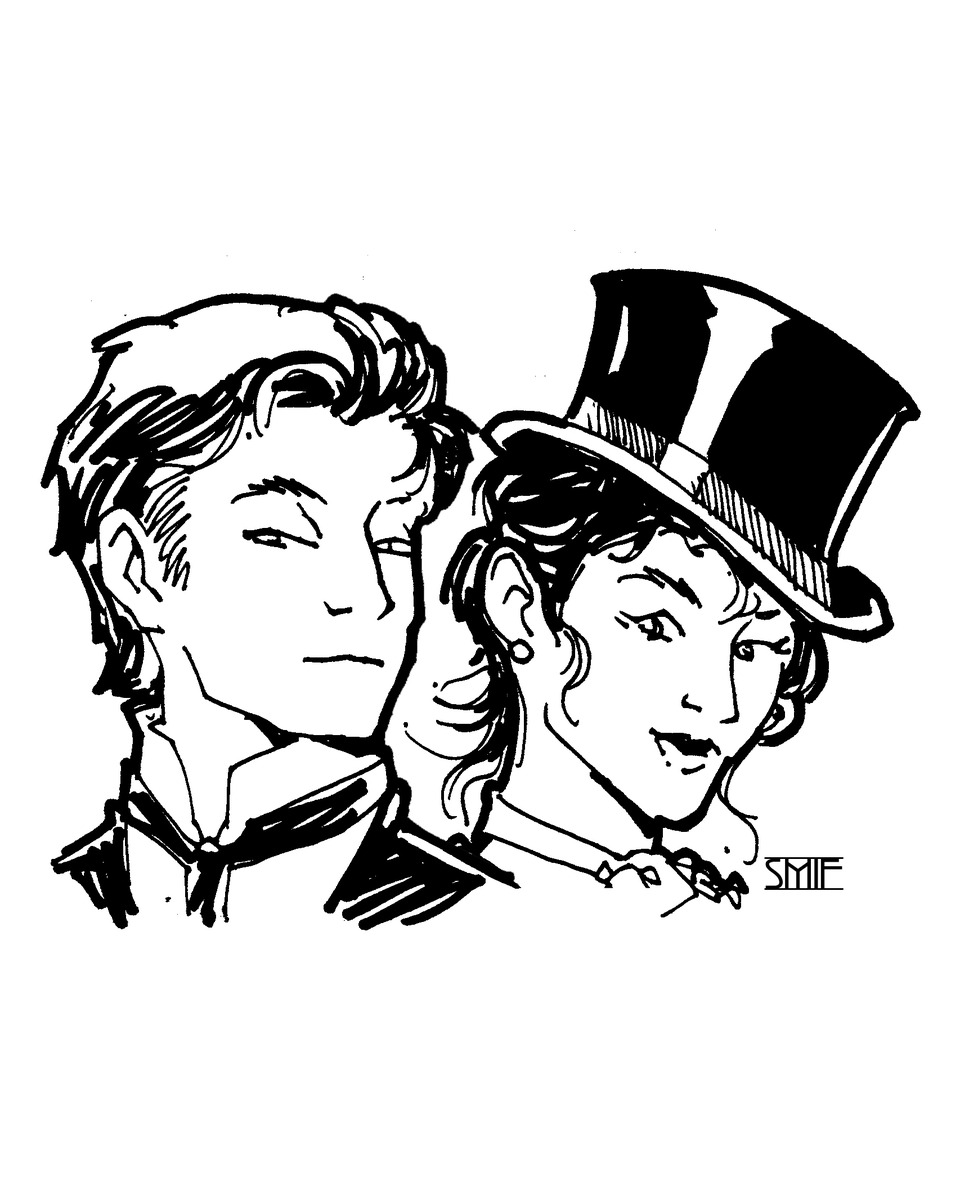
From nine o'clock the Colonel, Cousin R, Lavinia, Quill and Wat were at table and then at the port in the dining room, the door standing open to the hall. Zane served the port from nine and then stood at the sideboard; all five place him there continuously. Zane is a great keeper of rules and of the household's small reports. Fifi, his twin sister, was in the scullery from a quarter past nine with Mrs Gow, washing the fish service, and Mrs Gow deposed that she did not leave it until the cry went up. Fifi's settled opinion was that Effie Strange left more work behind her than three other guests together, and she had expressed it more than once over the plates.
Nan was at table with the company, and left the room twice: once for the coffee tray, once to see to the fire in the small parlour. Mrs Gow places her in the kitchen passage at the coffee tray. The parlour errand is unvouched.
A little before ten, Effie went up alone to fetch her shawl. No one had sent her. She had asked Nan where it had been put, and Nan had told her: the blue bedroom, second door past the landing. A guest's shawl would ordinarily have been laid in the small parlour below, where the ladies left their things. Effie's had not been.
At half past ten she was found at the foot of the main stair. She lay quite neatly at the edge of the hall carpet, her slippers still on, and her neck was broken. The fall had killed her. No one in the drawing room had heard her call out — only the one sound of the fall, which the Colonel afterwards described as being like a door shut too hard in another part of the house.
The second stair-rod of the upper flight lay loose in the hall, out of its brackets. At that step the runner had slipped a hand's breadth. The rod's brass screws were not broken but backed out clean, and they were found lying together on the landing carpet, side by side, rather than scattered as screws will be when a fitting gives way of itself.
Mrs Gow deposed that Zane had reported that same rod loose to her a fortnight since, that she had entered it in the day-book, and that the Colonel had said the work could wait till the spring. The day-book entry stands in her hand.
The upper landing lamp had not been lit. Mrs Gow deposed that the lamps above the first landing are Nan's charge each evening at dusk, and have been so these four years, and that on this evening they were not lit.
In Effie's reticule was a small green bottle of laudanum, three parts full, its stopper in. Dr Quill examined her at once and stated in company that she had not been drugged, and that the fall alone had done it.
The Manor's tools are kept in the butler's pantry drawer, which is not locked. Mrs Gow deposed that the pantry lies off the kitchen passage, and that anyone going for the coffee tray passes its door. The screwdriver was in its place in the drawer, wiped clean of the brass polish that films every other tool there.
They laid Effie on the long table among the plates of the farewell supper, and Captain Wat Frew, who would sail in six hours, sat down again and finished his port. Above them the second stair-rod's brackets stood empty, and the landing lamp, unlit, waited for someone to attend to it.