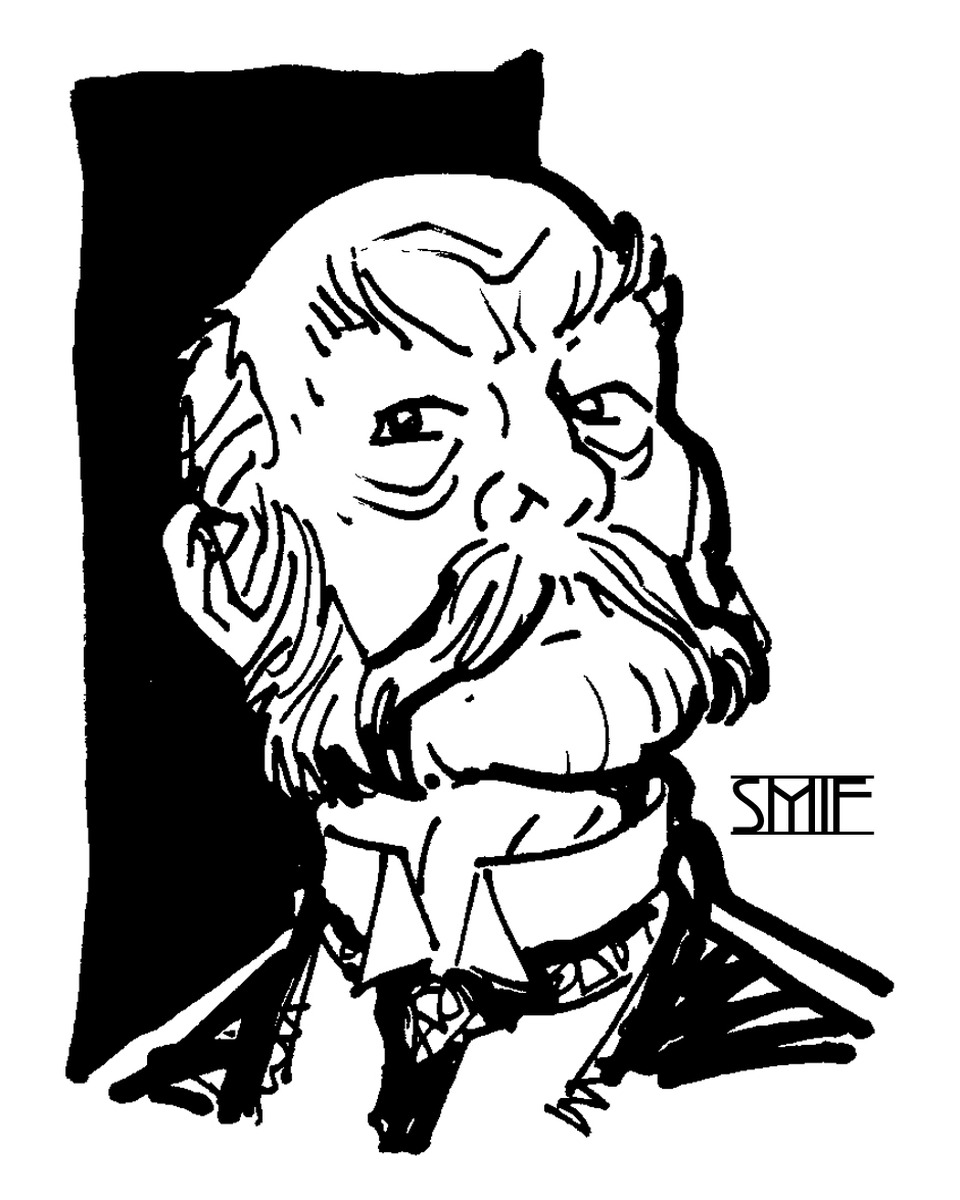
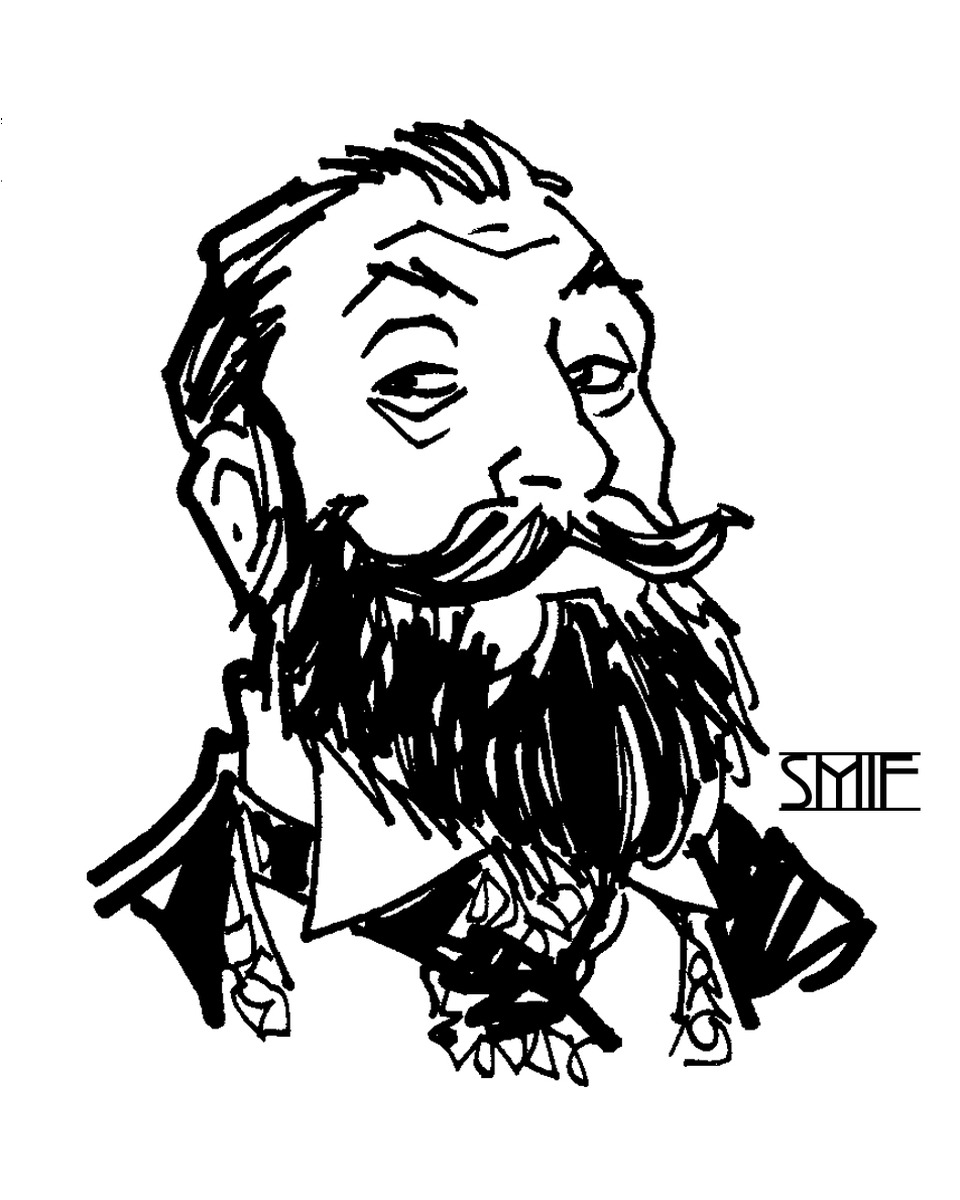
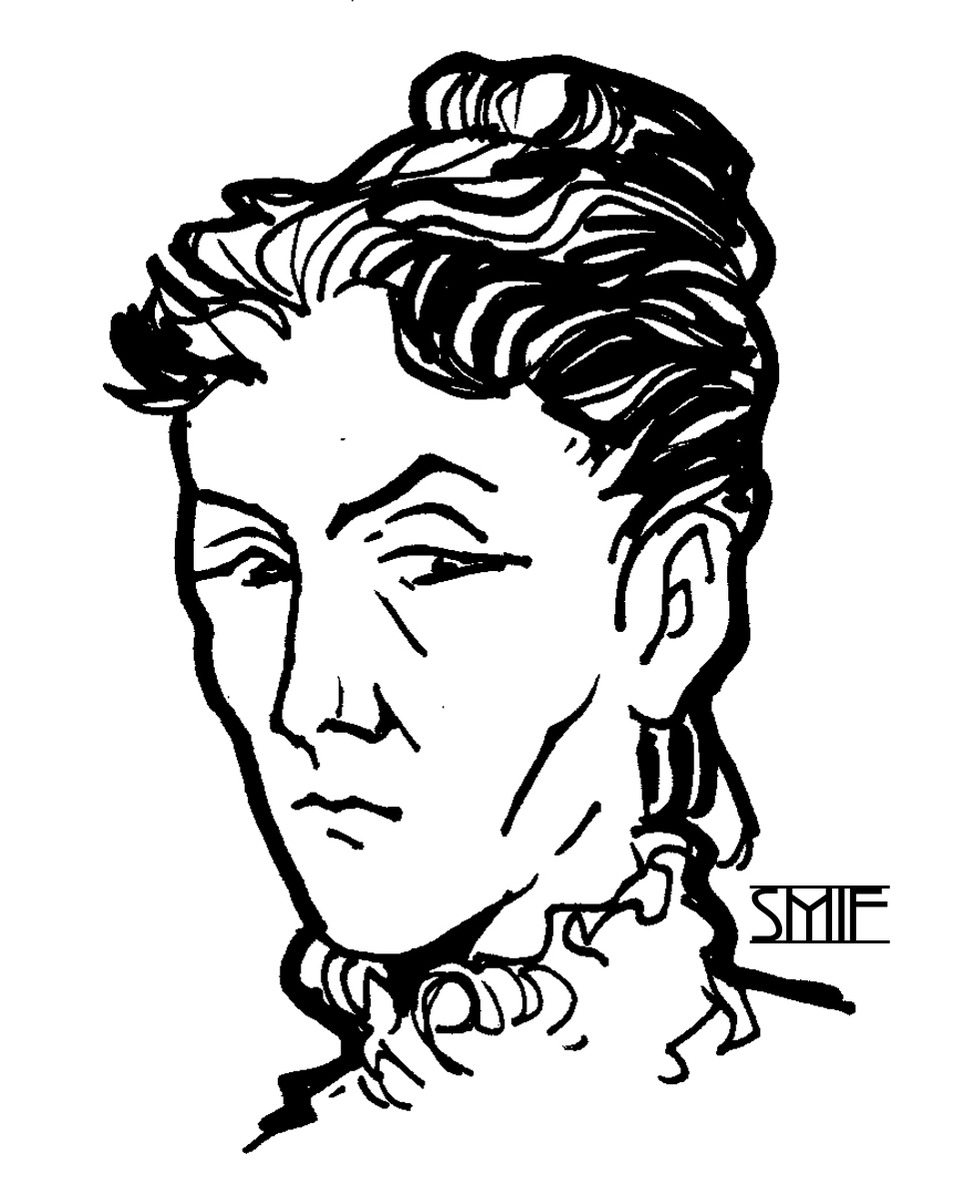
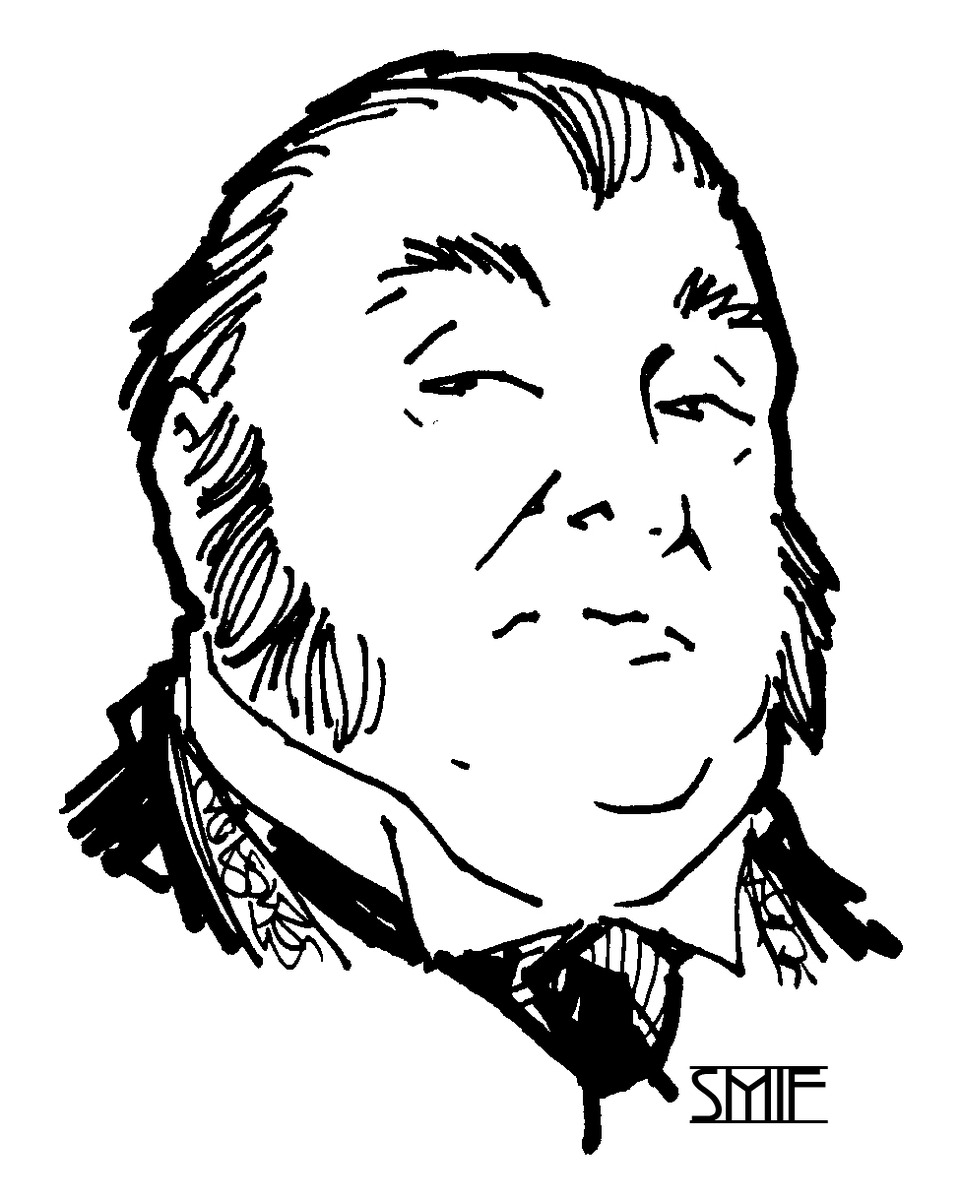
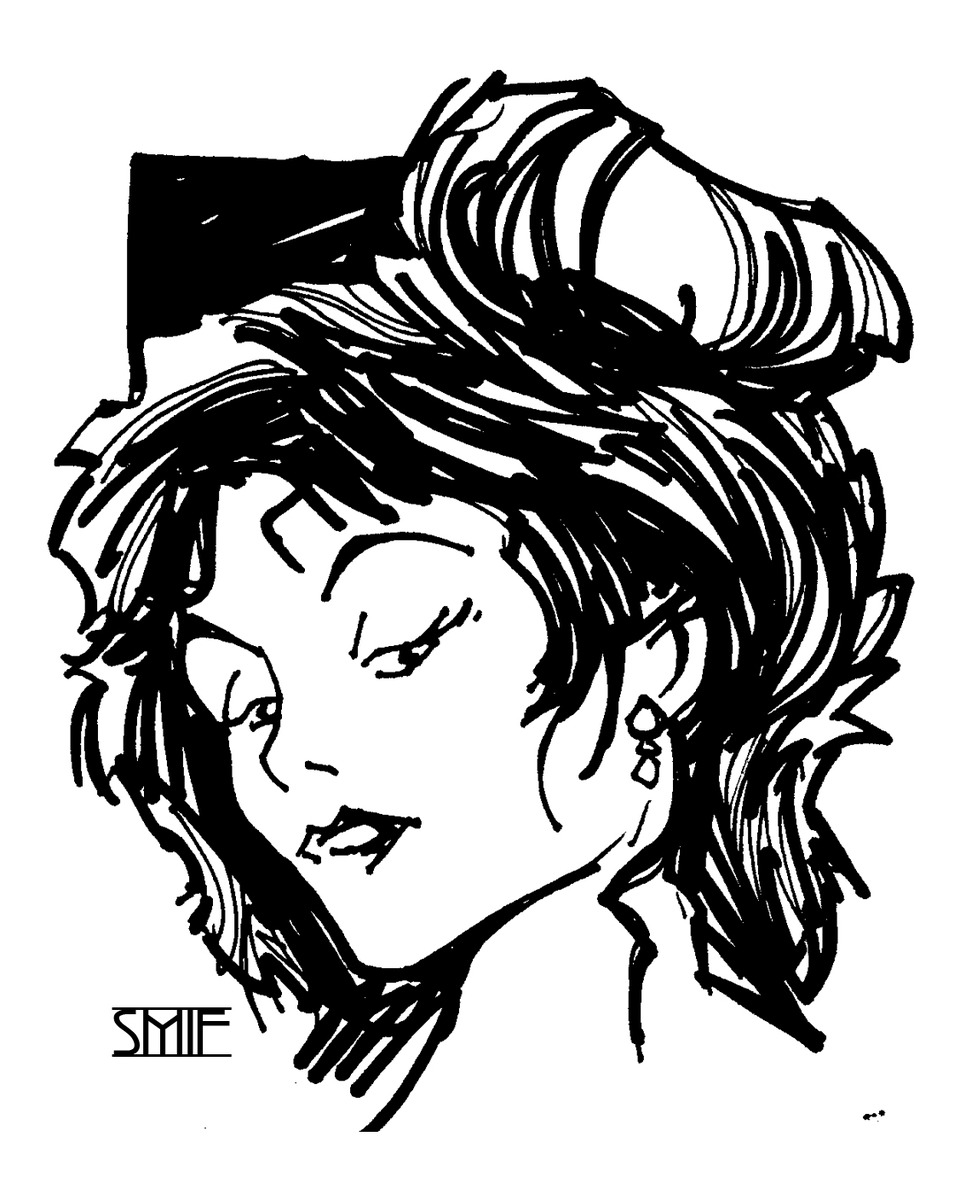
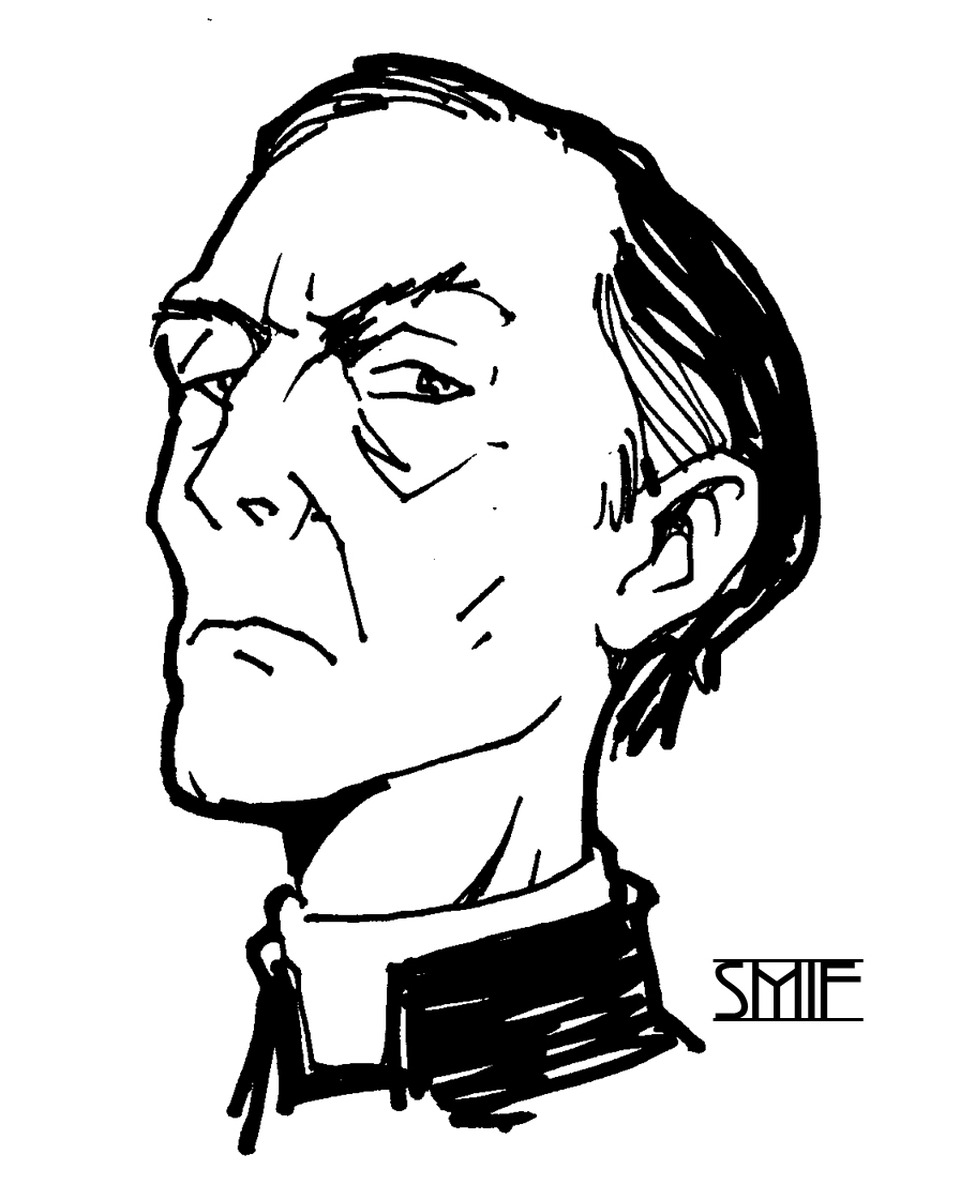

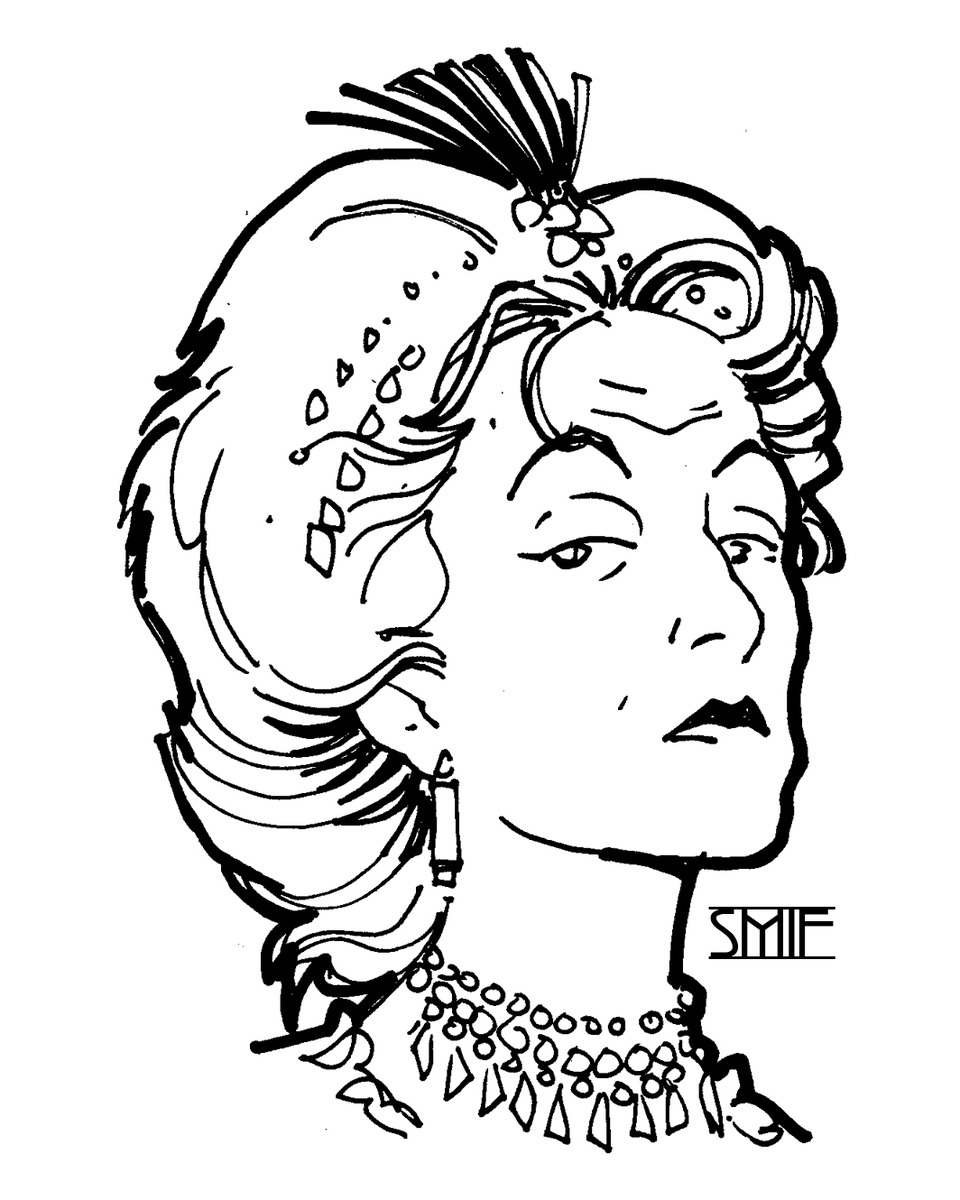
Colonel Cecil Cruikshank was a man who believed that a shooting party, like a regiment, is only as good as its inventory. The guns went out at first light; the company scattered themselves across the low cover and the beech spinney and remained so scattered all morning, in the raw and uncharitable air of a Scottish autumn; and at noon there was to be a count at the gun-room door, the Colonel standing by with his list as though the weapons might otherwise wander off to sea.
The count was called. The guns came in. Fifi did not.
Fenella "Fifi" Swain, the Colonel's maid, had been sent out that morning with the beaters' baskets, and she was a girl who had never in her life failed to arrive anywhere she was expected, chiefly because arriving allowed her to say something. She was found in the game-larder passage behind the gun-room, sat against the cold wall with her legs out before her, in the attitude of a person who has stopped a moment to rest between one errand and the next. She had been stabbed once, a single close wound, with a short blade. A folded man's handkerchief had been pressed neatly against it. The party, on the whole, thought it very poor manners to die in a working corridor.
Dr Tobias Quill, the physician who serves the district as coroner and who had walked the line all morning as a non-shooting guest, was called from the count and gave his opinion with the fretful precision of a man who would rather not. Death had come within the half-hour before the count — between half past eleven and noon — while the party was still strung out across the cover. One blow, delivered close. No struggle. No cry heard by anyone, the passage lying off the yard and the yard being full of dogs.
No knife was left behind. The gun-room and its passage held nothing but what a shooting morning deposits there: game-baskets, oilcloth, spent cartridge cases, and a gralloching knife gone from its place on the board. Nothing had been posed; nothing had been arranged for effect; the passage was as plain as any passage in which cold birds are hung. The handkerchief itself was plain too, and unmarked — the sort any gentleman of the party carried in his coat, and therefore the sort that told Quill precisely nothing about the hand that folded it.
Mrs Gow, the housekeeper, supplied the morning's one piece of conversation. Before the guns went out she had heard Fifi declare that she had "seen a thing in the guest's papers she oughtn't," and that she meant to ask about it. She had gone into the visitors' rooms at first light to lay the fires, as was her office, and she had lingered — Mrs Gow was firm upon the lingering — over a travelling desk that had been left unlocked.
This was in character. Fifi kept other people's secrets loosely; the household knew her for a girl who could not sit long upon a thing she had learned, but must get up and carry it somewhere. There was one confidence only that she had ever held close, and she held that one because it was not hers but her brother Zane's. Zane, the footman, her twin, and the second Swain in Cruikshank service, had spent the whole morning belowstairs and in the yard about the dogs, vouched for throughout by Mrs Gow and by the kennelman.
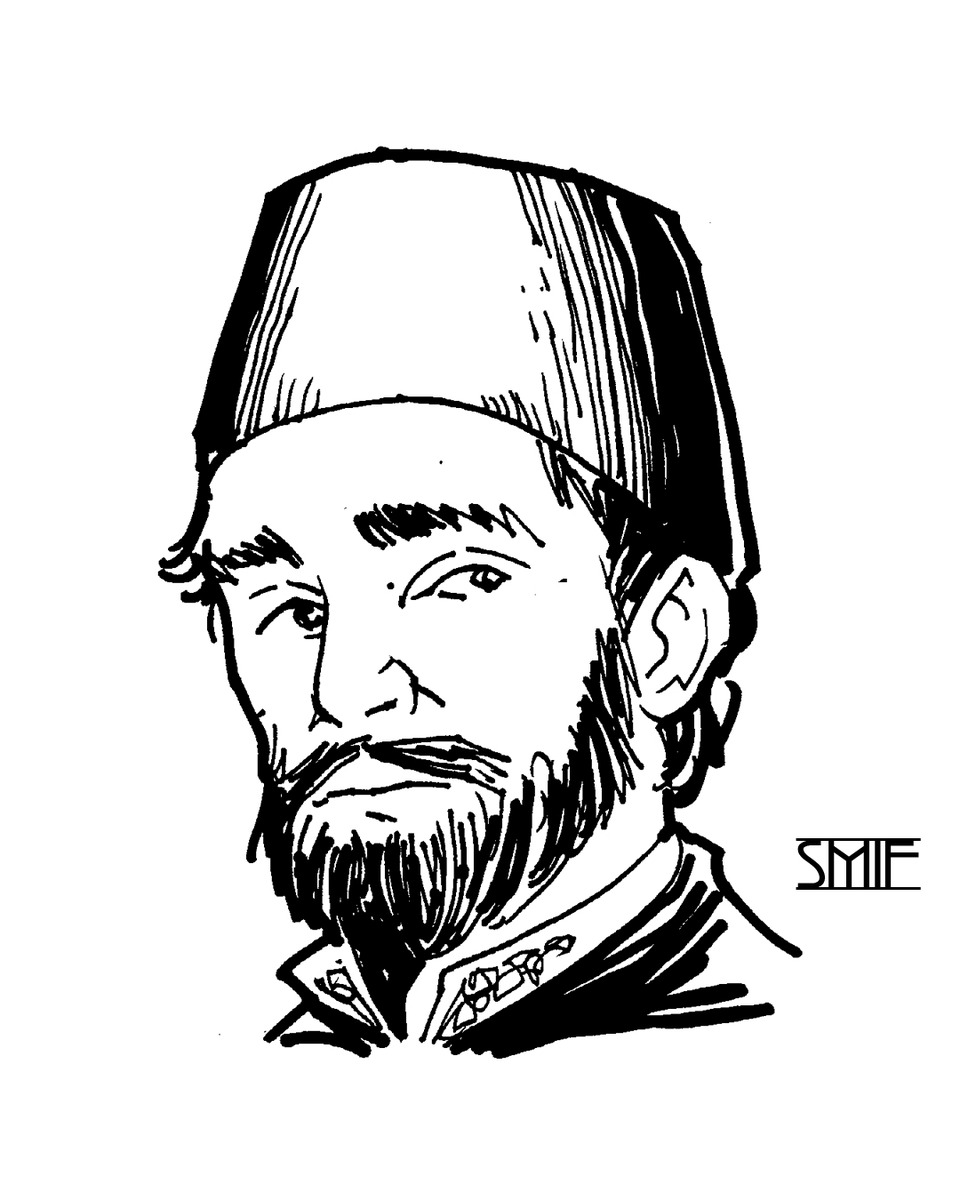
The party itself had been variously distributed, as parties are. Aziz, the companion of the visiting Xerxes Hartfield — a quiet, exact man in his fez, who kept close to his employer's affairs and rarely to anyone else's — had come out with the guns; but two beaters noted him turning back alone toward the house shortly before eleven, remarking that his gun had fouled. He rejoined the line at the count, and not before. Xerxes shot the near butts with the Colonel's own party and was in the Colonel's sight from before eleven until noon, which the Colonel confirmed with the air of a man confirming a bill.
Effie Strange, the Colonel's heir-presumptive and a young person who treated a morning's shooting as a lark, held the far gun in the beech spinney, in full view of the Colonel's loader and two beaters from before eleven until the count; the spinney is a good ten minutes' walk from the gun-room passage, and Effie had not walked it. Lady Lavinia Loveless, the medium who sits weekly for the Colonel's late wife and who guards her own name with the jealousy of a woman who has more than one, did not shoot at all. She passed the morning in the morning-room with the Colonel over the household accounts, and Mrs Gow carried in tea to them twice between ten and noon. Quill had walked with the beaters along the near hedge from half past ten, in company the entire time. As for the rest: the Reverend Simeon Gaunt was at a diocesan retreat on the far coast; Cousin R sat in the library with the newspapers and did not stir from them; Nan Pringle was abed with a chill, vouched by Mrs Gow; and Wat was down at the harbour with his boat. None of the four was anywhere near the cover.
The noon count completed itself without her. The guns went back to their racks, the baskets were stacked against the wall, and in the cold game-larder passage a maid sat against the wall with a stranger's handkerchief folded neat as a napkin, as if she had only paused between errands.