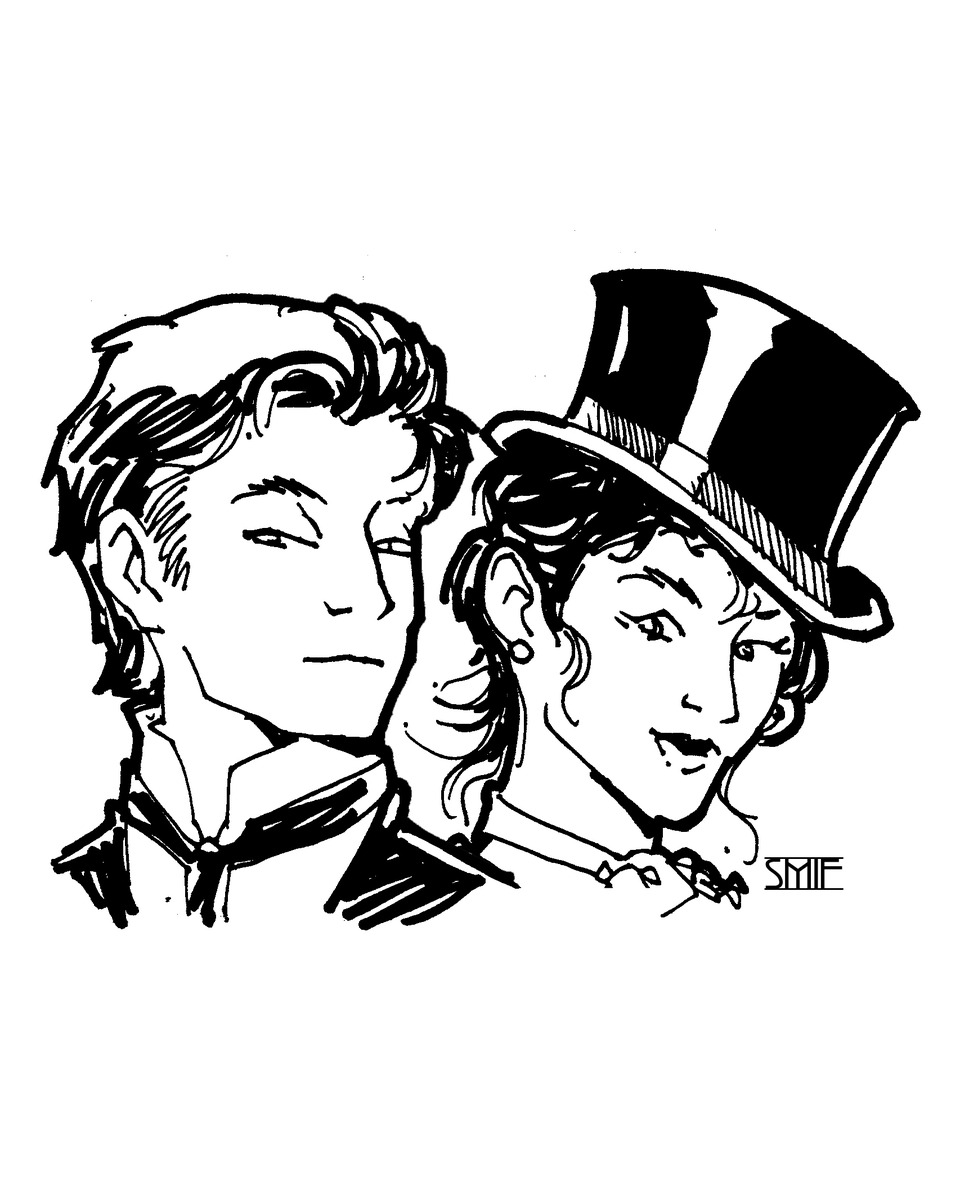
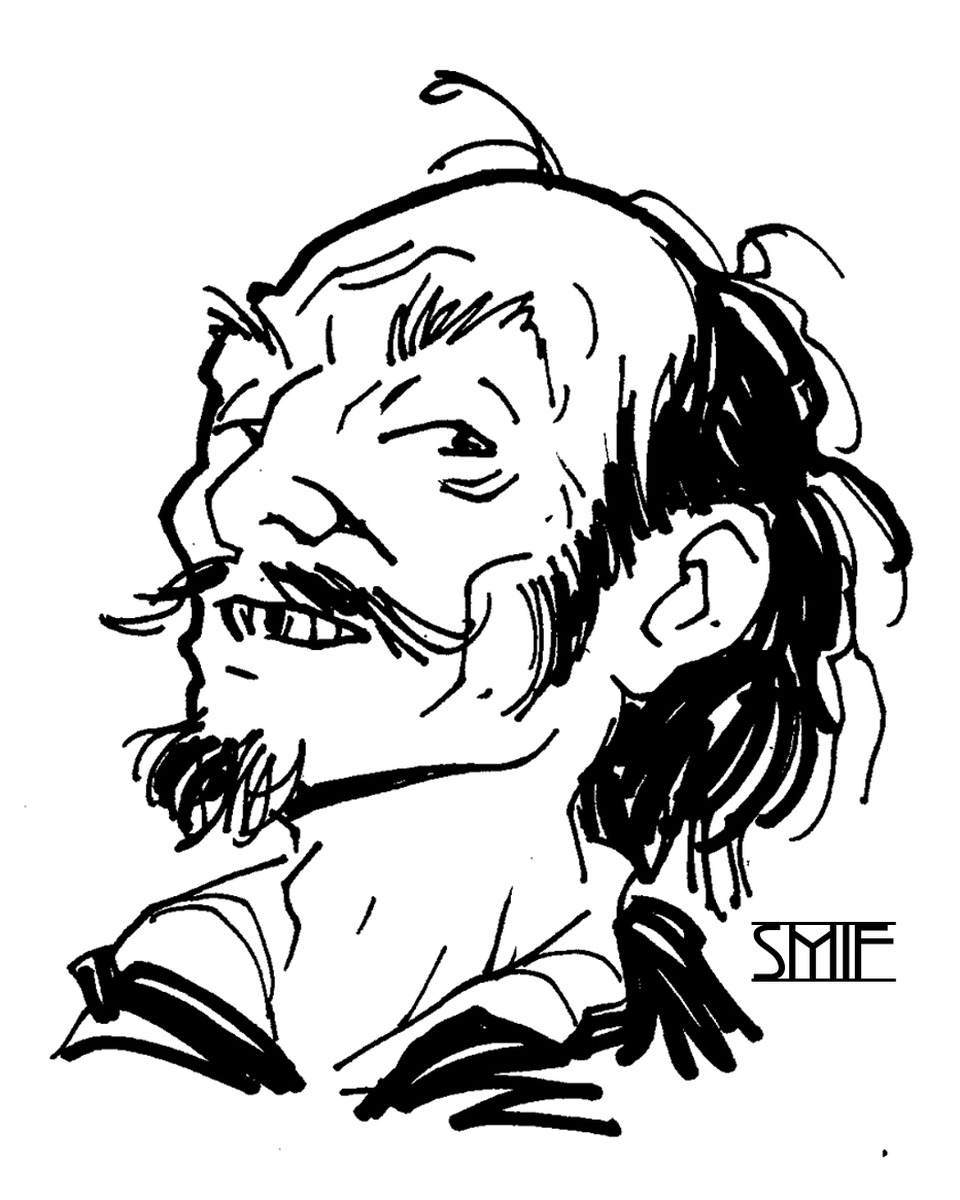
The map-room at Cruikshank Manor lies directly above the gun-room, and on a raw November evening it is the warmest chamber in the house, which is not saying a great deal. The Colonel had laid the narrow table for inspection: four campaign sheets unrolled and pinned beneath glass weights, a roll of tracing paper, a company of pencils, and a decanter of port at his own elbow, where a decanter properly belongs. From eight o'clock the party stood about the table and argued a boundary line drawn in 1846, somewhere in the Punjab, with the particular heat that attaches to questions no one present can settle and no one present will concede.
At the foot of the table, a little apart from the geography, sat Nan Pringle with her ledger and her cup of beef tea. She took it nightly in place of wine, and had done for years, and the household had long since stopped remarking upon it. At 10:30 she was found in that same chair, upright, her hands folded in her lap, the cup drained to the leaves, her face composed as though she were listening politely to an argument she had heard before.
Dr Tobias Quill had been of the party all evening, and so was spared the indignity of being sent for. He came down the table, examined her where she sat, gave the cause as a failure of the heart, and wrote out the certificate before eleven. In Cairnholm the coroner and the physician are one man, and have been these nine years, so that Dr Quill's certificate is at once the beginning and the end of any inquiry into a death in the town. No other examination was proposed. None was required.
It has since been established — for these things are established afterwards, at leisure — that the beef tea was brewed belowstairs at 9:15 and carried up by Zane, who set it at Nan's place and went down again directly. Mrs Sib Gow, the Colonel's housekeeper, saw him go and saw him return within three minutes and is firm upon it. She is equally firm that the cup then stood unattended at the table's foot for the better part of an hour, while the whole company leaned over the maps at the far end and disputed a river.
Beneath Nan's chair, folded into a neat square, lay a piece of tracing paper close-written in her own hand. It was a copied column of dates and sums, taken from a ledger that was not hers, and it was headed with the initials T.Q. The writing had been begun that evening. The pencil that made it lay beside it on the floor, hers, blunt at the point.
Dr Quill's bag stood open on the window-seat, as it always does when he dines at the Manor; he holds that a closed bag in a house of guests is an affectation. Among the phials is a tincture of digitalis, which he prescribes to the Colonel for his palpitations and to two other households in the town.
At dinner Nan had been in good spirits, in her dry way. She had spent the afternoon in the estate office, and she mentioned to the table that she had been three days at the parish burial register and had found "a tidy little pattern, and I mean to ask about it kindly." She did not say to whom the kind question was to be put. Nobody asked her. It was the sort of remark she made, and the sort of remark the company let pass.
At about a quarter past nine the doctor upset one of the glass weights and had to be helped to re-pin a sheet, the Kabul one having curled up like a shaving. Twice afterwards he mistook one campaign map for another, which the Colonel remarked upon in the tone of a man who has been mistaken for nobody in forty years. The doctor's hand, everyone agreed, was not steady.
Nan Pringle was the Colonel's poor cousin, and kept his estate ledgers, the parish subscriptions, and the burial-club book. Nothing came into or went out of Cruikshank Manor that she did not enter in a column. She had lately been engaged to Xerxes Hartfield — an arrangement of the Colonel's making, announced a fortnight since and received in the house as a piece of tidy business, rather like the renewal of a lease.
Three weeks since, Nan's own maid, Lizzie Kerr, had died at the Manor of a stomach complaint. Dr Quill attended her, certified her, and the Colonel paid the burial club. Nan sat up with the girl the last two nights, and from the morning after she was at the burial register, and had not left off. Her ledger, when they lifted it from the table, lay open at the burial-club page, where the column of the last five years' Manor and parish deaths had been ruled off in her hand, with a query set in the margin.
Dr Quill and Nan Pringle had grown up in the same Perthshire town, at Dunkeld, and were the only two people at the Manor who used each other's Christian names in private. He dined at her elbow weekly. She saved him the chair by the fire.
The others at the map table were the Colonel himself, presiding; Cousin R, who traced the boundary lines in a clean hand and spoke to nobody all evening; Xerxes; Lady Lavinia Loveless, who had come early for a word with the Colonel about his late wife and stayed on for the port; and Effie Strange, who leaned upon the table and was bored. The Reverend Simeon Gaunt passed the whole evening at the Seamen's Chapel at the harbour, at a vigil attended by forty of the congregation, and did not come up to the Manor at all.
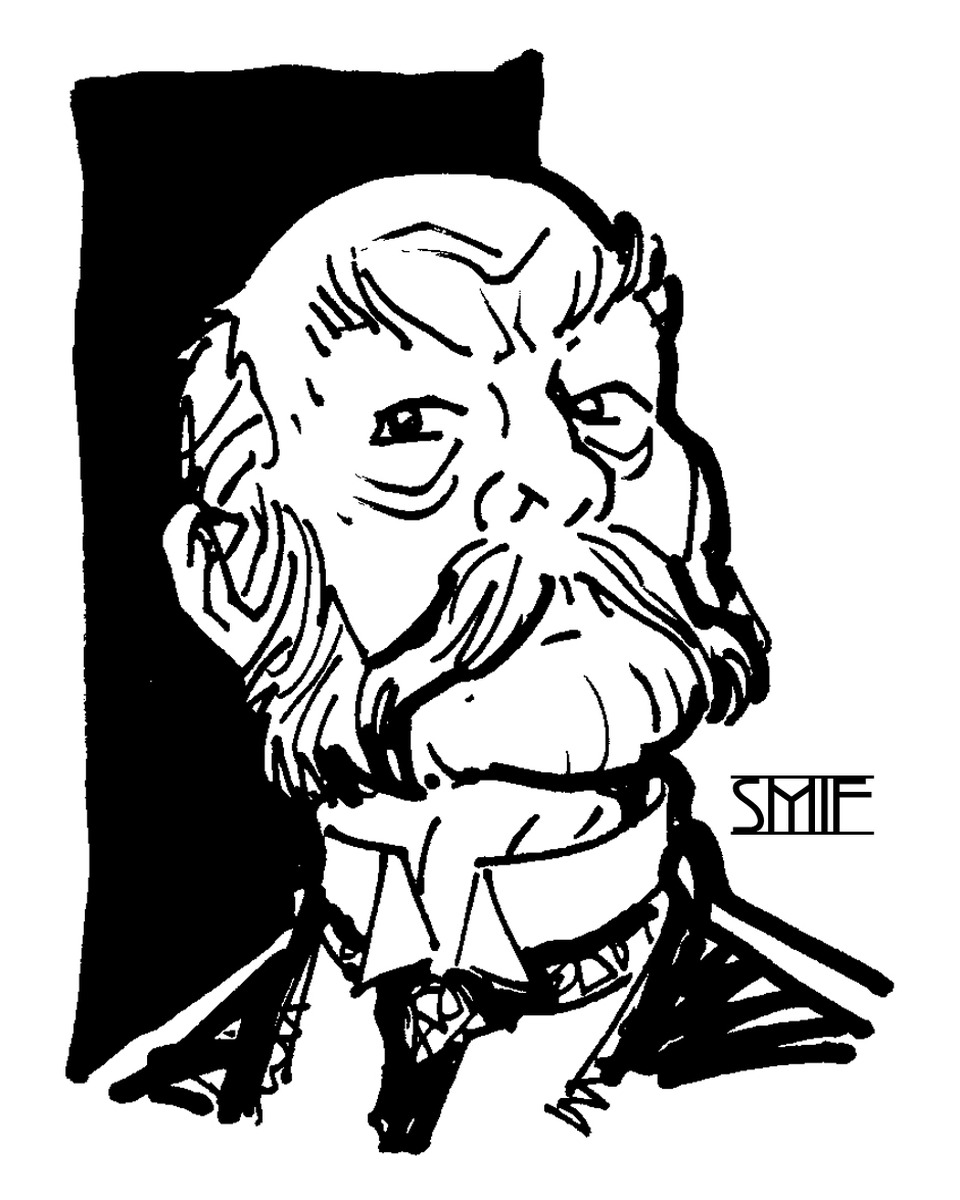
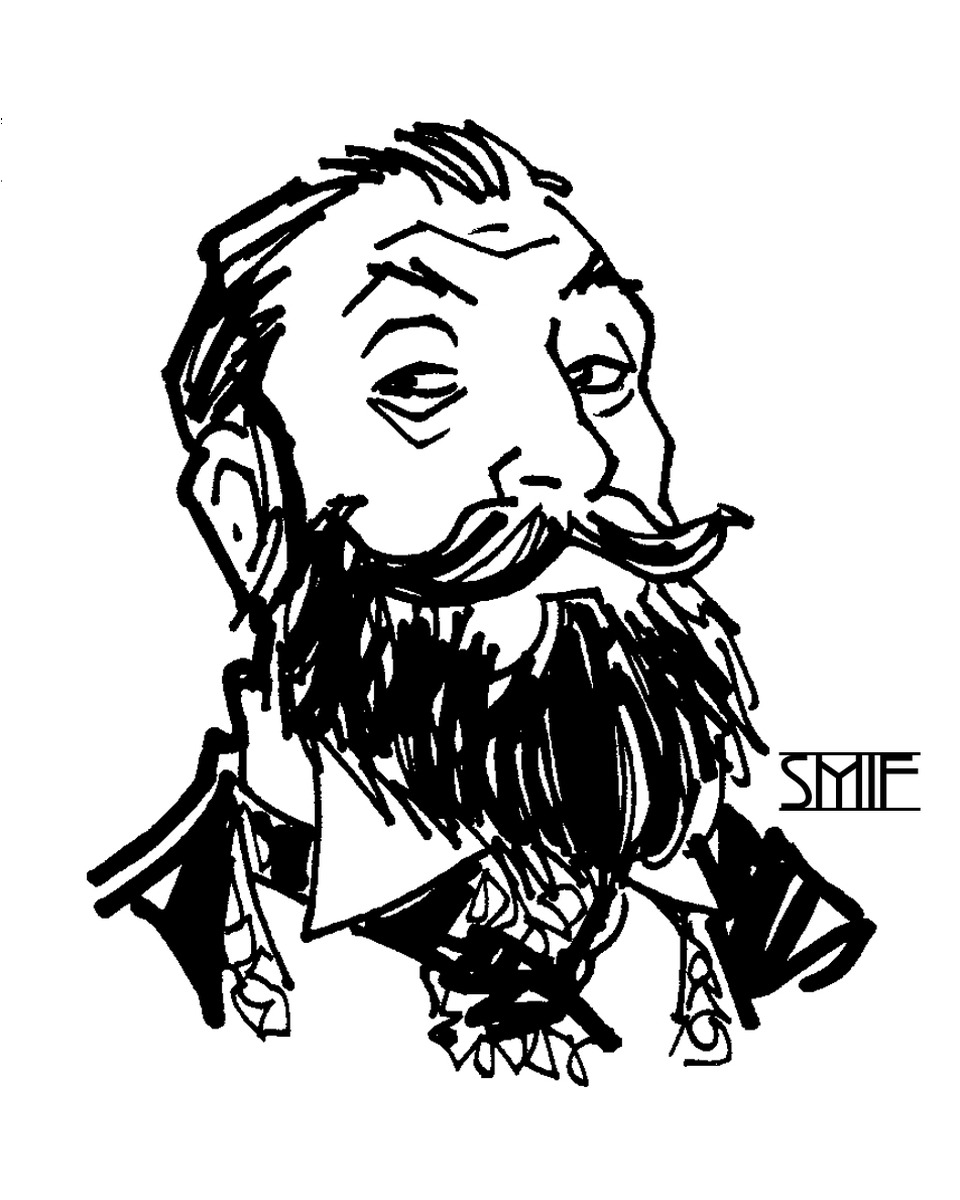
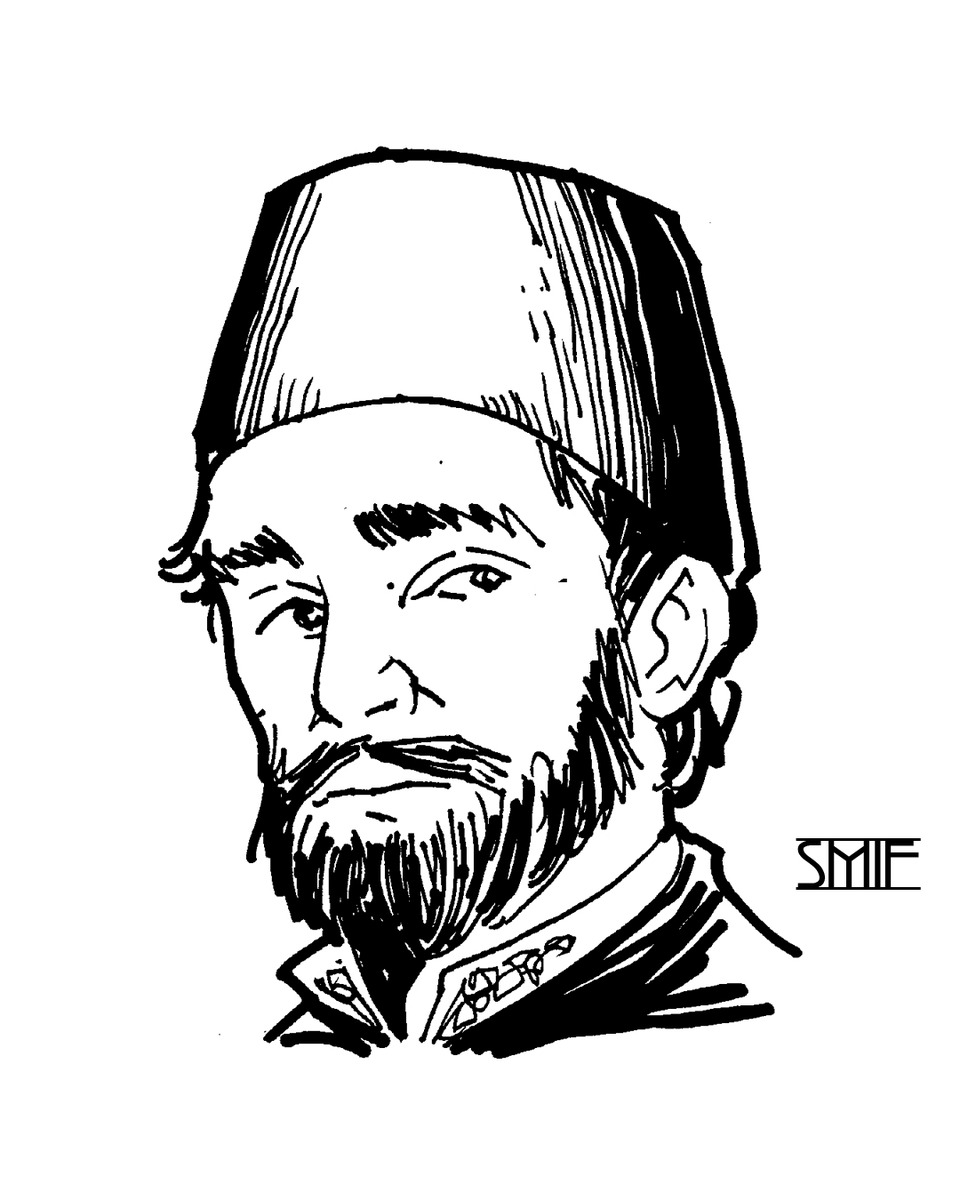
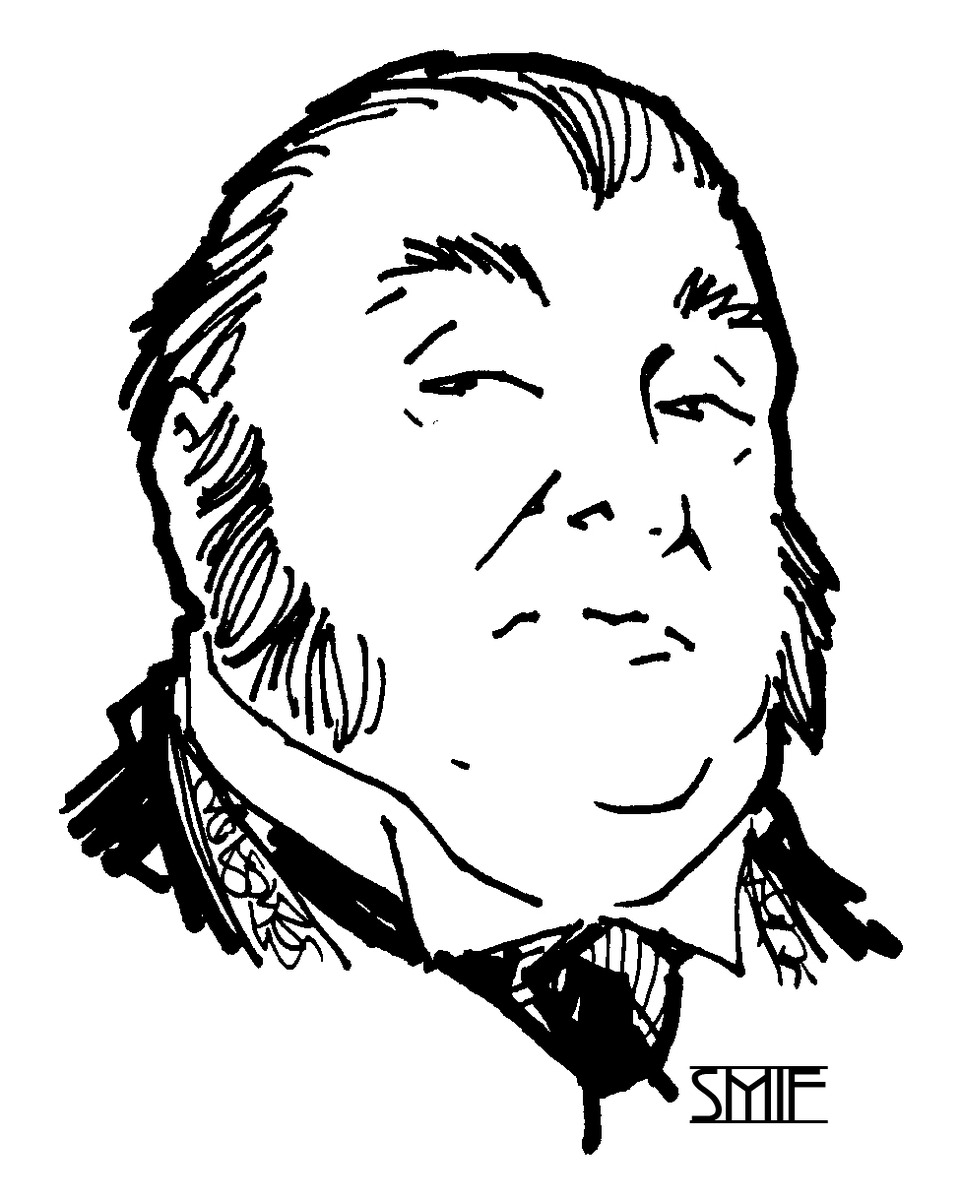
Of the four whose names the town has since turned over, the doctor stood at the map table from eight o'clock until the discovery, save for a turn to the window-seat and back; nobody marks him as absent from the room. Fifi Swain, upper housemaid, quick and watchful and entirely indifferent to Miss Pringle except when Miss Pringle took an interest in the twins, was belowstairs in the linen-room from 8:45 until the alarm, mending, with Mrs Gow at the same basket the whole while. Captain Wat Frew, who calls at the Manor when the Colonel wants brandy that has paid no duty, came up at 8:30 with a keg-list, disputed the coast road at the table, and went down to the stable yard at 9:00, where the groom and Mrs Gow both keep him over the harness until 10:30; he collects what people know and dislikes being refused, and Nan knew a great deal and traded none of it. Aziz, companion to Xerxes and come with him from Hartfield House for the inspection, stood at the table's head in his fez, holding down the corner of the Kabul sheet, saying little and watching the arrangements with a still face; the Colonel, Cousin R and Xerxes all place him there without interruption.
The map-room afterwards was left much as it had been, the lamps still up and wanting trimming: four campaign sheets pinned beneath their glass weights, a boundary line half-traced and abandoned, the cup carried down and washed, and the certificate lying signed on the table's corner, in a hand that had not been steady all evening.