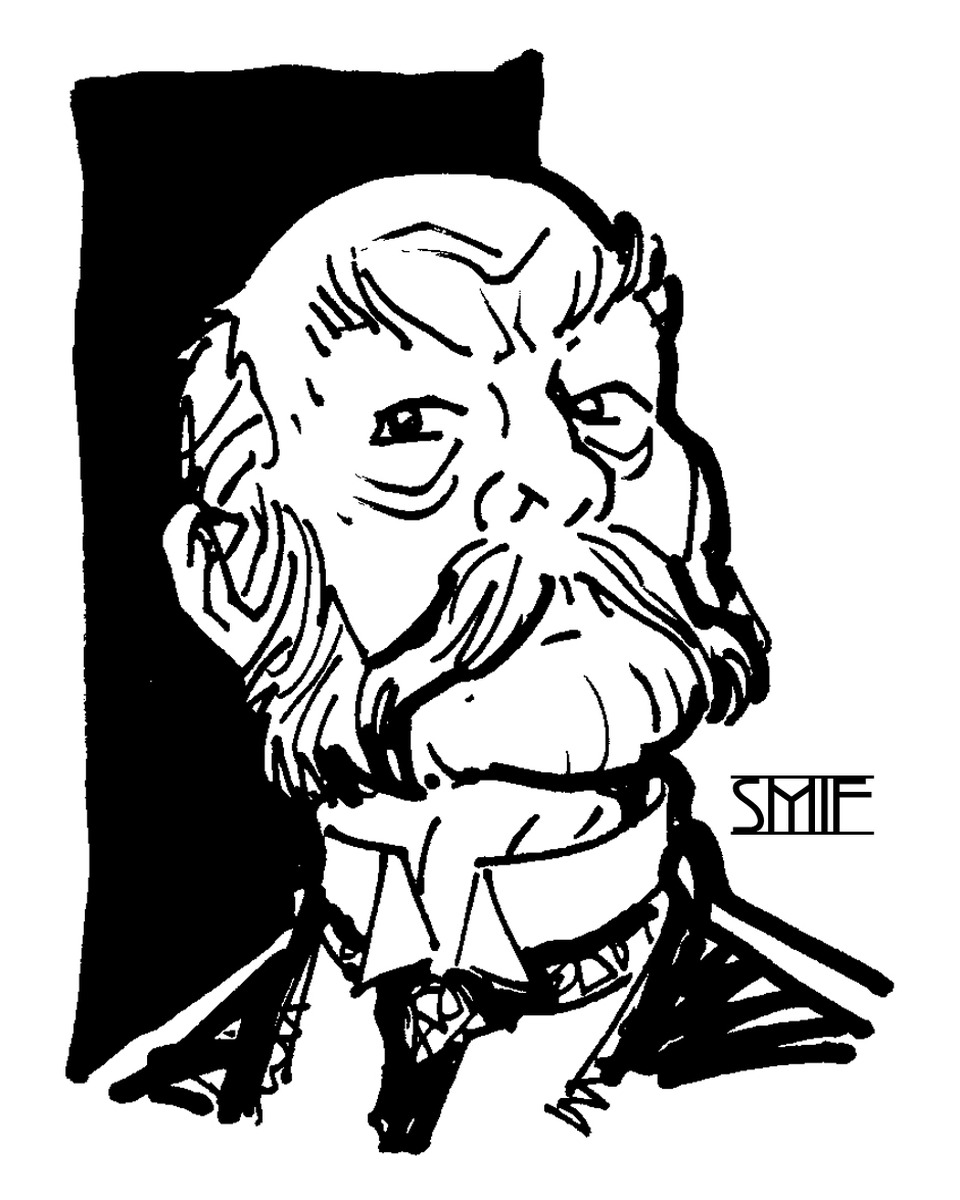
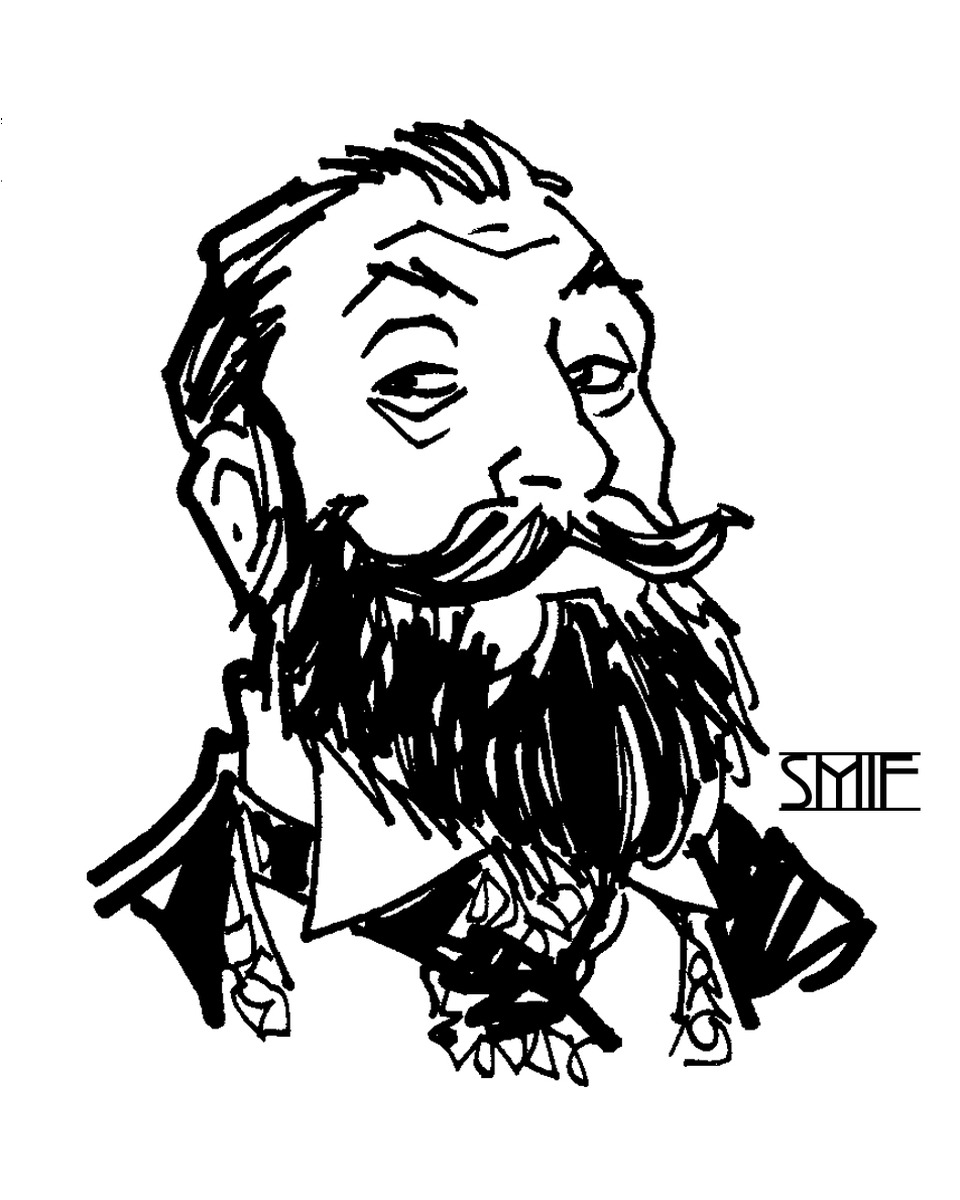
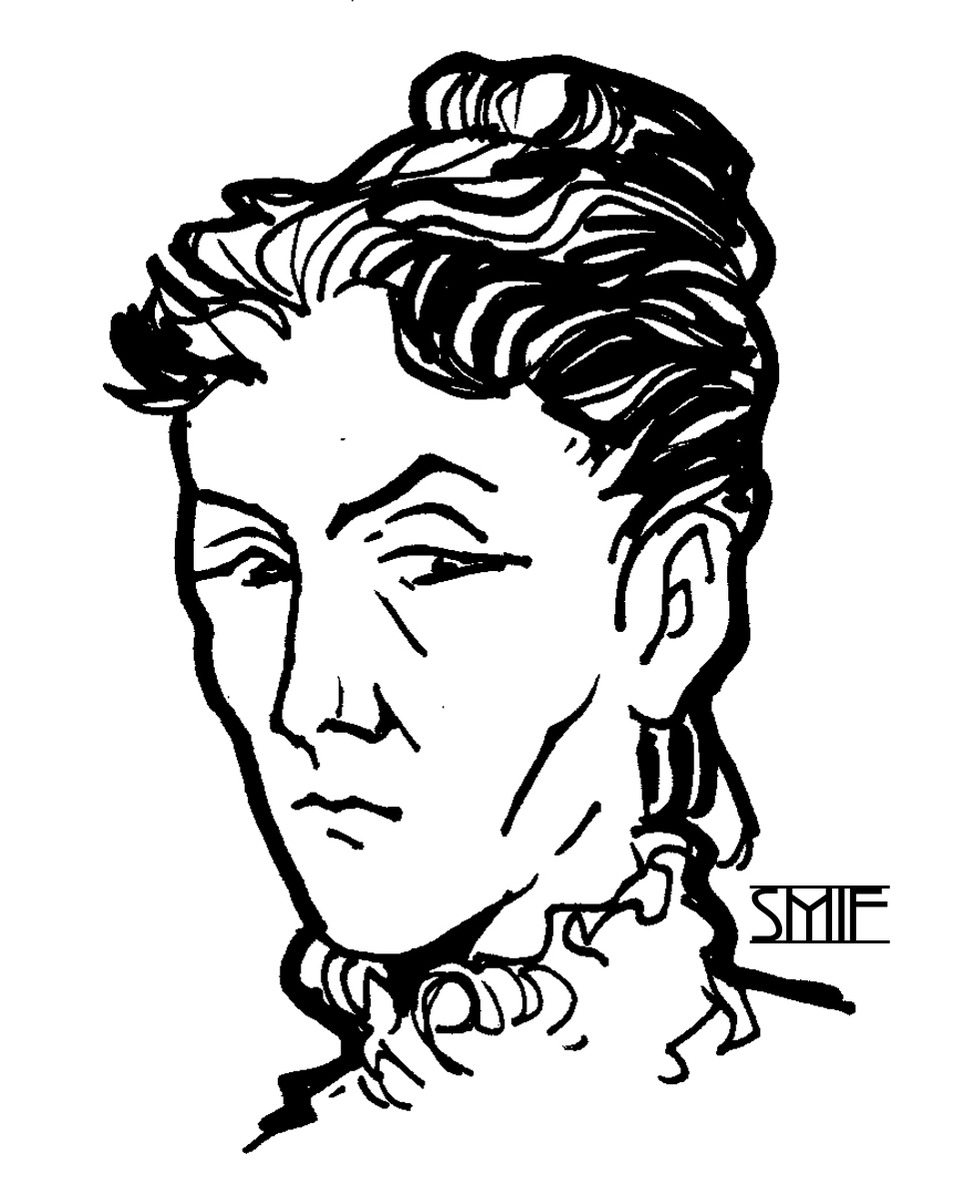
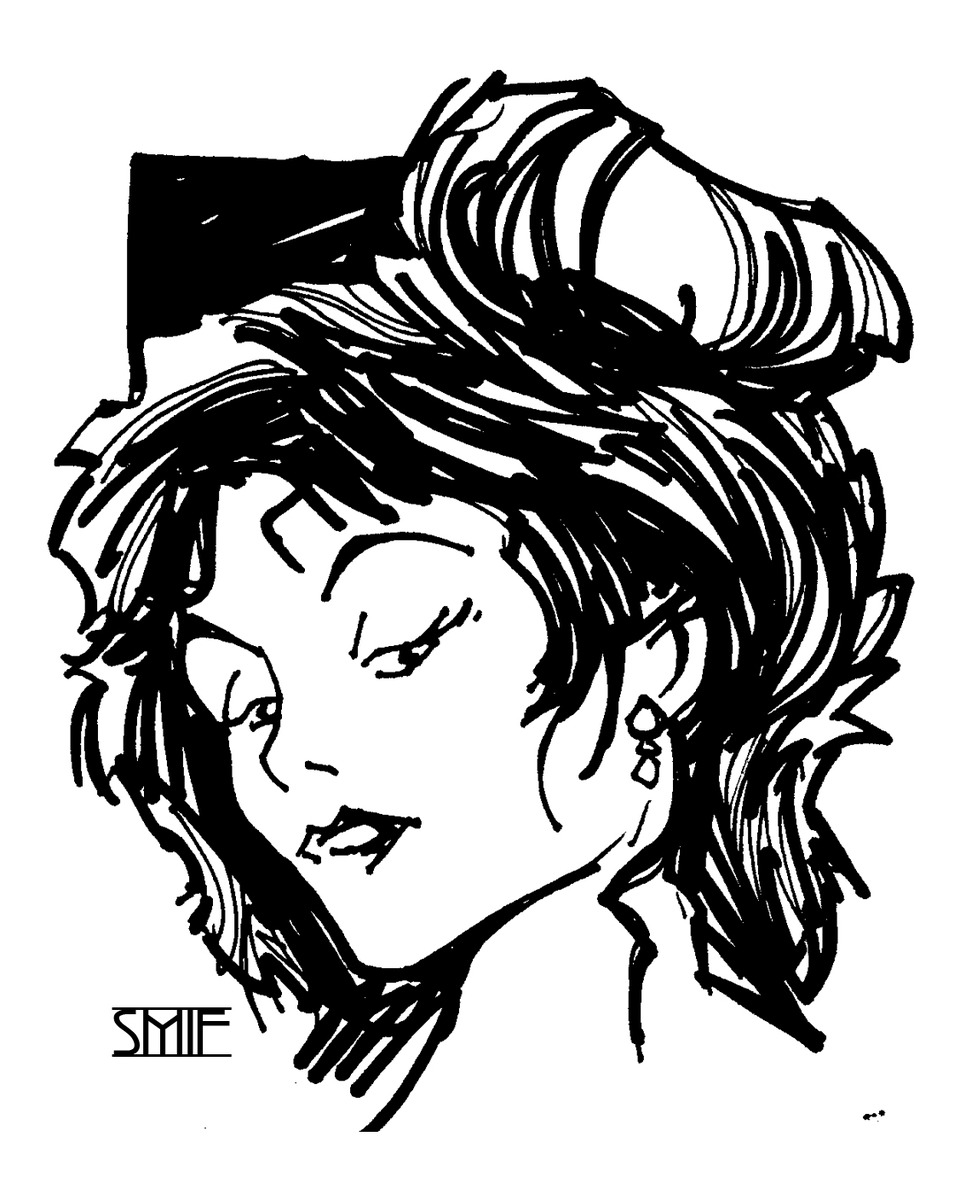
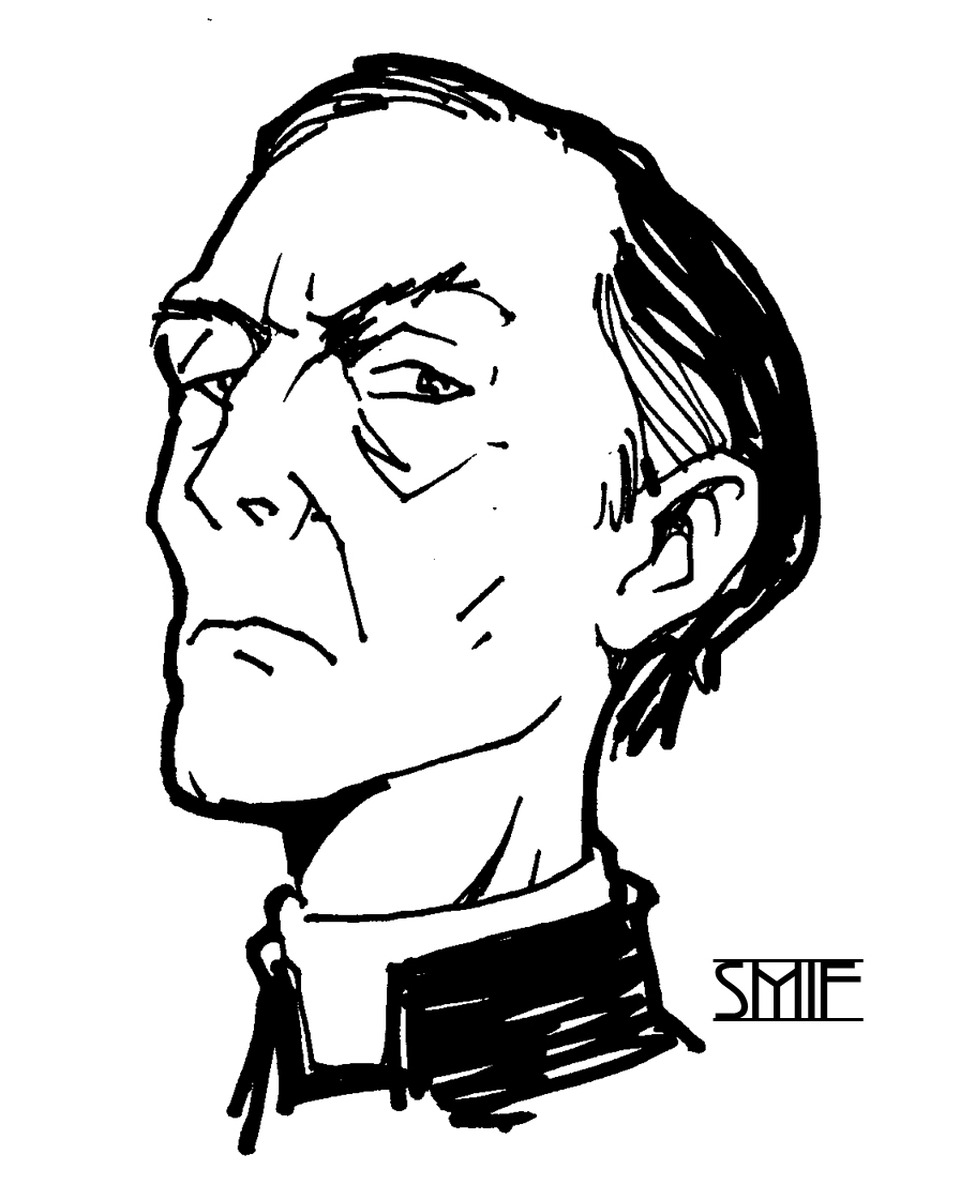
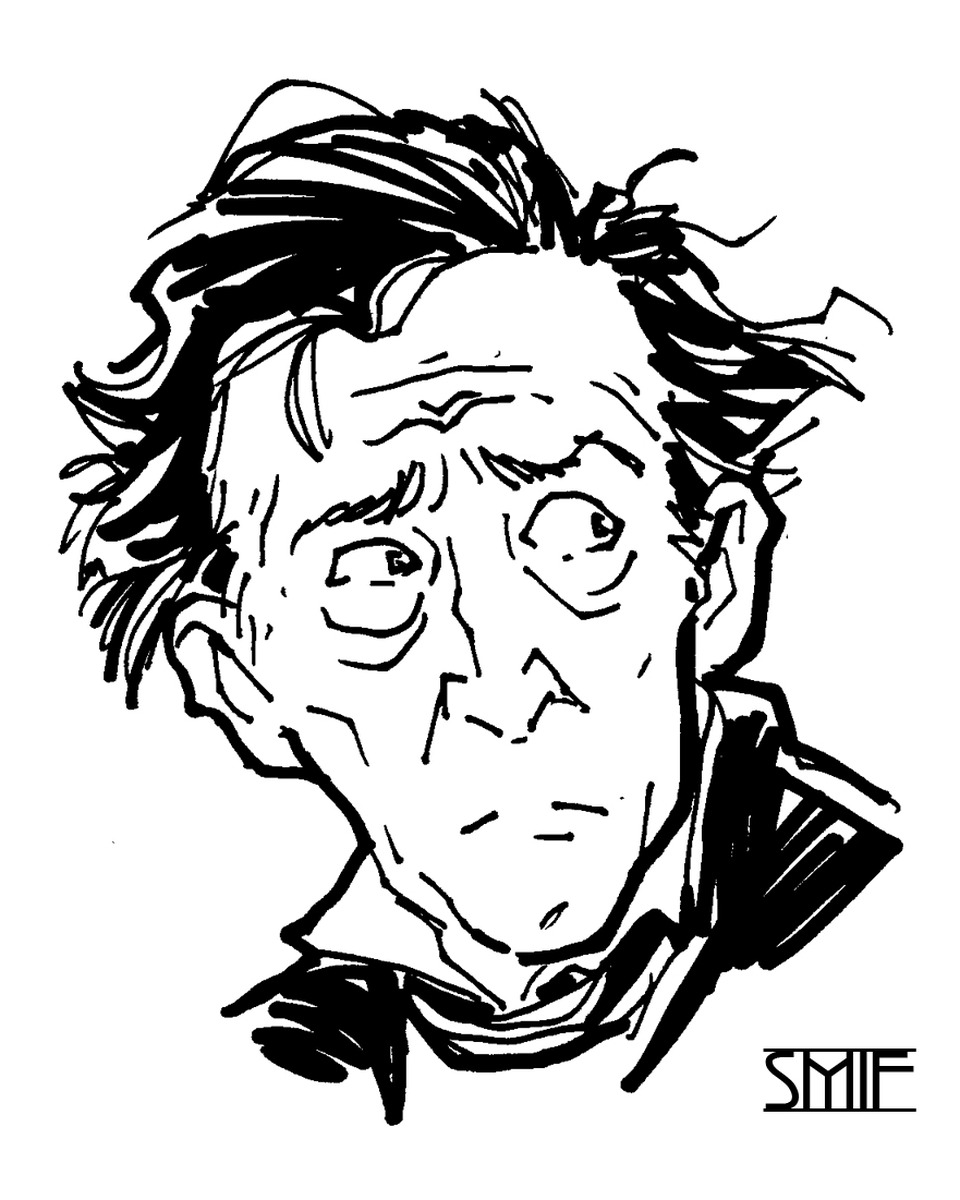
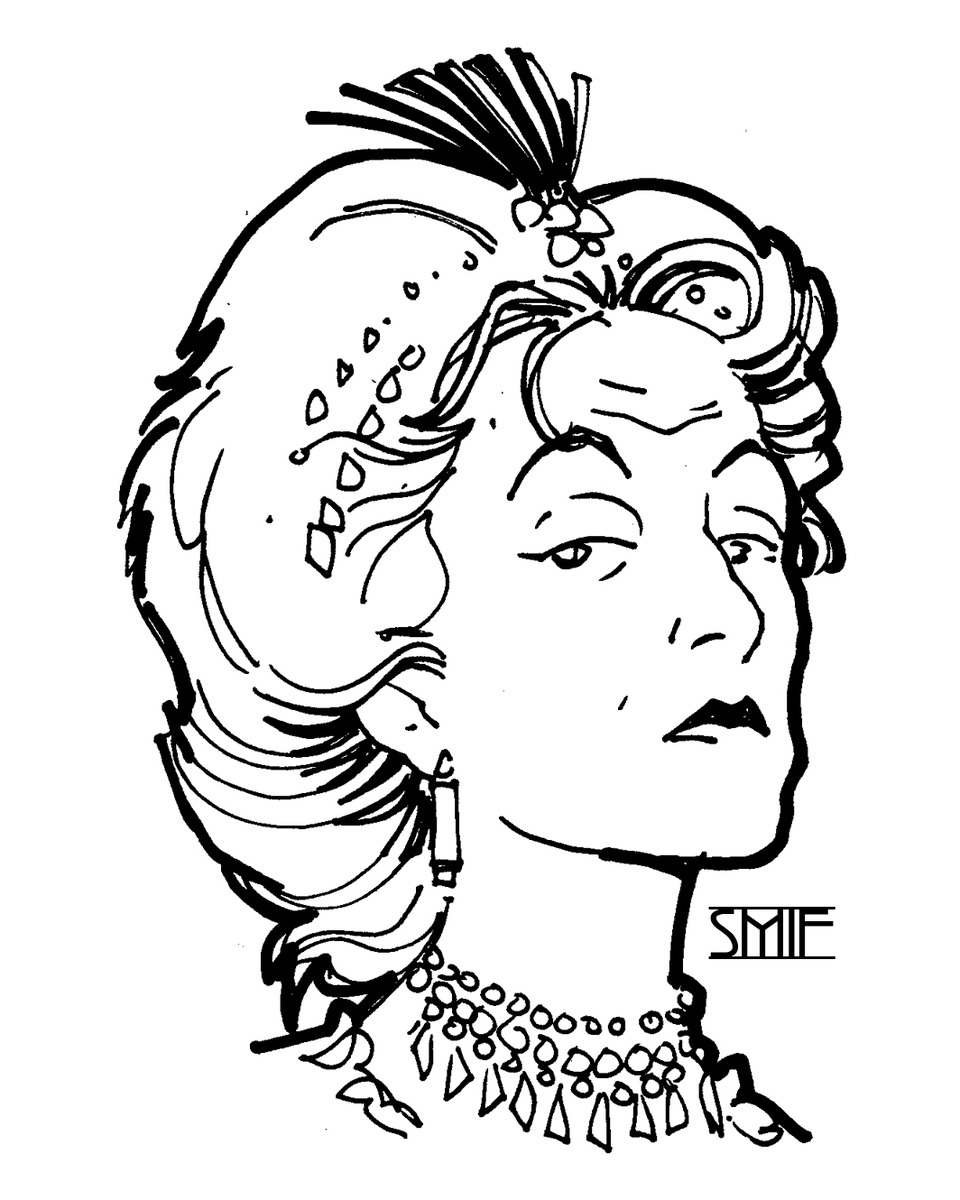
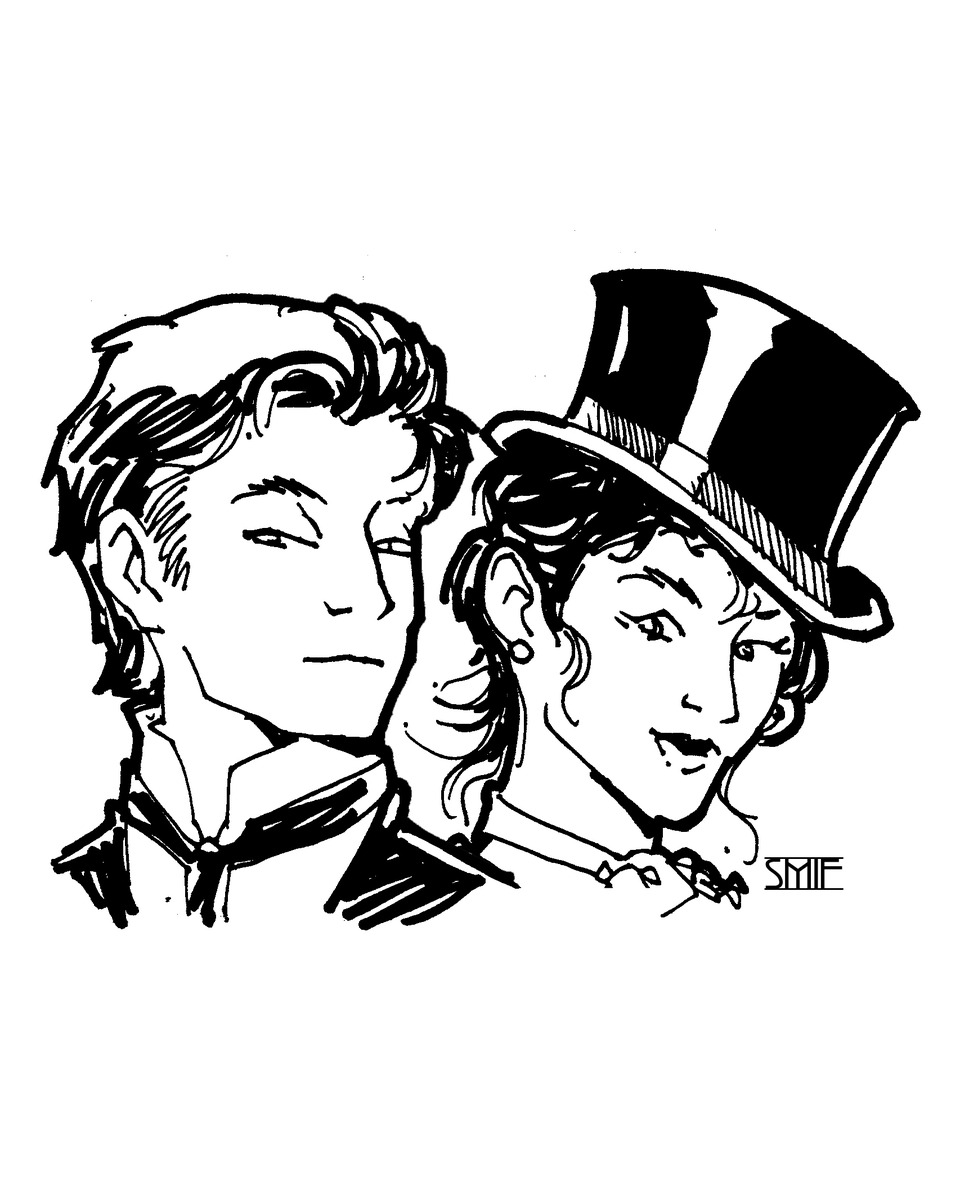
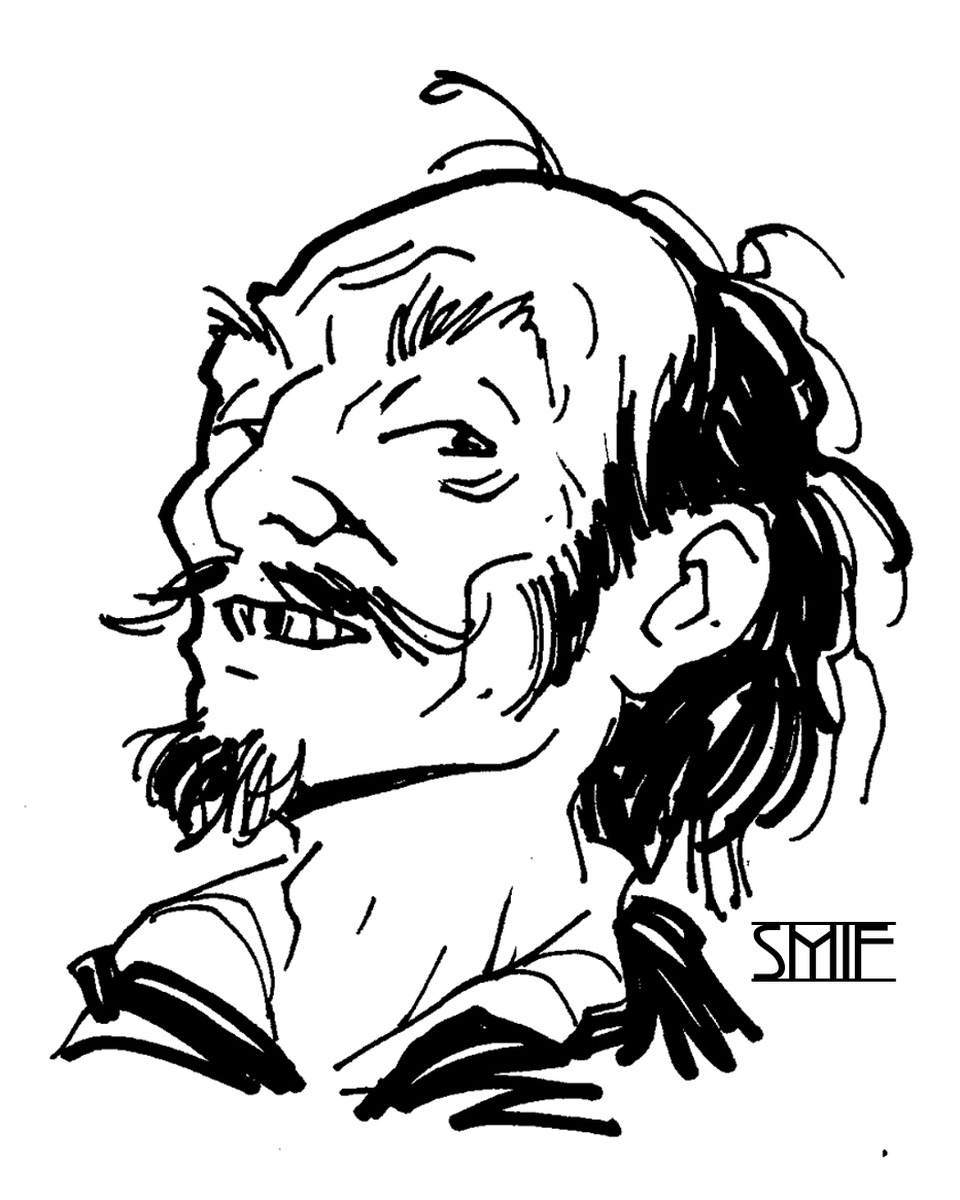
It rained upon Cairnholm all that Sunday in the winter of 1884, in the steady, uninterested way of the season, and the household of Cruikshank Manor came back from morning service damp about the hems and improved in the soul. By evening the improvement had worn off and the dining room was at its fullest: the Colonel at the head of it with his decanter, Dr Quill beside him taking the port that is kept expressly for Dr Quill, Zane going round with the coffee, and Lady Lavinia Loveless declining to be looked at. A fire had been lit in the long gallery beyond, as was proper on a wet night, though nobody had yet gone to sit by it.
Cousin R sat where he always sat, which is to say wherever he is least in the way, and spent the whole of dinner watching one end of the table. He turned twice in his chair to keep the smoking-room door in view when Xerxes left it ajar. This was remarked by several persons and by none aloud. Cousin R has kept a notebook for forty years; he writes initials, never names, and the household has long since stopped minding.
Dinner rose at 8:30.
At 9:20 Mrs Gow, the Colonel's housekeeper, went into the long gallery to ring the fire down, and found Cousin R in the window-chair. He was seated upright, quite neat, his hands folded in his lap and his cuffs unmarked. A length of the blind-cord had been drawn once about his throat and knotted behind. He had been strangled.
The chair had been turned. This was the singular thing, and everybody noticed it in the same instant and in the same order. The window-chair faces the window, as its name and its purpose require; it faced instead the gallery door, so that the body sat squarely between that door and the small smoking-room beyond, where Xerxes Hartfield had been taking his cigar alone since dinner rose. The gallery is the only way into or out of that smoking-room. Anyone meaning to reach Xerxes that evening had to cross the gallery, and the window-chair stands in the middle of that crossing.
Beyond the turning of the chair, nothing had been done. There were no flowers, no posture arranged, no card of any kind propped anywhere about. The knot behind the neck was an ordinary reef knot, badly tied, and pulled twice. The cord belonged to the gallery window and had been cut rather than torn; a pair of the Colonel's nail-scissors lay upon the sill. Such scissors are kept in three rooms of the Manor, and anyone who has dined there knows it.
On the boards beneath the chair lay a small notebook in a limp black cover, fallen open at a page of Cousin R's neat pencil. The last entry read: "A. — the fez is a hat. The rest is in the way he stands at a doorway."
Dr Quill, who as coroner examined him, observed that Cousin R had been a slight man and an unresisting one, that no great strength had been wanted, and that the thing had been done clumsily and twice over.
Here it must be said what Cousin R was, since strangers to Cairnholm invariably ask. He keeps no trade, no living and no demands. He collects. The household finds the habit restful, for he has never once been known to ask for money, nor to threaten anybody with what he holds. The Colonel has never asked him why he is in the house, on the grounds that to ask would be rude.
Aziz has lived under Xerxes Hartfield's roof for eleven years. Two people in Cairnholm are known to have learned what that arrangement means, and both have kept it. Cousin R is the sort who learns things without being told, and who has never in his life asked for anything in exchange for one. On the Friday before, at Hartfield House, he had stood a long while in the doorway of the room where Aziz was reading aloud to Xerxes, and had said nothing at all, and had then taken out his notebook and written. Aziz saw him do it. On the Saturday, in the corridor, Aziz asked Nan in an even voice what it was that Cousin R wanted of people, and Nan told him truthfully that nobody had ever found out.
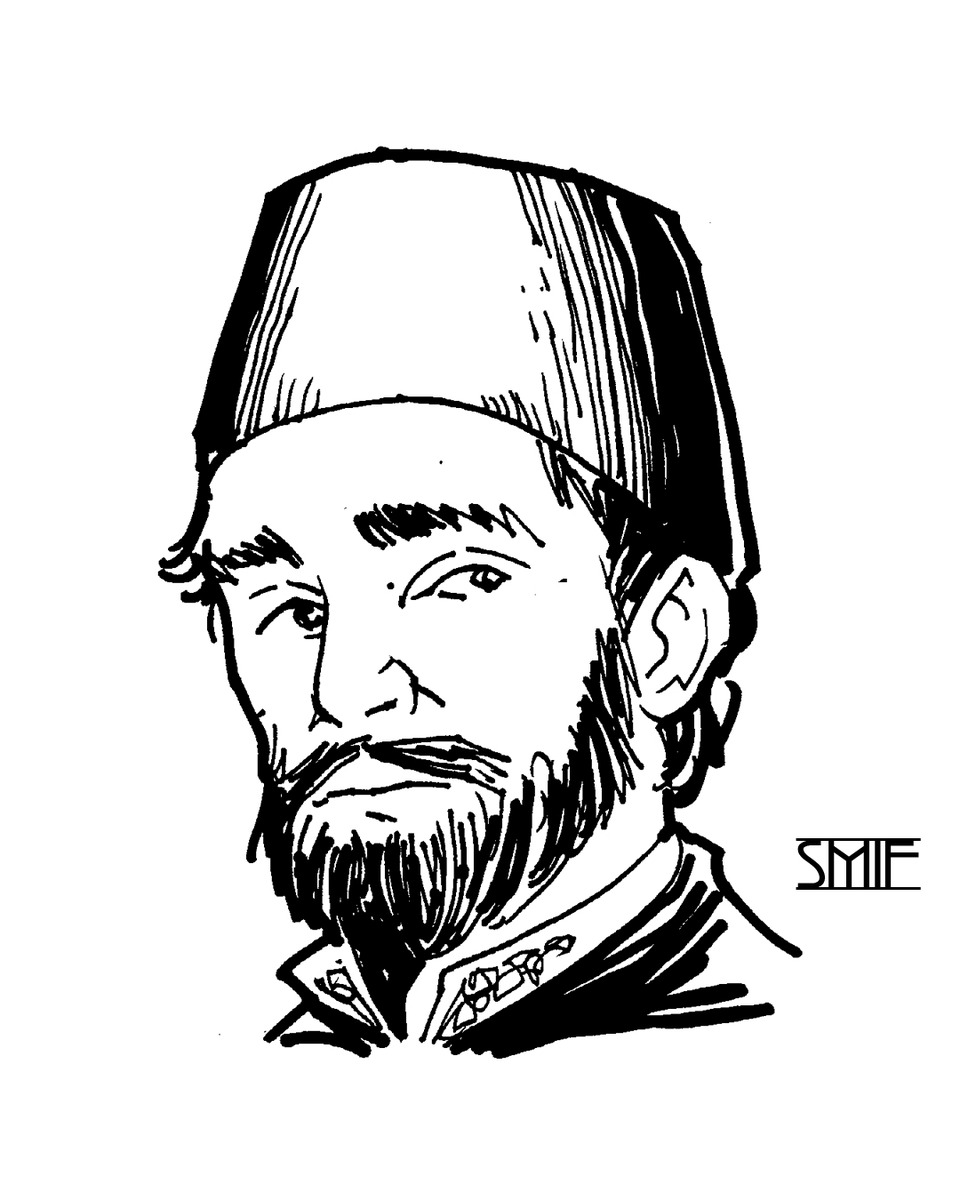
Aziz had come with Xerxes from Hartfield House for the Sunday dinner. He is a Moroccan of exact manners, quiet at table, who sits where he can see the door; he wore his fez and his evening gloves and took no port. He rose with the rest at 8:30 and says he went out to the carriage-yard for air, returning through the gallery at about nine. Mrs Gow saw him pass the servants' passage at 9:12, coming from the gallery, without his gloves. The gloves were afterwards found in the gallery umbrella-stand, damp at the palms. He had worn them at dinner and had not worn them since.
The rest of the house arranges itself tidily enough. The Colonel was in the dining room from 8:30 until 9:20, holding forth over the decanter to Dr Quill, with Mrs Gow in and out for the plates; each vouches for the other without a gap. Quill did not leave him, which is a mercy for Quill, who had been unsettled all week by Cousin R's habit of watching him eat. Zane carried the port and the coffee and stood in the Colonel's sight and the doctor's without a break until the alarm. Fifi was belowstairs from 8:30, washing glass with Mrs Gow's second girl, and is placed there continuously to 9:20. Nan was in the still-room from 8:35 with Mrs Gow, counting linen for Monday, and was left there by Mrs Gow at 9:15. Lavinia and Effie were at cards in the small drawing-room from 8:35 to 9:20; each places the other, and Zane brought them coffee at 9:00. Xerxes was alone in the smoking-room from 8:30, and was still in it when the body was found, that room having one door only, which gives on the gallery.
Captain Wat Frew had called about a cask and been given his dinner at the end of the table. He had spent the preceding fortnight trying to find some article Cousin R wanted, had failed to find one, and had said so loudly before he left. The gate-man logged him out at 8:40 and the Cormorant's watchman logged him aboard at 9:05, the walk being a clear half-hour. The Reverend Simeon Gaunt was not at the Manor at all: he sat up at St Mold's with a dying parishioner from evensong until past midnight, the sexton attending him throughout.
So the gallery was left as it was found: the chair turned to face the door; the man in it sitting neat and upright, hands folded, between the gallery door and the shut smoking-room where the cigar-smoke still hung; and on the boards beneath him the small black notebook, open at its last unfinished line.