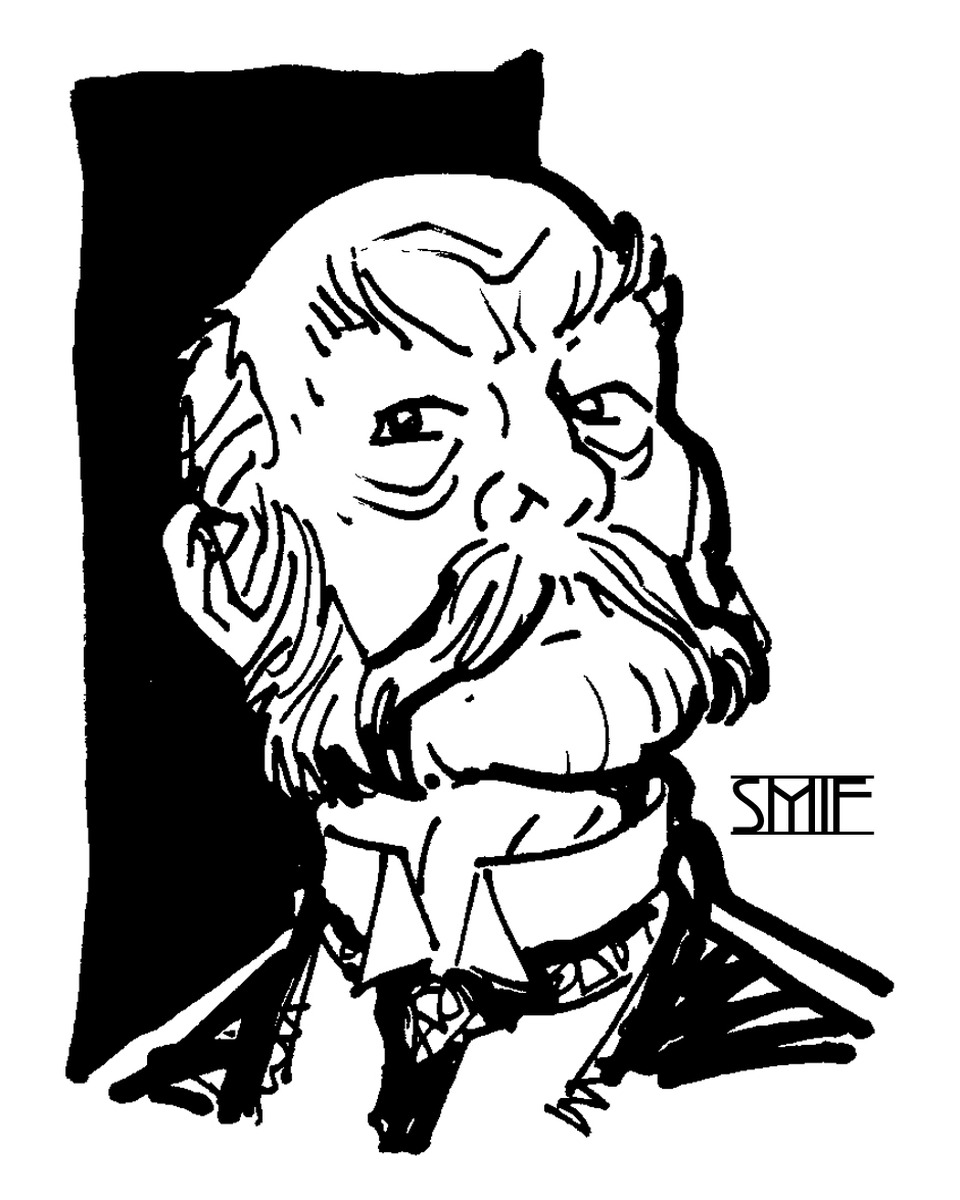
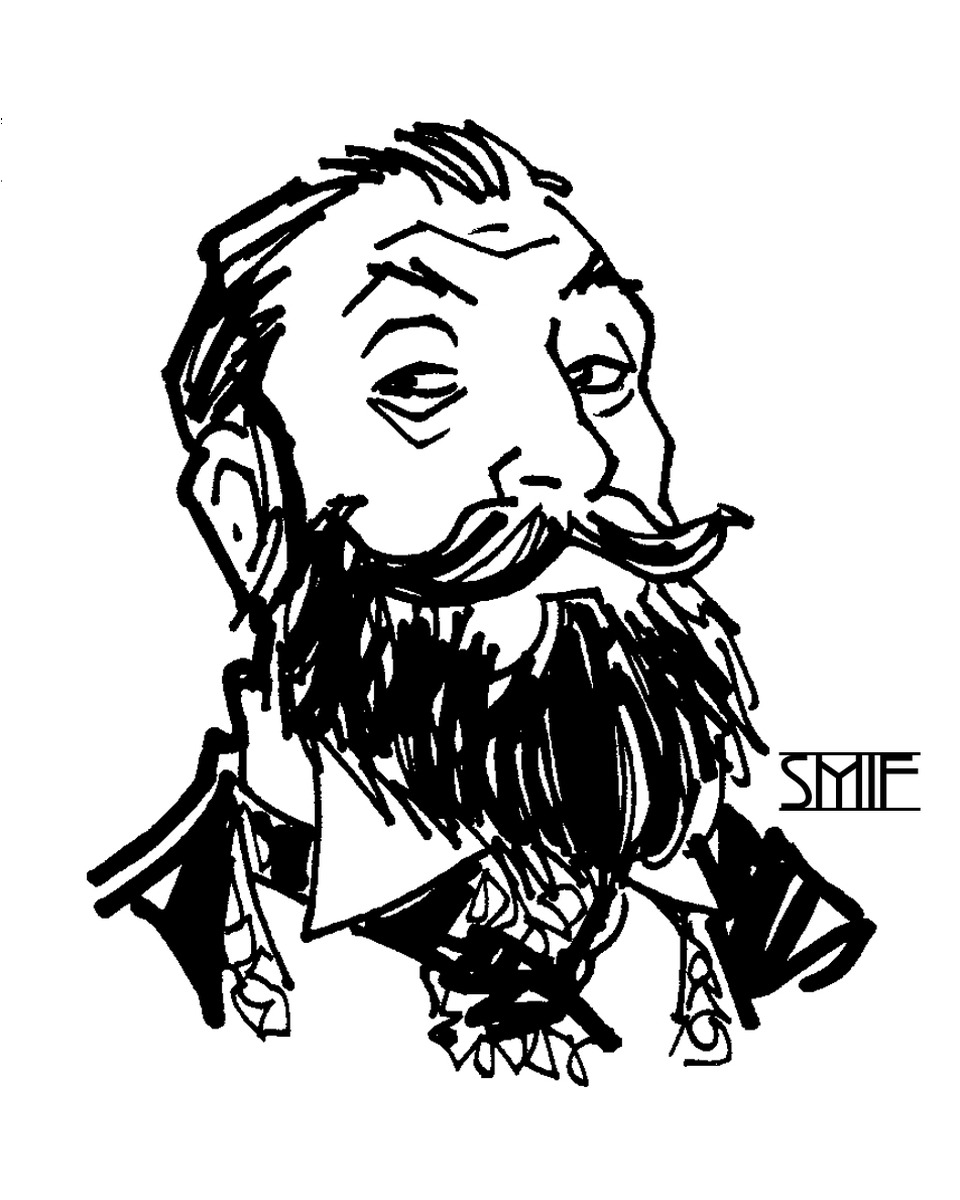
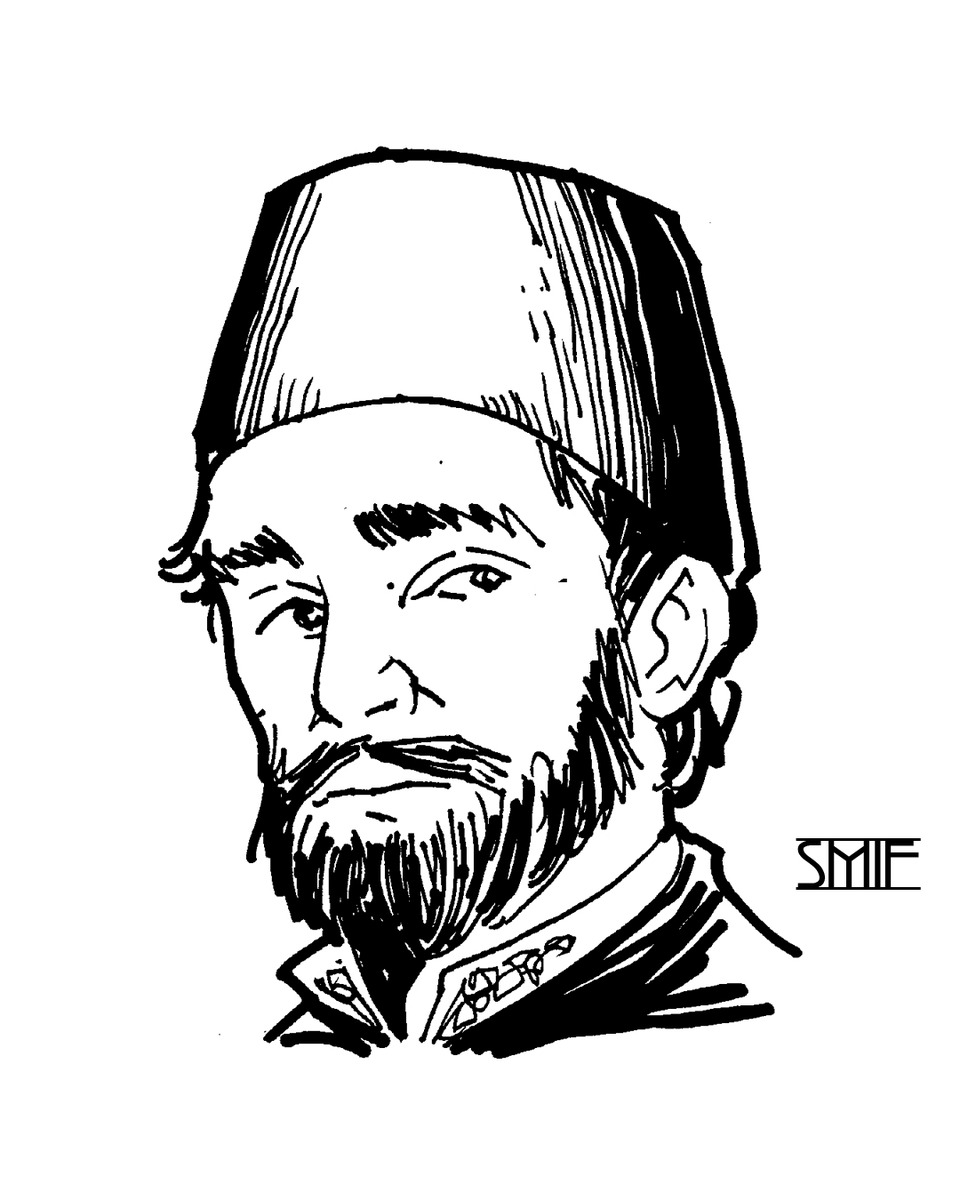
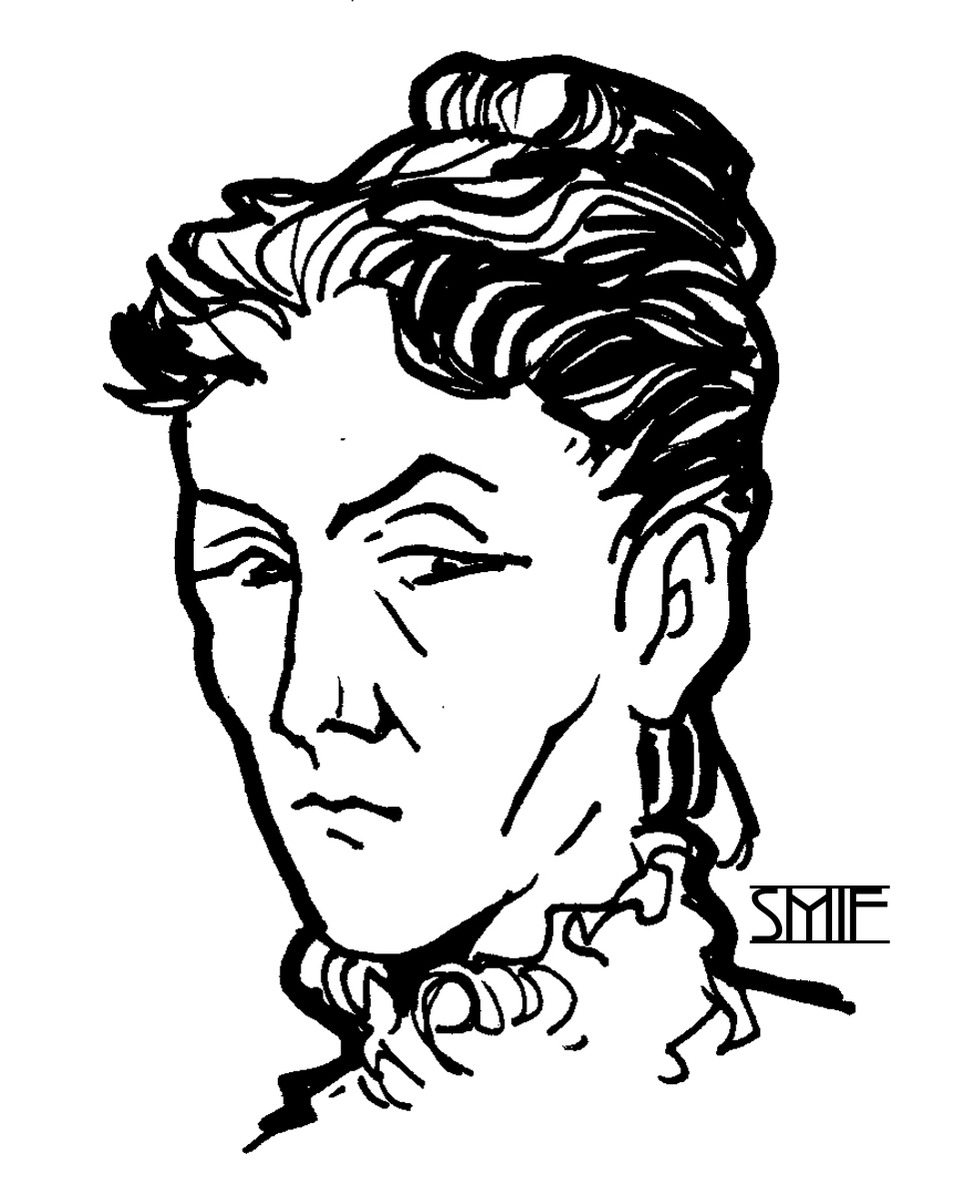

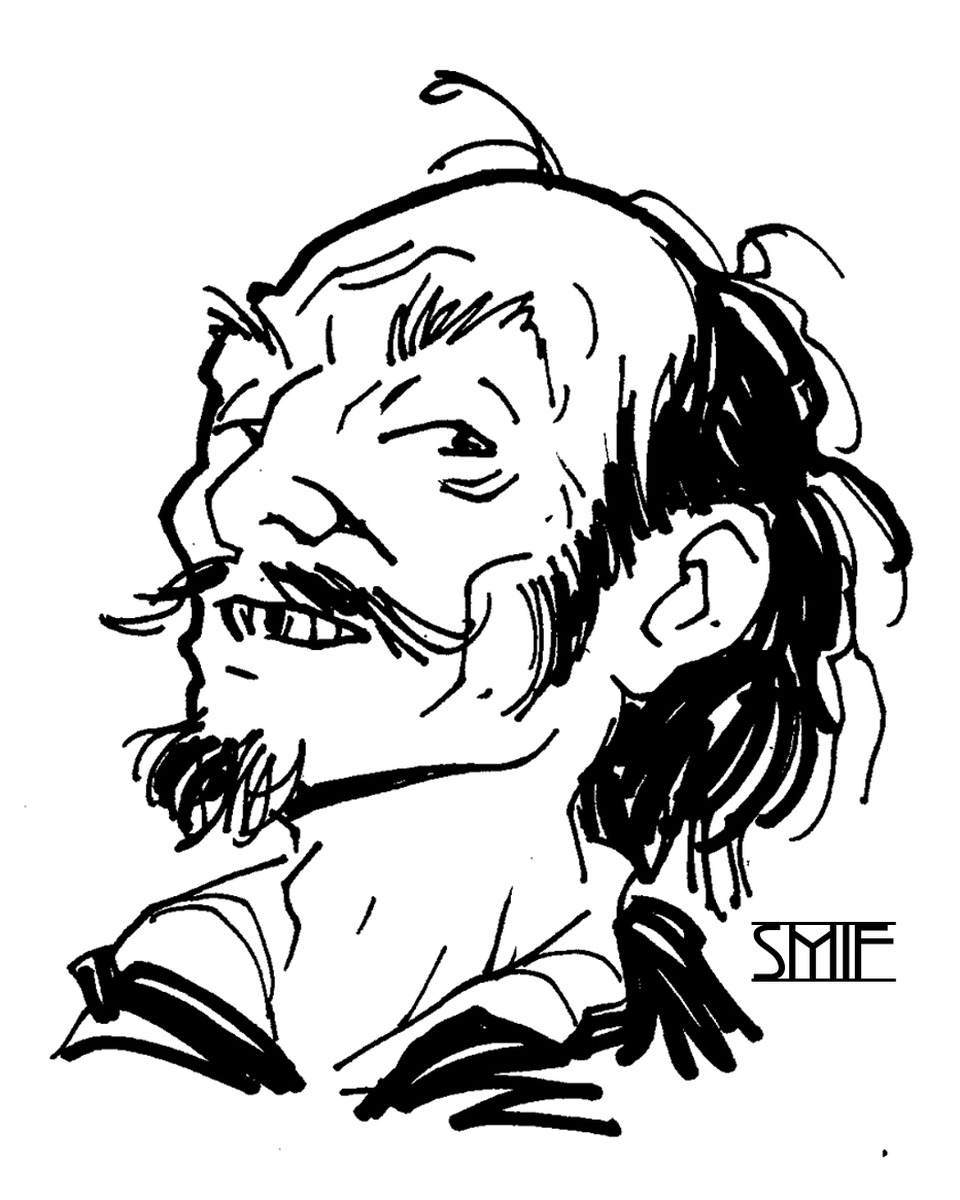
It was the anniversary of the Colonel's old regimental action, and Cruikshank Manor observed it as it observed it every year: the mess silver laid out the length of the table, curry carried in under covers, the port going round in its appointed direction, and the company drinking to absent friends in the manner of persons who have never once counted how many.
The ladies withdrew early, as is proper. The gentlemen lingered over the decanter, as is also proper. Between the two propositions, Cousin R was struck down.
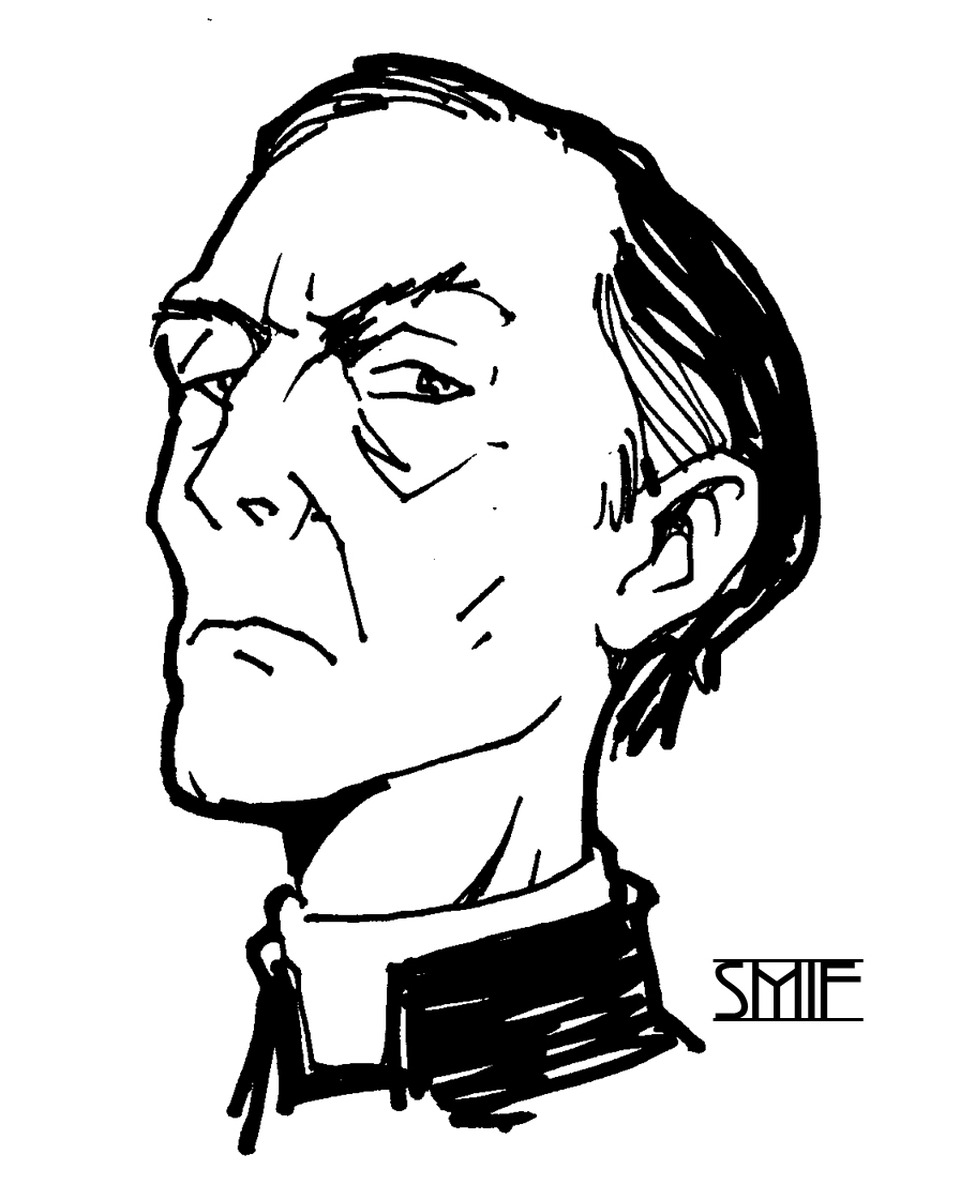
He was found in the service passage outside the smoking-room, fallen beside the hall table, and he had been an unplaceable guest to the last. Nobody at Cruikshank Manor could say precisely how Cousin R was related to the Colonel, or indeed to anyone; he orbited the house as a moon orbits, without introduction and without departure. The brass shell-case trophy that had stood upon the hall table lay near him on the boards. The back of his head had taken a single heavy blow from it, and that was the whole of the matter.
He lay not sprawled but oddly neat, in the composed attitude he had always arranged for himself when sitting in corners — though this time, plainly, it was the fall and not his own hand that had set him down.
The passage was unlit. The lamp upon the hall table had been turned down to a bead, a small red seed of light that illuminated nothing but itself, and in such a gloom one figure is very much like another: a shape, a height, the pale smudge of a collar. The passage lamp is turned down each night at a fixed hour by the staff, so that at the hour of the death it would ordinarily have been low; anyone at work in that part of the house would have known it as well as they knew the stairs.
Some feet from the body, on the floor of the passage, lay a man's hat — a footman's, of the plain household pattern that Zane wears off duty.
In Cousin R's breast pocket was a slim memorandum-book. Its last page bore a fresh entry: a single surname, 'Swann,' and beneath it two small diagrams of a face, side by side, nearly identical, with a note upon the set of the ears.
The shell-case had been handled with a cloth. The Colonel's monthly polishing-rag lay crumpled beneath the table, where it had been dropped by somebody with no further use for it.
Mrs Gow, the Colonel's housekeeper, gave her account with the flat competence of a woman whose evening has been interrupted. After the ladies withdrew she had sent Fifi up with the withdrawing-room tray; and Fifi had not returned belowstairs by the back way, as expected.
It should be said of Cousin R that he collected other people's secrets, patiently and coldly, by the simple expedient of paying attention when nobody wished him to; and that he never sold a single one. The household found him unreadable and faintly unnerving, and more than one guest at that table would have been glad to be out of his line of sight. That very afternoon he had been seen in the servants' hall, seated where he was not needed, watching Fifi and Zane at their work — and twice looking from one to the other and back again, with the mild unhurried air of a man comparing two copies of the same engraving.
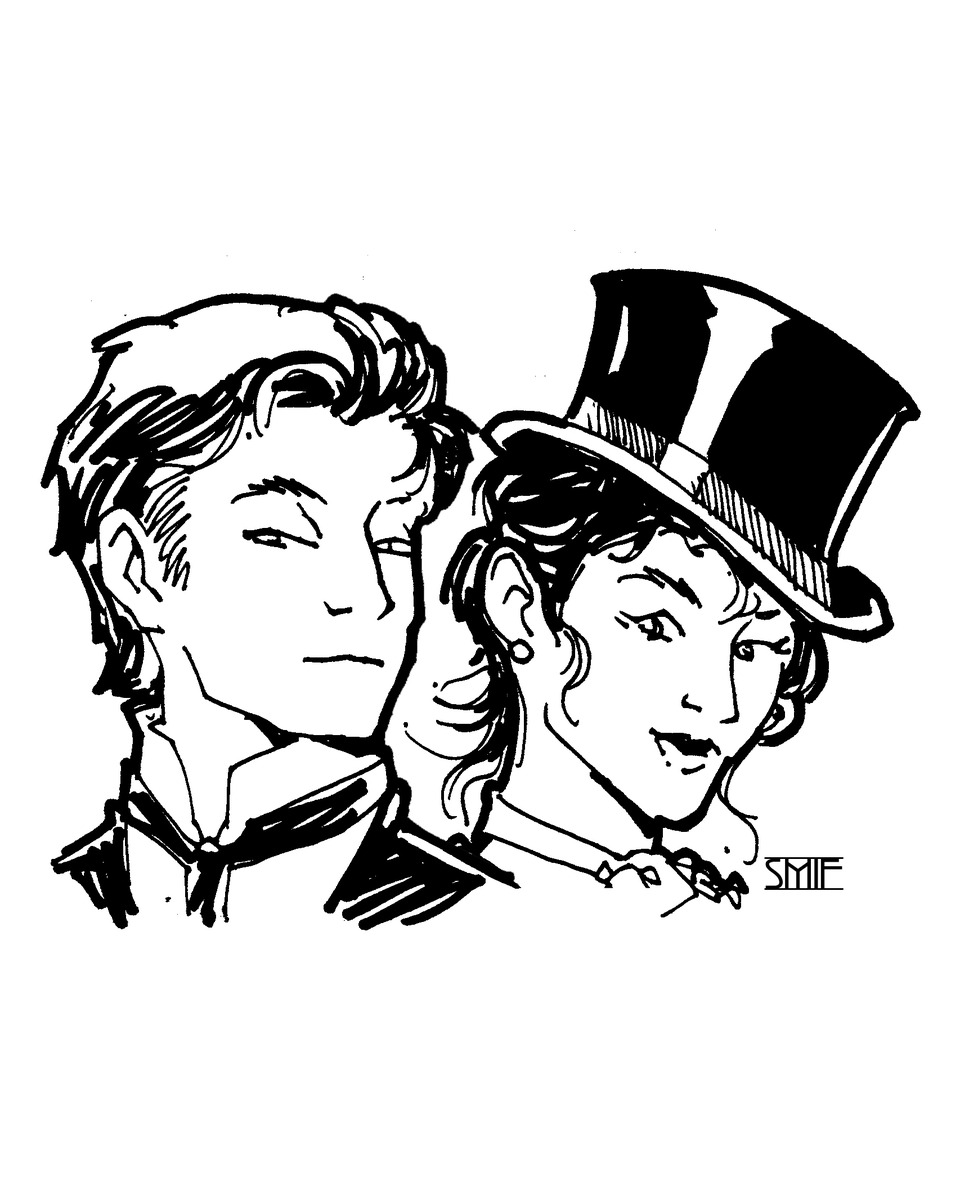
Belowstairs it is known that Fifi and Zane are twins, that they came to service together from somewhere on the coast, that their origins before the Manor are not discussed, and that the name they were born to is not the name they go by.
The gentlemen were disposed of readily enough. Zane had spent the dinner at his post in the dining-room, serving the gentlemen and the port, in full view of the company throughout the toasts; the Colonel places him there, and so does Quill. The Colonel, Xerxes, Aziz, Wat and Dr Quill remained together at the table over the decanter from the ladies' withdrawal until the alarm — the Colonel keeping port for Quill's visit, Xerxes and Aziz having come on business and conducting it, as business is conducted on such evenings, slowly. Gaunt was not at the Manor at all; he passed the evening at his parish lodging, at prayer, vouched for by his curate.
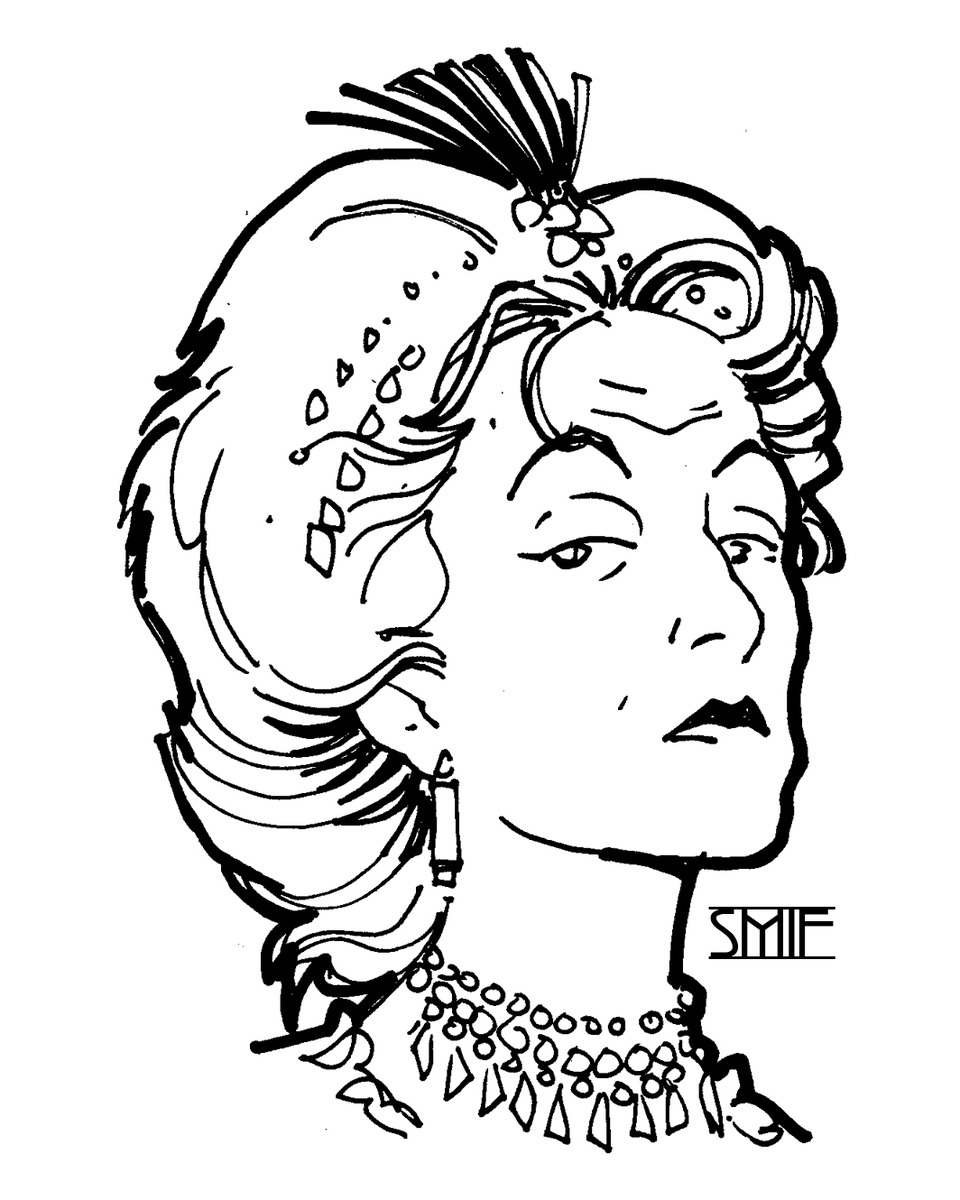
The ladies were in the morning-room, and mostly stayed there. Nan Pringle, the Colonel's poor relation, who lives at the Manor and makes herself small, and who hears a very great deal because nobody troubles to look at her, had rung for tea in the morning-room and been answered by the parlourmaid shortly before the discovery; Mrs Gow confirms the ring. Lady Lavinia Loveless, retained by the Colonel to sit for his late wife and accustomed to governing precisely what others are permitted to see, was observed by two of the company arranging her cards without interruption from the withdrawal until the alarm. Effie Strange, the Colonel's heir-presumptive, who regards a scandal as a species of amusement and was to be richly obliged within the hour, was likewise vouched for as present in the morning-room throughout, by Lavinia and another.
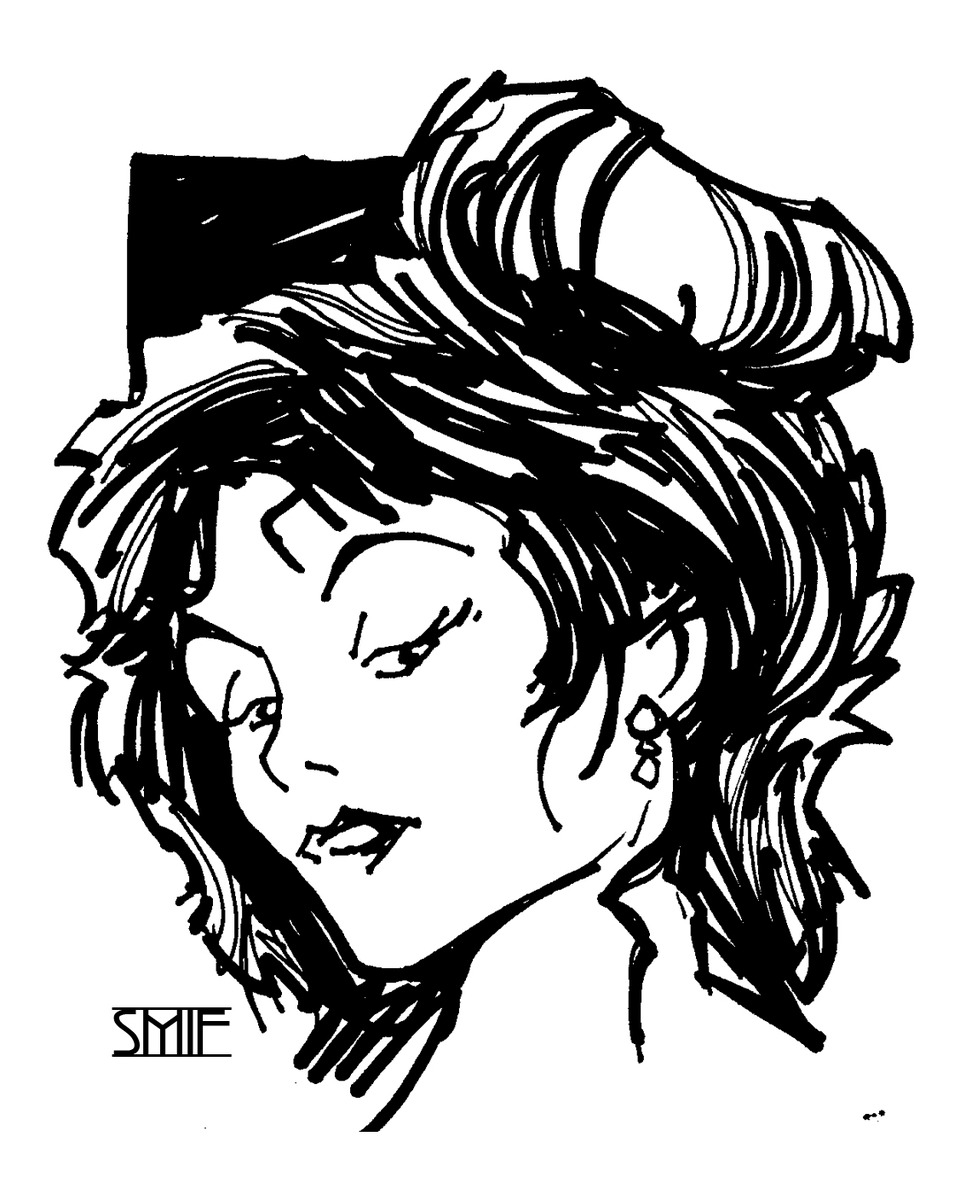
Which left Fifi: a quiet, watchful housemaid who contrives to be wherever a conversation is and never quite to be noticed there. She carried the withdrawing-room tray up after the ladies withdrew. Of her movements between that moment and the discovery, the house can say nothing whatever.
The brass shell-case, polished to a toast-shine, lay on the dark boards beside a fallen hat and a memorandum-book open to a single written name; and above, in the lit morning-room, the ladies' tea went cold.