

It had rained all Sunday upon Cairnholm, and the household of Hartfield House came back from the evening service at St Mungo's with wet hems and excellent appetites. The lamps were lit early against the weather. Dinner was laid in the long dining room at eight, twelve at table, and the rain kept up its steady drumming on the glass of the conservatory passage, so that one had to raise one's voice to be disagreeable.
Captain Wat Frew raised his.
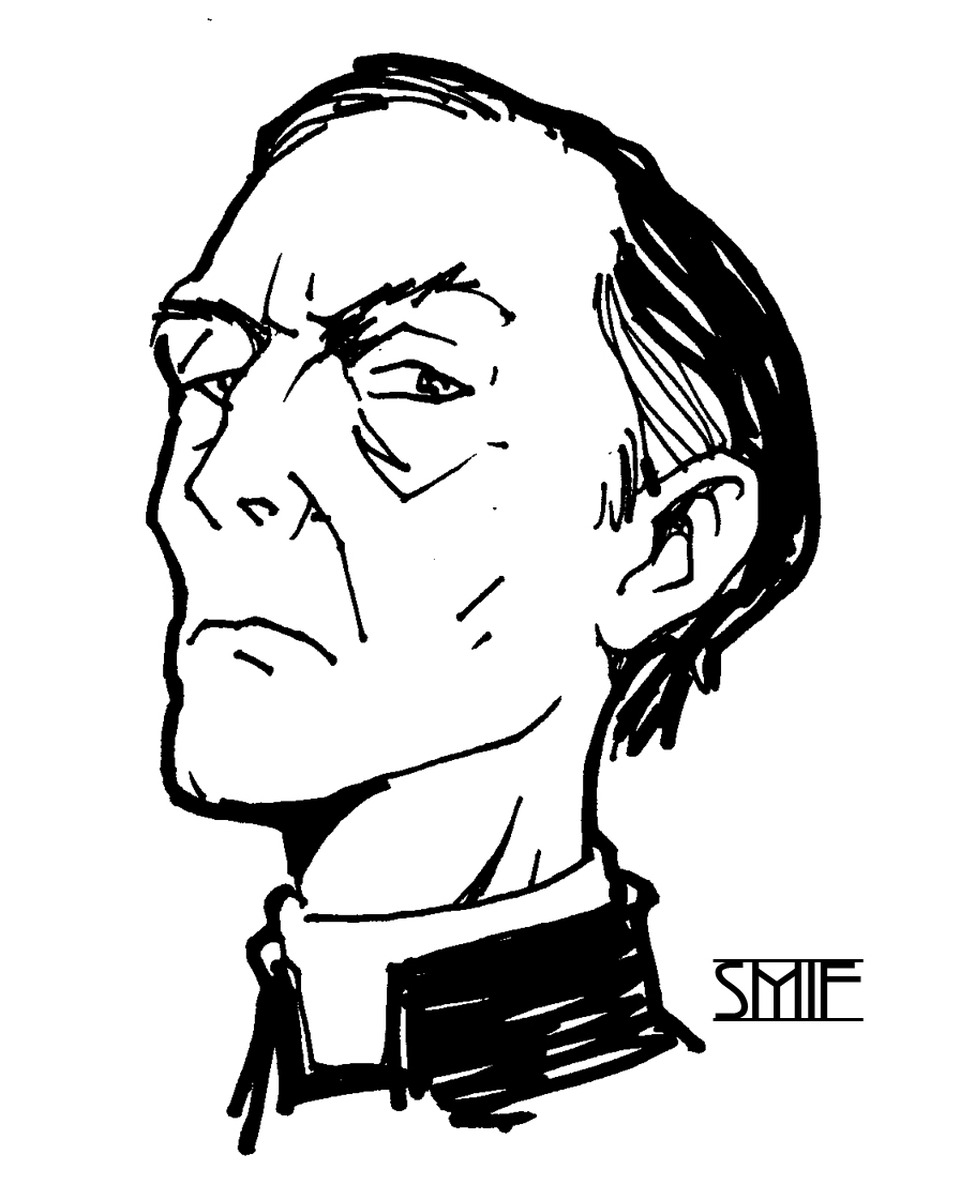
He drank nothing, which was unlike him, and ate little, which was unlike anybody; and twice, in a tone pitched for the whole cloth, he observed that a man who keeps a secret household ought to pay the housekeeping on it. He said it both times looking steadily at the head of the table. Nobody answered him. The fish was coming.
Wat Frew made his living two ways. He ran cargo for Xerxes Hartfield, and he sold silence to half of Cairnholm. Four people at that table owed him money, and to three of them he had made a joke of it. On the Thursday before, in the stable yard, he had been heard telling a drayman that he had a thing worth more than the whole spring's cargo, that he meant to set it before the master on Sunday, and that if the master would not pay, the newspapers would. Before the fish, Colonel Cecil Cruikshank had given it as his view that the proper remedy for a blackmailer was the magistrate and a horsewhip, in that order, and had given it in front of Wat Frew, who laughed.
At 8:30 Wat rose. He wanted a word in private with his employer, he said, and would wait by the gun-room. Xerxes did not go. The company heard nothing after that; the rain saw to it.
At 8:40 he was found in the gun-room passage, lying against the wainscot with his coat still buttoned. He had been stabbed once, from the front, with a short blade, and death had been quick. The blade was not in the passage. It was not anywhere in the house that the search afterwards reached.
The passage itself deserves a word, for it is an inconvenient sort of place to be killed in. It runs some fourteen feet and ends; it has no other door, no window, and no charity. It is entered from the dining room by the service door and by nothing else. Whoever goes in or comes out passes within sight of the dining table — excepting only the minute or two when the table's attention was turned to the serving of the fish. Cousin R sat directly opposite that door, facing it, and said he saw nobody pass through it after Wat. He said it without the smallest interest.
In Wat's inner pocket were two things. The first was a folded sheet of ship's paper bearing a list of six dates across the spring, and against each a Christian name or an initial. Two entries have been smudged past reading. The four that survive read: Feb 9, A; Mar 2, Aziz; Mar 30, A; Apr 21, the Moor's room. The second was a letter, unsent, addressed to the editor of the Cairnholm Intelligencer, sealed but not stamped, dated that same Sunday. The seal was unbroken when the letter was taken from him.
The upper floor of the east wing at Hartfield House is kept locked and is swept by Aziz alone. The servants call it the Moor's room. Nobody but Aziz and Xerxes Hartfield has been through that door in years. In the hall below hangs a photograph taken at Tangier fourteen years since — Xerxes and Aziz, side by side. It is the only photograph in the house, and it is dusted daily.
Aziz had left the table at about 8:28 to fetch Xerxes's sleeping draught from the stillroom, the stillroom lying on the other side of the dining room altogether from the gun-room passage. He returned at 8:37, before the cry went up, and took his seat. Nobody saw him in the stillroom. Nobody saw him in the passage. When the company stood, his cuff showed a wet dark patch at the inner wrist, the size of a shilling; he said he had spilled the draught. The draught bottle in the stillroom stood full and corked.
The silver on the Hartfield table is counted twice daily by the butler, once at morning and once at clearing. Guests are not given fruit-knives; only the three family places are laid with them, those being Xerxes Hartfield's, Lady Lavinia Loveless's, and Aziz's. Lavinia's and Xerxes's were both on the cloth at clearing and were counted in. The fruit-knife laid at Aziz's place — a short silver blade of some four inches — was not on the cloth when the table was cleared, and has not been found since. The butler's inventory, taken that morning, had it present.
As to the rest of the company, the arithmetic of the evening is tiresomely complete.
Xerxes sat at the head of the table from 8:00 until the body was found, in the sight of eleven people. He came home rich from India and has never once explained the manner of it; he sleeps badly and takes a draught nightly; Wat ran his cargoes and knew the run of his business. He did not rise when Wat went out. Mabel, his cheetah, lay chained at his feet throughout, having been fed her Sunday mutton at 8:25 by a kitchen boy who stayed with her until the cry.
Aziz has been Xerxes's companion these fourteen years, came with him from the East, and has not slept a night away from the house since. He keeps the keys, the stillroom, and the master's medicines, and is the one person from whom Xerxes will take anything at all. He wears a fez. He has no family, no property, and no station in Cairnholm apart from that house.
The Colonel detests Wat Frew's trade and has said so at three tables this month; Wat had lately been pressing him about certain payments the Colonel makes to Lady Lavinia Loveless. He rose once only, at 8:32, to the sideboard for the decanter, in full view, and was talking to the Reverend Simeon Gaunt without a pause from 8:26 until the cry.
Gaunt, a flagellant cleric, had preached that evening on usury and the preying upon the weak, naming no names but looking at one guest. He is Lavinia's half-brother and dines at Hartfield House when he visits her. He did not leave his chair.
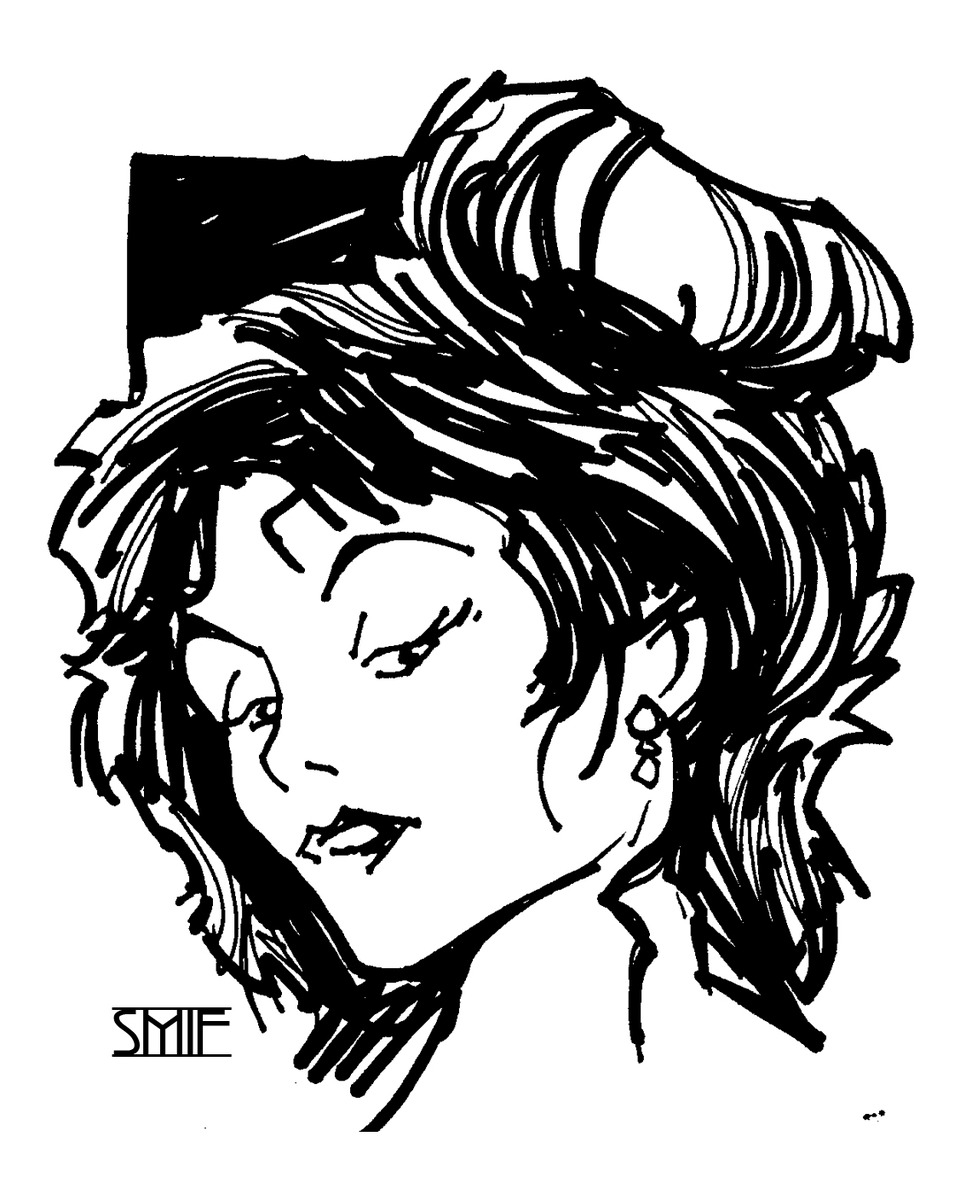
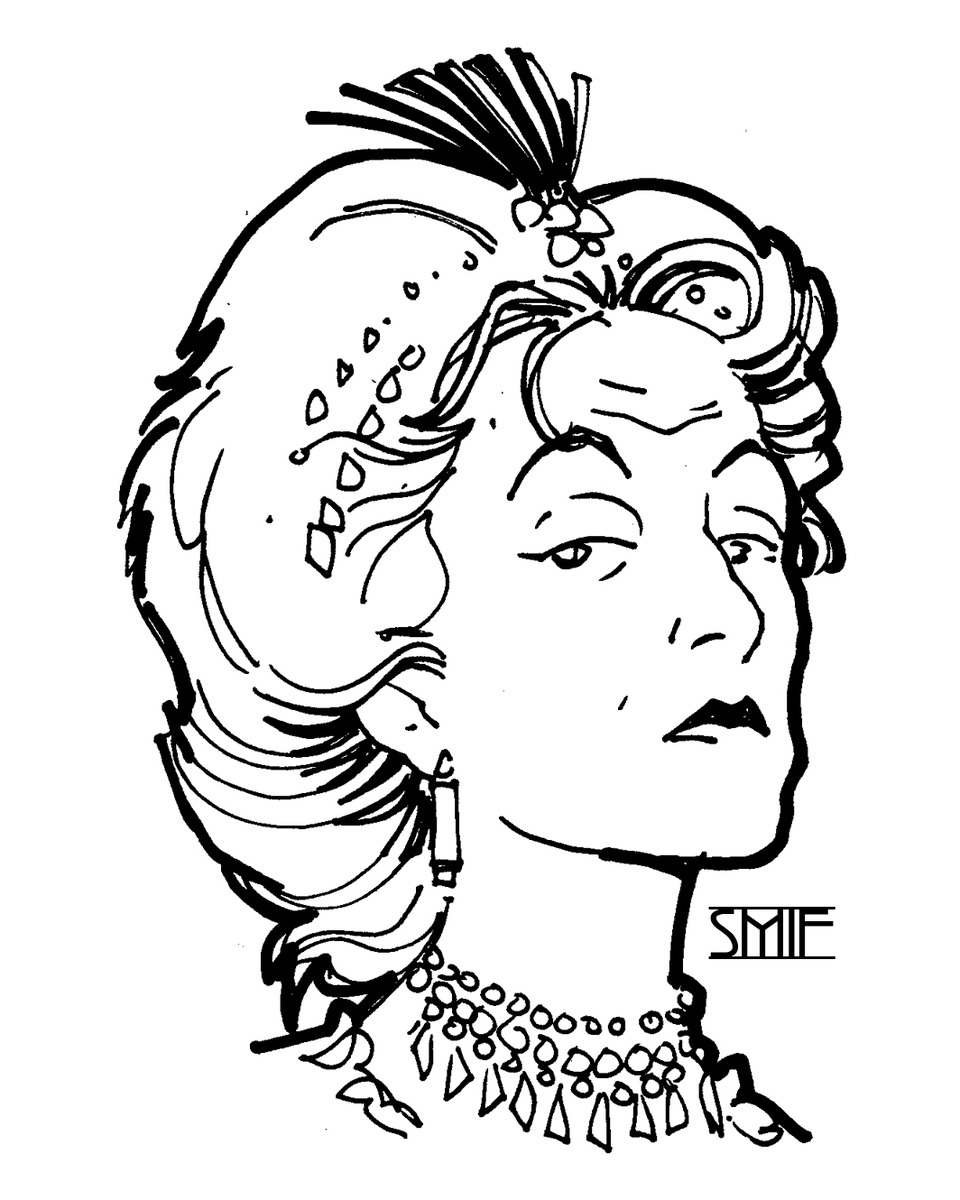
Lavinia, born Isolde Marsh, lodges in the house and sits for the Colonel's grief. Wat had called on her twice privately this fortnight and twice left smiling. At 8:29 she went to the piano and played without stopping until the cry at 8:40, which the whole room will swear to.
Dr Tobias Quill, physician and coroner, had been asked for the master's sleeplessness. Wat had lately taken to greeting him by name in the street, which Quill found unbearable. He stepped out at 8:20 to his gig for his bag, watched from the window the whole while by two of the company, and was back in the dining room at 8:26. The rain had made the gravel sodden, and only one set of outdoor prints went to the conservatory door and back; they were his. His bag was opened and inventoried after the death. Nothing was missing from it, and it holds no blade shorter than a scalpel, which was in its case and dry.
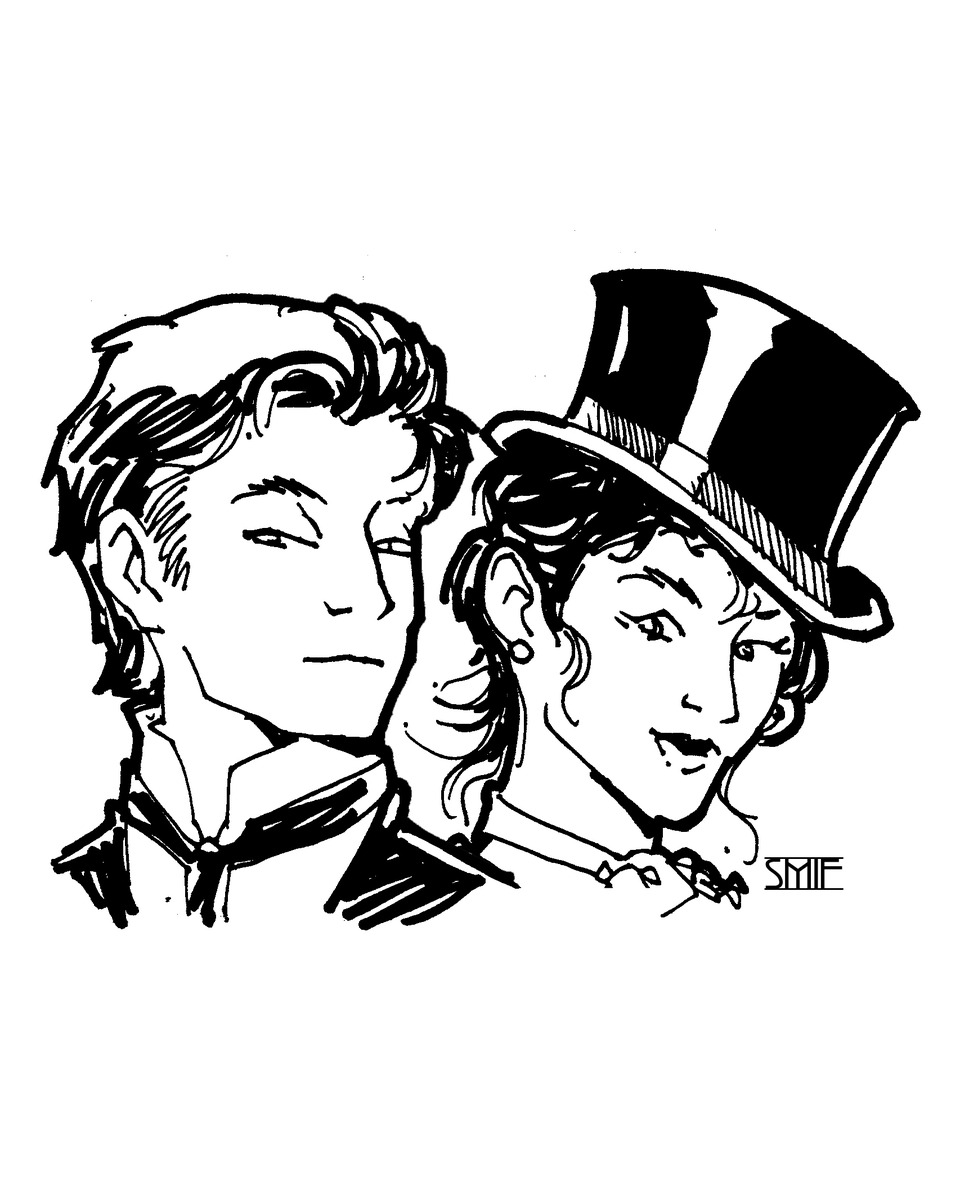
Effie Strange, the Colonel's heir-presumptive, is a genius under the sparkle and badly in need of laudanum and of money; Wat had been her supplier these two years and her creditor besides. In the drawing room before dinner, in Nan's hearing, she had asked him when the next delivery might be expected, and had been told Tuesday, if she was good. She sat on Gaunt's left and did not leave her chair between 8:15 and the cry, as Gaunt, the Colonel and the footman all agree.
Nan Pringle sat at the foot, visible to the serving footman throughout, and had carved for the Colonel, and did not rise. She goes where the Colonel goes and is seldom remarked upon. She informs; she does not strike. Wat had once called her, in company, the cheapest ear in Cairnholm.
Cousin R, who is of no placeable origin and collects what people would rather he did not, has never yet asked a penny for any of it, and finds Wat Frew's whole manner of business vulgar. He sat opposite the service door and watched it.
Fifi and Zane Swain passed that night at Cruikshank Manor, five miles off, abed and vouched for by the entire household there; neither has set foot in Hartfield House since the spring. The dining room windows to the terrace were shut and bolted against the rain, and were still bolted at nine o'clock.
The company stood about the long table while the rain went on at the glass, and the butler counted the silver a second time, and set it down, and said that one small thing was wanting.