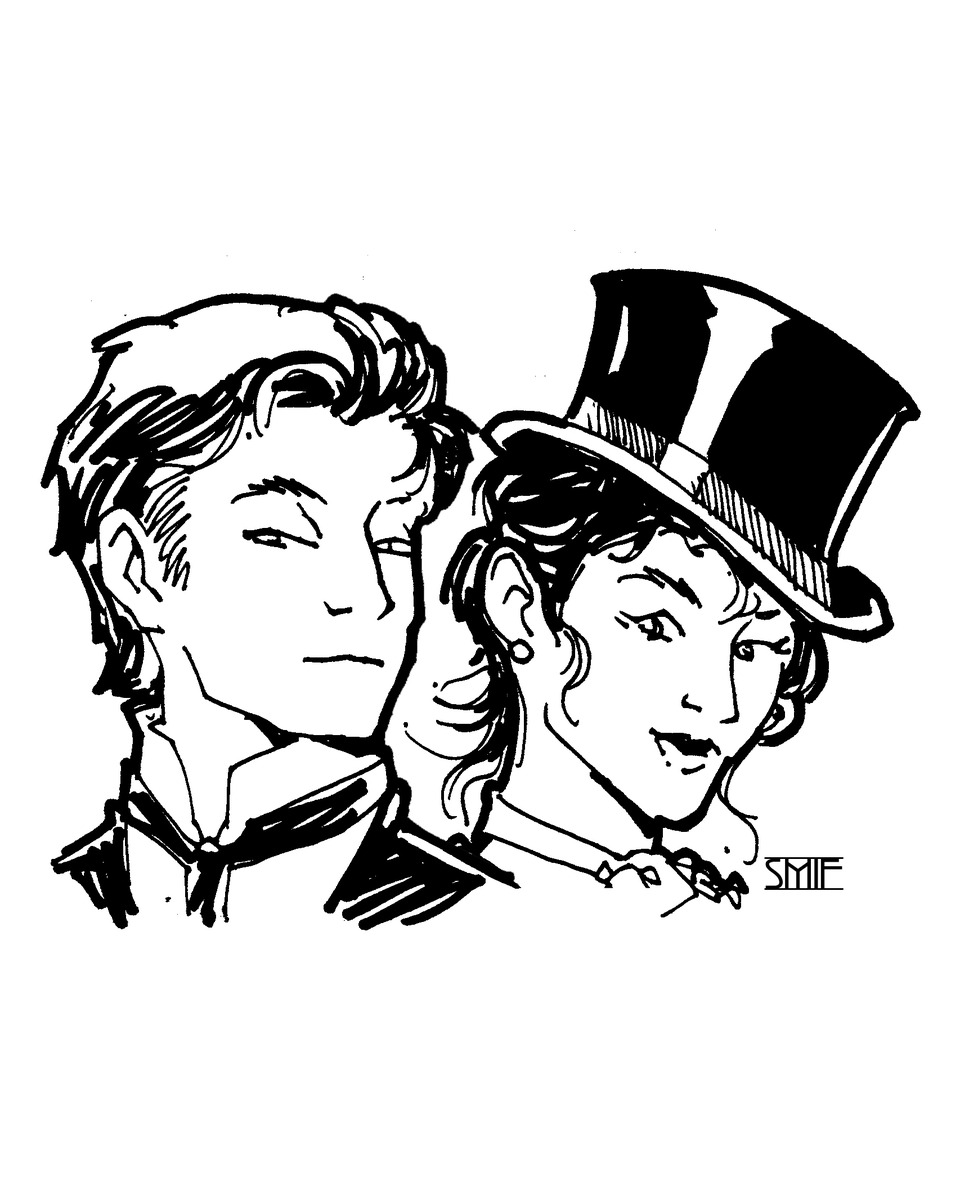
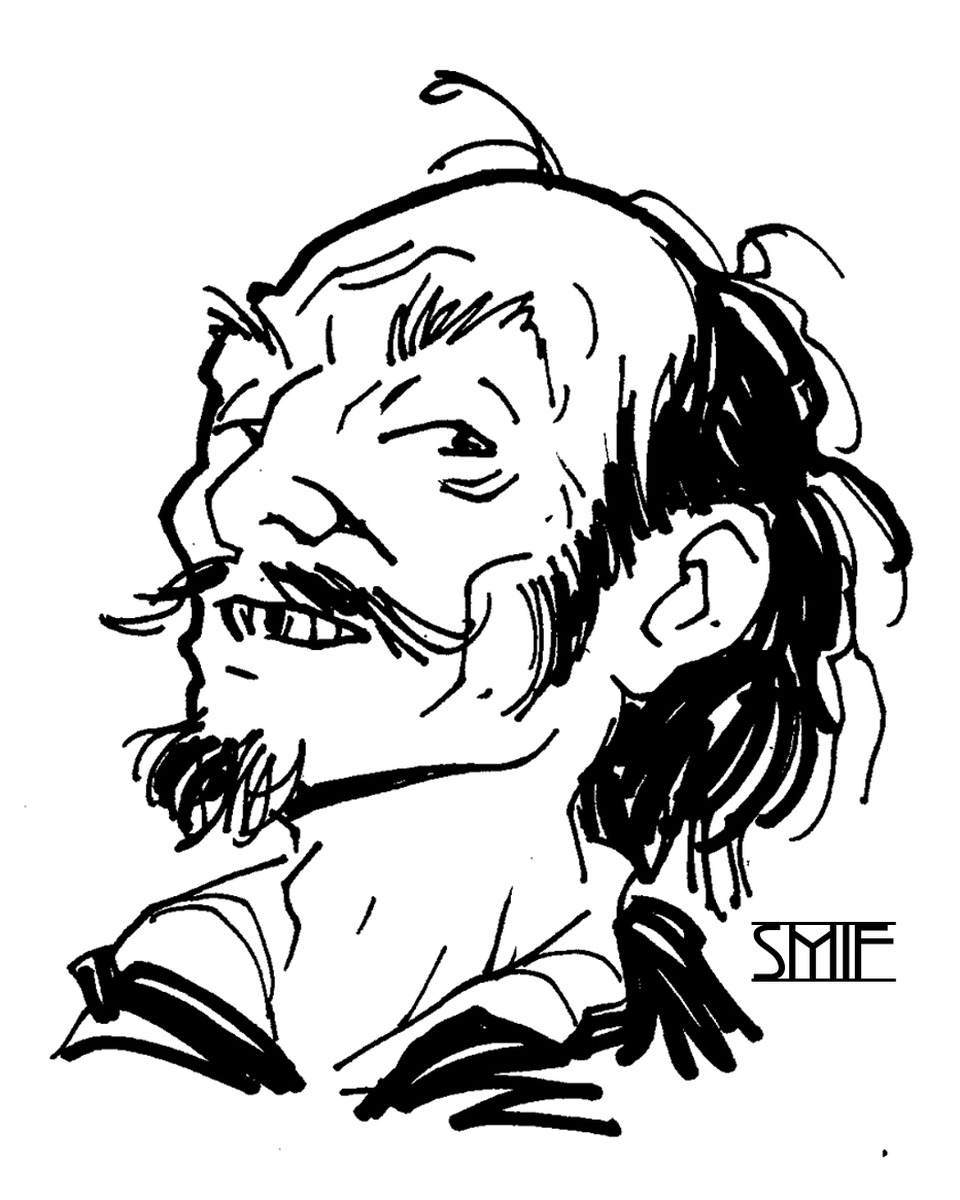
Hartfield House on a wet Thursday in November 1884 smelled of cardamom and scorched ghee, Xerxes having set a dinner in the Indian style from his old khansaman's recipes, copied out in a fair hand and attempted, gamely, by a Scottish kitchen. The cook had wept twice. The curries arrived in a condition the khansaman would not have recognised but would, one hopes, have forgiven.
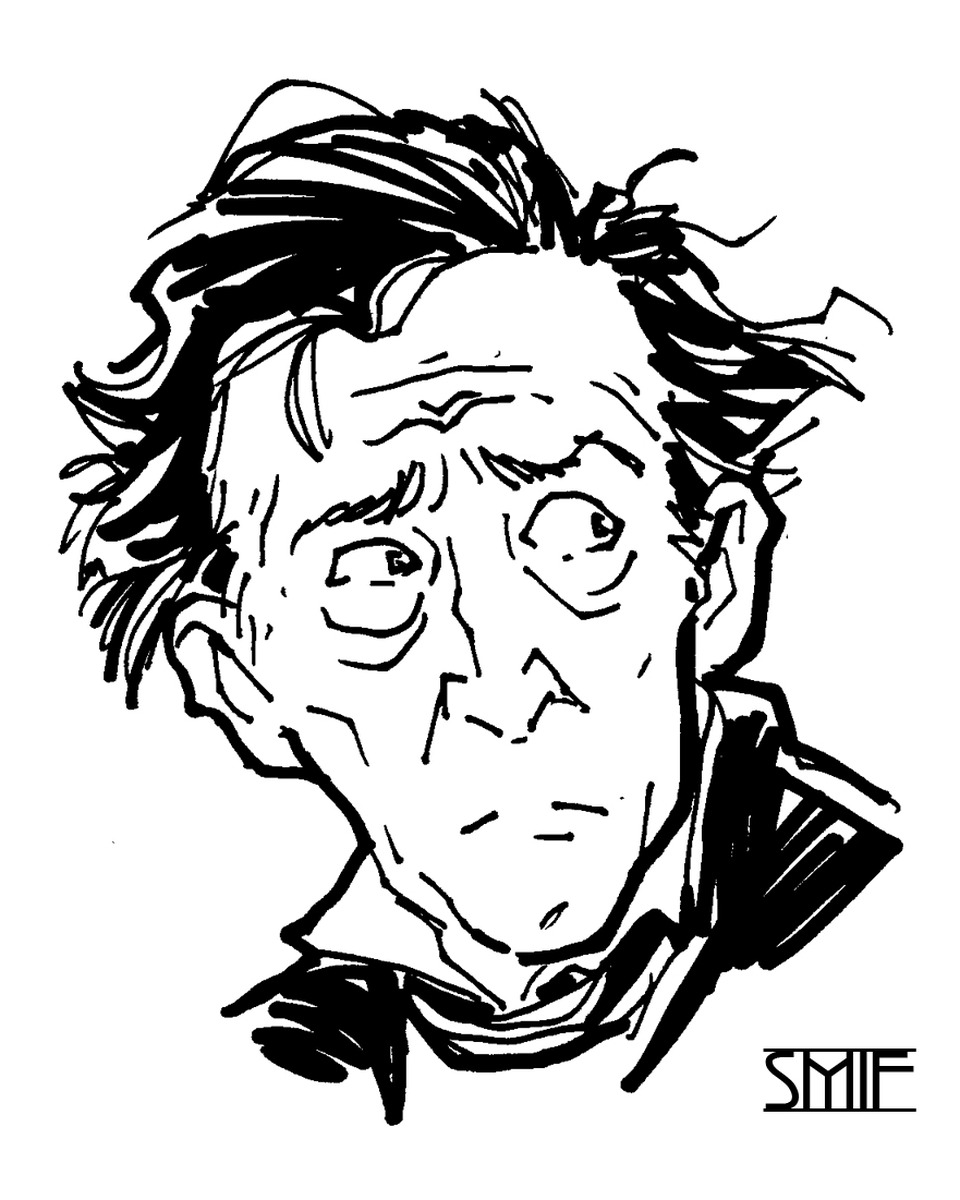
Xerxes seated Aziz at his right hand and announced to the whole company, twice over and in the hearing of the staff, that the dinner was his own nostalgia and that Aziz was a guest at it and not its curator. Aziz, who has lived at Hartfield House these eleven years, received this with the patience of a man who has heard his friend be generous in public before. On Xerxes's watch-chain hung the Maharaja's Sapphire, Aziz's love-token — a great Indian stone, bought long ago with money that was never Aziz's to spend, worn always, and never once carried past a jeweller's window.
Mabel, Xerxes's cheetah, lay at his feet through dinner and was shut in the gun-room at nine, as always, by Captain Wat Frew, who fed her.
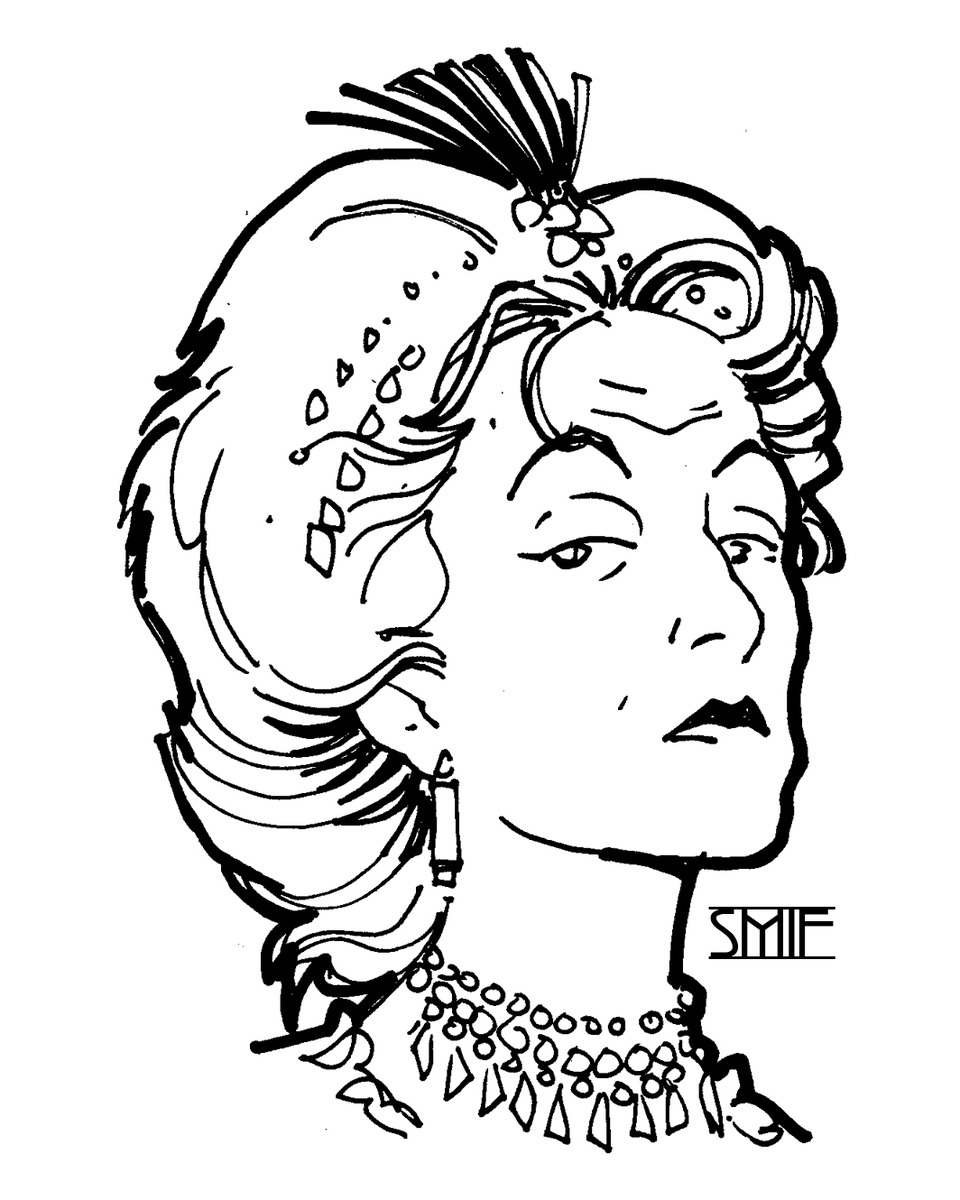
The company dispersed after the port in the usual fashion. The Colonel took the dining-room and Cousin R with it, pressing for more tonnage in the Rangoon tea-and-timber venture — a concern that pays both partners and which neither can run alone; the Colonel wanted greater tonnage that evening, and not a smaller partnership. Nan and Lady Lavinia Loveless held the drawing-room from half past eight until ten, each vouching afterwards for the other. Gaunt and Quill went to cards in the morning-room at a quarter to nine. Effie Strange left the drawing-room at nine and went out to the front steps to smoke with Wat, in plain sight of the footman at the door. Zane was not present at all; he lay at Cruikshank Manor with a fever, abed the whole evening and night, vouched for by the housekeeper and two of the staff. His absence had left Hartfield House a pair of hands short, and Fifi had been sent for that morning to make up the lack.
The staff of Hartfield House are permanent and known. Only one pair of hands in the service passage that night belonged to another house.
At a quarter past nine two cups of coffee went up from the service passage: one to the smoking-room for Xerxes, one to the small library for Aziz, who had withdrawn there with a book. The two cups were of the same blue Kashmir pattern and travelled on one tray. Xerxes took his coffee black and bitter. Aziz took his heavily sweetened. The sugar basin was found afterwards on the tray in the passage, unused, the spoon dry.
Fifi carried the tray as far as the service passage landing and set it down there, and went down again; she was seen in the scullery from twenty past nine.
The passage lamp had been turned down low at some point in the evening. The housemaid who lit it swore she had left it up, and said so with heat. In that light the two cups could not be told apart but by their place upon the tray.
Aziz's cup was found untouched and cold. He had fallen asleep over his book without drinking it.
Xerxes Hartfield was found in the smoking-room chair at ten o'clock. He sat upright, hands folded, his spectacles still upon his nose and a coffee cup at his elbow. He had been dead some little while. There was no mark upon him and nothing whatever disarranged; the sapphire hung on his chain as it always had. He had been poisoned — the sleeping draught, taken in overdose.
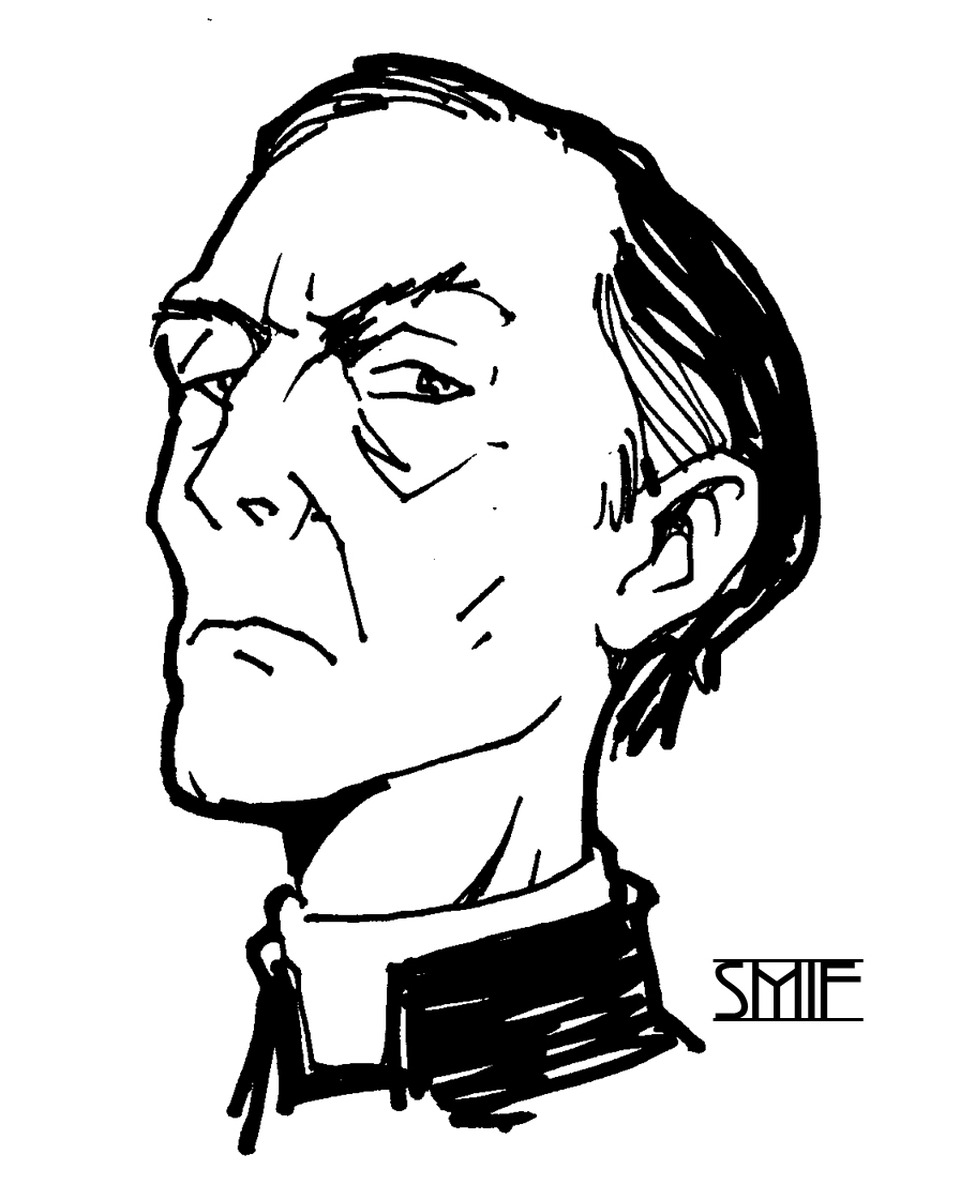
Dr Tobias Quill, who attends the house and serves the city as coroner, examined the cup and said the dregs carried a great deal more of the chloral sleeping draught than he had ever written for. He had written it for Xerxes's insomnia and had twice reduced the dose, instructing the household that the bottle was to be measured by spoon and never by eye. He produced his own bottle from his bag, stoppered and nearly full, and observed that the house kept a second bottle of its own.
The house bottle lived on the shelf of the service passage, beside the coffee tray, where the staff might fetch it up to Xerxes's room at night. It was found that evening empty and set back in its place, label outward, tidily.
In the grate of the same passage lay a folded note in a maid's hand, burnt to a corner. The surviving corner read: — nor the next time you ask, nor ever. You are a good girl and I am an old nuisance. Burn this. X.H.
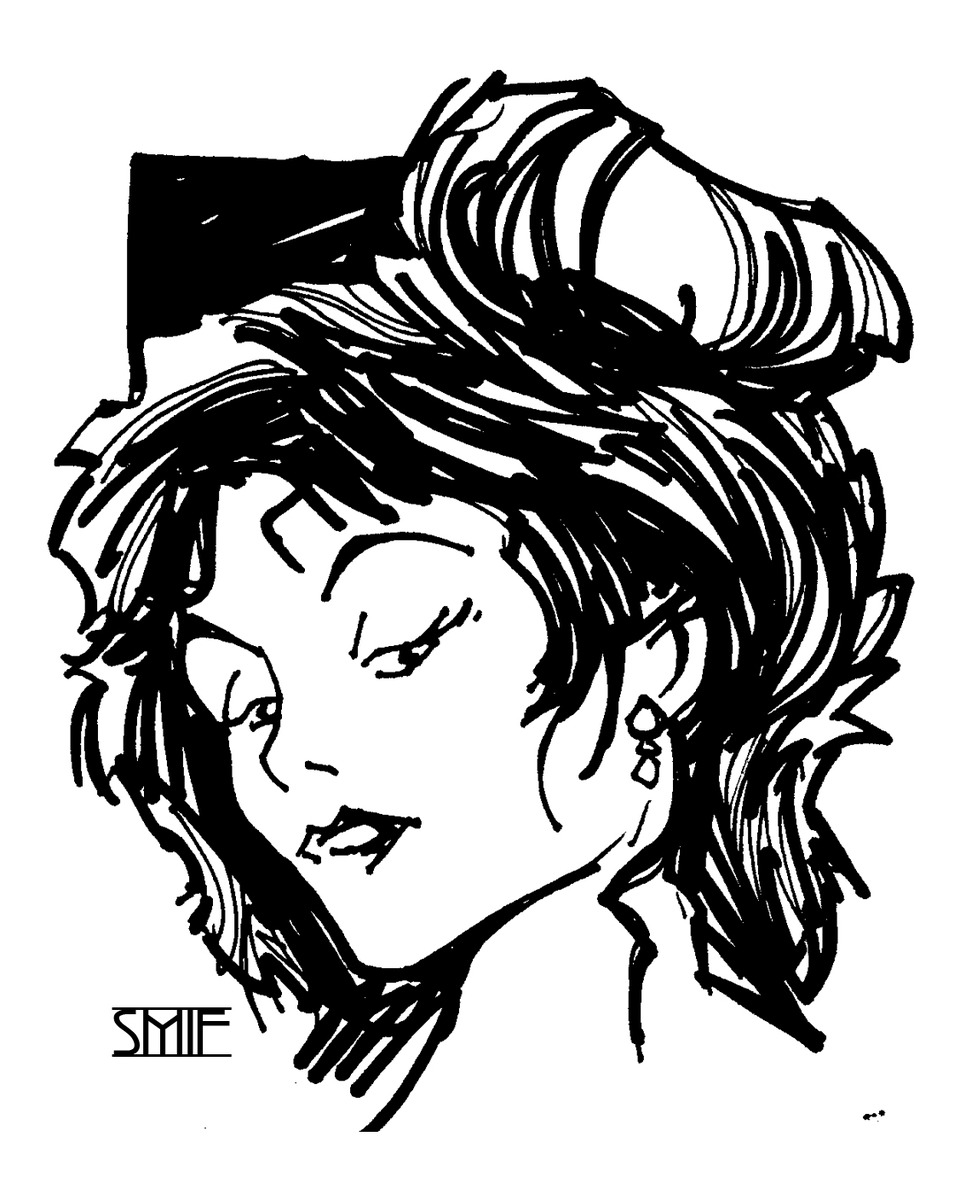
Fifi had three times over the past year put herself in Xerxes's way and been refused — kindly, wearily, and in writing at least once. The household had treated the matter as a standing joke. Fifi had lately stopped laughing at it.
Others had their small accounts with the dead man and none of them pressing. Effie had twice asked Xerxes for the loan of money against her expectations and been given it both times, the second time that very week, in notes and without conditions; her debts and her want of laudanum she mentions to nobody. Nan and the Colonel have each held the other's secret a long while, and had nothing of Xerxes's to fear and nothing of his to gain. Quill, a frightened man and by common reckoning the ablest poisoner in Cairnholm, sat at cards from a quarter to nine until the alarm, with Gaunt to say so.
A sweetened cup hides a bitter draught. A black one does not, and Xerxes drank his black and complained of nothing.
The two blue Kashmir cups stand side by side on the passage shelf under a lamp turned up again at last — one drained, one full and cold, the sugar basin dry between them.