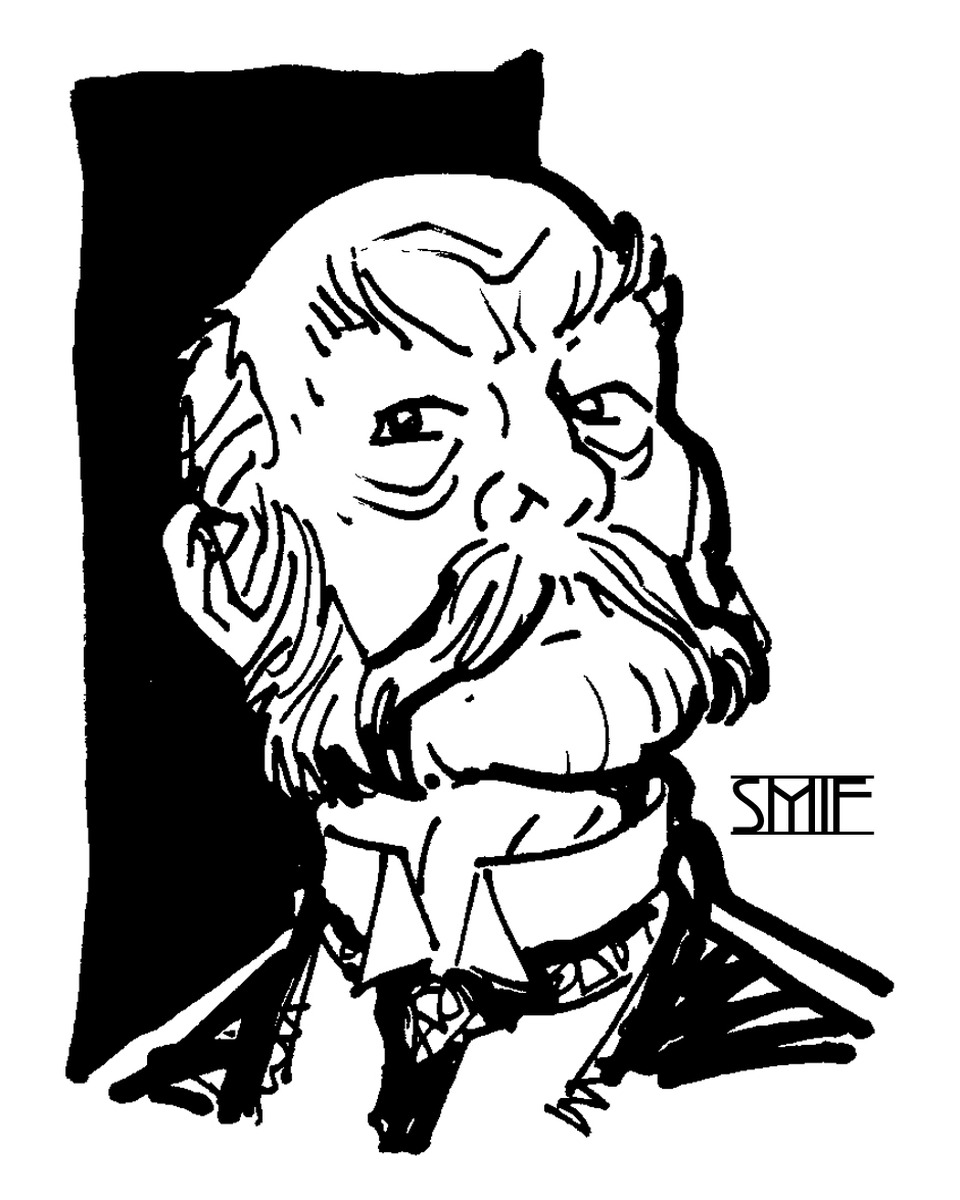
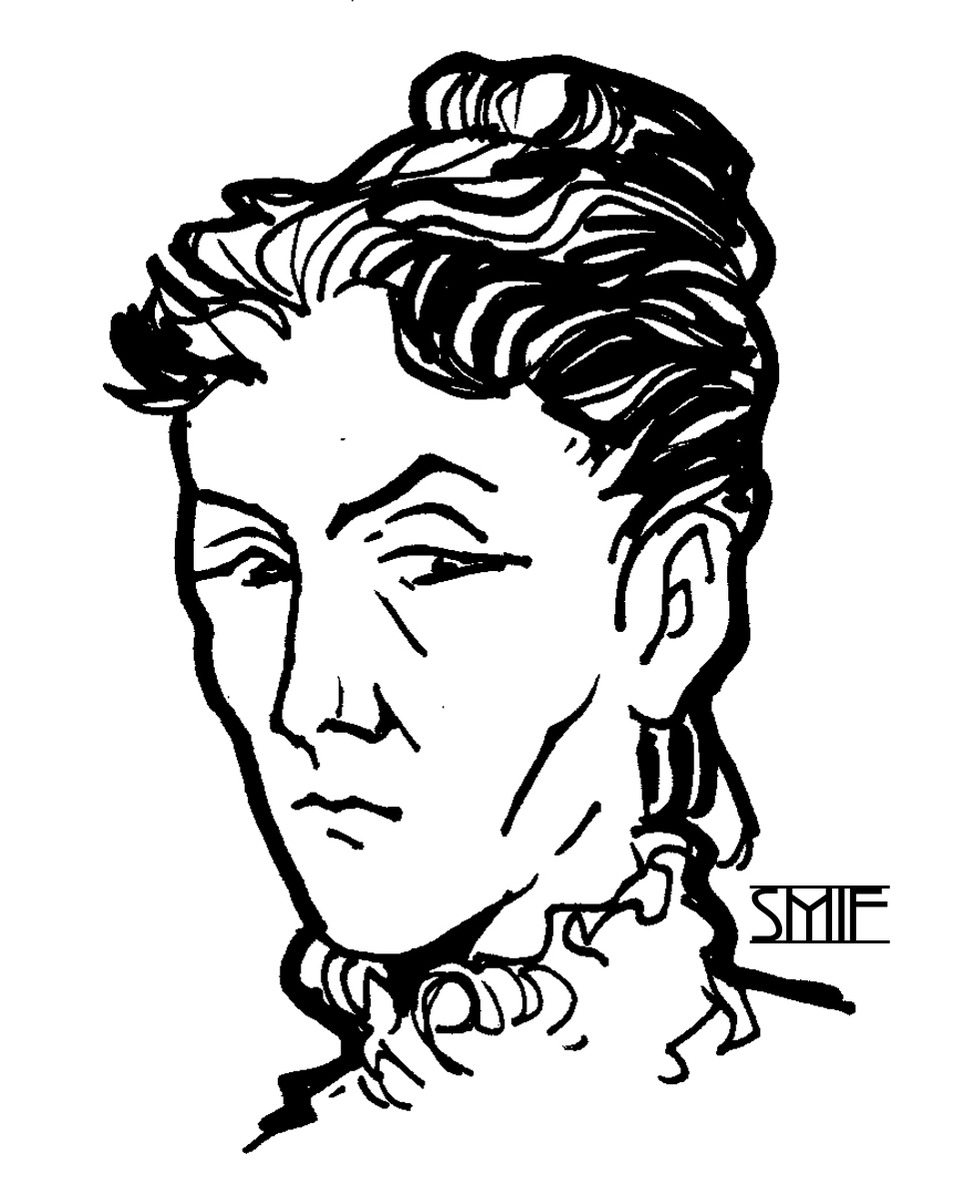
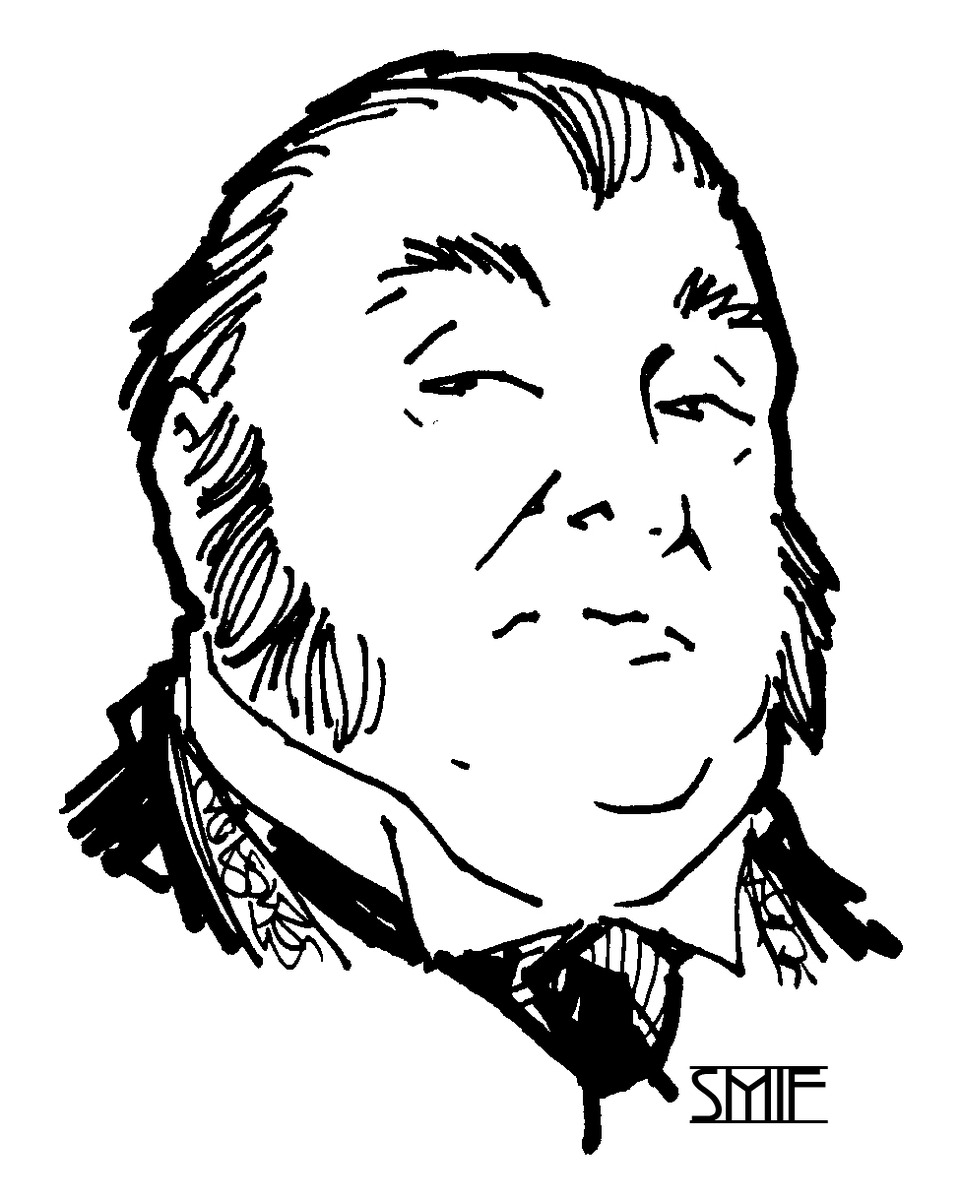
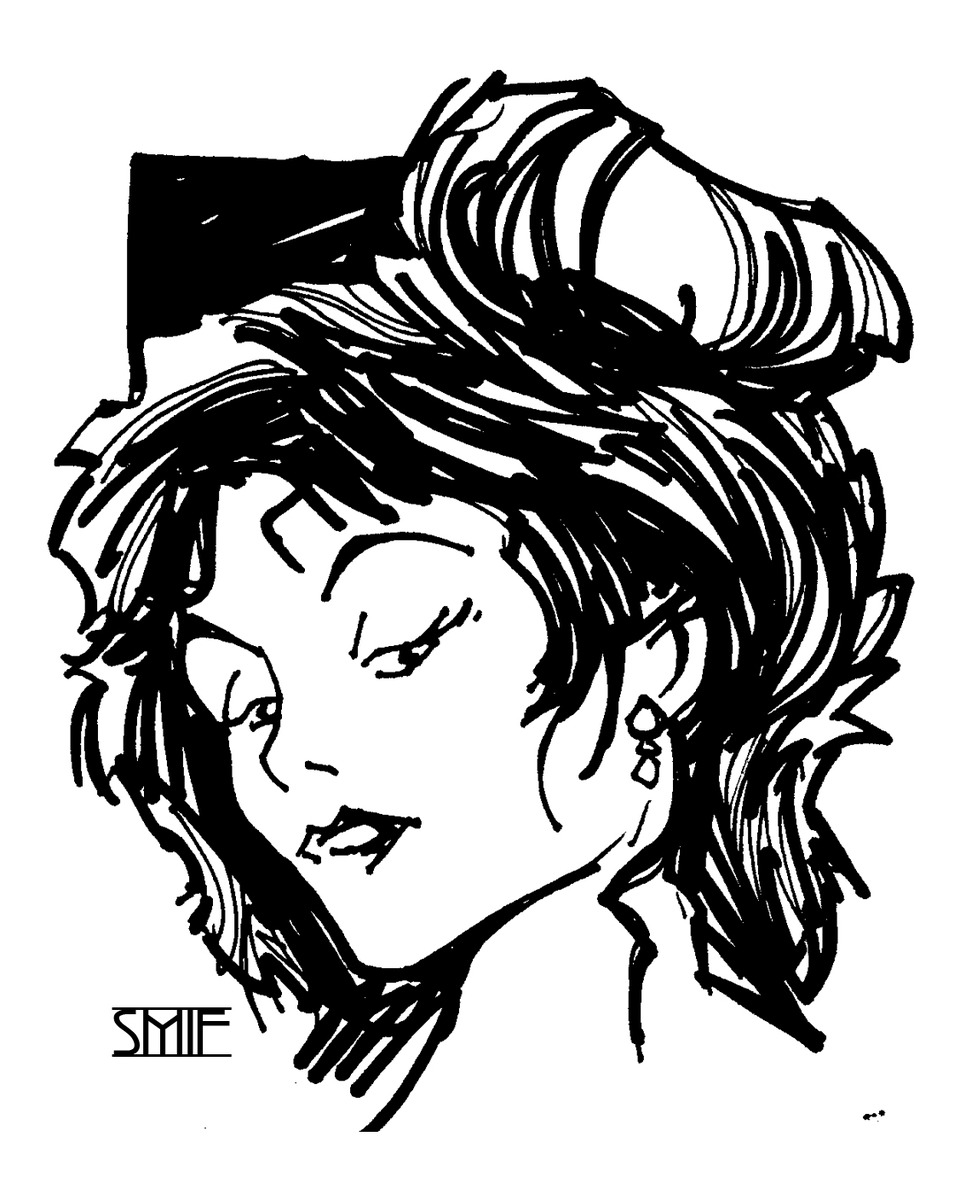
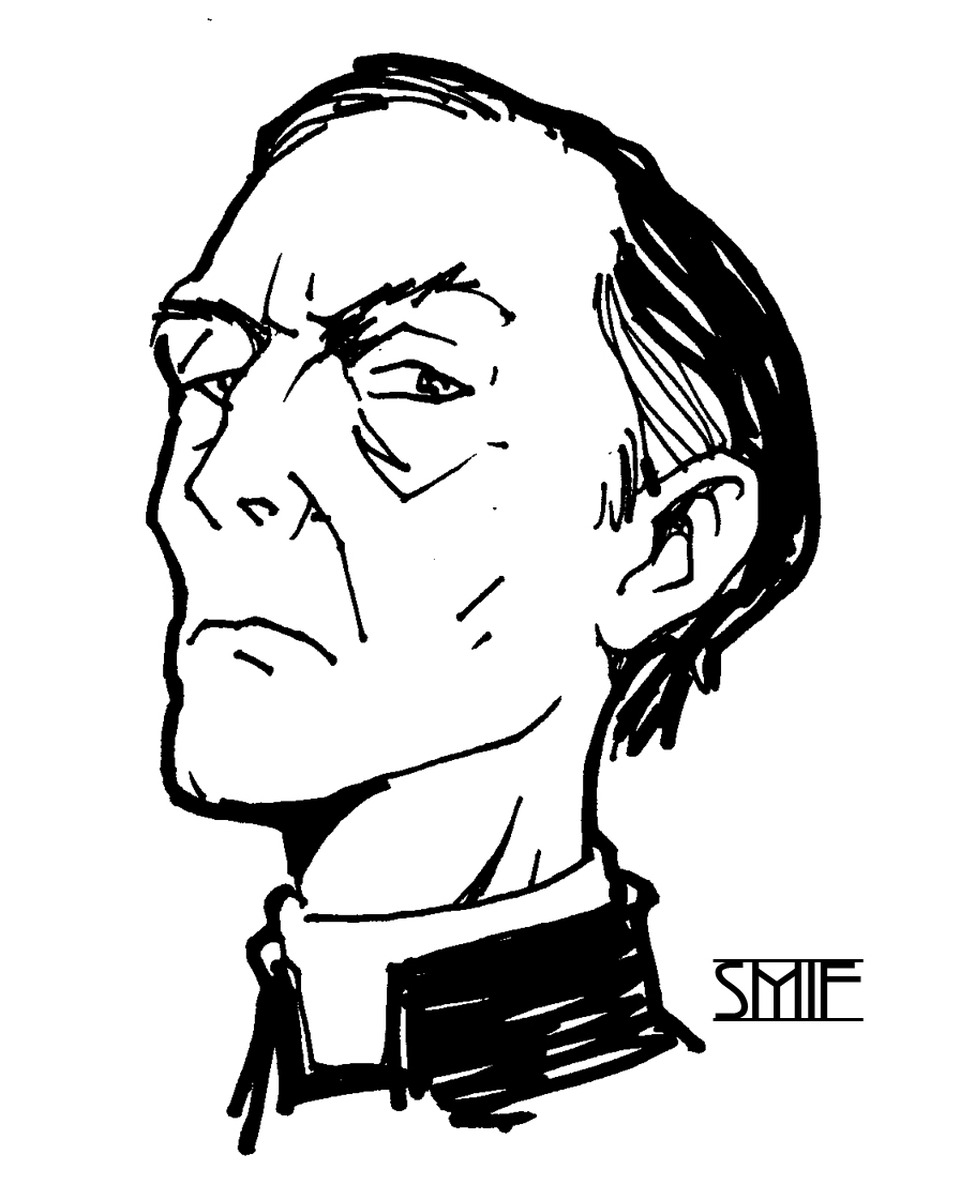

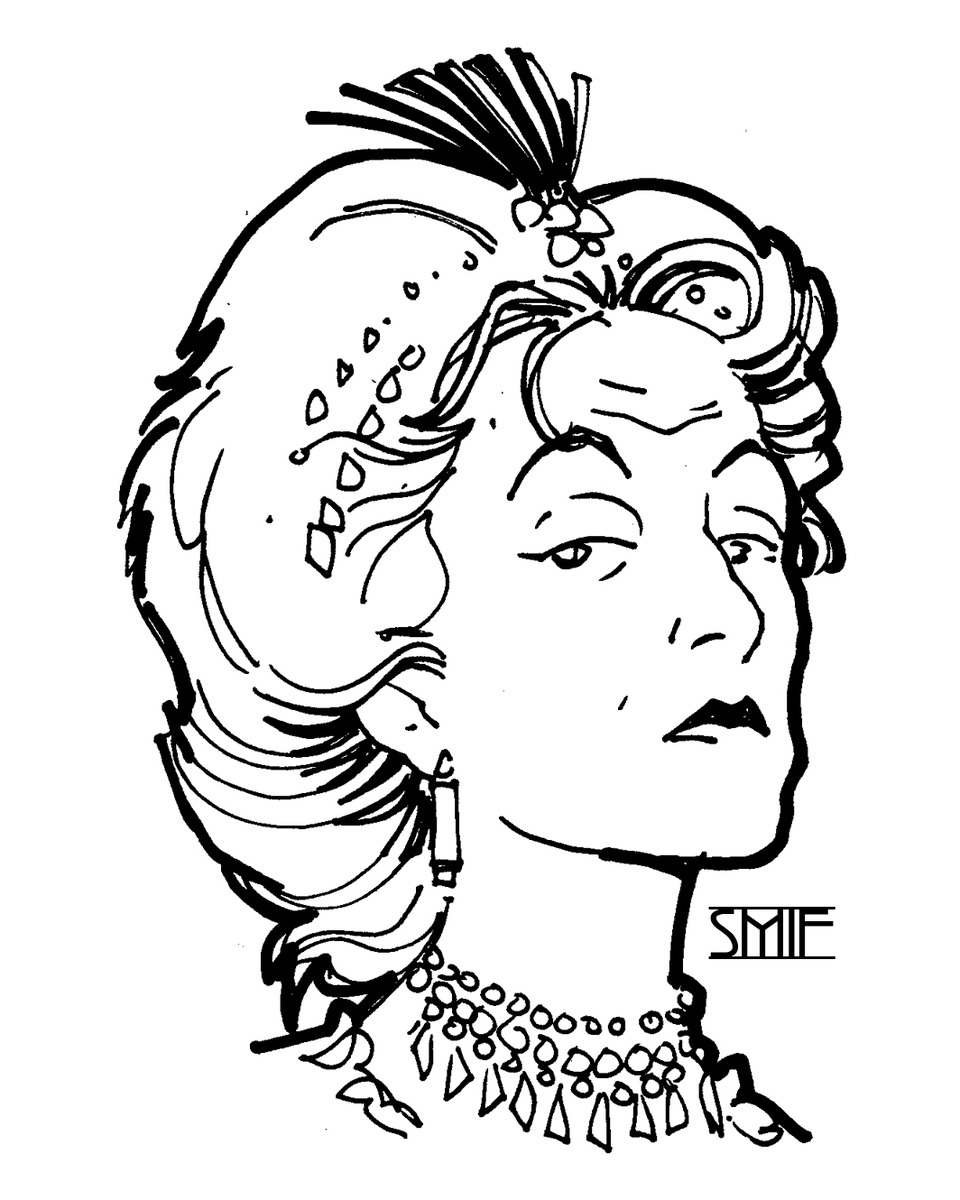
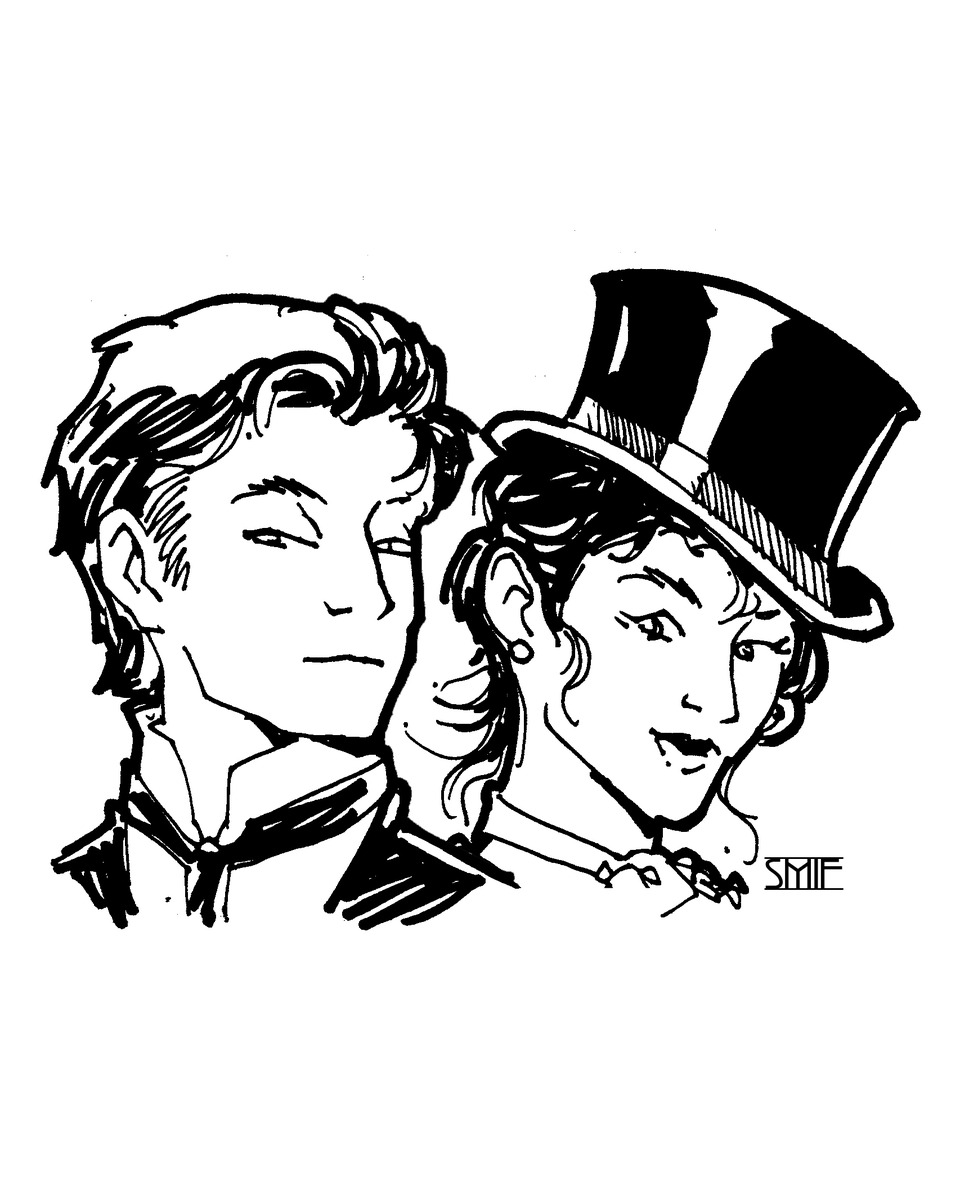
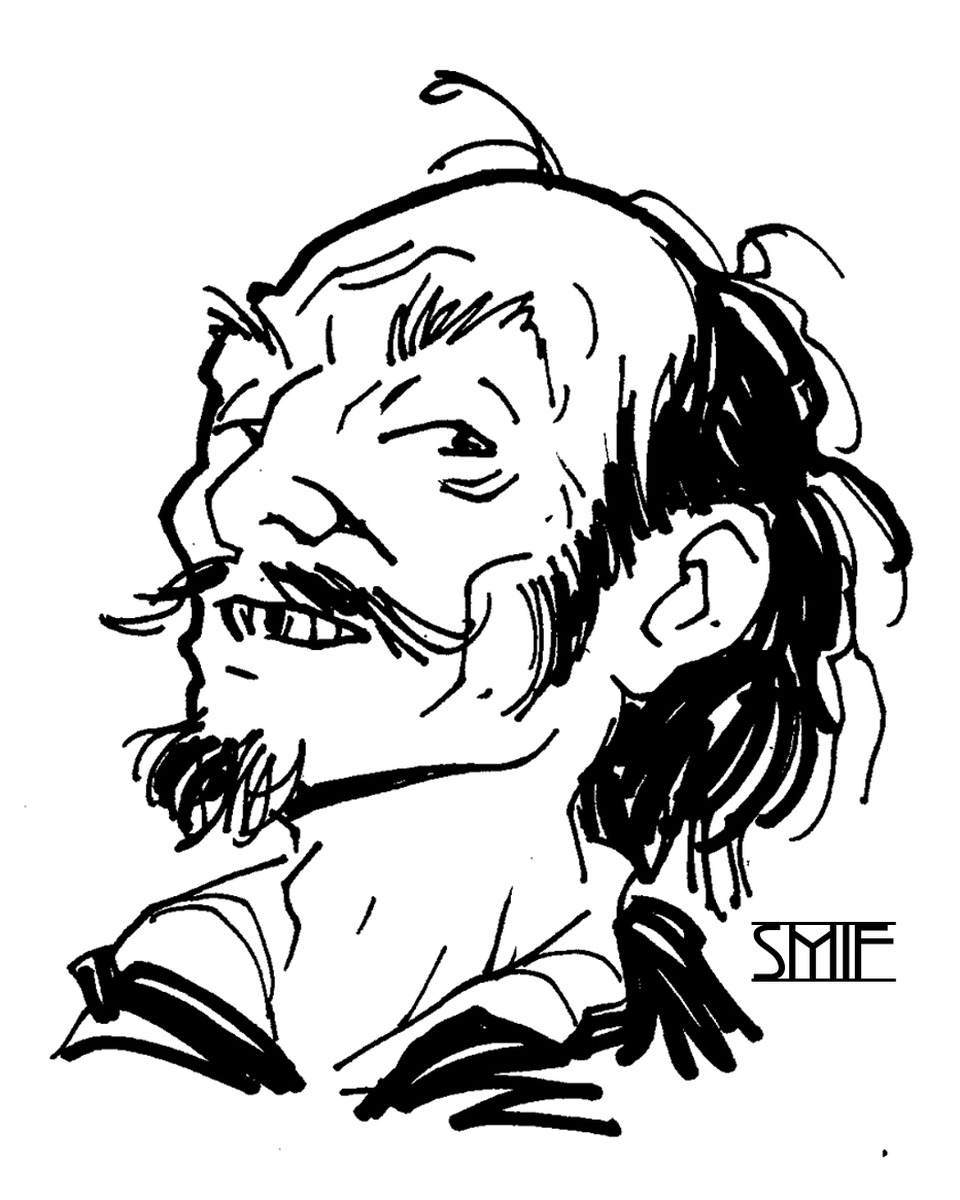
It rained on Cairnholm all that Sunday in November, as it generally does, and the household of Hartfield House came back from morning service at St Mungo's with their boots ruined and their tempers intact. Dinner was taken at seven in the long dining room. The house settled late, as houses of that sort do, and by the following half past seven in the morning it had one fewer person in it.
Aziz was found in his bed in the east corridor. He lay straight and composed beneath the covers, his hands where a tidy man puts his hands, and a pillow — his own, from his own bed — set neatly beside his head, as though returned to its place by somebody who disliked untidiness. He had been smothered. Nothing in the room was overturned; not a chair, not a brush, not so much as a crease in the carpet. The bedclothes were barely disturbed, and there was no mark upon him at all but the stopped breath.
Dr Tobias Quill, who is coroner as well as physician and who had dined in the house the evening before, put the death between eleven o'clock on Sunday night and two o'clock on Monday morning, and said the man had been asleep when it began. He said this in the corridor, holding his hat, and then asked whether he might sit down.
The bedroom door was unlocked, and the lock unmarked. Aziz had a settled habit in the matter: he bolted the door only when Xerxes was away from Hartfield House. Xerxes was at home that night.
At the dead man's throat, where it had been for six years, hung the Maharaja's Sapphire — a large Indian stone in a plain setting, which had come out of India with Xerxes, who gave it to him. Its worth was beyond anything Aziz could have come by honestly or otherwise; he never had it off him, waking or sleeping, and never once offered it for sale. It was still at his throat when he was found. Nothing in the room was taken.
On the bedside table stood a glass half full of water, and beside it a small blue phial of Dr Quill's sleeping draught, the stopper off. The label was made out for Xerxes Hartfield. Aziz did not take draughts and had never been prescribed one. The draught is kept in Xerxes's dressing room — to which Aziz held a key — and that dressing room stands between Xerxes's bedroom and the small chamber at the end.
The east corridor is a short and unsociable place. It runs past only two other doors: Xerxes Hartfield's, and the small chamber given over to Lady Lavinia Loveless for her sittings and her rest. Any other person must come the length of the gallery, whose boards are loud and have never learned discretion.
At dinner, Aziz sat at Xerxes's left, as he always did, and twice spoke across the table to the Reverend Simeon Gaunt. He asked after the mission at Tangier. He then asked whether the minister had known a Dr Fraser there. Gaunt set down his fork and did not answer the second time. The soup continued.
The solicitor, who was also at table, mentioned as a pleasantry that on Saturday Xerxes had instructed him to prepare a deed settling an annuity and the Marine Terrace lease money upon Aziz for his life, and that the thing wanted only a signature in the week. Everyone said how handsome it was. Aziz inclined his head.
Afterwards, in the drawing room, Lavinia gave a short sitting. It was shorter than intended; she broke it off early, saying the room was crowded against her. Aziz had sat directly opposite her throughout, watching her hands rather than the table, and had twice asked her to repeat a name she had given. She did not repeat it the second time either.
Lavinia came to Hartfield House in July, having given up the lease of 14 Marine Terrace. The Colonel paid her for sittings concerning his late wife until August, when he stopped; since then she has had no income but Xerxes's hospitality, and she is not a woman who could take another roof in Cairnholm. Her sittings in the house are held in the small chamber, with Xerxes often her only sitter, and she has twice observed in company that the house has a closed door in it, and that the house will not be easy until it is opened. On her writing desk lay the Cairnholm Herald for Saturday, folded open at a notice of the sale of the lease of 14 Marine Terrace, the sum owing marked in ink in her own hand.
Aziz had come from Morocco and had been with Xerxes six years. He slept in the east corridor, kept the keys to Xerxes's rooms, and turned away callers his master did not wish to see — twice since July, Lavinia from Xerxes's own door. On Friday he had told Mrs Enderby the housekeeper that the house would be quieter by Christmas, and that the lady in the east corridor had been asked, in the kindest way, to look about her for other arrangements. He was a famously sound sleeper and was teased for it; he did not wake when the gallery clock struck, and had slept through a chimney fire in the spring.
A tumbler of brandy was found on the gallery windowsill outside the east corridor, of the drawing room set, cold and untouched. The parlourmaid had not put it there and said so with some warmth.
Mabel, Xerxes's cheetah, sleeps chained at the turn of the gallery and wakes at any stranger on the boards. She did not cry out in the night. She is accustomed to the household and ignores those who pass her daily.
As to where the company had got to: Xerxes took brandy with Wat in the smoking room until a quarter to midnight, then sat up over his ledgers, and the groom, bringing word of a lame horse at one o'clock, found him at his desk with the lamp lit. Wat, after the smoking room, slept in the boot-room by the yard door, where the boot-boy, up with toothache, kept him company till past two o'clock. Lavinia retired to her chamber at a quarter past ten, pleading the strain of the sitting; her maid was not called for, and no one saw her again until morning. Gaunt left the house on foot after the sitting; the sexton at St Mungo's let him into the vestry at eleven o'clock and sat with him while he wrote the Monday notices, and they parted at half past twelve, the sexton walking him to the manse door. He takes no stipend from his half-sister and has never been known to ask anyone for money; his parish knows his penances and thinks them piety.
Quill had come at six to bring the month's draught and stayed to dinner, and was fetched away at ten o'clock to a confinement at the cooper's house in Fish Street, where he remained in company until after four in the morning. The Colonel drove back to Cruikshank Manor at half past ten with Effie and Nan, the Hartfield coachman setting the three of them down at the Manor door and taking the carriage on; the Colonel was heard by his own household shouting at the barometer at eleven o'clock. Effie, who is heir-presumptive to the Colonel, in debt, and very fond of beautiful things, was set down with the rest. Nan, who goes where the Colonel goes and sees everything from the edge of the room, likewise. Cousin R did not stay to dinner at all, having taken the eight o'clock packet to Leith that evening; the harbour clerk entered his name in the sailing book. Fifi and Zane, the twins, passed the whole of Sunday and Sunday night at Cruikshank Manor, where they are in service, and the housekeeper had them laying the Monday fires from five in the morning and vouches for both.
So the room stood, and so it was left for the coroner: the pillow set straight beside his head, the blue phial open on the table, and the great stone still at his throat, catching the morning off the wet window.