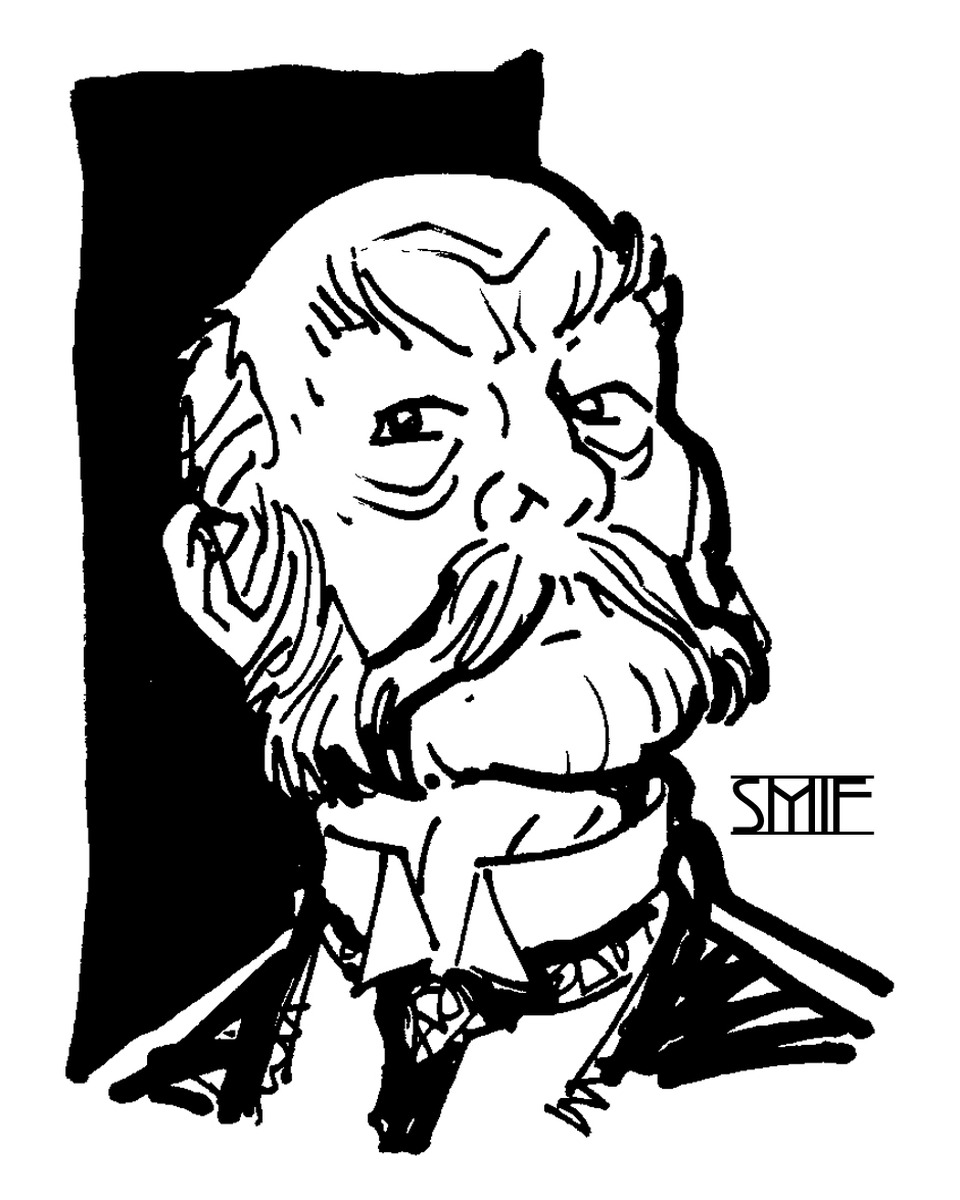



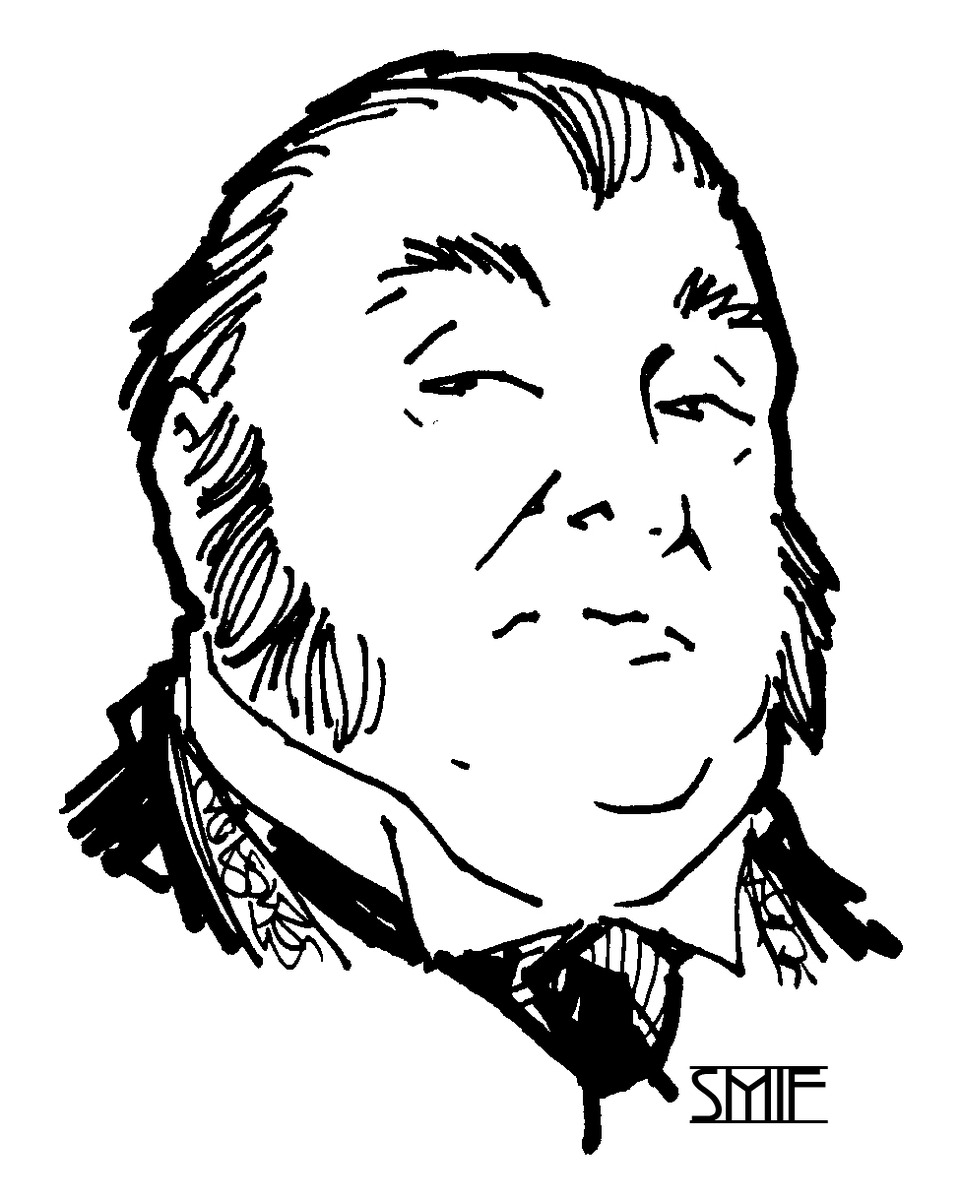


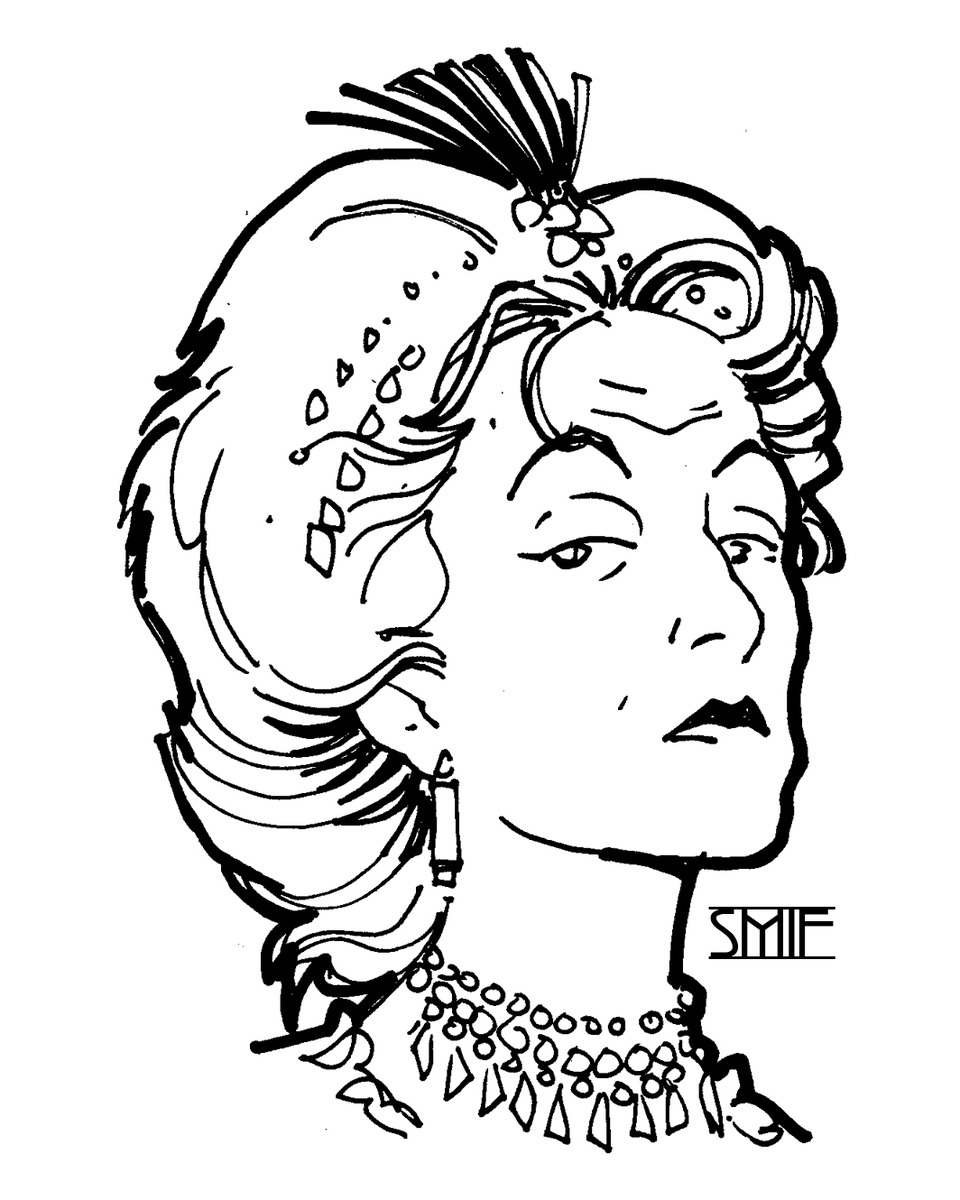
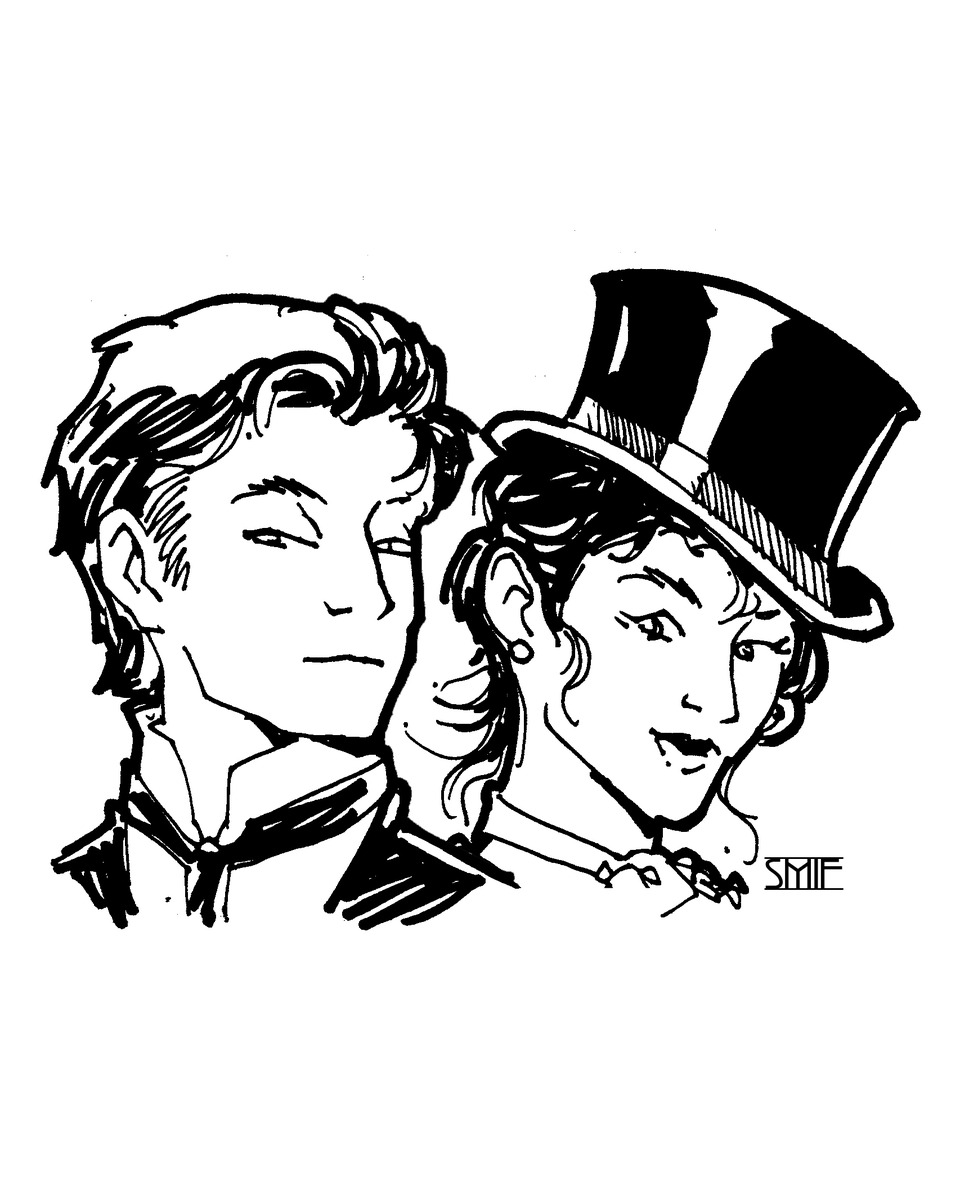
Colonel Cecil Cruikshank had been promising the port for three years, and in the autumn of 1884, on a wet Thursday, he at last delivered it. The pipe had come up from the quay, the cellar had been opened and aired, and Dr Tobias Quill's standing invitation to the laying down was honoured at last, which pleased the Colonel more than the wine did. The cellar stair at Cruikshank Manor is steep and old and carpeted in a good Turkey runner, and at every tread there is a brass rod to hold the runner down. The Colonel was fond of telling guests that the stair had been built for a smaller century.
At eleven o'clock that morning he had signed a new will at his solicitor's in Castle Street, and he said so at table, pleased with himself, between the soup and the fish. Under the new instrument the estate passes entire to Effie Strange. Under the one it replaced, the estate had been divided, with the house and the bulk going to Nan Pringle. The Colonel reported this as a man reports a successful day's shooting. Nan, at his elbow, filled his glass.
Nan Pringle came to the Manor eleven years ago with nothing, and has had nothing since but her keep. She has kept the Colonel's accounts and his medicine glass without wages the whole of that time. She has no settlement, no annuity, and no other relation living. It should be said in fairness that the Colonel has twice before altered his will and twice before altered it back, and that Nan has seen both performances.
Effie, for her part, owed one hundred and forty pounds about the town, and had spoken within the month of what she meant to do with the Manor — sell the land, sell the plate, and winter abroad. She said it again that night, laughing, and the Colonel laughed with her. He is a shouting man whose temper spends itself in the room it is raised in; the household has never known him to brood, and has certainly never known him to contrive.
The afternoon may be accounted for with some precision, which is a mercy. Mrs Sib Gow, the housekeeper, swept the cellar stair at four o'clock, and deposed afterwards — firmly, and twice — that every rod was tight beneath her brush, the fourth included. From four o'clock until six o'clock the Colonel himself was down in the cellar with the cooper and Zane, broaching the pipe. In that same hour the back passage stood empty of staff: Mrs Gow was at the fishmonger's, Fifi was at her mending in the upper linen room, and Zane was out at the mews with the new carriage horse. Each is vouched for by the others or by the grooms. The house itself was quiet. Nan had the lamps and the linen to see to, which carries a person up and down the back passage a dozen times unremarked, and did.
Cousin R, who orbits the Colonel and collects what he hears, was in the library from four o'clock; Mrs Gow brought him tea there and took it away again at a quarter past five. He had sold nothing that week and had asked nothing of Effie Strange, who had neither money nor secret he had not already had for free. Dr Quill was attending a confinement in Fisher's Row from three o'clock until seven o'clock, the midwife swearing to it, and came direct to the Manor afterwards. Lavinia arrived at seven o'clock, having been in her own rooms in Cairnholm, where her landlady brought up a tray at five o'clock; her loan to Effie stood at four pounds, of which Effie had paid two over at the door that evening, laughing, before anyone sat down. Xerxes came at a quarter to eight with Aziz, the pair of them having taken tea at Hartfield House at five o'clock, and neither left the dining room thereafter. Aziz's ring was on his hand all evening and is on it still; Effie had admired it and priced it aloud more than once, but had never had it off him, and no attempt upon it was ever made. Captain Wat Frew was aboard his cutter in the roads, logged by the harbourmaster at six o'clock and at midnight. The Reverend Simeon Gaunt kept his vigil at St Nectan's from vespers until dawn, with his verger to swear to it. Fifi and Zane were belowstairs or at the mews the whole afternoon and in the dining room service the whole evening, and Mrs Gow vouches for both.
At nine o'clock the Colonel wanted the second decanter and sent Effie down alone to fetch it, the company waiting. The cellar key hung on its usual nail in the back passage, where it always hangs, and where anyone in the house might have taken it up at any hour of that day.
She was found at half past nine at the foot of the cellar stair. She lay neatly on her side upon the bottom tread, quite composed, her candle guttered out beside her. Her neck was broken. There was no other mark upon her, and no blood at all. She had been bright the whole evening and had taken two glasses of the new port, which Quill, examining her, pronounced to have had no part in it.
The stair, when a lamp was brought, had an untidiness about it that the rest of the house did not. The fourth rod from the top lay loose upon its tread, both brass ends clear of their sockets. The screws that should have held it were not on the stair, nor in the carpet, nor anywhere found. At that tread the runner had slid forward a hand's breadth, and sat there still, like a rug kicked up by a careless foot.
A brass-handled screwdriver from the butler's pantry drawer turned up that night in the umbrella stand of the front hall, wiped and cold. It is the common tool of the house; four persons admitted to having used it that week for one thing or another, and none of them thought the admission remarkable. A single brass screw was afterwards turned up in the pocket of a gardening apron hanging in the back passage, where any of the household might have hung it or found it.
The company stood about the cellar mouth with their glasses still in their hands, the new port breathing in its decanter on the sideboard above, and the fourth stair-rod lying loose on the tread where nobody will pick it up.