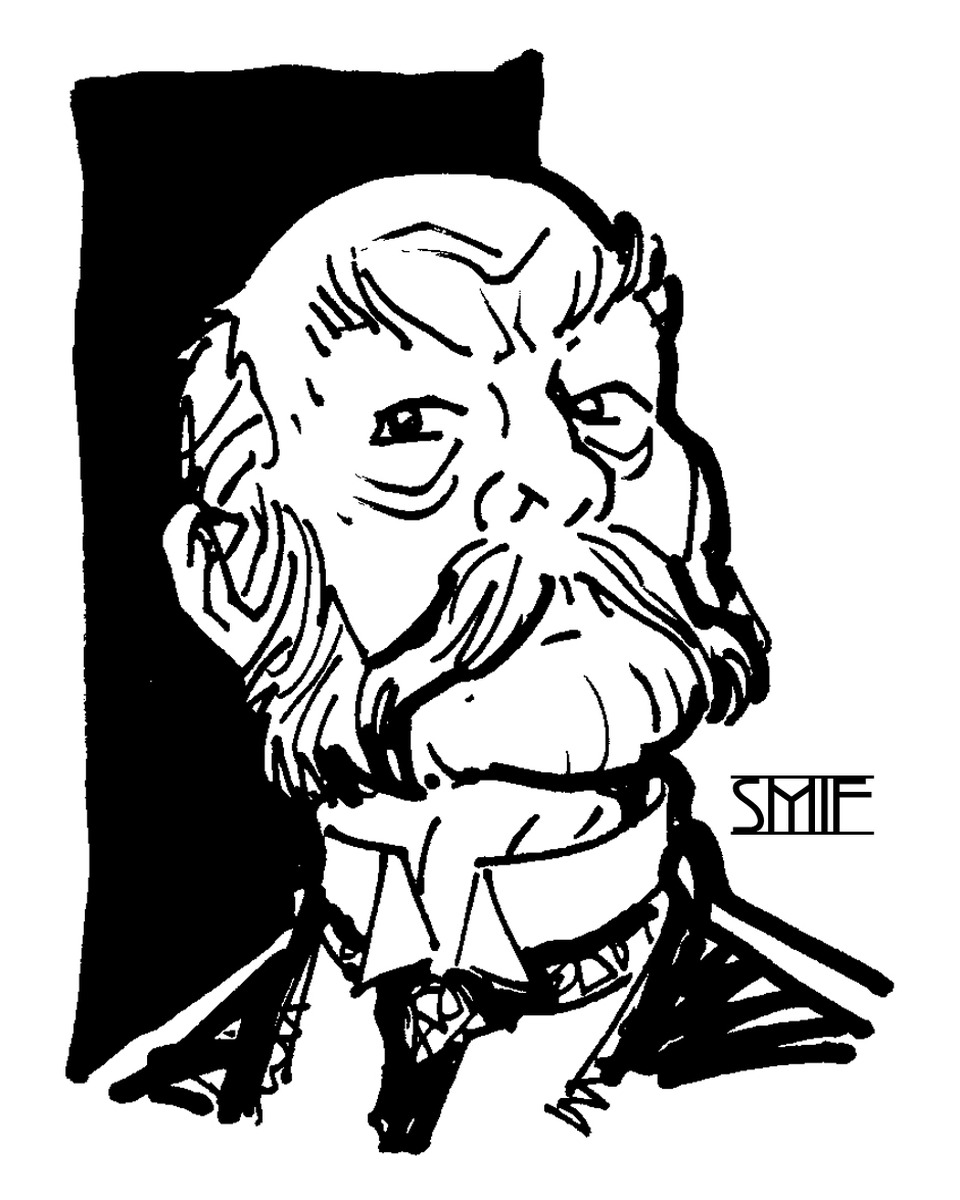
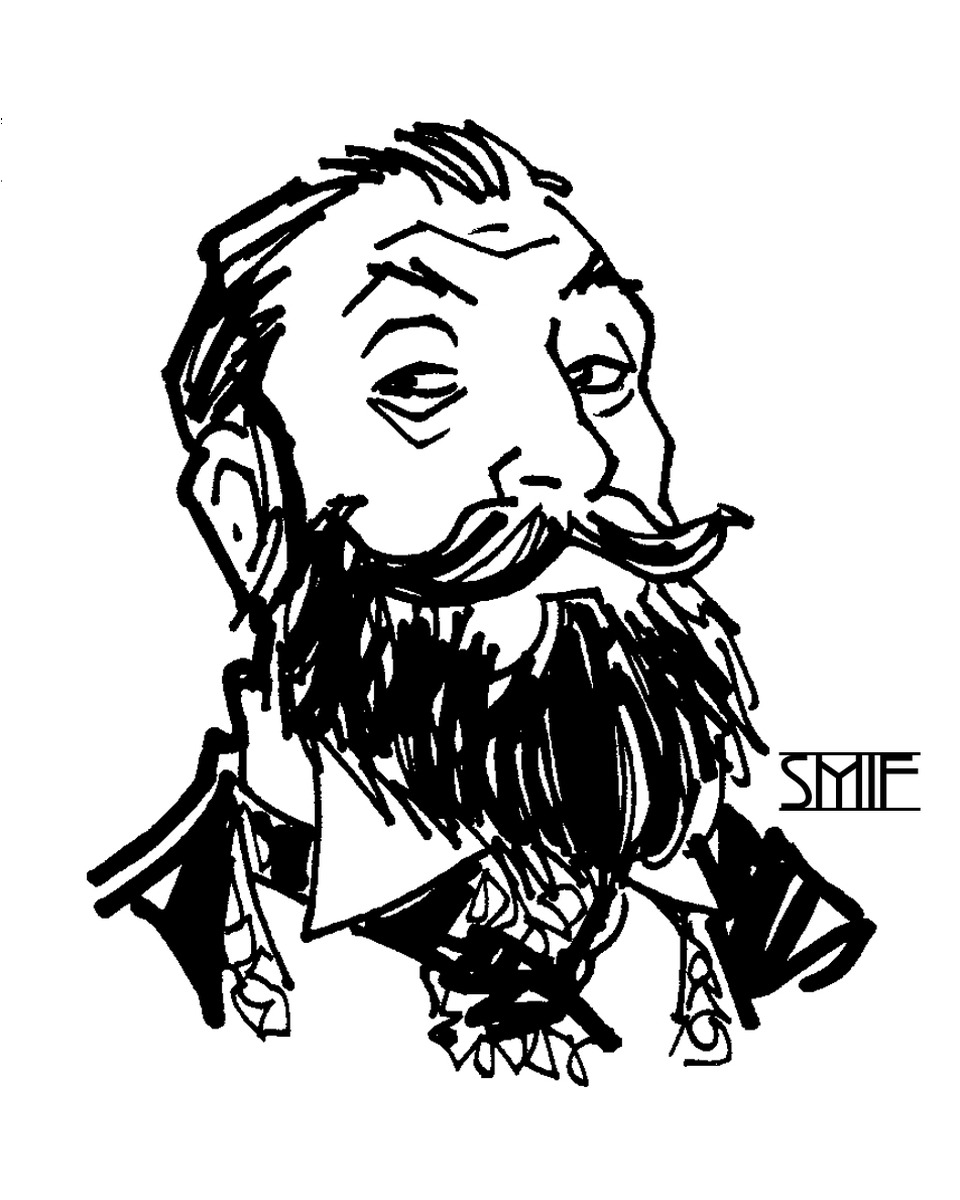

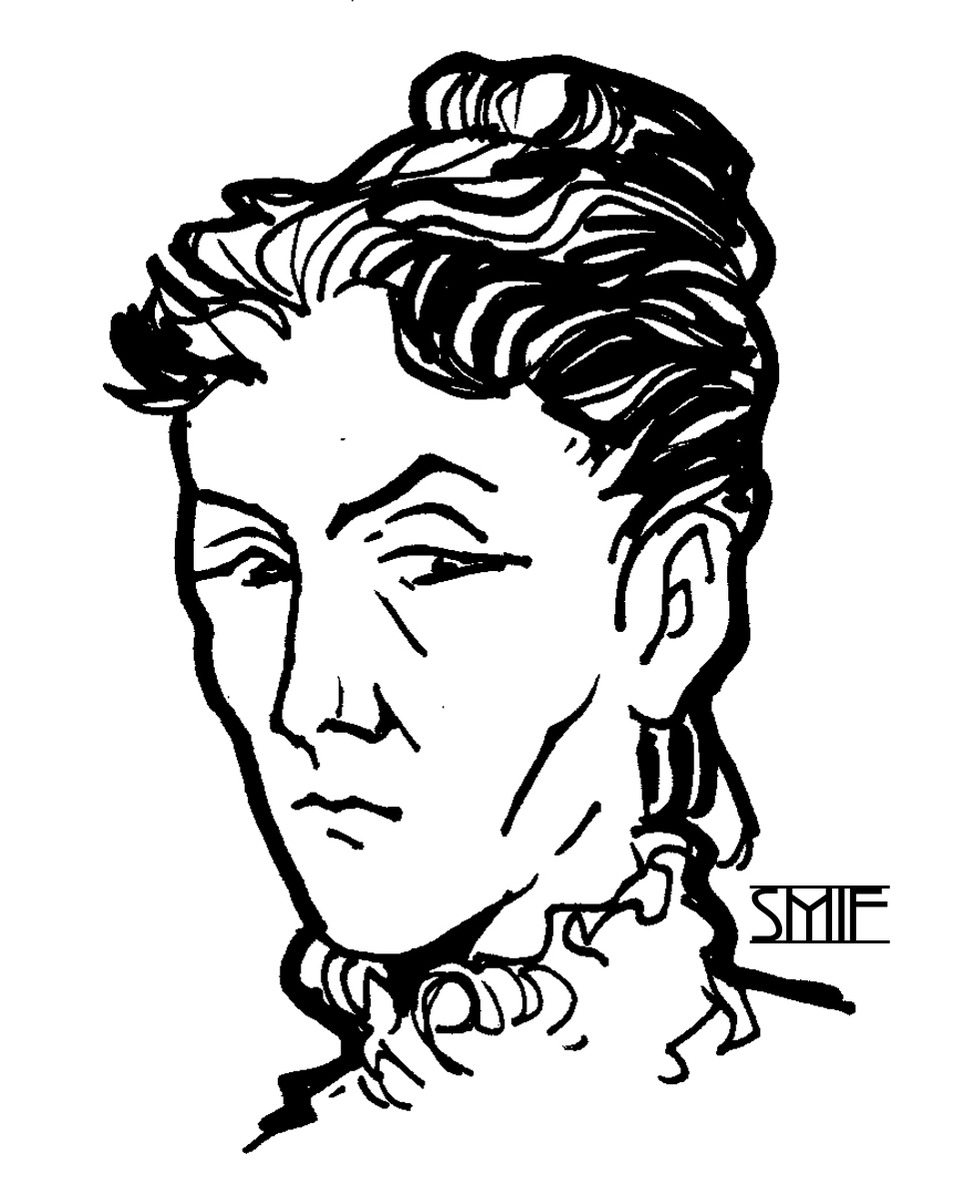
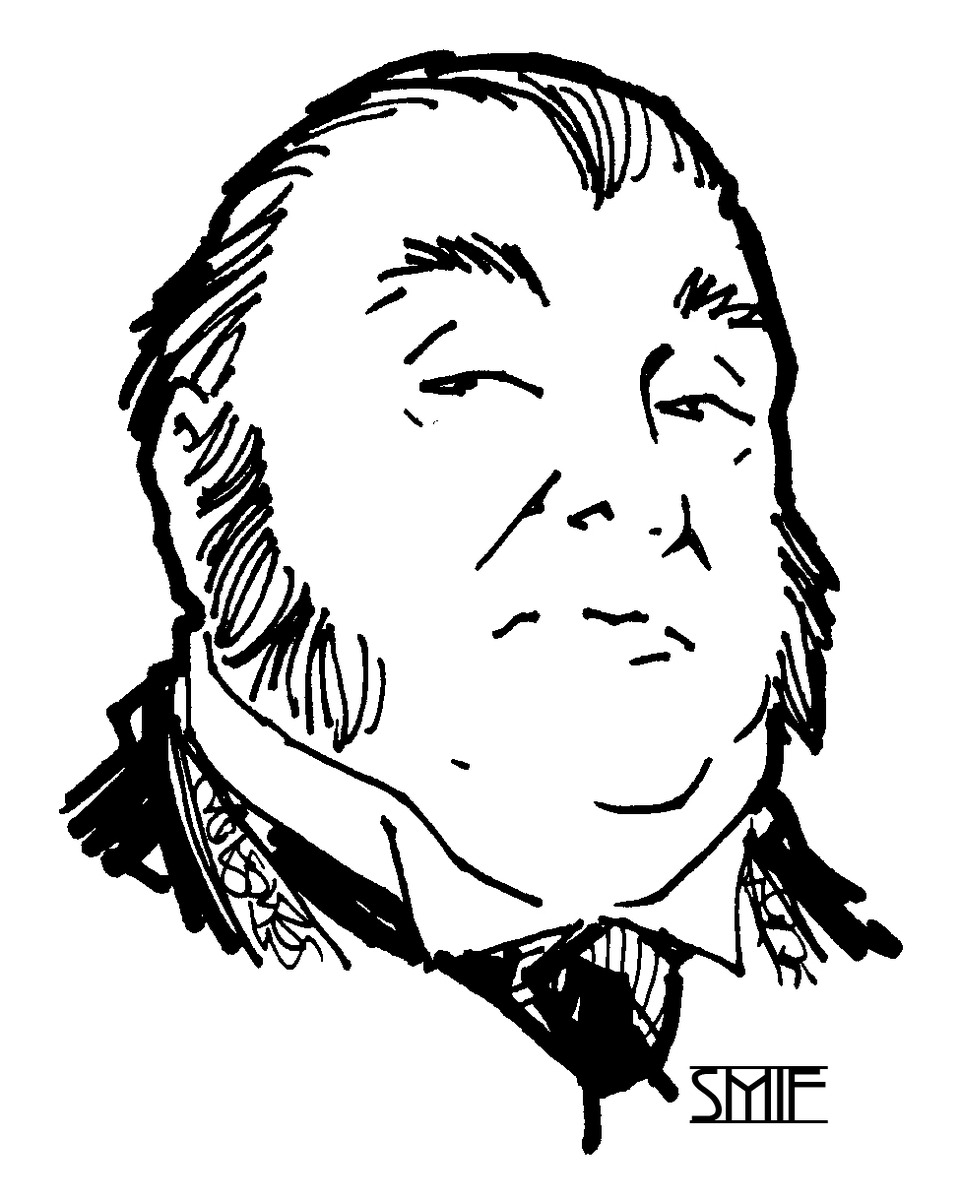

A Sèvres bowl had been dropped at Hartfield House the week before, and swept up, and — because Xerxes Hartfield is a man who does not permit a thing to be lost merely because it has been broken — brought at last to the breakfast room in a dustpan, to be put together again. The household had spent the whole of a wet evening in late October at this work. Four saucers had been borrowed from the morning service and pressed into duty as sorting trays: one for blue, one for gilt-edged, one for rim-pieces, one for whatever refused to declare itself. A magnifying glass lay upon a folded napkin at the table's centre, to be passed along like a decanter. By nine o'clock three of the saucers were handsomely heaped. The fourth held a single curved sliver of rim and nothing else whatever.
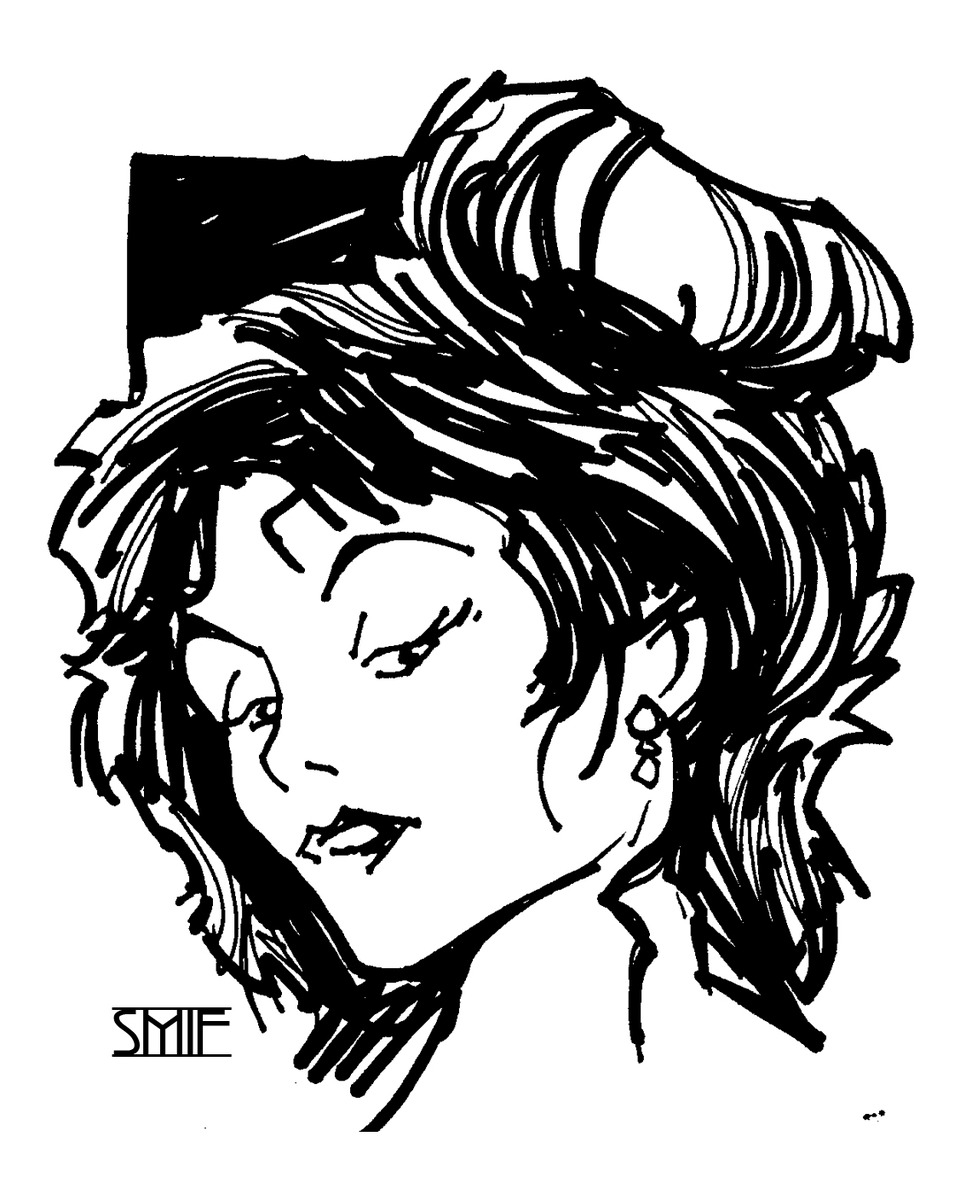
Lady Lavinia Loveless, the household's resident medium, lay face down beside the long table, her hand still near a fragment of the bowl's foot-ring, as though she had been reaching for it and had been obliged to postpone the matter. She had been struck once on the back of the head with a flat-iron; the skull was broken. She was wearing her evening shawl and her reading spectacles, and the spectacles were not even disarranged, which was thought, afterwards, to be very like her.
The flat-iron lay on the hearth-tiles where it had been set down — one of three belonging to the laundry-room passage, and quite cold. Any member of the household might have carried it up; that passage door is never locked.
On the table beside Lavinia's chair stood a letter-case of black morocco, open and empty, its ribbon ties cut rather than untied. Everyone in the house knew that case. She carried it everywhere — to the garden, to prayers, to the breakfast room — and it was opened only with a small key she wore round her neck. The key was still round her neck when she was found.
Upon the sideboard, just inside the breakfast-room door, sat a man's hat: a brown bowler, too large for any of the gentlemen present. Nobody in the house claimed it. It was perfectly dry, though it had rained steadily from eight o'clock and had not left off.
The breakfast-room clock, which the household trusts without reservation, was stopped at 9:20 by the shock of something striking the mantel-shelf beneath it; a chip of the shelf's edge lay upon the hearth. The carpet showed a long smear of hearth-ash running from the fireplace to the door, as though some person had crossed the hearth in haste. Mabel, Xerxes's cheetah, had been shut in the gun-room from eight o'clock, as she always is when china is out, and was found there still; the gun-room bolt is stiff and audible.
It should be said that Lavinia kept a vault. What was told her in a sitting was written down, and locked away in the black morocco case, and she called this her "keeping" — and she never kept anything for nothing. Three weeks before, Zane Swain, footman at Cruikshank Manor and twin brother to Fifi Swain, had been turned off without a character, an anonymous letter having reached Colonel Cecil Cruikshank naming a night and a room, and being correct in both. He has lodged at the Sailors' Rest ever since and cannot get a place. Lavinia's sittings at the Manor had run weekly all summer, and Zane attended the door at every one of them; twice in September she was heard to remark, in company, that a footman who was out of his own quarters at eleven o'clock was a footman with a private appointment. On the Tuesday before her death she wrote to Cruikshank Manor asking that the maid Fifi Swain be lent to Hartfield House for the porcelain evening, and added that she had something of her brother's to put to her. The note was read aloud at the Manor's servants' breakfast. Fifi and Zane were born Swann, and have spent eleven years keeping that name out of hearing; Cousin R knows it, and has never used it.
In the last fortnight Lavinia had also begun to let fall at Hartfield House that she "heard a third voice in the upper passage" — a remark Xerxes was observed to receive without any change of expression at all. As for the hat, a brown bowler of that make is sold at every chandler's on the Cairnholm quays, and Fifi was seen on the Monday carrying a parcel from the Sailors' Rest, where her brother lodges. It may be added, for the geography of it, that the scullery passage runs directly to the laundry-room where the flat-irons are kept, and that from the laundry a back stair comes up within six feet of the breakfast-room door.
Dinner was at seven. The house had no visitors after eight o'clock, the street door being locked and its key in Aziz's pocket; the rain began at eight and did not stop.
Of those who might have been wanted, several were elsewhere and said so with documents. The Colonel and Nan Pringle passed the entire evening at Cruikshank Manor over the ledgers, each vouched for by the other and by the butler. Zane was at the Sailors' Rest on the quay, where the landlord served him from eight until midnight. Effie Strange was at the Assembly Rooms in Cairnholm until past eleven, in the sight of forty people. Dr Tobias Quill — a frightened man, called twice that month to attend Lavinia's nerves, and plainly no admirer of her sittings — was out at the Fever Hospital from seven o'clock until half past ten, signing for an admission; the porter's book carries his name and the hours.
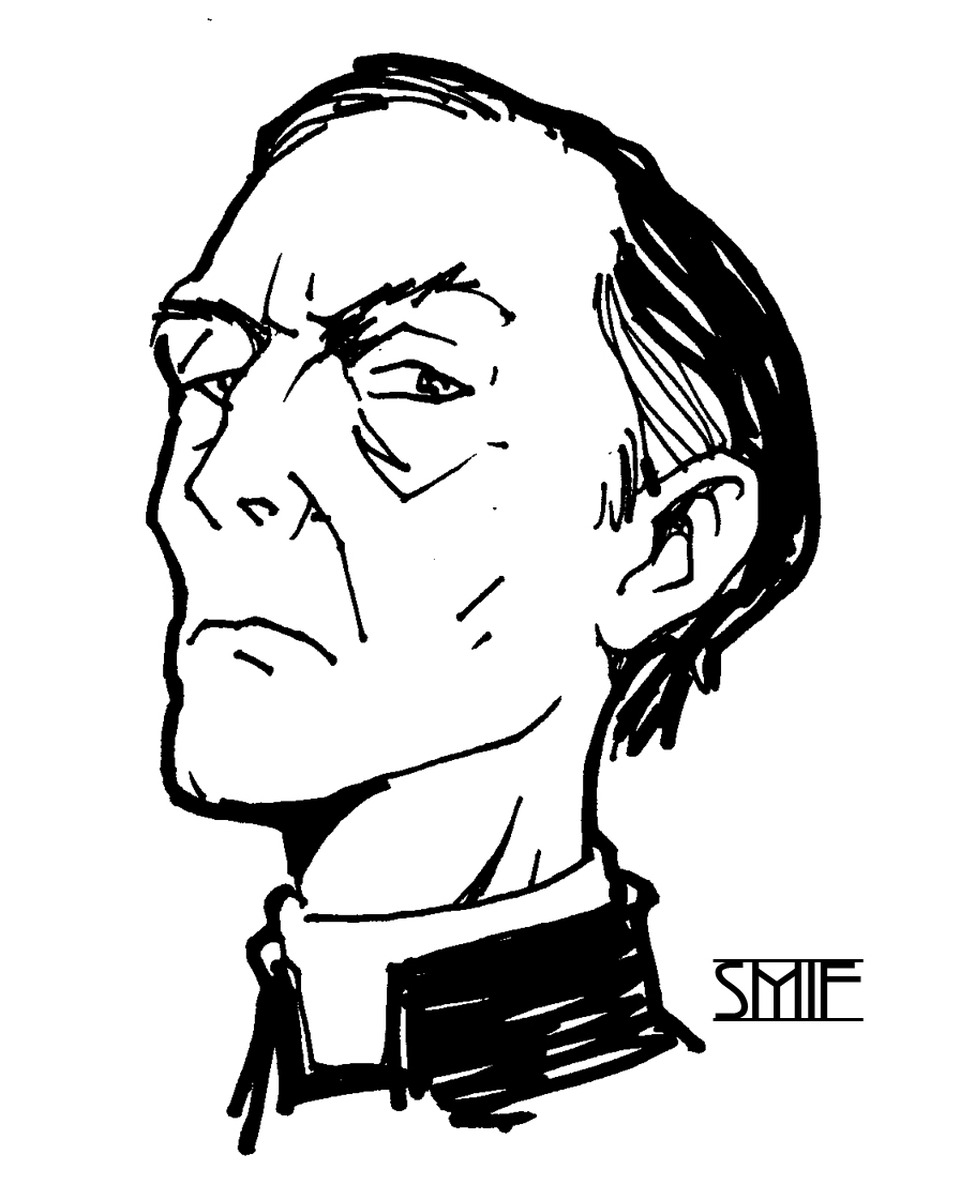
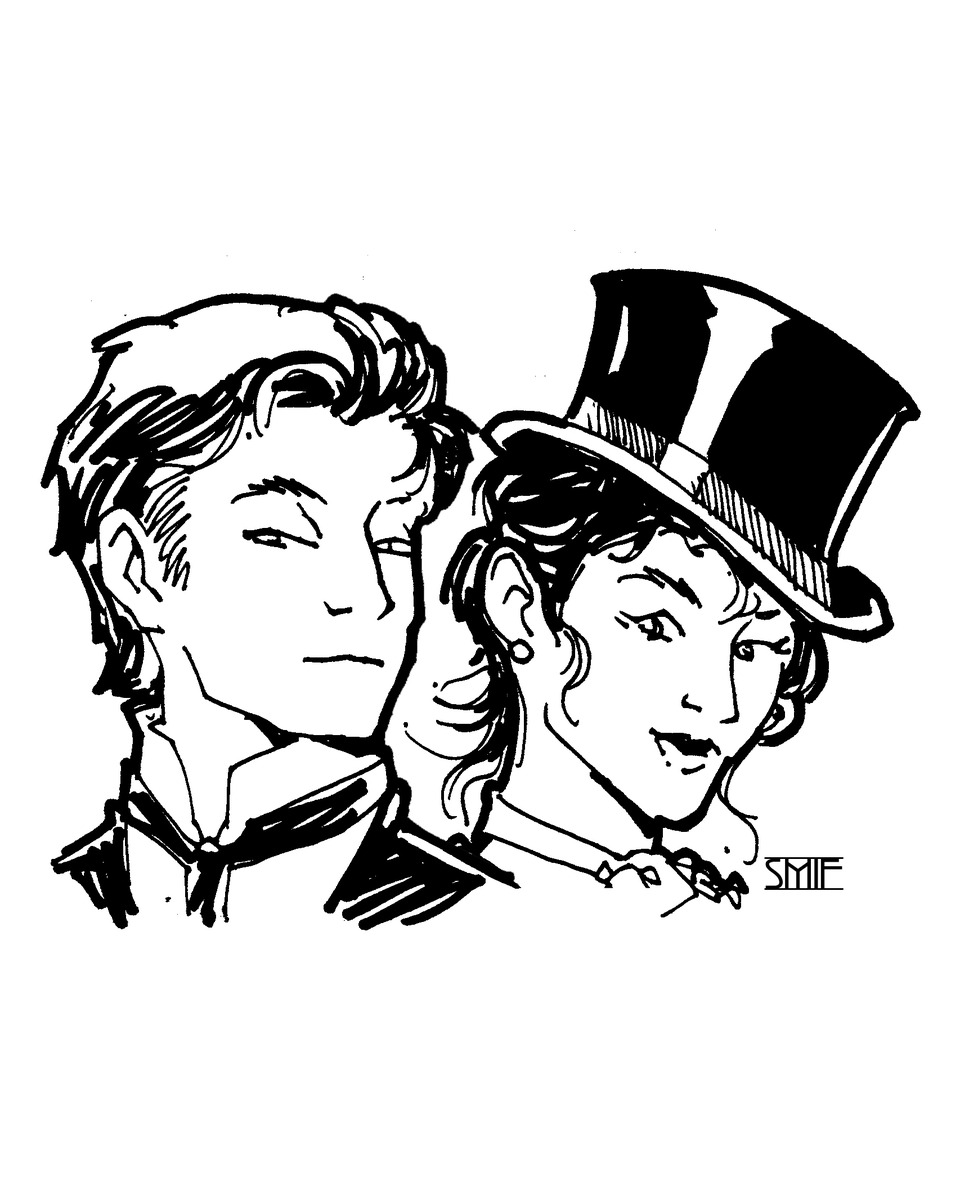
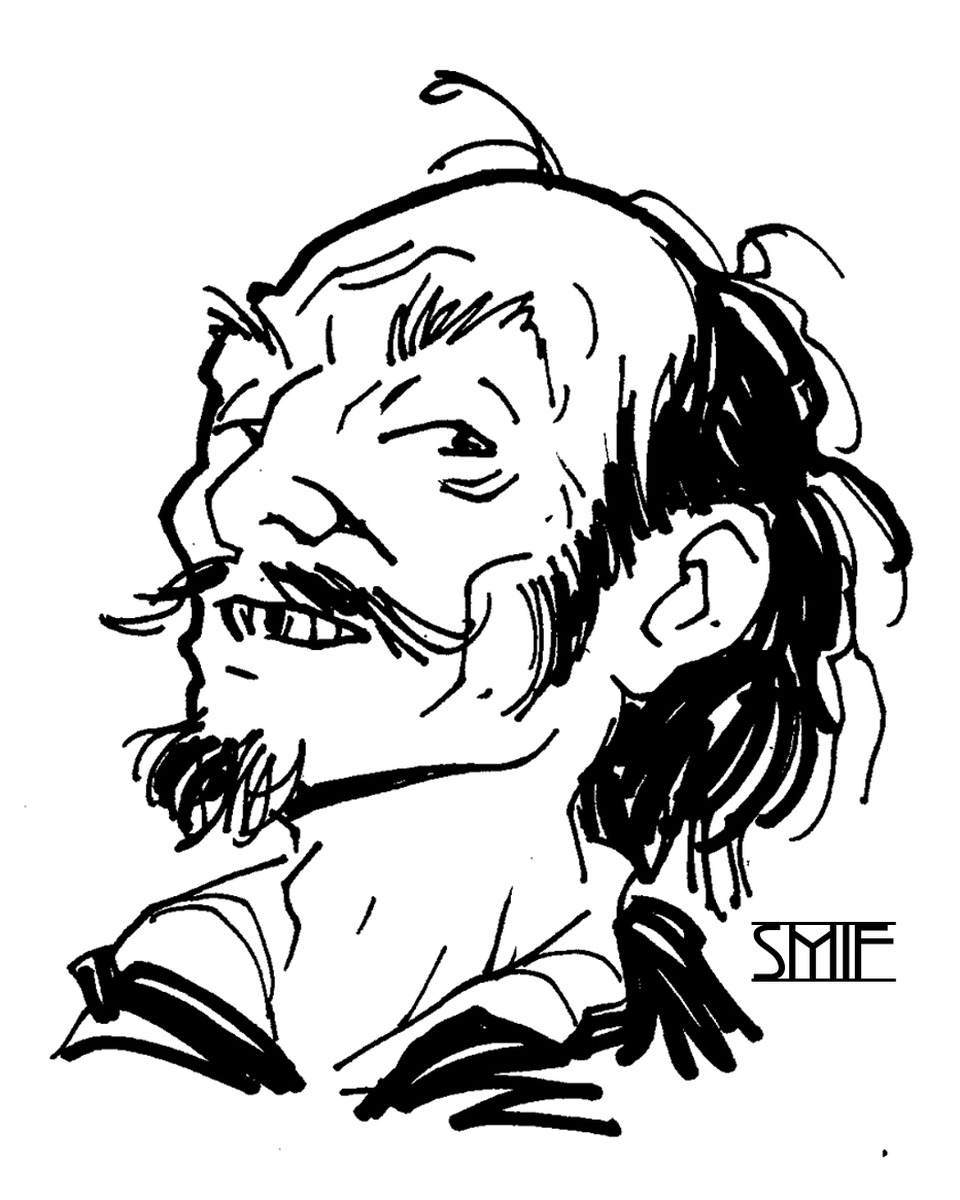
The house itself was arranged thus. Fifi, quick, neat, and famously silent upon the subject of her brother, sat sorting fragments until about nine o'clock, when she went down for hot water; she says she was in the scullery passage from then until the alarm, and the scullery was empty, and nobody saw her there. Xerxes was in the billiard room from a quarter past nine with Captain Wat Frew, the two of them at a hundred up — Wat vouches for him, and so does the under-footman who brought in the decanter at half past nine and found them both there. Wat himself, who runs cargoes for Xerxes and holds a small debt or a small secret against most of the household, and who had sold Lavinia something she wanted and had not been paid for it, was before that in the hall, oiling the lock of the street door, where Aziz saw him. Aziz, companion to Xerxes and keeper of the household's accounts of small things, sat at the breakfast-room table in his fez, sorting the gilt-edged pieces. Beside him the Reverend Simeon Gaunt — Lavinia's half-brother, who disapproved of her profession entirely and paid her coal bill — sorted the blue. And at the same table sat Cousin R, that guest of unplaceable origin who collects other people's secrets as other men collect prints and has never once been known to sell one; he had followed Lavinia's season with great interest, and he sat the whole evening with the magnifying glass, in full view of three other people, and never left the chair. The saucer of rim-pieces he was filling is the one upon the table.
The saucers sit where they were left, three of them heaped with blue and gilt, the fourth holding one curved sliver of rim; the magnifying glass lies across the napkin; and the black letter-case gapes open on the table with its ribbons cut, while the rain goes on against the breakfast-room glass.