

The palm-house at Hartfield House was being repotted, which is a thing that cannot be done quietly or in a small space. Great tubs were hauled out upon the terrace; the gardeners asked, with perfect courtesy, for room; and the guests, who had come expecting to pass from the drawing room to the conservatory as civilized people do, were obliged instead to use the cold side passage, where the lamps burned all evening and the air was of the sort that discourages lingering.
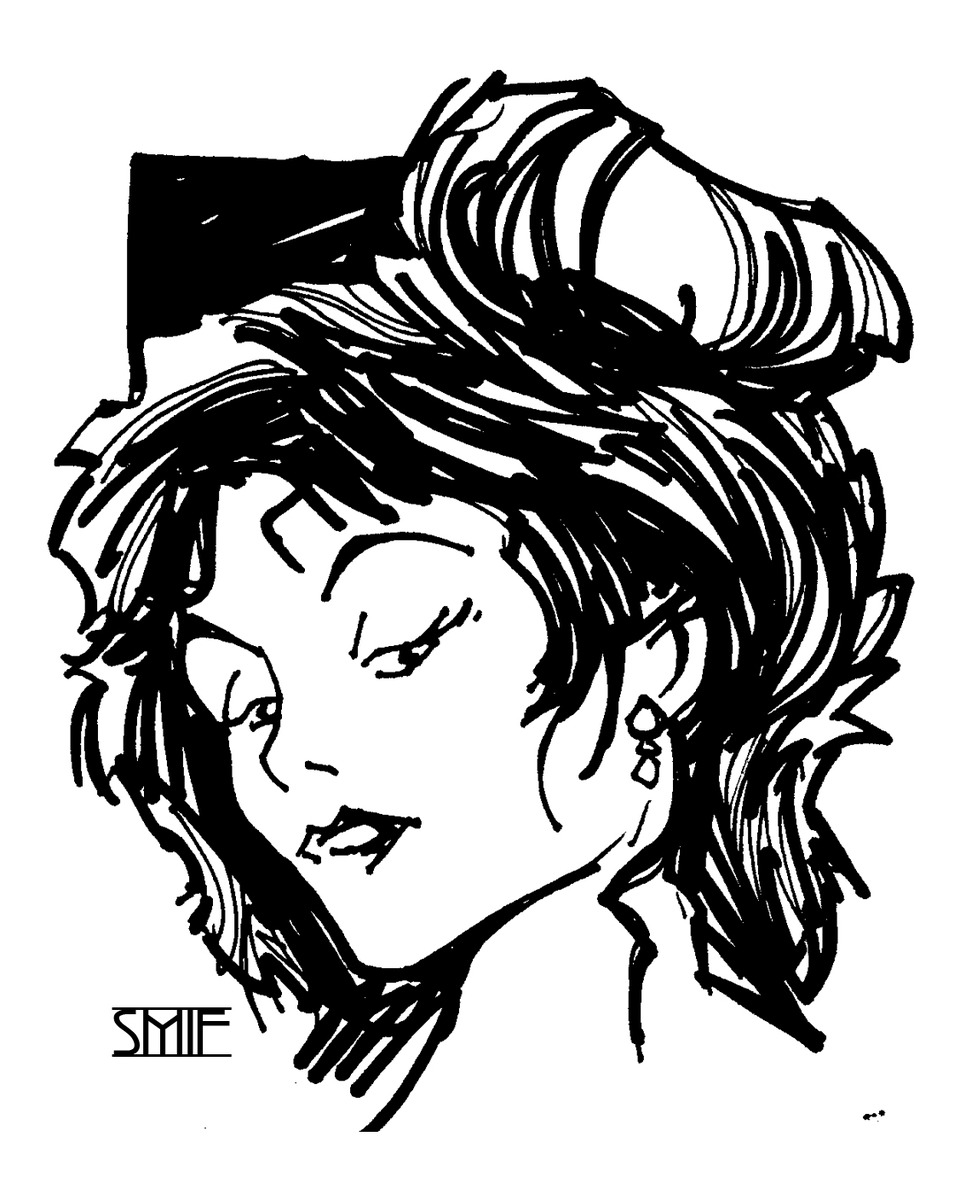
Lady Lavinia Loveless was found there at half past nine, lying between the stacked tubs. She had been beaten with bare hands. No weapon lay by her, and nothing had been taken from her.
The passage was cold and very bright with the gardeners' lamps, and it was, above all, untidy in the ordinary way. Nothing in it had been arranged, posed, or composed. The tubs stood as the gardeners had left them; the barrows stood where work had abandoned them; the lamps had been set down for convenience and not for effect. Lavinia's rings were on her fingers and the small purse at her waist was at her waist still. Whoever had come down that passage had not come to take anything, and had not stayed to make the scene look like anything but what it was.
Dr Tobias Quill, who was present as a guest and obliged himself to act as coroner, placed the death between nine o'clock and half past nine. He noted, in the same flat voice he used for the weather, that no instrument of any kind had been employed.
On the floor beside her lay a sheaf of papers spilled from her reticule: three quarterly statements from the trust that holds her money, each stamped by the Reverend Simeon Gaunt as trustee, and a fourth sheet in her own hand, listing sums drawn down since midsummer under the heading "the Marsh arrears."
In the conservatory, meanwhile, the séance table stood prepared for a sitting at ten o'clock. Eleven chairs had been set about it, each at its proper interval. A black cloth lay smooth upon the table. In the centre of the cloth rested a card, on which Lavinia had written the names of those she meant to call, and the top name upon it was Isolde Marsh.
Gaunt's knuckles were grazed. He said at once, and without being asked, that he had struck his hand against a tub in the dark of the passage; and he did not alter the account afterwards, nor embellish it, nor appear to think it required anything further.
Mabel, Xerxes's cheetah, had been shut in the gun room from eight o'clock while the gardeners worked, and the key was with the under-footman all evening.
Lavinia had lived at Hartfield House for two years as Xerxes's guest and resident medium, and Gaunt came to see her most weeks. They were half-brother and half-sister: she had gone to the stage from the family name of Marsh, while he had kept the name he was born to. The trust that holds her money was settled upon her by their mother, and Gaunt administers it. It was Gaunt, too, who had insisted when she first came to the house that she be given a room on the ground floor near the conservatory, so that he might call upon her without the exertion of stairs.
That afternoon Lavinia had told Xerxes, Aziz, and two of the staff — pleasantly, over tea, as one announces a change in the dinner hour — that at ten o'clock she would call their mother by her own name before the whole house, and that she would speak "in her mother's voice" of what was owed to her and what had been kept from her.
Gaunt preaches against the calling-up of the dead as the gravest of impostures, and had informed the household the previous month that a soul so used is a soul robbed. Three times that year he had written to the trust's solicitors objecting that money was being spent upon "the business of the séance table." The objections were not upheld, and Lavinia drew the sums regardless. At six o'clock that evening a clerk brought him a letter from those solicitors. He read it standing in the hall, folded it away, and ate nothing at dinner.
The others of the household arrange themselves thus.
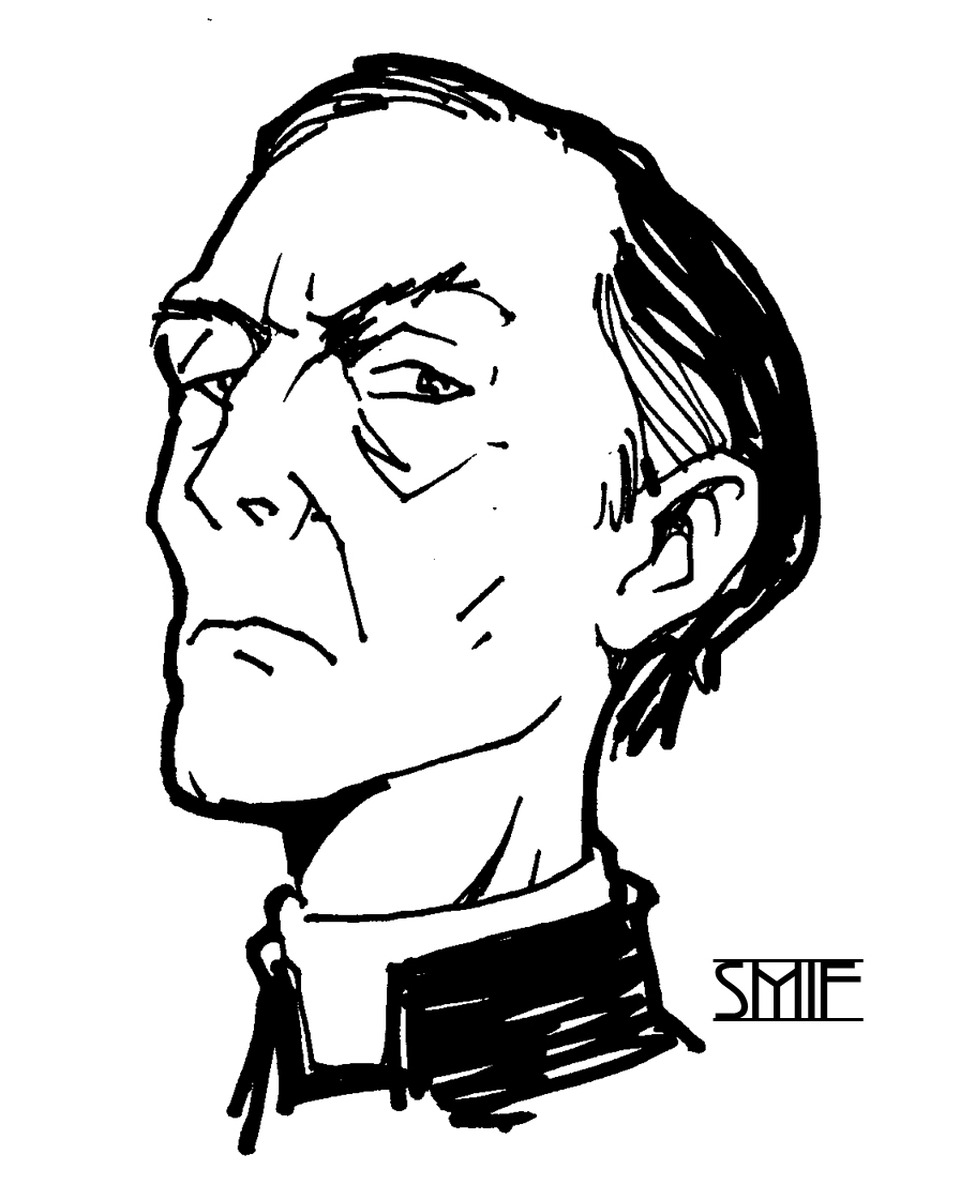
The Reverend Simeon Gaunt is a cleric who imposes penance upon himself and is known never to have taken a bribe. He dined and said little. He left the dining room shortly before nine o'clock, observing that he would walk and read in the cold air, and no guest saw him again until twenty minutes to ten, when he came into the drawing room from the direction of the side passage.
Zane, footman, careful and rule-abiding, had been at Hartfield House since the afternoon, lent out to help with the repotting and the sitting. From a quarter to nine until the alarm he was in the conservatory setting out the eleven chairs, under the eye of the two gardeners, who did not leave and who vouch for him continuously. It should be said, since the gardeners say it, that Zane and Lavinia had met privately in the conservatory on three evenings that month; the gardeners knew it and had said nothing until now.
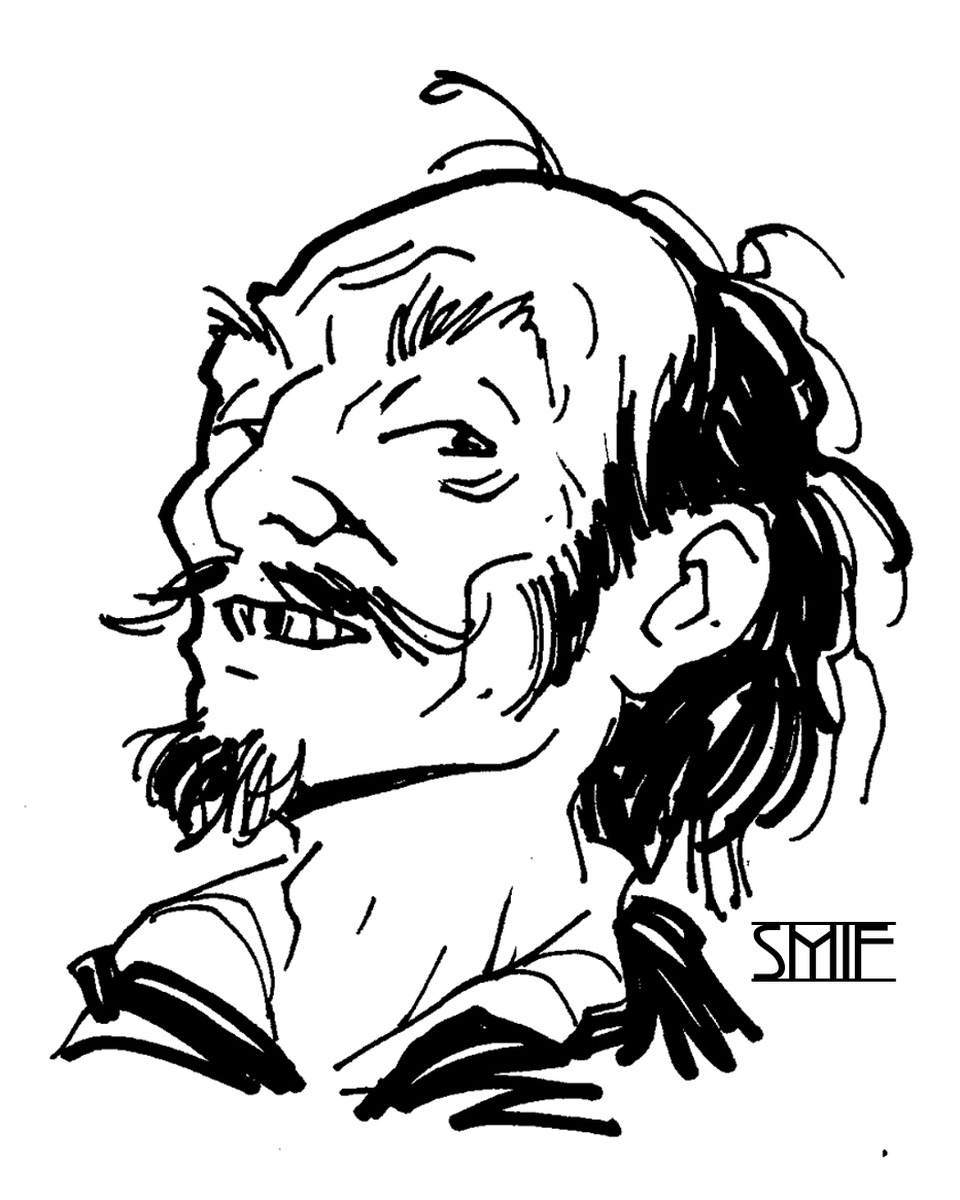
Captain Wat Frew, smuggler, is in Xerxes's employ for certain cargoes, and deals chiefly in what people would rather not have said aloud. He had asked Lavinia for two hundred pounds on the Tuesday and been refused, at which he laughed and said he would ask again on the Friday. He keeps a ledger of what he knows, and hers was the longest entry in it. He was on the terrace with Xerxes from ten minutes to nine until the alarm, arguing over the freight on a consignment; both gardeners and Aziz saw them there the whole while.
Cousin R is a guest whom nobody can place, who collects what people let slip and never asks for anything in return. He had asked Lavinia twice that week to sit for a portrait. He was in the library from half past eight with Effie Strange, both in the sight of the library footman until the alarm.
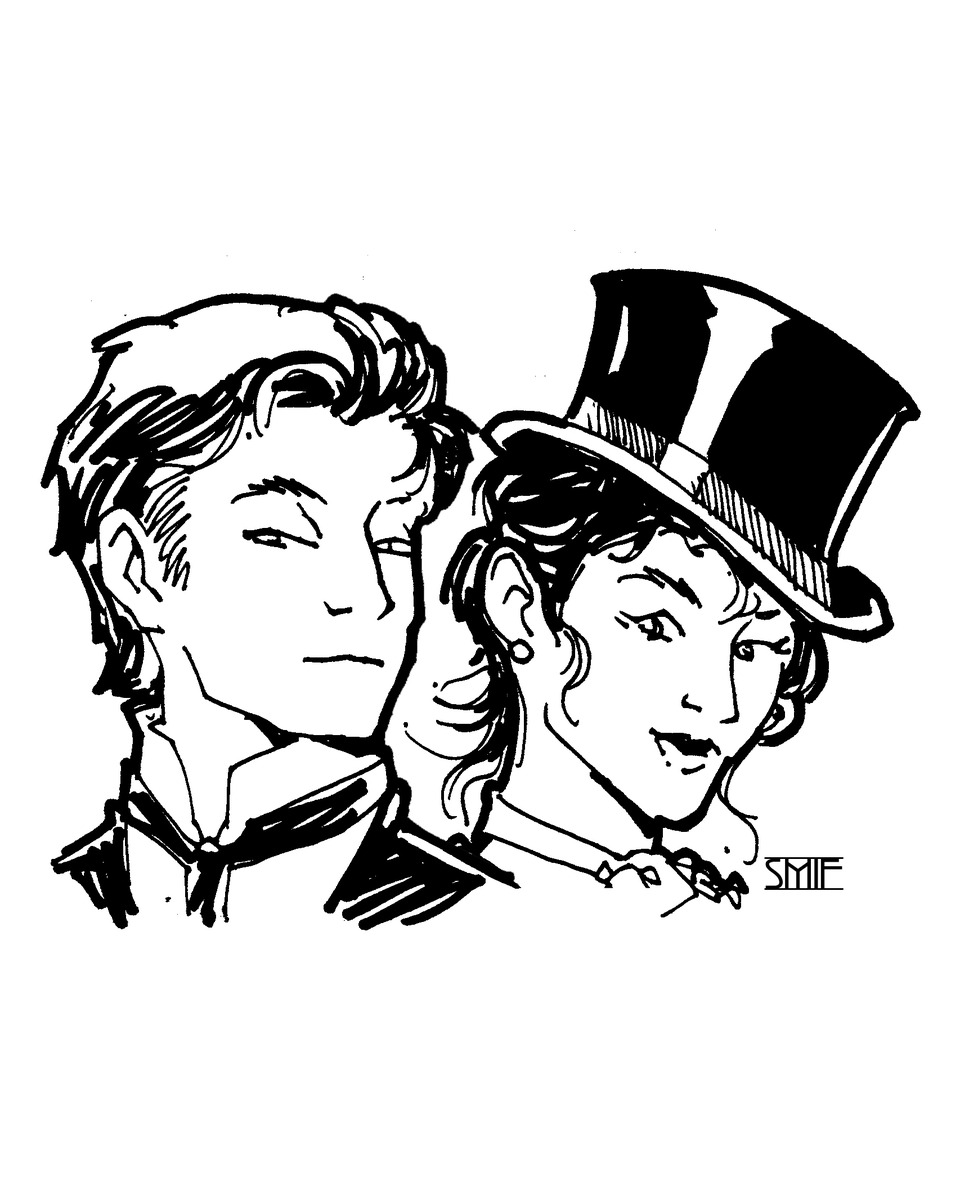
Effie, the bright young thing and heir-presumptive to Colonel Cecil Cruikshank, is perpetually short of money and perpetually cheerful about it. She owed her dressmaker and two other houses besides. Lavinia had lent her forty pounds in the spring and had never once asked for it back. She was in the library from half past eight, as stated, and did not leave it.
The Colonel and Nan passed the whole evening at Cruikshank Manor over the accounts, vouched for by that household; Fifi was with them there, abed by nine. Aziz and Xerxes were on the terrace with Wat from ten minutes to nine until the alarm, and the tubs came out past them the while.
The eleven chairs stood all night around the black cloth in the cold conservatory, and the card with the names upon it was never turned face down.